
Review · TOKYO SUSHI CLASSES
Sushi Making Tokyo Roll and Authentic Japanese Sushi Class
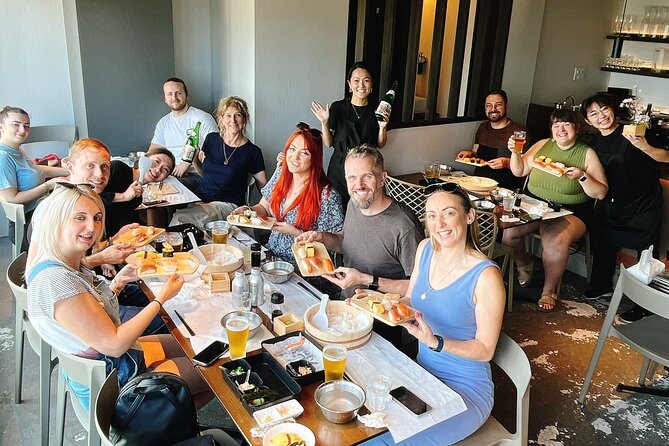
Forget TV sushi, do it yourself. This hands-on sushi class teaches you rolls and nigiri right in traditional Asakusa, steps from Senso-ji Temple. I like that the instruction is step by step for beginners, and I also like the meal payoff, you eat what you make with your group.
The main thing to consider is the setting: it is a tourist-friendly cooking class, so it is not the same as a years-long apprenticeship at a tiny counter. If you want ultra-traditional, behind-the-scenes fish retail stories with total silence, you might find this style a bit more approachable than you expected.
Key highlights you will actually use
- Asakusa location near Senso-ji makes it easy to pair with temple time
- English-speaking guidance keeps you from guessing at key steps
- Step-by-step sushi rice, rolling, and shaping for beginners
- You eat the full lunch you make so nothing feels like a demo
- Small groups up to 30 helps you get attention and keep the pace comfortable
Asakusa Meets Sushi 101 Near Senso-ji
Tokyo can be overwhelming fast. This class gives you a calmer kind of Tokyo, one with a table in front of you and real food in your hands. You meet in Asakusa, close to Senso-ji Temple, so you can build your day around something iconic without losing the chance to learn.
The meeting point is listed as 2-chōme-17-9 Kaminarimon, Taito City, Tokyo 111-0034, Japan. If you have ever tried to find an address in Japan using just a vague landmark, you already know the value of arriving early, even if the class itself is smooth once you’re there.
What I like about this area is that it keeps your sushi lesson grounded. You are not tucked into a business park far from real life. Asakusa is old Tokyo energy, and the class fits that vibe because sushi culture here feels practical, everyday, and social.
More Tokyo tours and experiences for the shortlist



Small Class Size, Real Attention, Not Just Watching
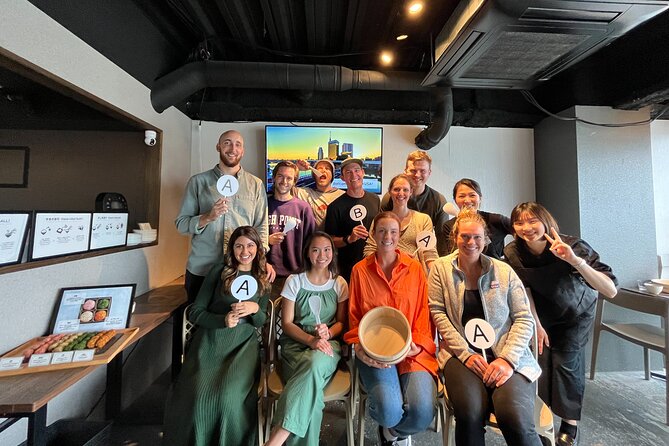
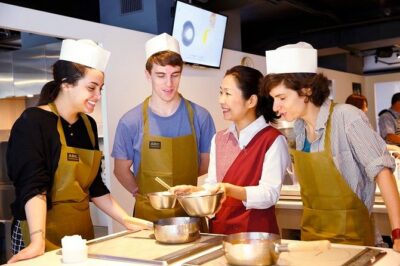
The class runs about 1 hour 40 minutes, and the group is capped at 30 travelers. That matters more than it sounds. In a bigger crowd, you end up waiting your turn and copying moves with no feedback. Here, the format is built around active participation and questions.
The staff are English-speaking instructors, so the key techniques are explained clearly instead of translated word by word. One of the best clues is that the instruction is described as relaxed and beginner-friendly. You learn what to do, not just what to call it.
A few instructor names come up in the class team details, like Moe, Ken, Arisa, Jun, Ellie, Kazu, Kyuto, Kaori, and Karoi and Shiroi. Even without knowing who you will get, the consistent theme is patient teaching. The class pace is paced for you to keep up, including families with kids.
From Sushi Rice to Rolling: The Skills You Take Home
The core of the experience is learning to make sushi rolls and authentic nigiri step by step. That means you do more than assemble a roll at the end. You work through the building blocks, especially the rice.
Rice is the heart of sushi. If the rice is too wet, your roll falls apart. If it is too dry, it does not cling. In class, you get professional tips and tricks aimed at getting the rice right at home. You also learn how rice is seasoned and handled, because sushi rice is not just cooked rice with extra flavor.
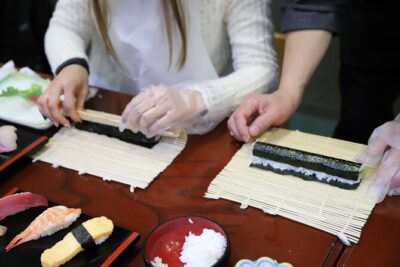
Then comes the part you can practice after you get home: rolling. You get a clear process for assembling maki, using nori, filling, and shaping with technique rather than guessing. It is the kind of skill that feels simple once you see it, but actually depends on small movements, especially hand pressure and alignment.
The class also uses visuals, including a video or PowerPoint-style presentation, alongside table-side coaching. That combination helps a lot. You can watch the sequence, then do it yourself, then adjust based on what your instructor sees in real time.
Nigiri Basics: Why Form and Touch Matter
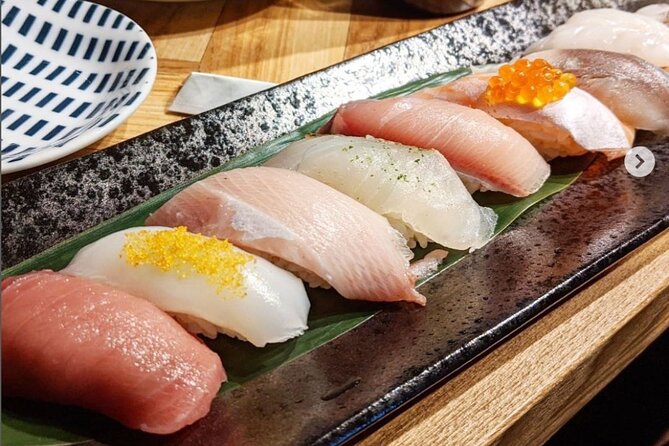
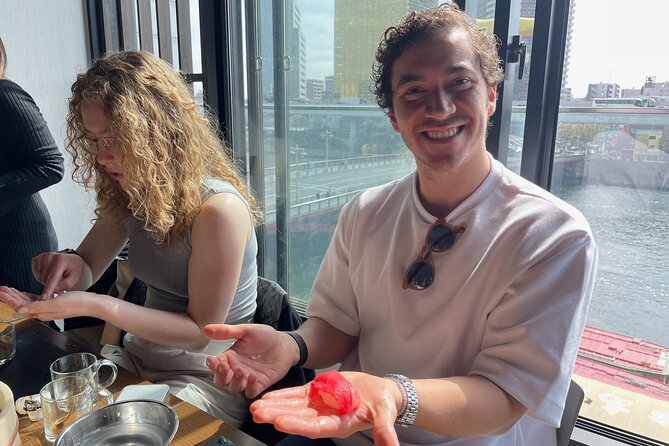
Rolling is fun, but nigiri teaches you something different: the feel of shaping. Nigiri is not just about plopping fish on rice. It is about balance and texture, and it starts with correct rice temperature and grain behavior.
In a beginner class, nigiri can be the tricky part because it requires gentle handling. If you press too hard, you crush the rice. If you rush, the shape looks uneven. The class approach makes it easier because the instructor guides you through the steps in a relaxed way, so you are learning the logic behind the form.
You will also learn cultural context around sushi. That may sound abstract, but it changes how you taste at home. Once you understand why certain cuts, seasonings, and handling matter, you stop treating sushi as random toppings on rice. You start treating it as a system.
This is also where the English-speaking instruction pays off. Sushi has specific vocabulary, and knowing the right words helps when you shop for ingredients later. You can follow recipes without getting lost in translation.
Your Sushi Lunch: Eat It, Photograph It, Repeat
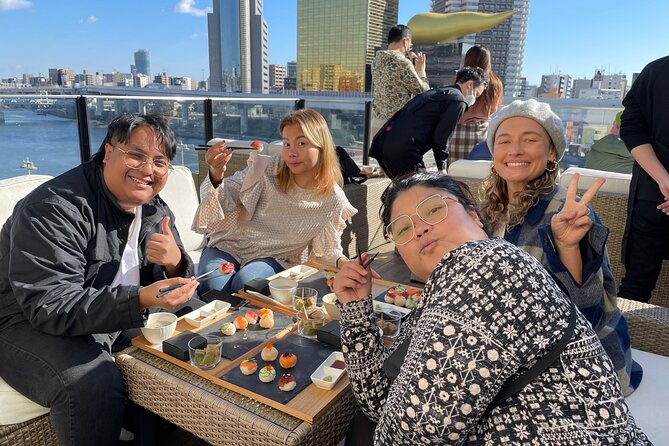
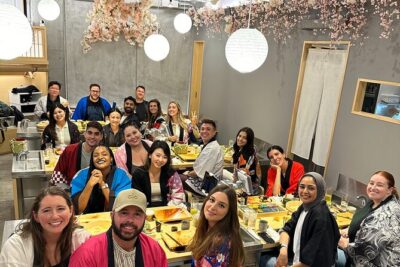
One of the biggest reasons to book this class is that you eat the results. The experience includes ingredients and a meal, and you sit down to enjoy what you made with your classmates.
That matters for value. Cooking classes sometimes end with a tiny bite while someone else gets the real meal. Here, the setup is aimed at making enough sushi to feel like lunch, not a snack. Many comments point out there are plenty of ingredients for a full meal.
You can also take photos during or after the class, since you are producing finished rolls and nigiri at your table. It is an activity where your group ends up with something to show for the effort, not just a memory of watching.
Food quality is another part of the payoff. The class format includes fish and rice prepared for learning, and multiple notes mention that the fish and rice are high quality. That helps beginners taste the difference between making sushi as a hobby and making sushi as a skill.






Price and Value: What $59.69 Actually Buys You
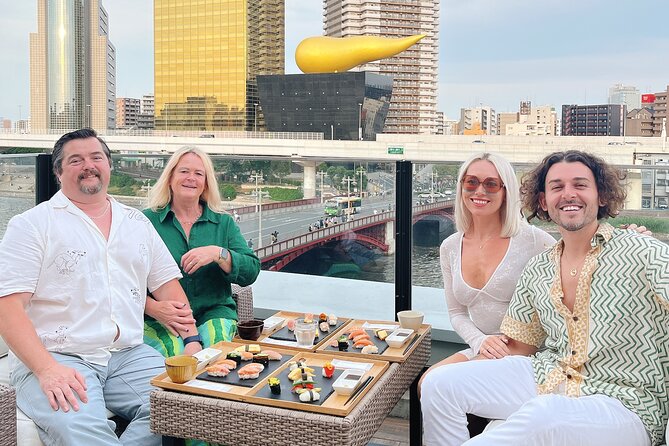
At $59.69 per person, this class is not a bargain, but it is also not priced like a luxury omakase moment. The value comes from combining three things you rarely get together at this price.
First, you get hands-on training. This is the kind of activity where you leave with techniques you can repeat, not just a meal you consumed somewhere.
Second, you get an instructor who teaches in English, which lowers the friction for international visitors. When you understand the process clearly, you waste less time in your own kitchen later.
Third, the price includes ingredients and the meal. Even if you already eat sushi sometimes, this turns it into an experience. You stop paying only for food and start paying for skill building plus a full lunch.
If your day in Tokyo includes Senso-ji and Asakusa walking, this timing also helps. Instead of turning your day into a long commute to a far-off cooking studio, you can stay in the neighborhood.
Timing and Logistics That Keep It Stress-Free
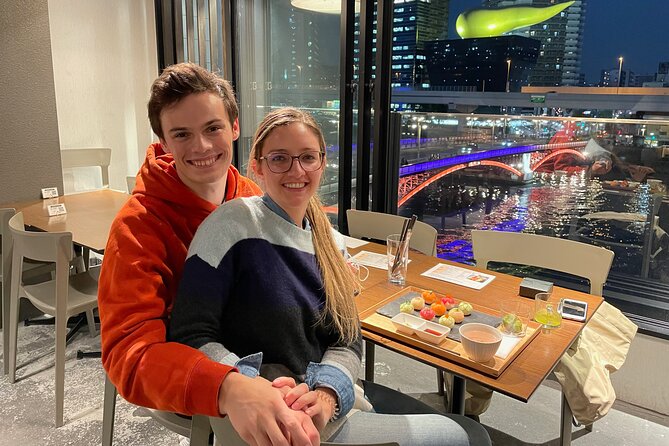
This is a short class, about 1 hour 40 minutes, and it starts back at the meeting point. There is no hotel pickup and drop-off, so plan to use public transit and walk the last stretch.
The location can be a little tricky to find, which is common with small Tokyo streets. The best practical move is to arrive early. If you show up about 15 minutes ahead, you give yourself time to confirm the exact storefront.
You also get a mobile ticket, and confirmation is received at booking time. That reduces last-minute stress. Near public transportation, so you are not stuck with expensive taxis or long detours.
Service animals are allowed, and the group is kept to a maximum of 30. That makes it easier to keep the flow of teaching, especially when multiple people are rolling and shaping at the same time.
Who Should Book This Sushi Class in Tokyo?
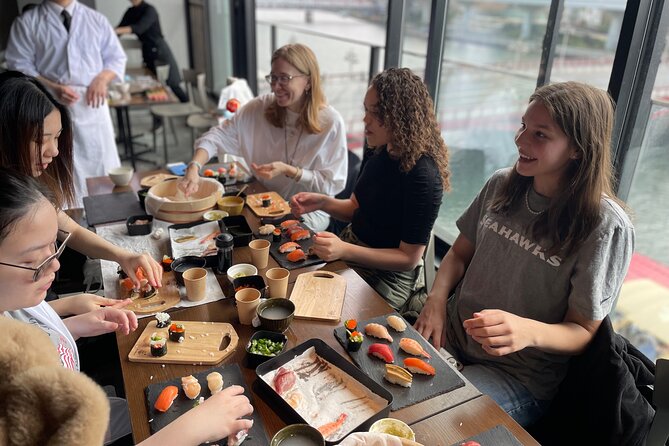
This class is ideal if you want sushi knowledge without intimidation. No cooking experience is required, and the format is built for beginners. Families like it because the structure is interactive and the teaching is clear, including with children around the 8 to 10 range, plus teens.
Couples also tend to enjoy it because you work as a team at one station, then share lunch from what you made. Some people even take it on a honeymoon because it feels like a shared skill, not just a romantic dinner where you do not talk much besides tastes and favorites.
If you are a serious sushi fanatic who already knows rice hydration ratios and wants deep dive fish procurement details, you might find it more basic than you would like. Still, even experienced home cooks can learn the handling and the approach to rolling and shaping, especially with the guided correction.
Tips to Get the Best Results in Your Class
You will have a better time if you treat this like a skill workshop, not a casual tasting. Come hungry, because you are eating lunch afterward.
Bring curiosity, but also be ready to follow instructions exactly at first. Sushi is sensitive to small changes, so it is best to focus on the instructor’s method for your first attempt.
When you roll, pay attention to pressure and alignment. When you shape nigiri, slow down. It is better to make a slightly less perfect piece than to rush and crush the rice.
Finally, ask questions. The class is built around friendly guidance from an instructor and assistant team, so clarifications are part of the experience, especially if you want to recreate your sushi later.
Should You Book This Sushi Making Tokyo Roll and Authentic Japanese Sushi Class?
Book it if you want a hands-on Tokyo memory that includes a real meal, clear English teaching, and skills you can practice at home. The location near Senso-ji makes it easy to stitch into an Asakusa day, and the group size keeps the class from feeling like you are on the sidelines.
Skip it only if you are chasing a hardcore traditional experience with zero tourist-friendly framing. This class is more about approachable technique and good learning than elite secrecy.
If your goal is sushi 101 that turns into sushi 2.0 at home, this is a strong pick. You will leave fed, informed, and with at least a couple of techniques you can actually use next time you buy nori and rice.
FAQ
How long is the sushi making class?
The duration is about 1 hour 40 minutes.
How much does it cost?
The price is $59.69 per person.
Is hotel pickup or drop-off included?
No. Hotel pickup and drop-off are not included.
Do I need any prior cooking experience?
No cooking experience is required.
What is included in the class price?
An English speaking instructor is included, along with the ingredients of the cooking class and meal.
Where is the meeting point?
You start at 2-chōme-17-9 Kaminarimon, Taito City, Tokyo 111-0034, Japan.
How big is the group?
The class has a maximum of 30 travelers.
Is there an English-speaking staff member?
Yes, the class includes an English speaking instructor.
What is the cancellation policy?
You can cancel up to 24 hours in advance for a full refund. If you cancel less than 24 hours before the experience starts, you will not receive a refund.
More Workshops & Classes in Tokyo


More Tour Reviews in Tokyo
Not for you? Here's more nearby things to do in Tokyo we have reviewed








Tokyo Sushi Classes, side by side.
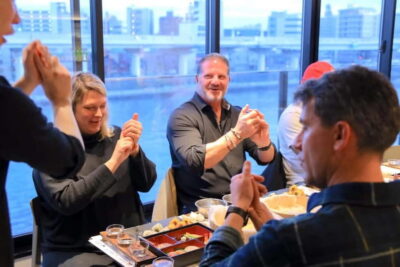 ★ 4.9Roll and Authentic Sushi Making Class in AsakusaFrom $581,957 reviews
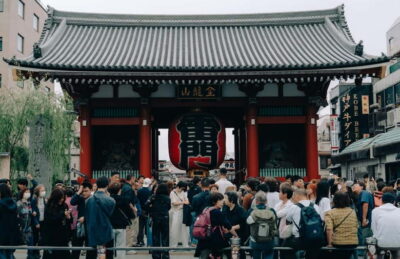 ★ 4.9Sushi Making Class in a Happi Coat near a Famous SpotFrom $421,377 reviews
 ★ 5.0Tokyo Sushi Making Class in Tsukiji with Professional ChefFrom $491,177 reviews
 ★ 5.0Tsukiji Fish Market Guided Tour and Sushi Making with Pro ChefFrom $104775 reviews
 ★ 4.9Tsukiji Fish Market Sushi Making Class with Pro ChefFrom $63506 reviews
 ★ 5.0Tokyo Tsukiji Fish Market Tour and Sushi Making LessonFrom $99390 reviews
 ★ 4.9Sushi Making ClassFrom $67390 reviews
 ★ 5.0Popular Sushi Making Class near Tokyo TowerFrom $87229 reviews
This tour also belongs to