
Review · TSUKIJI MARKET TOURS
Tokyo Sushi Making Class in Tsukiji with Professional Chef
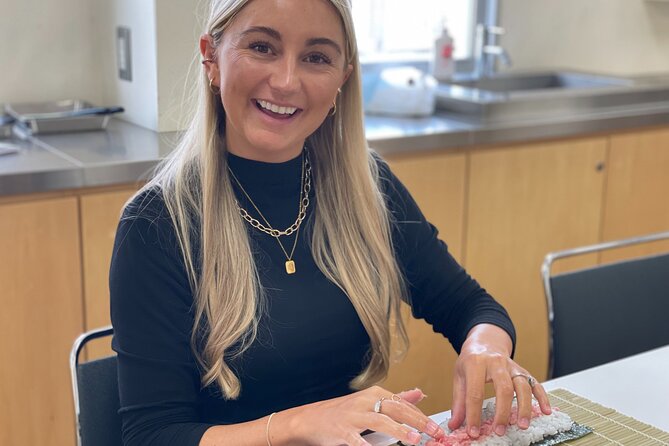
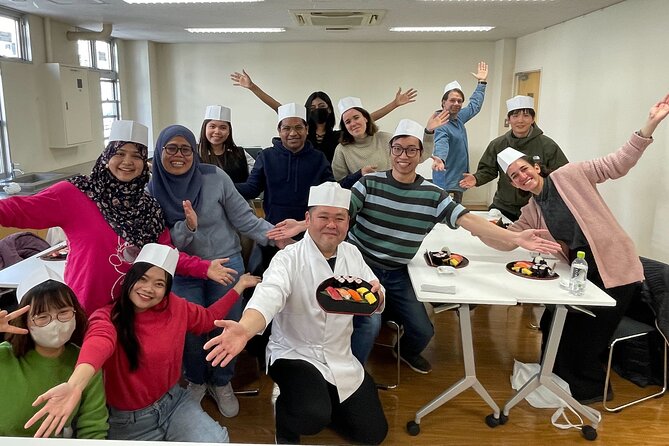
Tsukiji sushi is a hands-on history lesson. This short class takes you into a real Japanese-style classroom inside the market area, then has you making your own nigiri and rolled sushi while learning knife and fish prep basics. Best part, you eat what you make, so the time feels productive, not just instructional.
What I like most is the clear structure. You get a chef-led fish prep and knife explanation first, then you move step by step into making sushi yourself. I also love that the lunch is included in the form of your handmade pieces, including 5 nigiri and 1 rolled sushi.
One thing to plan around is the stairs. The classroom is on the third floor of a traditional building, with only stairs, so it may not work for everyone.
Quick Highlights You Should Know
- Fish disassembly demo shows how pro prep starts before any rice touches your hands
- Two sushi styles in one session, 5 nigiri plus 1 maki roll
- English host plus sushi master guidance, including practical, step-by-step coaching
- Real Tsukiji location, with a local-market feel and easy public transportation access
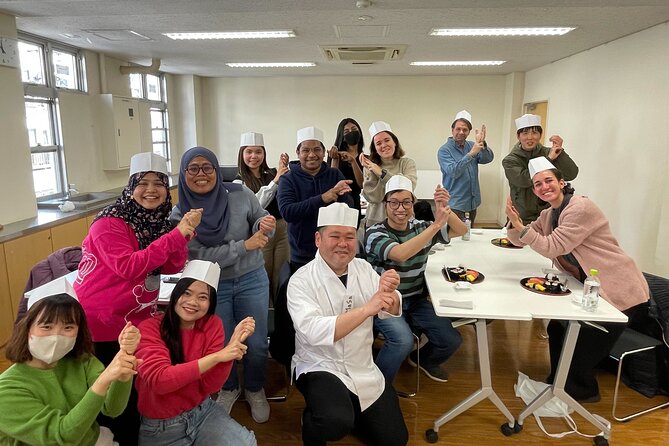
- Group size up to 20, which keeps the class from feeling rushed
- Sushi lunch included, so you leave fed with photos and skills you can reuse
Tsukiji in One Hour 30: Why This Class Fits Real Tokyo Days
If your Tokyo schedule is packed, this kind of sushi workshop is a smart fit. You get the full arc, watch a pro start with fish preparation, learn the rice and shaping workflow, then make your own sushi and eat it. The whole thing runs about 1 hour 30 minutes, and it ends back at the meeting point.
Tsukiji also helps. Even if you have never walked through a fish market before, you’ll feel the rhythm right away. The class is set in the Tsukiji area, in a hidden local building, which means you’re not only learning sushi. You’re learning the vibe and the place where it all comes from.
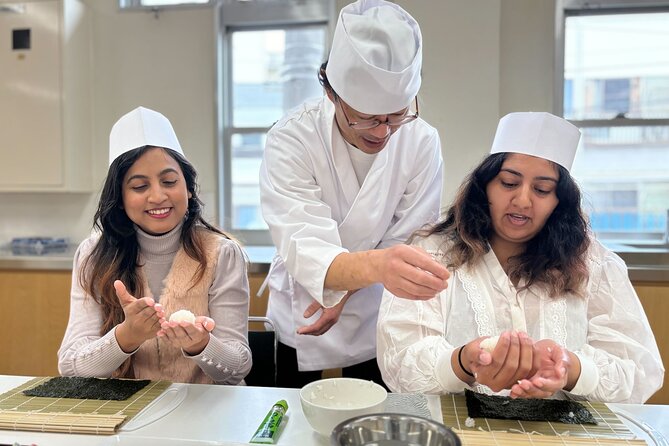
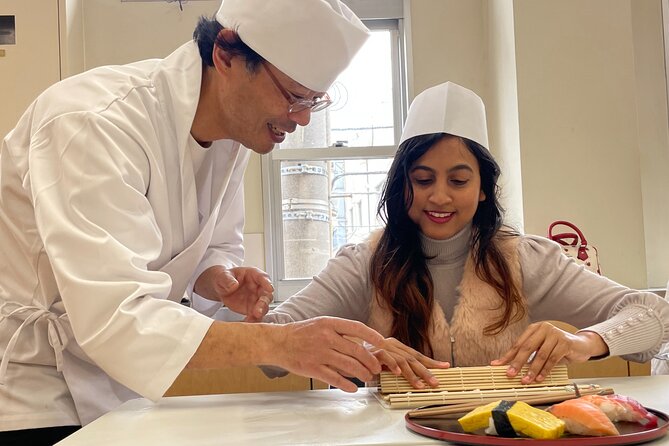
Another plus is how you’re taught. This is not a vague cooking show where you watch and hope for the best. You have a friendly English speaking host alongside a professional chef. Many groups get a translator-style assistant too, and that matters because small details like rice pressure, knife angles, and how to place fish can be hard to guess if you miss a cue.
More Tokyo tours and experiences for the shortlist



Price and What You Really Get for Around $50
At about $49.74 per person, the value comes from two things: instruction and ingredients that would be expensive to source on your own. You’re paying for a short, guided, chef-led class that includes the sushi lunch.
Here’s what’s included that makes the price feel fair:
- The sushi you make: 5 different nigiri and 1 rolled sushi
- Fresh ingredients and utensils sourced from the market area
- English host and professional sushi master support throughout
Also, you’re capped at a maximum of 20 travelers. In a small group, you’re more likely to get hands-on help rather than standing in line waiting your turn. That’s where sushi classes can win or lose for first-timers.
Finding the Third-Floor Classroom in Tsukiji
Your meeting point is at 千社額棟4-chōme-16-2 Tsukiji, Chuo City, Tokyo 104-0045, Japan. The experience ends back at the meeting point, so you’re not stuck figuring out a second location when you’re hungry and your feet are tired.
The classroom is inside a Japanese-style building, in a hidden local spot within the Tsukiji area. It is on the third floor, and the important practical detail is that it’s stairs only. If you’re traveling with kids, strollers, or anyone who struggles with stairs, plan accordingly.
Good news: it’s near public transportation. So even if you’re not staying in the Tsukiji neighborhood, you can still get here without turning the day into a long transit puzzle.
The Class Flow: Fish Prep, Knife Talk, Then Your Sushi
This workshop moves in stages, and that pacing is one reason so many people leave feeling confident instead of confused.
Step 1: Watch fish prep and learn the logic behind it
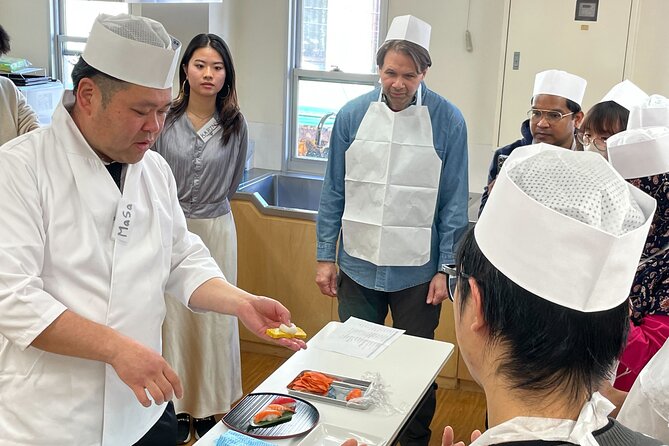
You start with a fish disassembly show by the sushi chef. It’s not only impressive. It’s instructional. You see the steps used to prepare fish for sushi, and you also hear about Japanese knives. Even if you never plan to cut fish like a professional, knife handling and clean prep habits are part of how sushi quality happens.
Many classes also help set expectations here. The chef’s explanation can make it easier to understand why the rest of the session has such tight focus on accuracy and consistency.






Step 2: Learn what sushi is, then how nigiri and rolled sushi work
Next, you’re taught about what sushi is in practical terms, then guided through proper steps for nigiri and rolled sushi. The chef supports you step by step, and you’ll use utensils and tableware that are provided by local shops.
This matters because sushi techniques depend on tiny “feel” moments. Where your fingers rest, how much pressure you use, and how you position the fish are hard to learn from a single pass. A host and sushi master team helps bridge the gap, especially for people who are new to Japanese cooking.
Step 3: Make it, then eat it
Finally, the tasty part. You enjoy your sushi while the sushi master prepares another plate. Wasabi is prepared fresh and served with care, and that’s an important detail in Japan where everything from freshness to texture is part of the experience.
And yes, you’ll have your own handmade pieces to take in, which is often the difference between a class that feels like a demo and one that feels like you learned a real skill.
What You Actually Make: 5 Nigiri and 1 Roll
The included menu is specific, and that specificity is a big deal. You’re not just making one roll and calling it a day.
You’ll make:
- 5 different nigiri
- 1 rolled sushi
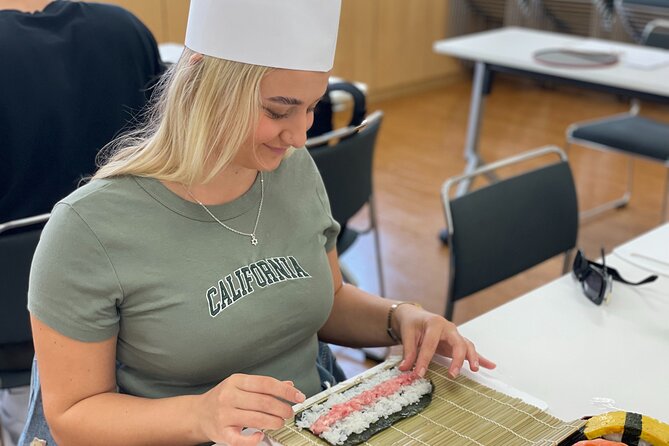
Nigiri is the shaped rice plus fish pairing, where balance and placement matter. Rolled sushi is the teamwork of rice, fillings, rolling technique, and clean slicing.
A lot of first-timers walk in thinking they just want to eat sushi. After the class, they usually appreciate the method behind it. When you shape nigiri yourself, you understand why sushi feels delicate but precise. When you roll maki, you understand why good rolls look neat and cut clean.
Even if your first attempt is not perfect, the chef and staff help you correct as you go. That support is a repeated theme in the class feedback, with guides like Yuko, Yugo, Miky, Emma, AJ, Eri, Nao, Yoko, Kanon, and Kate being named as part of the English support and teaching team.
Tsukiji Stops: What the Market Route Adds
This experience includes stops connected to Tsukiji:
- Tsukiji Fish Market
- Tsukiji Jogai Market
- Tsukiji Nippon Fish Port Market
You’re not getting a full, all-day market tour. Instead, you get a practical flavor of the place where sushi ingredients come from. The value is in context. After you see the fish prep ideas in the classroom, it’s easier to appreciate why market access and freshness matter.
There’s also a psychological benefit: you’re not standing in a random street. You’re moving from one market area to another with a purpose tied to what you’ll learn and eat.
A small caution: market areas can be tight and crowded, depending on the time and day. Wear shoes you can stand in for a while, and keep your phone accessible for photos, because Tsukiji is camera-friendly even between the formal parts.
Knife Tips and the Wasabi Moment That Sticks
The two details people remember most often are the fish preparation technique and the knife talk, plus the final taste of what you made.
Knife basics you’ll actually use
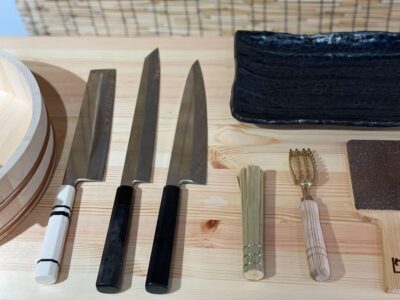
You’ll get an explanation about Japanese knives during the fish prep segment. Even if you do not have the exact tools at home, learning what the chef is aiming for can help you respect the process when you cook later.
The overall message is simple: sushi preparation is about clean cuts, proper handling, and consistency. Those principles matter for home cooking even when you switch ingredients.
Wasabi prepared fresh
You also get an expertly prepared wasabi served fresh. If you’ve only ever had wasabi paste from a tube, this is the kind of moment that changes your expectations. Fresh preparation affects aroma and bite, and it makes the meal feel more like restaurant sushi rather than a casual snack.
English Support That Keeps You From Falling Behind
One thing I always watch for in classes like this is language coverage. Sushi is not just cooking. It’s technique and timing.
This workshop is led by a friendly English speaking host, with a skilled sushi master in charge of the chef work. In many sessions, you’ll also have a dedicated translator or assistant role, and names like Yugo and Yoko show up in the teaching team. That kind of support helps because sushi involves small steps, and missing one step early can make the later shaping feel harder.
If you’re a solo traveler who wants a structured activity, this English support lowers the stress. If you’re traveling with kids or teens, it also helps keep everyone synced to the same instructions.
Who This Is Best For, and Who Might Prefer Another Option
This is a great match for:
- Beginners who want a short introduction and a clear outcome
- Sushi lovers who want to learn the basics behind nigiri and rolls
- Families with children who can handle instructions and stairs
- Anyone who wants Tsukiji context without a full market day
It may be less ideal if:
- You need an option without stairs, because the class is on the third floor with only stairs
- You have dietary needs that can’t be accommodated. The class asks you to let them know about allergies when you reserve, but they do not accommodate kosher requests, and they also do not accommodate halal requests
Also, it’s designed for a group max of 20. If you’re hoping for a private, one-on-one experience, you might want a different format.
Quick Practical Tips for Tsukiji and Sushi-Making Day
A few practical things can make your visit easier:
- Eat beforehand, or at least don’t arrive stuffed. The sushi lunch is included, and you’ll likely want a comfortably hungry stomach for rolling and shaping.
- Wear good walking shoes. Tsukiji is a walking experience, plus you’ll be on your feet during market stops.
- Expect a tight schedule. It’s about 90 minutes, so you’ll want to arrive on time at the meeting point.
- Bring allergy info clearly. If you have allergies, let the organizers know during reservation, because the class provides fresh ingredients and they try to accommodate where possible.
- Plan around stairs. If you are unsure, you may want to message the provider before booking.
Should You Book This Tsukiji Sushi Making Class?
I’d book it if you want a high-value, hands-on sushi skill in a short window, with market context built in. The included sushi lunch, the specific 5 nigiri plus 1 roll structure, and the strong English support all point to a class that works for beginners.
It is not for you if stairs are a dealbreaker, or if you need halal or kosher accommodations. Beyond that, it’s hard to beat the practicality of this setup: pro fish prep demo, chef-led technique, you make the food, then you eat it right there in Tsukiji territory.
If you’re doing Tokyo for the first time and you love food activities that feel real, this is the kind of class that can turn into a story you retell for years, because you made the sushi with your own hands.
More Workshops & Classes in Tokyo

More Tour Reviews in Tokyo
Not for you? Here's more nearby things to do in Tokyo we have reviewed












Tsukiji Market Tours, side by side.
 ★ 5.0Tokyo Tsukiji Fish Market Food and Culture Walking TourFrom $993,184 reviews
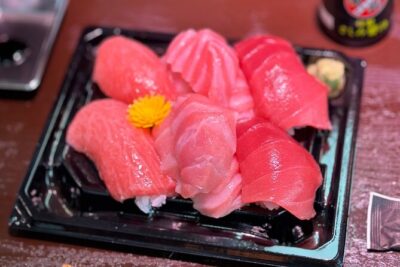 ★ 5.0Tsukiji Fish Market Food and Walking tourFrom $301,724 reviews
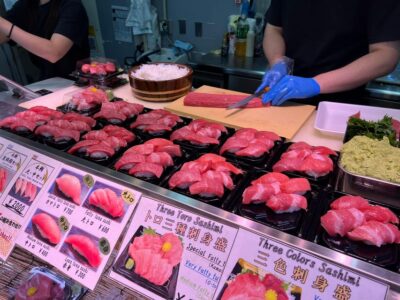 ★ 4.9Tsukiji Fish Market Guided Walking TourFrom $221,397 reviews
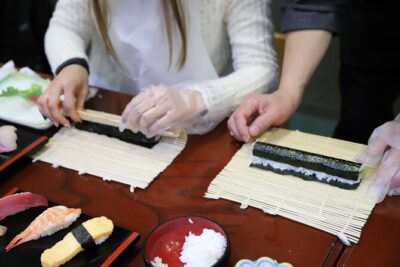 ★ 5.0Tsukiji Fish Market Guided Tour and Sushi Making with Pro ChefFrom $104775 reviews
★ 4.7Tsukiji Fish Market Food and Culture Walking TourFrom $96757 reviews
★ 5.0Tsukiji Fish Market Guided Tour and Sushi Making with Pro ChefFrom $104775 reviews
★ 4.7Tsukiji Fish Market Food and Culture Walking TourFrom $96757 reviews
 ★ 5.0Tsukiji Fish Market: Street Food & Culture Walking TourFrom $33669 reviews
 ★ 5.0Tsukiji Fish Market Small-Group Food Walking TourFrom $87621 reviews
 ★ 4.9Tsukiji Fish Market Sushi Making Class with Pro ChefFrom $63506 reviews
This tour also belongs to