
Review · TSUKIJI MARKET TOURS
Tokyo: Tsukiji Fish Market Sushi Making Class with Pro Chef
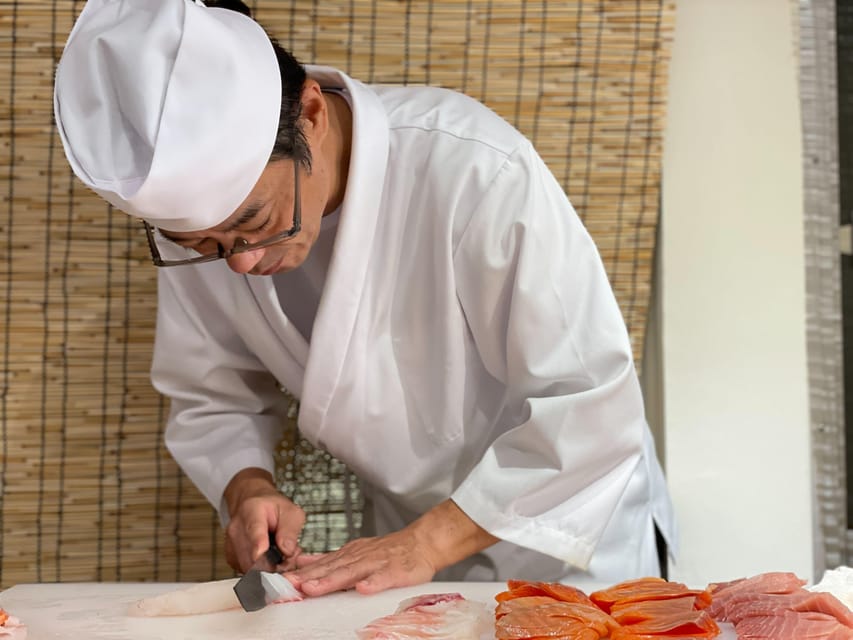
Tsukiji turns sushi into a real craft. I love the way the pro sushi master starts with a fish disassembly show and knife talk, like Chef Tanaka does in some sessions, so you understand what good sushi begins with. I also love that you’ll make nigiri and maki with fresh ingredients sourced from Tsukiji, using proper utensils and tableware instead of a toy-like kit.
One watch-out: the classroom is on the third floor with stairs only, so plan accordingly if stairs are a problem for you.
Key things to know before you go
- Fish prep and knives first: You get a real sense of how sushi-ready fish is handled before rice ever comes out.
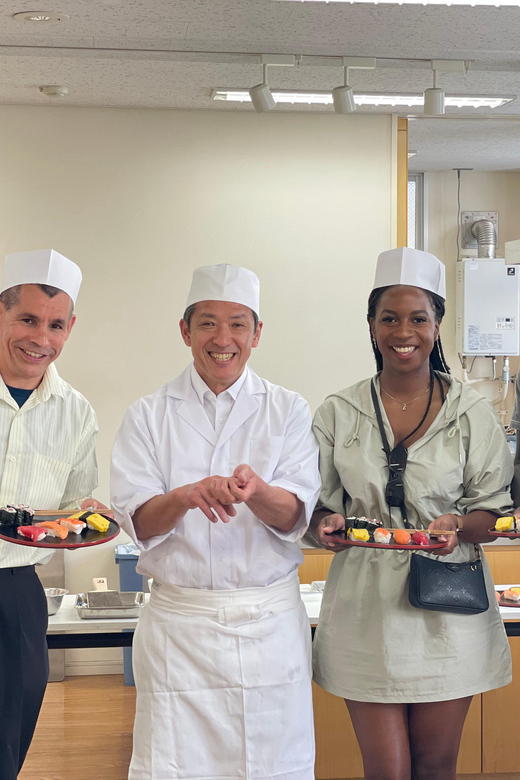
- You make 5 pieces: 4 different nigiri plus 1 maki, plus extra sushi made by the chef.
- You eat with classic pairings: Traditional dashi soup and finest green tea come alongside what you make.
- Fresh wasabi, made by the master: You’ll see the speed and precision up close while you taste.
- English support throughout: An English-speaking host like Satoko or Yuko keeps things clear and moving.
- Stairs only at the classroom: Third-floor walk-up, so it is not ideal for mobility limits.
Tsukiji as Your Sushi Classroom
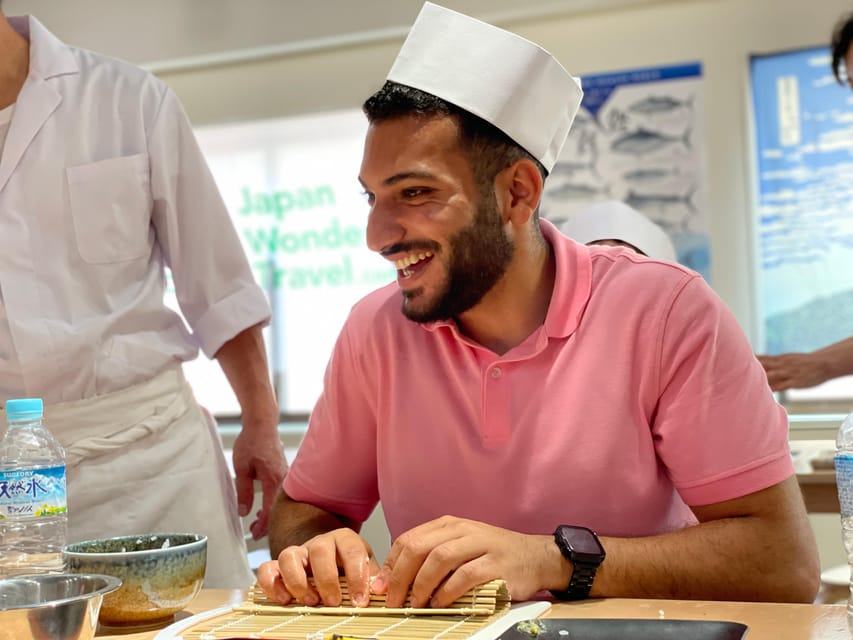
If Tokyo has a place where sushi stops being a restaurant product and becomes a working craft, it is Tsukiji. This class is set in the outer fish market area, so you are learning at the source, surrounded by the rhythms of the market.
What makes this experience work well is that it is not just “watch and eat.” You learn the steps, you handle the tools, and you build the pieces. That changes everything, because sushi is about technique, not vibes.
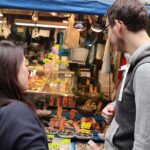
You will likely spend time around the market before or after your class since the venue sits right in the market center. That means you can also shop a little, take photos, and get your bearings without feeling rushed. The classroom itself is a classic Japanese-style room in a hidden local building, not a modern demo space.
The overall tone is practical. People like Chef Tanaka, Chef Kate, and sushi masters such as Kana show up with a steady, teacher energy. The English-speaking host, including folks like Satoko or Yuko, keeps the flow easy to follow so you can focus on what matters.
Fish Disassembly and Knife Skills Before Rice
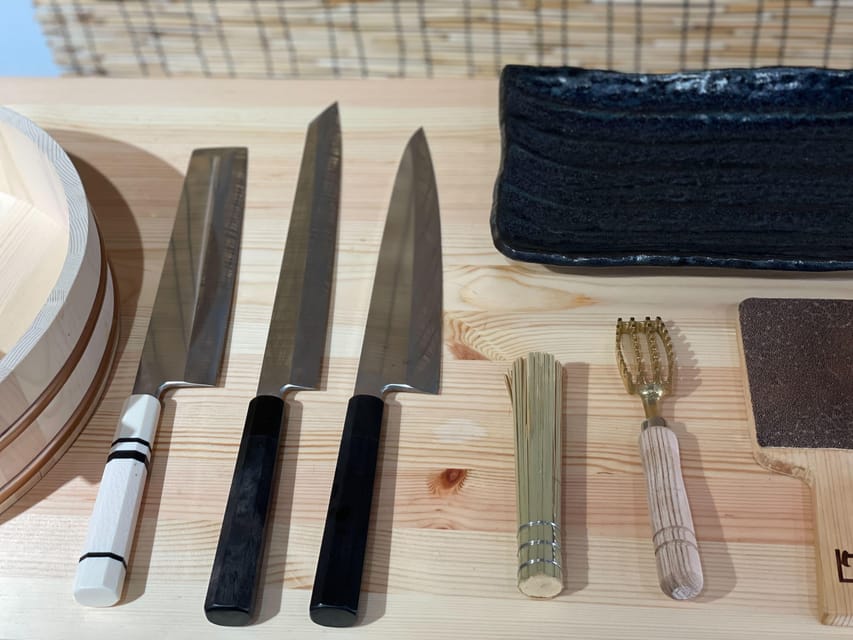
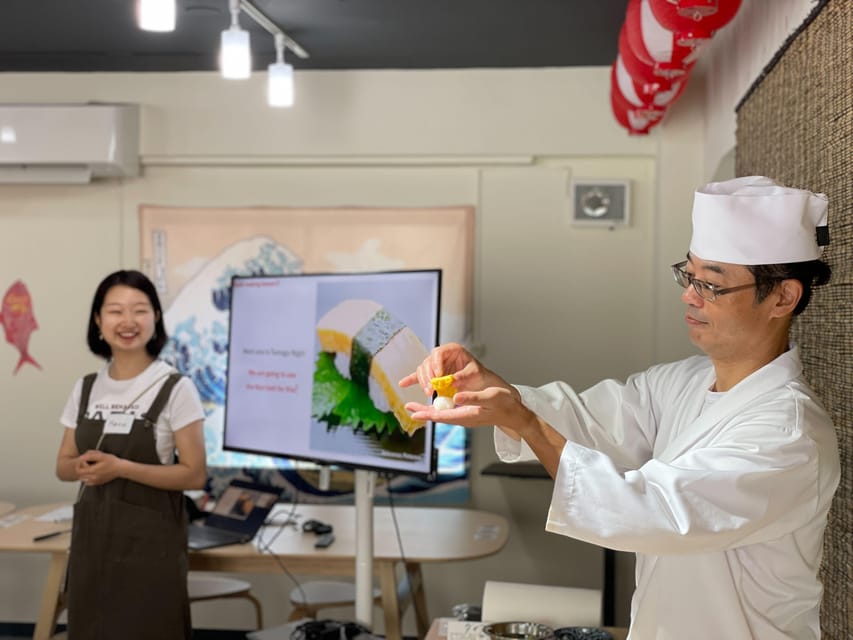
The lesson starts where it should: with the fish. Before you shape anything, the pro chef shows disassembly and explains key steps for preparing fish for sushi. It is hands-on in the sense that you get to see the logic behind the cuts, not just the final platter.
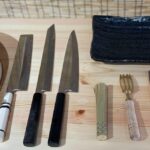
You will also get a knife education. This is one of those details that sounds small until you understand it. Sushi depends on clean cuts and consistent shape, and Japanese knives are built for that work. Even if you never buy a knife after the class, you leave with a better eye for what you are supposed to notice when you order nigiri.
In several sessions, the chefs stay engaging and break things down in a way that beginners can follow. One big theme that comes through is respect for the ingredient. You are learning why the preparation matters, not memorizing a trick.
One more useful thing here is that you see the pace of a sushi master. Watching how quickly the chef works, how they handle the fish, and how they manage tools helps you understand why good sushi tastes clean and balanced. It is not only about seasoning. It is about structure.
You can also read our reviews of more shopping tours in Tokyo

Hands-On Nigiri and Maki: What You Actually Learn
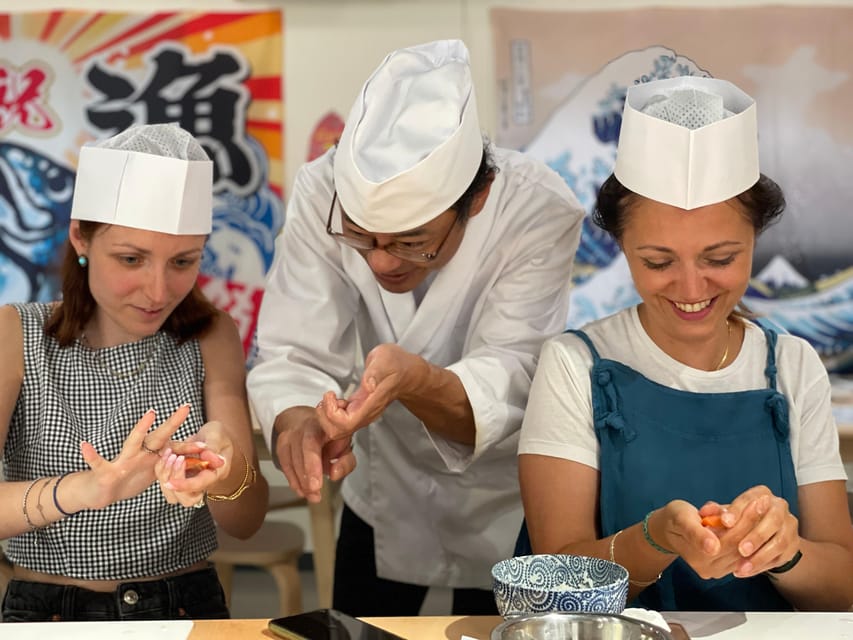
Once the setup is done, you switch from observing to doing. The class teaches you what exactly sushi is, then guides you through making proper nigiri and rolled sushi.
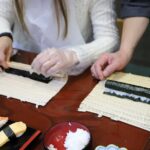
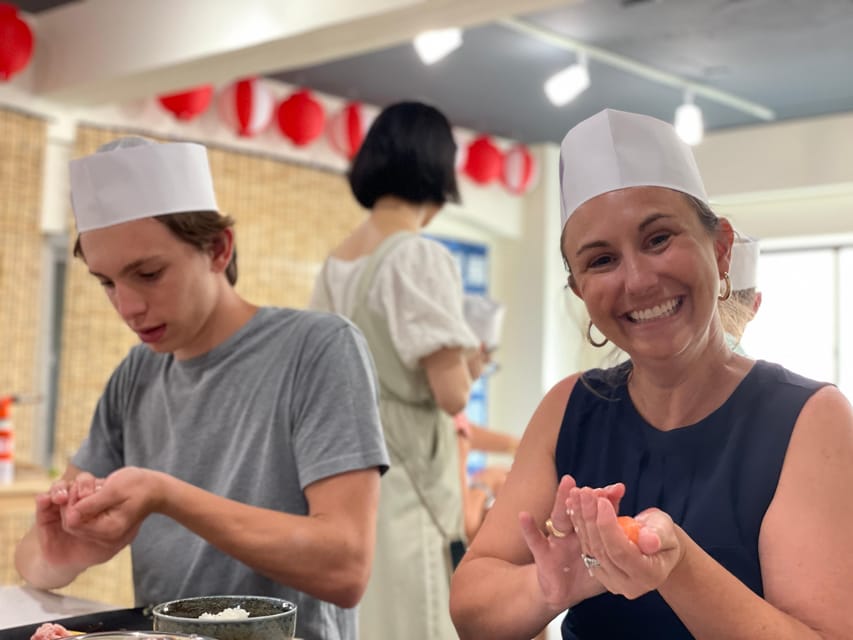
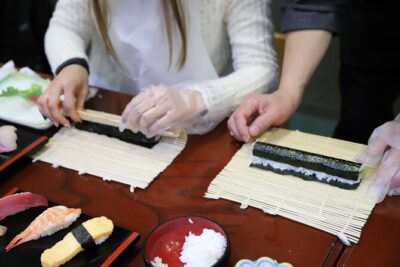
You will produce your own set: 4 different nigiri and 1 maki. That matters, because nigiri and maki are not the same skill set. Nigiri is about rice placement and shape, then topping handling. Maki is about roll control, tightening, and clean slicing. Doing both gives you a fuller picture of sushi craft.
The sushi master teaches step by step while your English-speaking host helps translate and confirm you are on the right track. People often mention how patient the staff is and how there is time to ask questions. For a first attempt at home, that guidance is gold.
You should also expect a bit of extra chef work. Your sushi master will make additional sushi, which gives you a benchmark for what your pieces should look and taste like. And yes, some chefs also show sashimi-type prep moments through fish handling and knife work, even if your final plate focuses on nigiri and maki.
Here is the best way to use the class. Treat it like a skills lab, not a show. When the chef corrects your rice or topping placement, that is your real lesson. You are not just learning how to make one roll. You are training your hands to match professional standards.
Utensils, Tableware, and the Tiny Details That Matter
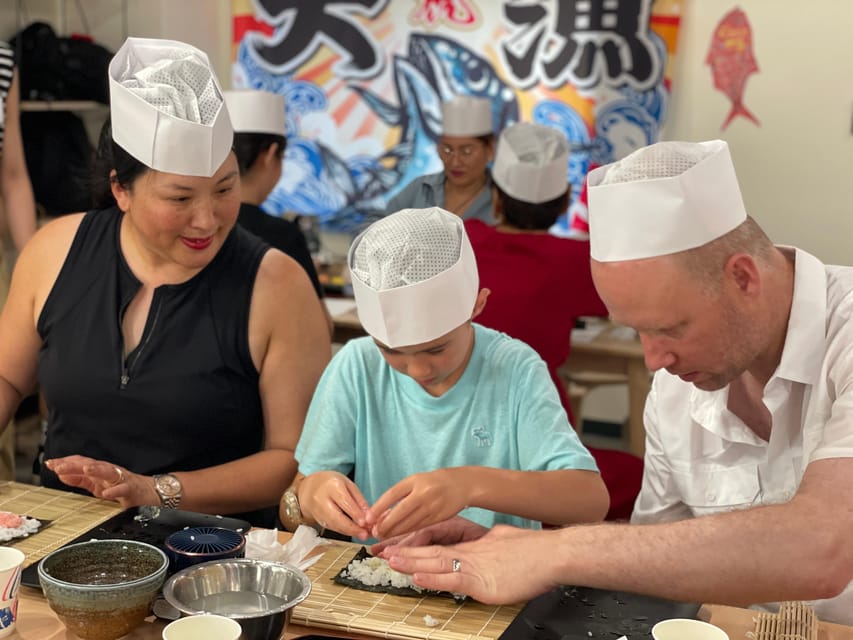
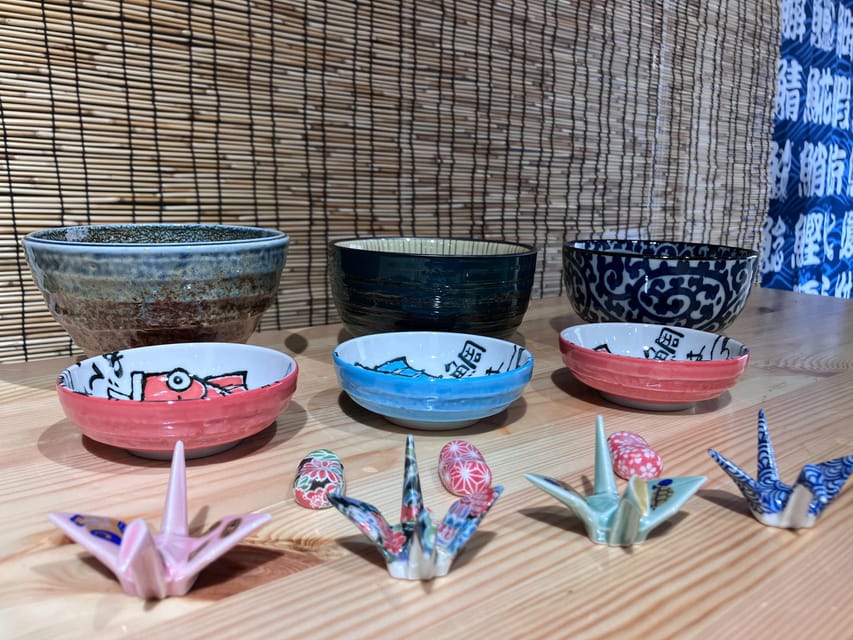
This workshop leans into the small things that separate good technique from “close enough.” Proper utensils and tableware are provided, and they are part of why the class feels authentic.
The seating and table setup also matter. Sushi is eaten differently than many Western meals, and the tools influence how you hold, dip, and taste. You learn the intended style, not the substitute style.
You are also given a hat. It sounds simple, but it helps you feel like you are stepping into the chef workspace mindset. That shift makes it easier to focus during the busy parts.
One practical advantage for photos: the setting makes it easier to capture your work in a respectful, calm space. You are not doing this in a crowded storefront line. It is a real classroom atmosphere, which helps the experience feel less chaotic.
If you are the type who likes to bring skills home, this part is the bridge. When you later eat sushi in Tokyo or at home, you will notice the shape consistency, how the rice holds together, and how the topping is placed with intent.
Eating Your Sushi With Dashi, Green Tea, and Fresh Wasabi
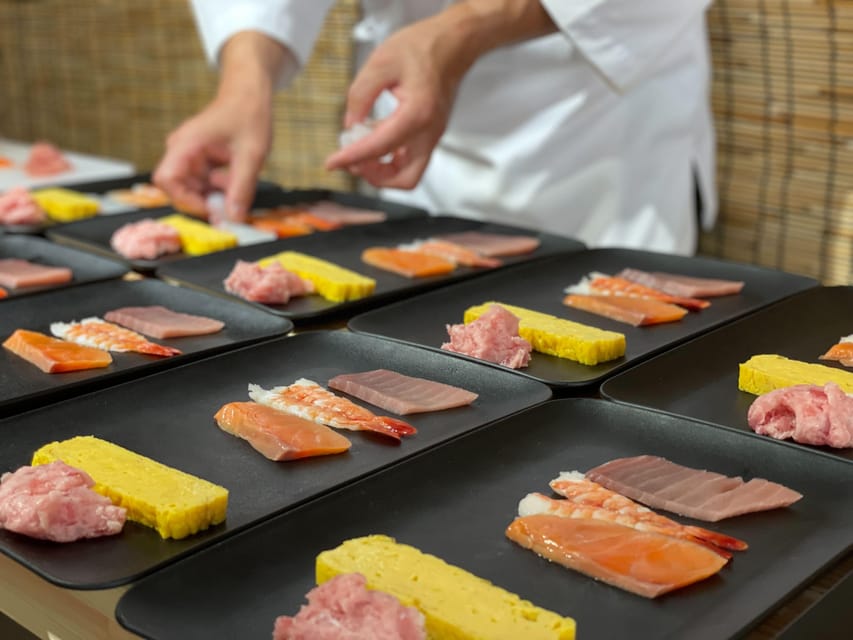
After you build your pieces, it is time to eat them properly. Your plate includes what you make, plus additional sushi prepared by the master. That combination is helpful because you get to compare your learning outcome with the chef’s baseline.
The chef also prepares wasabi. The wasabi is described as fresh as can be, and watching the speed and precision helps you understand why it is more than a condiment. It is part of the balance.
Food pairings are included, too: traditional dashi soup and green tea. This is not just a random add-on. Dashi clears the palate and shows you how Japanese flavor layers work. Green tea rounds out the tasting and keeps everything from feeling heavy.
Depending on the session, you may also experience a short cultural moment before eating, like a blessing. It is quick, not dramatic, but it reinforces the respect-for-ingredients theme that runs through the whole class.
One small reality check: this is not an all-you-can-eat meal. You do get what you make plus extra from the chef, but the class is designed around technique and tasting, not endless portions. That is actually part of the value, because it keeps the focus on quality and instruction.
How Long It Takes and How to Plan Your Timing in Tsukiji
Duration runs from about 90 minutes to 4 hours depending on the option and timing. That wide range is normal for cooking classes, because groups, pacing, and question time affect the finish.
For planning, treat the class as a real anchor activity. Pick a slot earlier in the day if you want energy, because knife and fish prep takes focus. If you schedule right after, build in buffer time for the walk to your next stop.
Also remember the location is inside the Tsukiji outer market area. Even if you plan to explore, do not assume you will breeze through everything. The market has its own rhythm, and the class will pull you back to the tools and the lesson.
In terms of logistics, there is no hotel pickup or drop-off included. You will be navigating on your own to the meeting point, which may vary depending on the option you choose.
The best strategy is simple: arrive a little early so you can settle in, then after the class, use the market area while it is still part of your day. Tsukiji is at its best when you stay curious, not when you only rush through.
More Tokyo tours and experiences for the shortlist
Who This Class Fits, and Who Should Skip It
This is family-friendly in the sense that it includes children at older ages, but it is not a kid-escape playground. Children under 4 years are not suitable. Also, the stairs-only classroom on the third floor can be a big limiting factor for strollers, tired toddlers, or anyone with mobility concerns.
Food restrictions are also important. The class does not accommodate vegetarian, vegan, halal, or Kosher gluten-free requests. Allergy-related requests are something you should mention when booking, but the data also notes that accommodation may not be possible.
So who is it perfect for? Sushi lovers who want to understand how sushi is built, not just what it tastes like. It is also great for beginners because step-by-step teaching and English support help you avoid feeling lost.
If you are the kind of person who normally avoids raw fish, you might still enjoy this. The class is set up so you learn through process, and people have noted that they came in not normally eating raw fish and still left happy. Still, if you personally avoid raw fish completely, plan carefully with your own comfort level.
This class also suits solo travelers. Many people book it as a small-group hands-on activity where you can ask questions and get feedback without waiting your turn forever.
Price: Is $63 Good Value?
At $63 per person, this is priced like a serious small-class workshop, not like a casual food tour. The value comes from a few concrete things you cannot easily replicate on your own.
First, you get instruction from a professional sushi master. That is the heart of the cost. Second, you get fresh ingredients from Tsukiji and proper utensils and tableware, which are provided for the session. Third, you eat what you make, plus extra sushi and classic pairings like dashi soup and green tea.
If you compare that to buying sushi ingredients at retail and trying to “DIY” without proper tools or coaching, it starts to make sense. Sushi technique is hard to learn from a video. Here, you get corrections as you go.
The duration can extend to 4 hours, depending on the option, which usually means more hands-on time and more guided learning. If you can choose a longer session, it can be the better value when it comes to learning depth.
Finally, you are paying for authenticity in the setting. Learning sushi in the Tsukiji market area helps the lesson land. You are not just learning food prep, you are learning the culture around the work.
Should You Book This Tsukiji Sushi-Making Class?
If you want a sushi class that respects technique, this is a strong choice. I like how it starts with fish prep and knives, then moves into real hands-on nigiri and maki you can actually repeat at home. The English host support, plus the pro chef instruction, makes it beginner-friendly without turning it into a watered-down demo.
You should book if you:
- Want to learn sushi as a craft, not just as a meal
- Are comfortable eating the kind of ingredients used in traditional sushi
- Can handle a third-floor, stairs-only classroom
You might skip it if you:
- Need vegetarian, vegan, halal, or Kosher gluten-free options (these are not accommodated)
- Have mobility limits that make stairs difficult
- Want a long sightseeing tour instead of a skill-focused workshop
FAQ
Is this class in Tsukiji, Tokyo?
Yes. It takes place in the Tsukiji area, with the classroom located in the outer fish market vicinity.
How long is the sushi making class?
It runs from 90 minutes up to 4 hours, depending on the option and starting time.
What will I make and eat?
You make 4 different nigiri sushi and 1 maki sushi. You also get additional sushi made by the sushi master, plus tea and soup.
Do I get utensils and tableware?
Yes. Proper utensils and tableware are provided for the workshop.
Is the class taught in English?
Yes. The instructor and support are provided in English.
Where is the classroom located?
The classroom is on the third floor in a traditional Japanese-style building, and it is stairs only.
Is it suitable for young children?
Children under 4 years are not suitable.
Can they accommodate vegetarian or vegan meals?
No. Vegetarian and vegan requests are not accommodated.
Is hotel pickup included?
No. Hotel pickup and drop-off are not included. You’ll use the meeting point provided for your option.
More Markets in Tokyo
More Shopping Tours in Tokyo
More Tour Reviews in Tokyo






Not for you? Here's more nearby things to do in Tokyo we have reviewed












Tsukiji Market Tours, side by side.
 ★ 5.0Tokyo Tsukiji Fish Market Food and Culture Walking TourFrom $993,184 reviews
 ★ 5.0Tsukiji Fish Market Food and Walking tourFrom $301,724 reviews
 ★ 4.9Tsukiji Fish Market Guided Walking TourFrom $221,397 reviews
 ★ 5.0Tokyo Sushi Making Class in Tsukiji with Professional ChefFrom $491,177 reviews
 ★ 5.0Tsukiji Fish Market Guided Tour and Sushi Making with Pro ChefFrom $104775 reviews
★ 4.7Tsukiji Fish Market Food and Culture Walking TourFrom $96757 reviews
★ 5.0Tsukiji Fish Market Guided Tour and Sushi Making with Pro ChefFrom $104775 reviews
★ 4.7Tsukiji Fish Market Food and Culture Walking TourFrom $96757 reviews
 ★ 5.0Tsukiji Fish Market: Street Food & Culture Walking TourFrom $33669 reviews
 ★ 5.0Tsukiji Fish Market Small-Group Food Walking TourFrom $87621 reviews
This tour also belongs to