
Review · TOKYO SUSHI CLASSES
Tokyo: Sushi Making Class in a Happi Coat near a Famous Spot
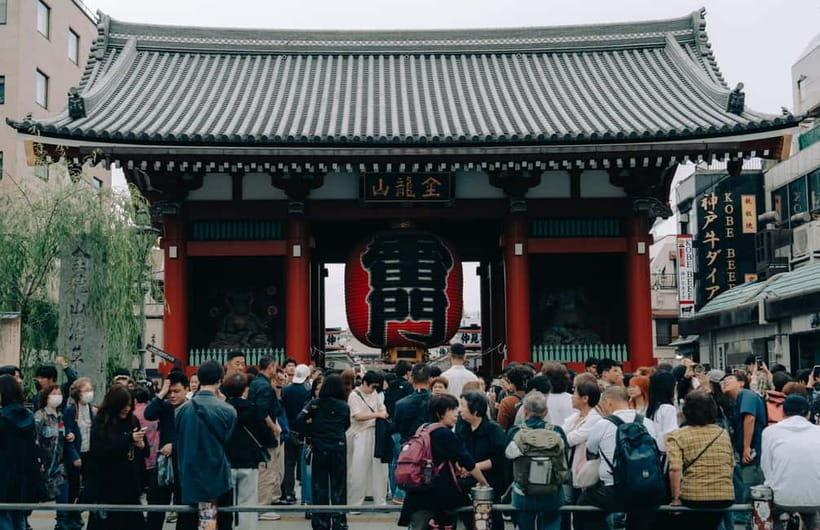
Sushi becomes hands-on in Tokyo. In 90 minutes, you’ll shape nigiri yourself, tuna and salmon included, while wearing a traditional happi coat near a famous landmark. It is one of those simple-sounding activities that turns into a skill you can actually use later.
I love that this is true chef-led instruction. You’re not just watching, you’re rolling up your sleeves and making sushi from scratch with an instructor who speaks English and Japanese, and who keeps things fun, sometimes with humor from chefs like Hide or Mikoto. I also like that the class ends with you eating what you made, and the portion tends to be generous enough to feel like a proper lunch.
One thing to consider: depending on how busy the venue is, you may be seated with other customers, so it can feel less private than a one-on-one lesson. Also, the meeting point can vary by option booked, so check details closely before you go.
Key highlights worth circling
- Beginner-friendly nigiri practice with tuna and salmon, taught step by step
- Happi coat participation, plus plenty of photo-friendly costume energy
- Hands-on cooking time, not a quick demo followed by nothing
- A filling meal, since you eat the sushi you craft
- Dietary flexibility if you message ahead for vegetarian, vegan, or gluten-free needs
- English support plus clear guidance, with many instructors praised for patience
Nigiri Sushi Lessons That Actually Teach You Something
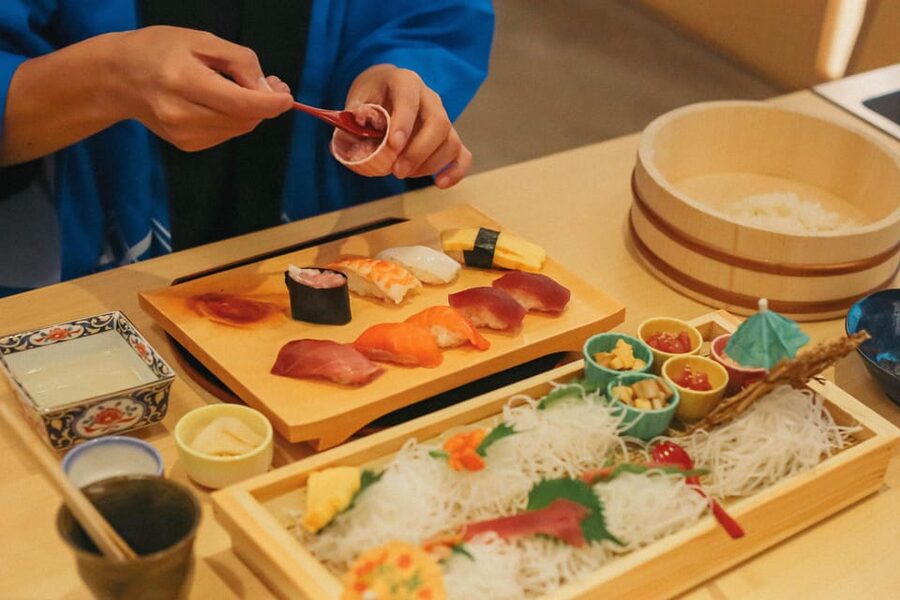
Tokyo has sushi everywhere, but learning how sushi comes together is a different experience. This class focuses on nigiri, the classic style where fish sits on seasoned rice. That is great for beginners, because once you learn the basic rhythm, it is easier to repeat at home than more complicated restaurant-style work.
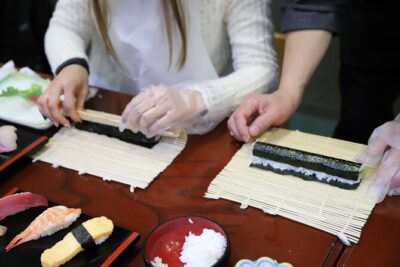
You start with guidance on making sushi from scratch, then you get your hands on the process. The best part is that nigiri is very tactile. You learn how the rice should feel in your hands, how the fish is handled, and how to assemble without making it look like a kitchen disaster.
Also, you’re using popular ingredients like tuna and salmon, which means your final product feels very relevant. You’re not practicing with something obscure just to tick a box. You end up with recognizable flavors you can chase later when you buy ingredients back home.
More Tokyo tours and experiences for the shortlist



The Happi Coat Part Feels Silly, Until It Makes Sense
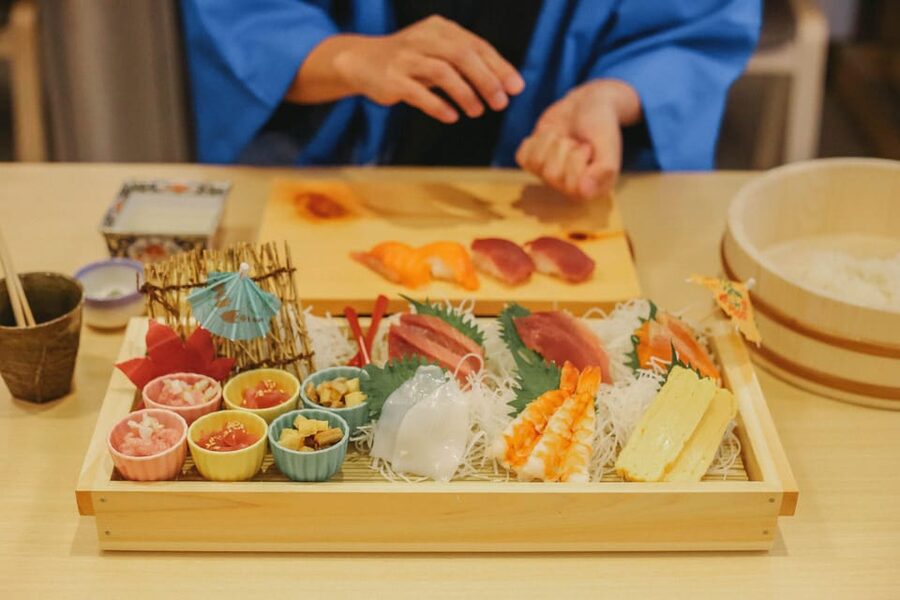
The happi coat is the moment people remember. It is a traditional tube-sleeved Japanese chef coat, and wearing it makes the whole lesson feel like a role, not a tourist activity. Expect that you’ll look the part first, then start acting the part once the instructor has you working.
What surprised me about this kind of experience is how much it helps you stay focused. When you are dressed for the job, you feel more committed to doing the steps right. Plus, it naturally leads to photo moments. Many people in the experience mention taking pictures in the outfits and props, so you are likely to get that fun keepsake energy without needing to orchestrate anything.
The class setup is also designed to be welcoming. Even if you’ve never held a sushi rice paddle or handled fish at home, the coat and the format make it feel less intimidating and more like a workshop.
How Your 90 Minutes Break Down (And What You Do)
This is a tight 90-minute session, so you’ll move through it in a focused way. You begin with instruction, then you switch to making. That structure matters, because sushi skills are learned by repetition, not by watching someone do it once.
In the practical portion, you’ll learn and practice making nigiri yourself using tuna and salmon. The instructor guides you along the way, and you get to ask questions as you go. This is where the class becomes more than a snack. You’re building muscle memory for assembly, portioning, and the small details that make the pieces look right.
At the end, you eat what you made. This is not a tiny taste. People describe the portion as more than enough to feel full, which turns the class into a meal you can plan around.
One timing note for your day: since the meeting point may vary, you’ll want to arrive with a little buffer time so you can settle in and start on time.
Tuna, Salmon, and the Taste Gap Between Practice and Delivery
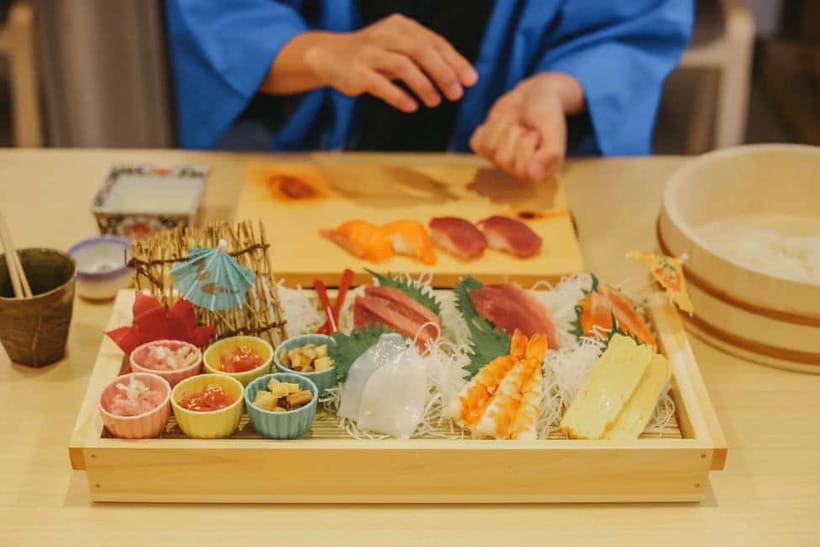
Sushi is one of those foods where freshness and handling matter, and this class leans into that. You’ll use tuna and salmon, and you’ll see how the fish and rice work together.
The rice is the foundation. Even if you’ve eaten sushi your whole life, learning rice handling and assembly from scratch changes how you notice flavor. Suddenly, you understand why rice matters as much as fish. You also learn why chefs are so careful about proportions. Too much rice, too much fish, or sloppy assembly, and it stops tasting balanced.
The ingredient experience also helps you judge sushi quality later when you’re eating on the street or in restaurants. You get a new reference point for what well-handled fish tastes like, and how the rice supports it rather than competing with it.
And yes, the final eating part matters. When you know you made it, the flavor hits differently, even if it is the same tuna and salmon you buy at the market.
Dietary Needs: What You Can and Cannot Wait On
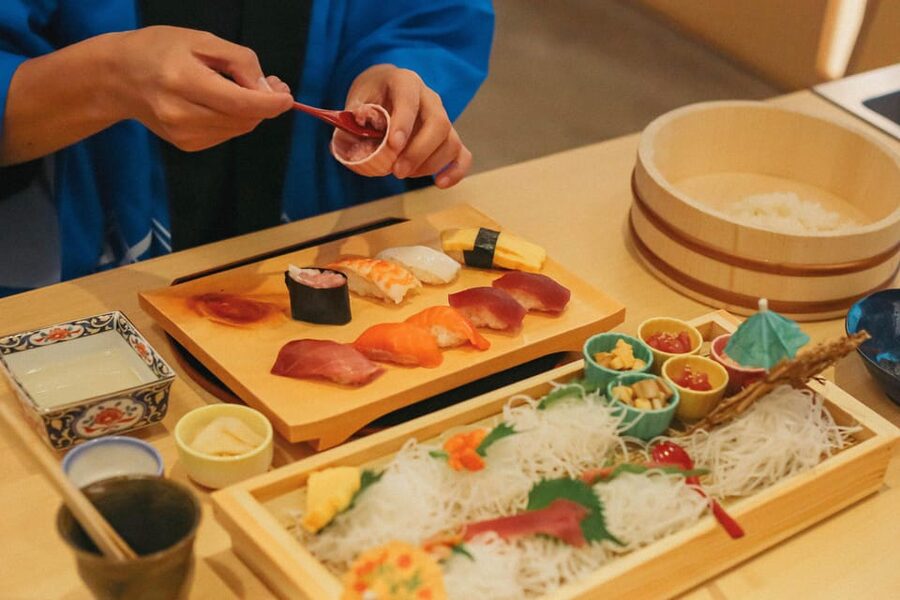
Good news for picky eaters: the class offers vegetarian, vegan, and gluten-free options, as long as you communicate ahead of time. The key line here is simple: if you want substitutions, message in advance rather than showing up and hoping.
Allergy handling is also something you should take seriously. The experience asks you to let them know about food allergies in advance by message. That matters because sushi can involve sauces or cross-contact issues, and you want your instructor and kitchen to plan correctly.
If you’re traveling with friends or family, this flexibility can be a lifesaver. It also makes the class feel more inclusive, since everyone can sit down to eat the sushi they made with the right ingredient plan.
If you have a complex allergy, I’d treat this like a must-follow requirement: confirm what is possible before the day so you’re not surprised.






Class Size, Seating, and How Comfortable It Feels
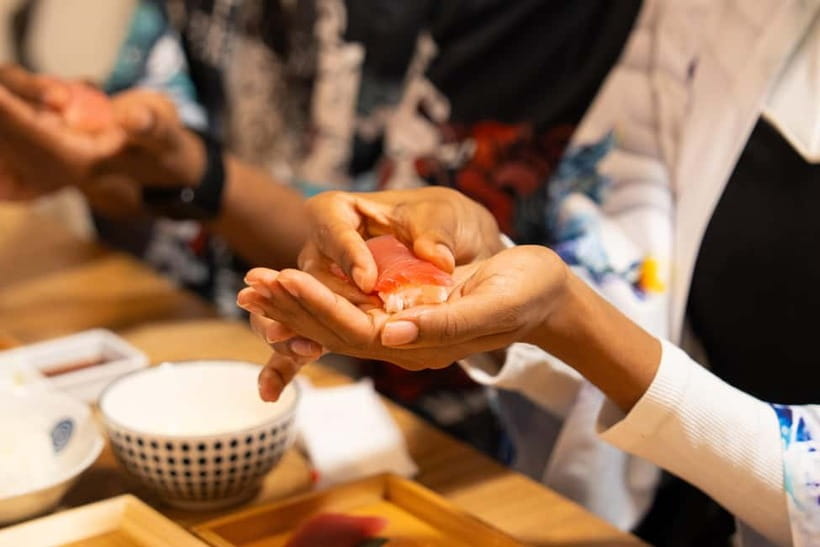
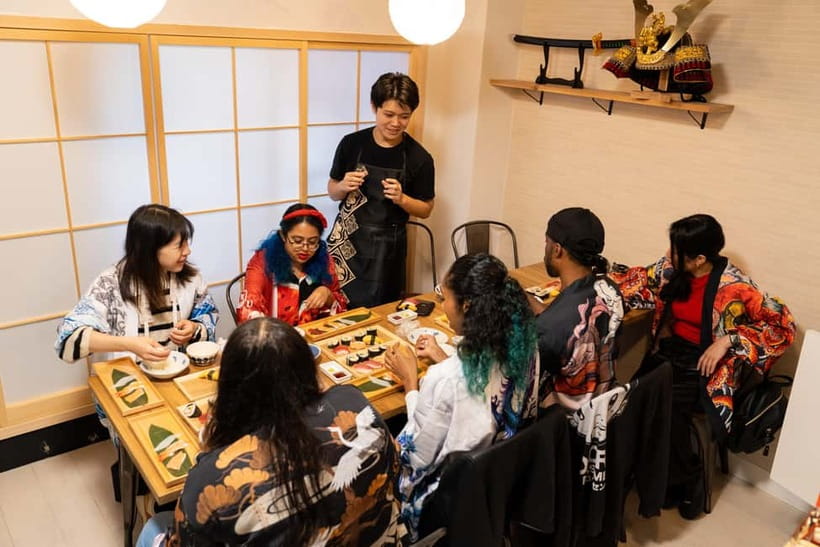
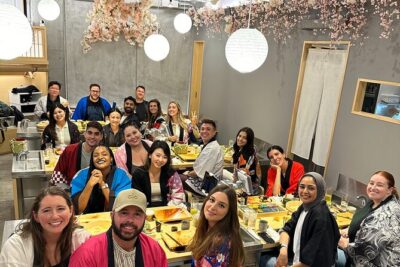
This isn’t a huge factory-style group where you stand in line and hope your turn comes. People describe the vibe as friendly and often quite personal, with instructors paying attention as you assemble pieces. In some cases, one host might work with a small cluster, which makes it easier to ask questions and get corrections.
That said, the experience also notes that depending on how busy the venue is, you may be seated with other customers. So if you’re hoping for a fully private lesson, understand that it can vary by time slot and attendance.
Language comfort is another strength. The instructors include English and Japanese, and many participants specifically mention clear English support. That means you can actually learn the why behind steps, not just memorize actions.
Bottom line: it feels like a workshop. You talk, you ask, and you leave with a skill you can repeat.
Where It Fits in Your Tokyo Day Near a Landmark

The location is described as being near a famous spot, which is exactly why this works as a day activity. After you make sushi, you’ll likely want to walk the surrounding area. People often pair it with time around temples, markets, or just casual neighborhood wandering.
Plan your route around the meeting point details, because meeting points can vary by option booked. Give yourself a little time buffer. Tokyo is easy to navigate, but you still want to avoid being rushed when you’ll be moving from street to studio.
This is also a strong choice if you’re trying to balance sightseeing with something hands-on. Tokyo can be heavy on walking and looking. This breaks the pattern by turning you into the maker.
Price and Value: Is $42 Worth It?
At $42 per person for a 90-minute class, the value comes from what you actually receive. You’re paying for a chef-led workshop, ingredients, and instruction, and the experience ends with you eating the sushi you make.
In other words, this is not just entertainment. It is a meal plus a practical skill lesson. People describe the food portion as generous, and that changes the economics. If you’d otherwise pay for a lunch and a separate activity, this gives you a combined deal.
Also, the small time commitment helps. Ninety minutes is short enough to fit into most itineraries without sacrificing a big block of your day. You get a meaningful experience without needing to schedule a half-day.
If you love food, want a break from museum mode, or enjoy learning by doing, this is priced in a way that feels fair for Tokyo.
Who Should Book This Sushi Making Class
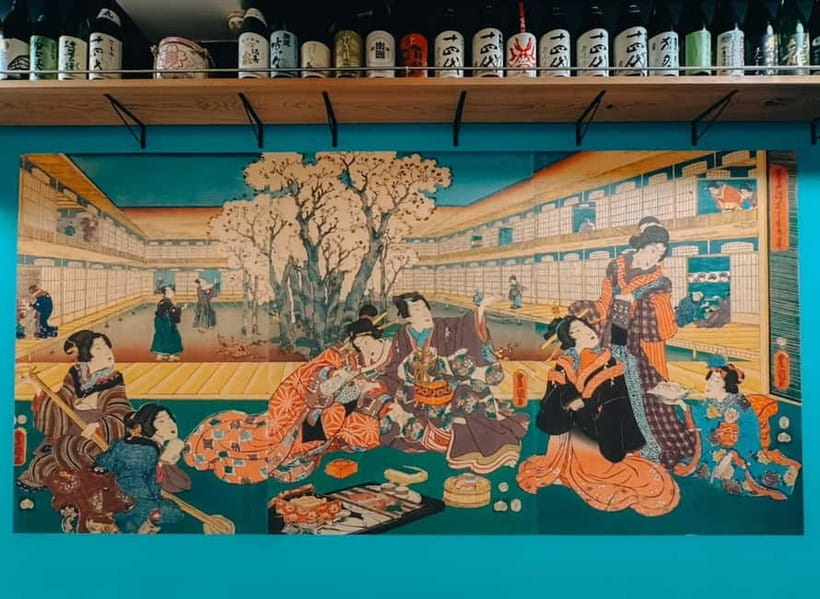
This is a great pick if you’re a beginner. The class is described as beginner-friendly, and the teaching style is built for learning real technique instead of relying on prior cooking experience.
It is also ideal for couples and friends. People mention doing it as a couple and having fun with a relaxed, personal feel. It also works well for families, with specific guidance that kids under 4 share a dish and those over 4 are charged.
If you care about dietary needs, book it if you can message your requirements in advance. The vegetarian, vegan, and gluten-free options make it more flexible than many food tours.
If you are the type who always buys sushi but never learns how it’s made, this class scratches that itch fast.
Should You Book This Tokyo Sushi Class?
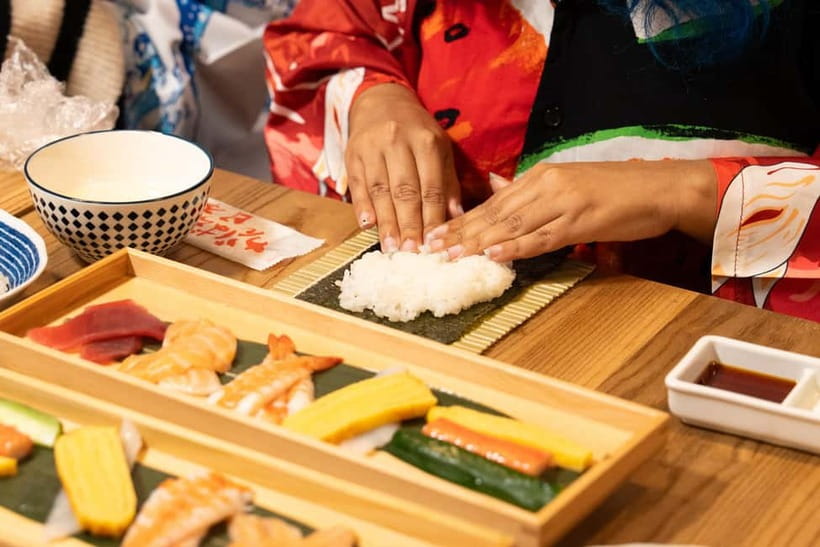
I’d book it if you want a hands-on Tokyo experience that ends with a satisfying lunch. The happi coat, the chef-led instruction, and the fact that you eat what you make are a winning combo. You also leave with a skill you can repeat, which makes it more memorable than a one-time tasting.
Just do two things to set yourself up for success: message any allergy or dietary needs ahead of time, and verify the meeting point for your specific option so you arrive calm.
If you want a cooking class that feels friendly, practical, and worth the time, this one fits the bill.
FAQ
What will I learn in this sushi making class?
You’ll learn to make nigiri sushi using popular ingredients like tuna and salmon. The class includes instruction and then time for you to make nigiri yourself.
How long is the class, and what does it include?
The class runs for 90 minutes and includes the cooking class, ingredients, and an instructor.
What language will the instructor speak?
The instructor speaks English and Japanese.
Can they accommodate vegetarian, vegan, or gluten-free diets?
Yes. Vegetarian, vegan, and gluten-free options are available, but you need to inform them in advance by message.
What about allergies?
You should let them know about any food allergies in advance by message. If you wait until the day of, they may not be able to accommodate changes.
Is there a cancellation policy?
You can cancel up to 24 hours in advance for a full refund.
More Workshops & Classes in Tokyo


More Tour Reviews in Tokyo
Not for you? Here's more nearby things to do in Tokyo we have reviewed












Tokyo Sushi Classes, side by side.
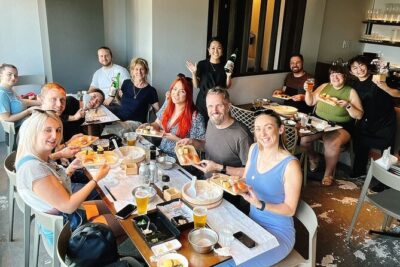 ★ 5.0Sushi Making Tokyo Roll and Authentic Japanese Sushi ClassFrom $593,971 reviews
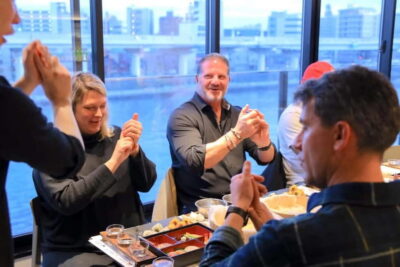 ★ 4.9Roll and Authentic Sushi Making Class in AsakusaFrom $581,957 reviews
 ★ 5.0Tokyo Sushi Making Class in Tsukiji with Professional ChefFrom $491,177 reviews
 ★ 5.0Tsukiji Fish Market Guided Tour and Sushi Making with Pro ChefFrom $104775 reviews
 ★ 4.9Tsukiji Fish Market Sushi Making Class with Pro ChefFrom $63506 reviews
 ★ 5.0Tokyo Tsukiji Fish Market Tour and Sushi Making LessonFrom $99390 reviews
 ★ 4.9Sushi Making ClassFrom $67390 reviews
 ★ 5.0Popular Sushi Making Class near Tokyo TowerFrom $87229 reviews
This tour also belongs to