
Review · MOUNT FUJI TOURS
Mt Fuji, Takayama, Nagano Private Tour w Local guide/photographer
Big views, fewer headaches, and a photo-ready plan. Kye, the Japan-born half-Australian semi-pro photographer (and yes, fast with jokes), runs a private 3-day loop across Mount Fuji photo spots and his hometown in Takayama, where the old streets feel small and real. The downside: you’ll want to budget for stops marked as admission not included, like the snow monkeys, red pandas, and several Nagano experiences.
You also get practical comfort for the long days. This is a private tour for up to 4 people with pickup offered, a mobile ticket, and an air-conditioned vehicle with WiFi on board, typically a 2023 Toyota Land Cruiser Prado (or an option for more space with a Japanese luxury van).
Key things I’d bet on before you book
- Kye is your local camera-minded guide: Japan-born, half-Australian, semi-pro photographer, with humor to keep the day moving.
- A true private setup for up to 4 people: no sharing the van, and you can keep your timing tight.
- Comfort on the road with WiFi and air-conditioning, plus pickup offered.
- Takayama feels less crowded because it’s still the real deal town life, not a theme-park version.
- Nagano packs big wildlife and culture: Japanese red-faced snow monkeys, Zenkoji, soba making, sake tastings, and Matsumoto Castle, with some admissions separate.
Meeting Kye: photographer energy, joke speed, local know-how
This tour stands or falls on your guide, and Kye is built for travel days that include photos, timing, and decisions. He’s Japan-born, half-Australian, and works as a semi-pro photographer, so his brain is always thinking about light, angles, and where you’ll actually get usable shots. He also brings quick jokes, which matters more than it sounds when you’re moving for hours and want the group to stay relaxed.
The other key advantage is personal connection. Takayama is his hometown, and the experience is framed to show you more than the obvious photo spots. You’re not just ticking boxes, you’re getting a local lens on daily life, old-town streets, and why people come back to this area.
One thing I’d keep in mind: this is a private tour, but the schedule still has to cover a lot of ground in three days. You’ll get the structure and the local guidance, but you still need to stay flexible about pacing.
You can also read our reviews of more guided tours in Tokyo
Toyota Land Cruiser Prado comfort, WiFi, and pickup
Long drives are part of the deal on this kind of private highlights tour, and you’ll appreciate the practical choices here. The standard vehicle is a 2023 Toyota Land Cruiser Prado, air-conditioned, with WiFi on board. If you want extra room, a Japanese luxury van is available as an option.
Pickup is offered, which removes one of the hardest parts of touring Japan solo. You don’t have to figure out train routes while also trying to keep your photos and timing on track. The tour uses a mobile ticket, which typically makes check-in and confirmations easier than printed vouchers.
Also, remember this tour notes that remaining hours are allotted for transportation. Translation: you’re not just “touring,” you’re driving between regions, so comfort matters and snacks and water become your job.
How a 3-day, multi-region plan stays realistic
The schedule covers major icons and themes across different regions, with short viewing windows at several stops. That can sound intense, but there’s a reason it works well with a private guide: your time is organized, and you’re not stuck improvising.
Here’s what’s important for your expectations:
- Some stops are built for a focused view and quick photos, like Mt Fuji photo spots.
- Other stops are longer and structured, like the major theme park block on the second day.
- Some major experiences have admission not included, so your final out-of-pocket cost depends on what you choose and the exact entry pricing.
If you’re the type of traveler who hates “rapid-fire” days, you might feel whiplash. If you’re the type who likes seeing a lot and then returning later for deeper exploration, this style can be a great way to get started.
Day 1: Mt Fuji photo spots, Kyoto Prefecture vibes, and a Sapporo taste
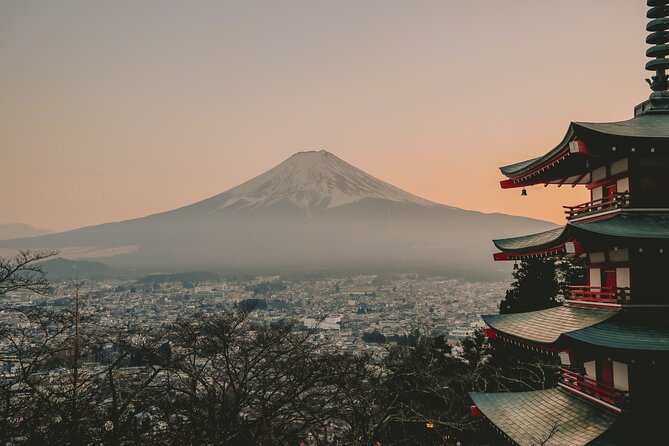
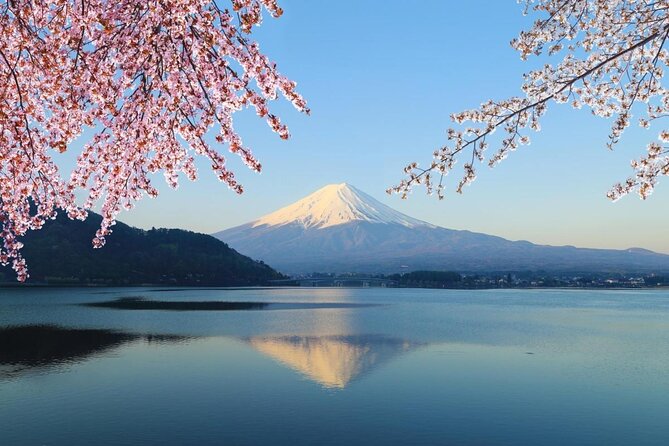
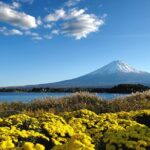
Your first day begins with Mount Fuji photo spots, with about an hour set aside for views and pictures. The value here is not just seeing the mountain, it’s having planned viewpoints and someone guiding you on where the best framing tends to come from. If the weather cooperates, this is the kind of stop you’ll remember for years.
After that, the day shifts to a “classic Japan” feel with a Kyoto Prefecture stop described as a look at the old capital. You’re given time to absorb the atmosphere and walk around, without getting stuck in a confusing self-guided route. With only about an hour, keep your goal simple: pick one or two photo targets and let the rest be bonus.
Then you move to a Sapporo stop positioned around food and climate. With a one-hour window, you’re not doing a full city day. You’re getting a quick taste of what makes Sapporo feel different, especially in how the air and atmosphere can change your whole travel day mood.
Practical note: since multiple areas are involved and time windows are short, you should expect the day to be “see it, photograph it, move on.” That’s not a complaint, it’s how the format is designed.
Day 2: a major Osaka theme park day, Takayama old-town time, Okinawa flavor
The second day starts with Osaka and a long theme park block (about 7 hours). The description emphasizes thrill rides, records for speed, height, and fear. If you like big-ticket attractions and want a full chunk of time where schedules are predictable, this is the easiest day to enjoy without worrying about “what should we do next.”
Even if you’re not a ride person, this kind of day works because you can split your time within the park without the pressure of rushing between multiple cities. It’s a rare chance in a multi-region tour to anchor part of your day around one place.
Next comes Takayama, positioned as a rural town north of Nagoya and nicknamed miniature Kyoto. That nickname can be overused on marketing pages, but it hints at the real point: old streets, traditional structures, and a calmer pace than the headline cities. The bigger value is that Kye knows this town as home, not as a stop on a checklist. You’re more likely to notice small details when the guide actually cares about the place.
Finally, there’s an Okinawa Prefecture stop framed as the beach resort side of Japan. Again, time is limited, so think of it as atmosphere and a palate cleanser, not a full beach day. The purpose feels like broadening your trip from mountains and temples to a different kind of Japan mood.
You can also read our reviews of more private tours in Tokyo
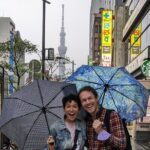
Day 3: snow monkeys, red pandas, Zenkoji, soba, sake, and Matsumoto Castle
Day 3 is where the tour gets serious in the best way. It stacks wildlife, temples, food culture, and a real castle visit into one long day.
Jigokudani Yaen-Koen snow monkeys
You start with Jigokudani Yaen-Koen, the spot famous for Japanese red-faced snow monkeys in a semi-natural habitat. The big takeaway is the name itself, Jigokudani, which literally translates to hell valley, tied to sulfur and the way the environment is hard on plant growth.
It’s scheduled for about 2 hours, which gives you enough time to slow down rather than sprint for pictures. Admission is not included, so factor that into your budget.
Chausuyama Zoo for red pandas
Right after the snow monkey experience, you visit Chausuyama Zoo for red pandas. This is the kind of stop that adds variety, especially if your day has been focused on colder mountain scenery.
Admission is also not included here, so plan ahead. The time block is about an hour, which is realistic for a zoo visit without burning your entire day.
Zenkoji Temple and the quieter path feel
Next comes Zenko-ji Temple for about an hour, with an additional stop described as an elegant traditional path leading to Zenkoji. The positioning here is that it feels more traditional compared to some Tokyo temple sites, with a calmer atmosphere because it’s not framed as a massive crowd magnet.
What you’ll likely enjoy is the flow. You’re not just entering one building, you’re walking a sequence that feels designed for reflection and photos. Admission for these Zenkoji-related stops is marked as free.
Hakuba Goryu and Shiga Kogen: winter scenery choices
Then the tour heads to Hakuba Goryu Ski Resort / Alpine Botanical Garden and Shiga Kogen, both noted as winter attractions. Hakuba is described as one of the best powder snow destinations in the world, also known in the off-piste community. Shiga Kogen is described as a ski area right next to the snow monkey region, which is why it fits this trip’s flow.
Admissions are not included for these stops. One practical point: since these are seasonal-style attractions, your actual experience may depend on what’s happening when you visit. Still, even without perfect snow conditions, the idea is to show you the mountain atmosphere beyond the snow monkey valley.
Togakushi soba making at Tonkururin
After mountain scenery, you switch to hands-on food culture at Togakushi Soba Museum Tonkururin. The focus is learning to make traditional soba from scratch, scheduled for about 2 hours. Admission is not included.
This is a strong “you’ll use this knowledge later” activity. Even if you don’t become a home noodle chef, you’ll leave with a clearer idea of what makes soba different and how the process works.
Endo Sake Brewery tastings
Next you visit Endo Sake Brewery for tastings. The description places it in a local cluster, one of more than 10 sake breweries in the area.
Admission is not included, and the visit is about an hour. The value here is simple: you get to compare styles while a guide helps with what to notice. It’s also a nice break from pure sightseeing when your legs start to feel it.
Matsumoto Castle inside visit
To close, you hit Matsumoto Castle, described as one of Japan’s most treasured castles, including an inside visit. The key details provided are that the main tower is five-tiered and six stories, built in the late 16th century, and it’s the oldest surviving castle tower in Japan.
Admission is not included here. In my view, a castle inside visit is one of the best uses of limited time because you get both architecture and layout, not just exterior photos.
Price and logistics: what $39,021.51 per group is really buying
Let’s talk money, plainly. The price is $39,021.51 per group for up to 4 people for an approximately 3-day tour. That means the “real” cost per person depends entirely on whether you fill those seats.
What’s driving value here is not cheap transit. It’s private guiding plus a local photo-minded approach plus a comfortable vehicle with WiFi and pickup. If you’re splitting with a few friends or family members who want the same schedule, the cost can feel less shocking because you’re paying for convenience and planning, not just transportation.
Where you need extra attention is admissions and meals. Meals are not included, and multiple key attractions are marked not included. So the final number is the base price plus what you pay at entry points.
Also note fuel and tolls are not included. That doesn’t mean you’ll pay a huge surprise fee, but it does mean you should ask for clarity if you’re budgeting tightly.
Photo and comfort tips to make this tour feel worth it
Because this tour is designed around viewpoints and a semi-pro photographer guide, your best move is to show up prepared so you can actually use the photo windows.
Bring:
- A weather layer, because mountain and valley conditions can change fast.
- Water and quick snacks, since meals are not included.
- Comfortable walking shoes, especially for temple grounds and castle stairs.
And during the Fuji and sightseeing blocks, keep your goal simple. Pick your top shot, get it, then look for the smaller details your guide points out. With Kye running the show, you’ll get help on where to stand and when to shift angle.
Who this tour fits best (and who should think twice)
This private tour is a great match if you want:
- A local guide/photographer who thinks about pictures and timing.
- A private vehicle for up to 4 people, with pickup and WiFi.
- A fast, high-impact way to see Mt Fuji, Takayama, and Nagano highlights without building a complicated plan yourself.
It might be less ideal if you’re traveling with a strict “never rush” mindset. The schedule includes multiple regions and many short viewing windows, plus some longer attraction time. If you prefer slow travel with lots of free time, you might find it intense.
Should you book this private Mt Fuji, Takayama, Nagano tour?
I’d book it if you value convenience, photo guidance, and the chance to hit a lot of top sights with a guide who knows how to keep things moving. The combination of Kye’s photography background and local connection to Takayama is a real selling point, and the private car setup makes the whole experience feel easier than self-planning.
I’d pause before booking if your budget is tight, because several major entries are not included and meals are not included. Also, because the plan is compressed into about 3 days across multiple areas, make sure you’re comfortable with a tour style that mixes quick stops with a few longer experiences.
If you’re open to that rhythm, this is the kind of trip that gives you both iconic sights and a more grounded taste of local life.
FAQ
What is the duration of the Mt Fuji, Takayama, Nagano private tour?
The tour is listed as 3 days approximately.
How many people can join a private group?
It’s a private tour for your group, up to 4 people.
Does the tour offer pickup, and where does it start and end?
Pickup is offered. The tour starts in Tokyo, Japan and ends back at the meeting point.
What’s included in the tour price?
Included features are an air-conditioned vehicle and WiFi on board. The experience also uses a mobile ticket.
Are meals included during the tour?
No, meals are not included.
Which attractions are marked as admission not included?
Admission is marked not included for Jigokudani Yaen-Koen (snow monkeys), Chausuyama Zoo (red pandas), Hakuba Goryu Ski Resort / Alpine Botanical Garden, Shiga Kogen, Togakushi Soba Museum Tonkururin, Endo Sake Brewery, and Matsumoto Castle.
Is it possible to participate if I am an average traveler?
The info says most travelers can participate.
What is the cancellation policy?
This experience is non-refundable and cannot be changed for any reason. If you cancel or ask for an amendment, the amount you paid will not be refunded.
More Guided Tours in Tokyo
More Tours in Tokyo





More Tour Reviews in Tokyo


Not for you? Here's more nearby things to do in Tokyo we have reviewed












Mount Fuji Tours, side by side.
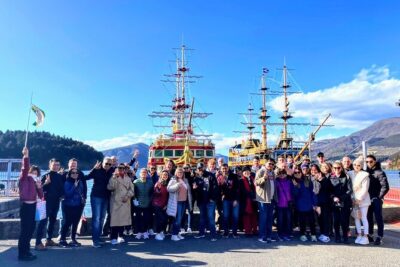 ★ 5.0Mt Fuji and Hakone 1-Day Bus Tour Return by Bullet TrainFrom $16326,383 reviews
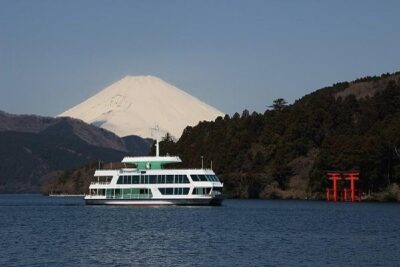 ★ 4.0Mt Fuji & Hakone Cruise, Drum Show Bullet Train 1 Day from TokyoFrom $1497,413 reviews
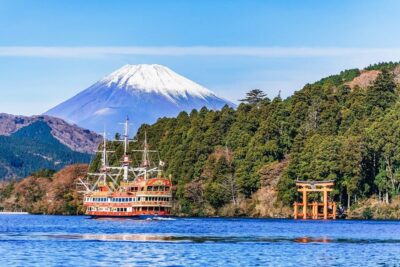 ★ 4.4Tokyo Mt Fuji 5th St & Hakone Cruise Bus Tour w/Bullet TrainFrom $1545,024 reviews
 ★ 4.5From Tokyo: Mount Fuji Full-Day Sightseeing TripFrom $684,970 reviews
 ★ 4.7Mt. Fuji Tour, Hakone Ropeway, Owakudani, Lake AshiFrom $544,002 reviews
 ★ 4.2Mt. Fuji 5th Station & Hakone Cruise 1-Day Bus TourFrom $1292,381 reviews
 ★ 4.7Mt Fuji Top 5 Spots Day Tour: Arakurayama Park,Oshino HakkaiFrom $532,066 reviews
 ★ 5.0Private Tour to Mt. Fuji and Hakone (Fully Licenced Operator)From $4971,910 reviews
This tour also belongs to