
Review · TOKYO CITY TOURS
Ginza, Tokyo: Sake Experience with traditional vessels
Sake tasting should feel like a lesson. In Ginza, this one-bar experience pairs three first-timer-friendly sakes with the vessels that bring out their character, all while you look over Tokyo Bay.
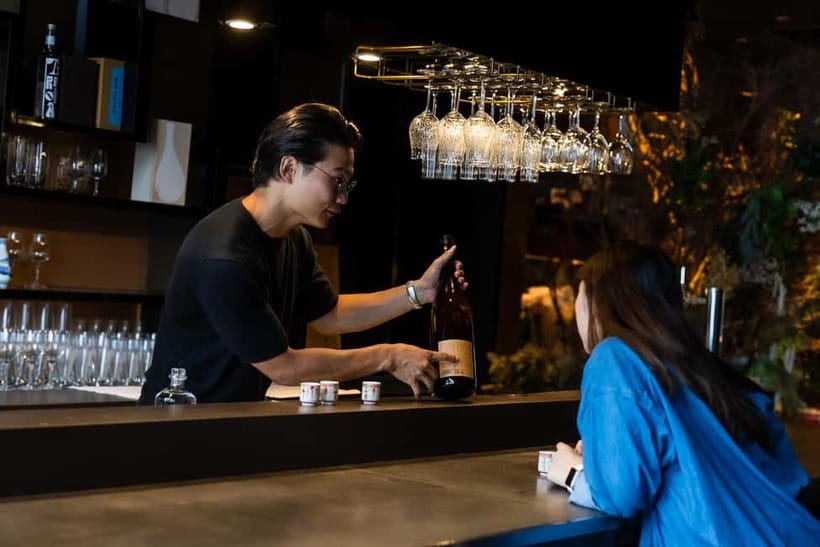
I love how the staff explain sake like it matters, not like a lecture, and I love that the tasting is built around specific serving vessels instead of just letting you drink whatever is poured. The place even gives you travel advice you can use the same day.
One consideration: this is not for everyone, since it is not suitable for people with a long list of medical concerns and it also is not for children under 18.
Key Points You’ll Care About
- Three sake pours, chosen for a first-time experience, paired with the right vessel for each type
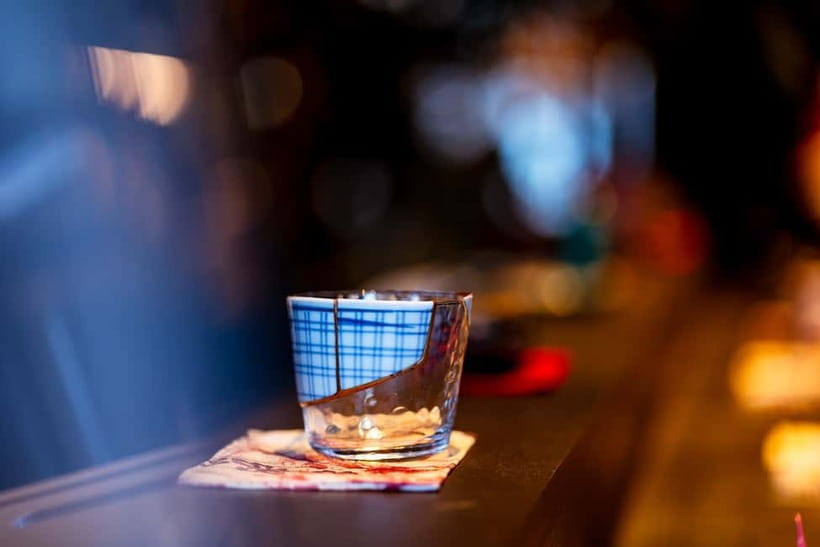
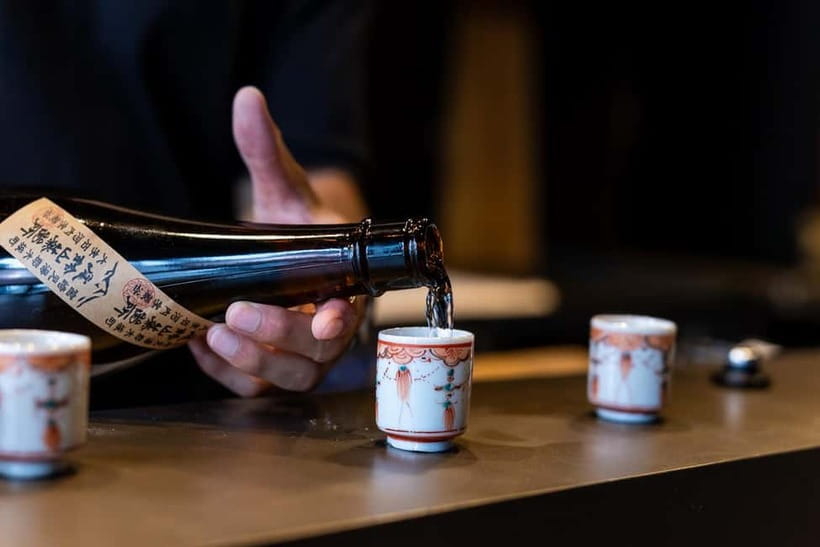
- Traditional serving styles including wine glasses and KINTSUGI with 400-year-old Imari porcelain
- Bilingual English support from the bar staff, plus travel tips you can use beyond sake
- Tokyo Bay views from inside a Ginza bar setting that feels calm and grown-up
- Small group size limited to 7, so questions do not vanish into the room
Sake in Ginza, with Tokyo Bay in View
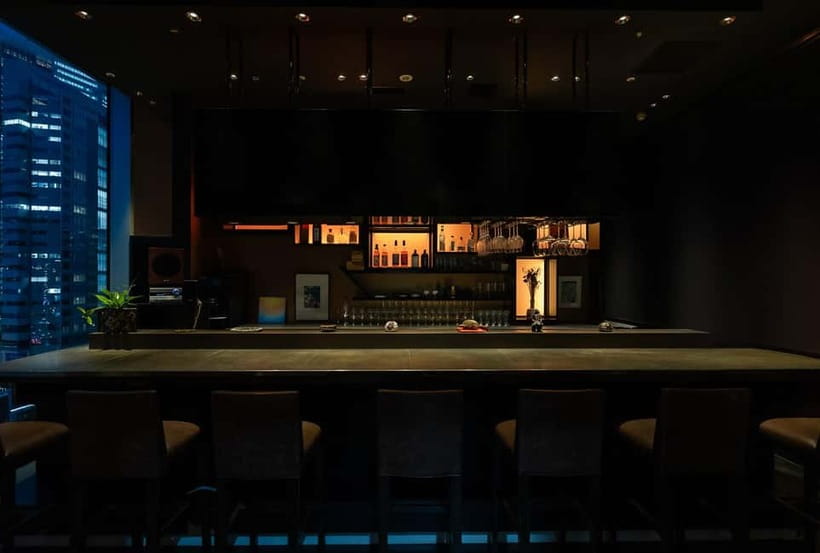
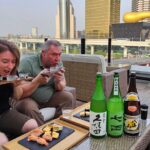
Ginza is famous for its luxury mood, but the best part here is that the setting supports slow attention. You’re going to a bar in Ginza where you can sip sake while looking toward Tokyo Bay, which makes the experience feel special without requiring any complex plan.
What I like most is the focus on why sake tastes the way it does. This is not a random tasting flight. The hosts set it up so you can connect flavor with process, from the way sake is made to how it’s served.
And since the staff are bilingual and English-speaking, you get the story in a way that actually sticks. That matters in Japan, because sake culture is deep, and language can turn a nice drink into a confusing one fast.
You can also read our reviews of more food & drink experiences in Tokyo

The Vessel Isn’t a Detail, It’s the Flavor Switch
In many tastings, the vessel is treated like a background prop. Here it’s part of the show, and it changes what you notice.
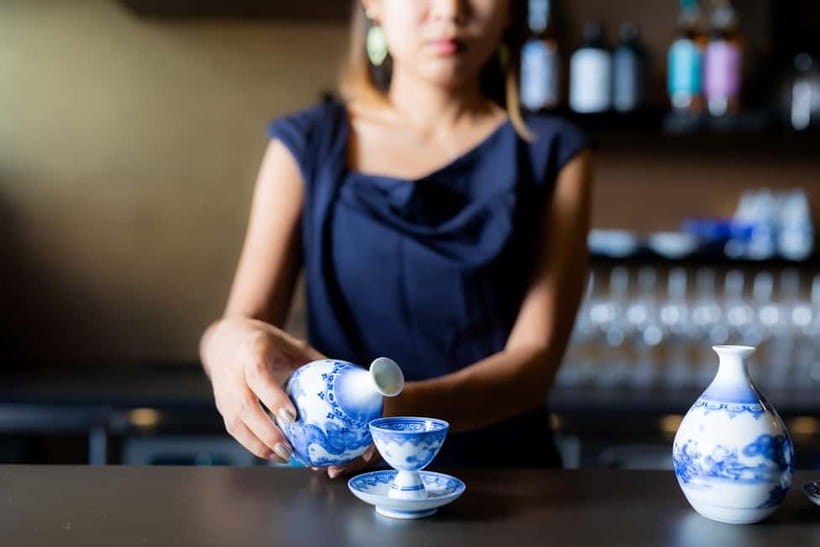
You’ll taste three different types of sake, and each one comes with a vessel chosen to best bring out its characteristics. The contrast includes wine glasses for some pours, then a more dramatic presentation with KINTSUGI and 400-year-old Imari porcelain.
That sounds fancy, but it’s practical for your palate. Different shapes and materials change how aroma rises and how the liquid spreads on your tongue. Even if you never did a “tasting technique” class back home, you’ll likely notice how the same drink family can taste softer, sharper, or more fragrant depending on the cup.
And KINTSUGI is more than aesthetics. The repair philosophy says broken can still be beautiful, and it fits sake culture well: craft, patience, and attention. If you enjoy art history or material culture, you’ll get extra value from that detail.
Your One-Bar “Itinerary”: How the Tasting Likely Flows
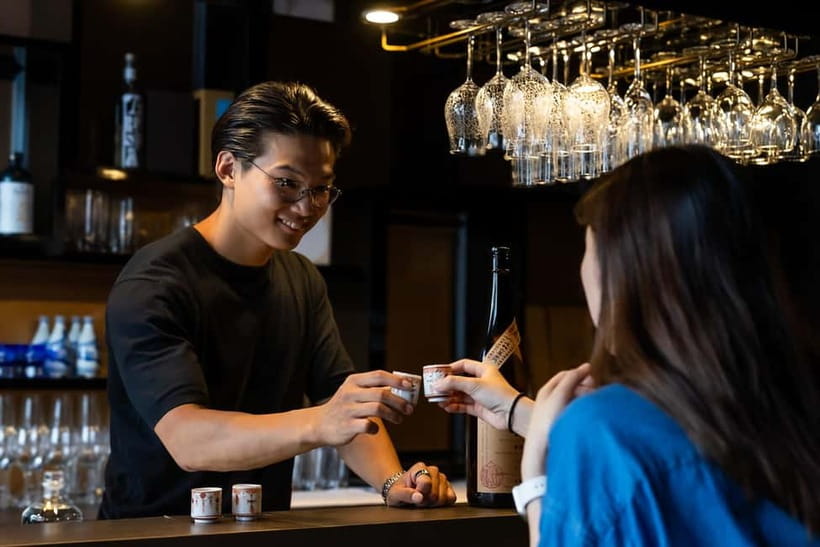
This experience is designed as a focused bar session, then you head back to your hotel afterward. That simplicity is a plus. You’re not juggling multiple stops, and your time goes directly into learning and tasting.
In the session, expect:
- A guided introduction to sake history and culture from the bilingual staff
- Three sake samples, each paired with the vessel that matches its style
- A short explanation of what to pay attention to while you taste, especially the way aroma and texture shift with the serving vessel
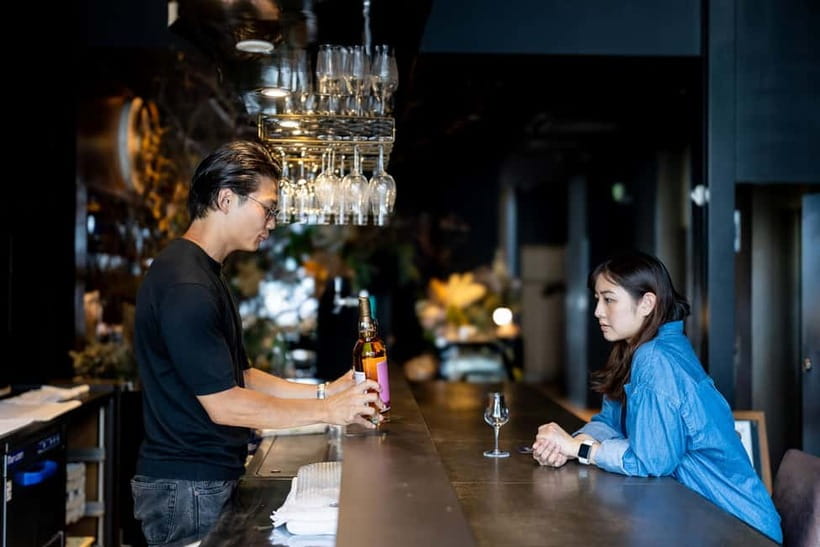
Because the group is limited to 7, it stays interactive. If you’re the type who asks small questions while you eat, this setup is built for that. If you want to keep it quiet, you can still follow along since the explanations are part of the bar experience, not a huge group performance.
Also note what is not included. The cost covers the tasting, not extra drinks or snacks. So if you want food afterward, you’ll plan that on your own.
What You Learn: Sake Culture, Not Just Facts
Sake has a reputation for being complicated. The good news is this bar approach makes it feel manageable.
You get the history and culture of sake through bilingual staff explanations, and you learn how sake connects to local identity. Japan has around 1,500 sake breweries, and each one produces sake rooted in its regional culture. That context helps you understand why “sake” is not one flavor. It’s a spectrum tied to place, process, and tradition.
One of the most praised parts of the experience is how the hosts teach in a way that feels friendly and easy to follow. The vibe is “talk with us” rather than “sit and suffer.” In particular, I’ve seen references to hosts like Hiyori and Nana being sweet and fantastic hosts, explaining how sake is made and offering delicious samples to try. That kind of guidance is exactly what turns tasting into understanding.
You also benefit from the bar staff acting like a mini concierge. They provide travel tips and recommendations to enhance your trip, which can save you time the rest of the day, especially if you are staying somewhere central.
Tokyo Bay Views, Ginza Lighting, and the Right Pace
You’re in Ginza, and Ginza often delivers a polished feel. Here, that polish helps you slow down. A bar with a view makes it easier to focus on scent, warmth, and texture instead of rushing through pours.
The pacing also matters because sake can change quickly as it warms in the glass. The experience is built to keep you tasting and learning in sequence, with the staff guiding the vessel choices along the way. That structure helps you avoid the common problem where you drink three sakes too fast to remember anything besides alcohol.
If you like your travel experiences calm and well-guided, this is the kind of activity that fits. If you only want a quick souvenir tasting, you might feel it’s slower than you expect, but the goal here is quality and comprehension.
You can also read our reviews of more drinking tours in Tokyo

Meet the Hosts: Friendly Explanations That Stick
The biggest “value” isn’t the porcelain. It’s the people teaching you how to taste.
A standout theme in the feedback is staff competence paired with genuine warmth. I’ve seen direct mentions of Rireka being helpful and kind, and of hosts like Hiyori and Nana explaining both the process of making sake and the cultural background behind different regions. That blend of craft and story is the sweet spot for first-timers.
Bilingual support also changes the experience. When someone can explain sake culture in clear English, you can ask follow-up questions without guessing. You stop feeling like you need to decode everything yourself.
If you’re planning to visit multiple Japanese food or drink spots, this kind of host-led context pays off. You’ll notice better labels, understand why a brewery’s style matters, and taste more deliberately later.
Finding JIDAI in JEWEL BOX GINZA
This experience is based at JIDAI in Ginza, inside the JEWEL BOX GINZA building.
- Go to the 11th floor of JEWEL BOX GINZA
- The 1st floor has Swarovski
Ginza can be a maze, so this kind of landmark anchor helps a lot. If you are arriving by subway, give yourself extra time to walk the block-to-block grid, then you’ll feel relaxed once you spot the building.
Also, this is an English-instructor experience with an explicitly small group setup (limited to 7). That usually means fewer people to track, but you still want to arrive a little early so you can settle in without stress.
Price in Perspective: Is $22 Good Value?
At $22 per person for a tasting built around three pours and specialized vessels, I think the price is fair, especially if you’re new to sake.
Here’s why. You’re not just paying for alcohol. You’re paying for:
- Three tasting samples
- Guided bilingual explanations of sake culture and history
- A deliberate pairing of each sake with the right vessel, including wine glasses and KINTSUGI with 400-year-old Imari porcelain
- A small-group setting, which makes the teaching more personal
Also remember what is not included: no extra glasses and no snacks. That keeps the price focused. If you want to stretch your budget, you can treat this like your “activity meal substitute” for the alcohol part, then eat nearby afterward.
If you’ve already done a lot of tastings and you’re seeking a heavy deep technical seminar, you might find it short. But for first-timers, the structure is a strength. You leave with a clearer sense of how to taste, and you don’t end the night more confused than when you started.
Who This Works Best For, and Who Should Skip
This is a great fit if you:
- Are a first-time sake drinker who wants a guided start
- Like food and drink experiences where the “why” is explained
- Want a small group setting and a calm atmosphere with views
- Enjoy cultural details, especially when tradition is part of the presentation
On the other hand, the experience is explicitly not suitable for many medical situations. It lists restrictions including pregnant women, people with claustrophobia, heart problems, vertigo, people with respiratory issues, epilepsy, diabetes, people with a cold, haemophilia, people with pre-existing medical conditions, and people with high blood pressure or recent surgeries. It also notes children under 18 are not suitable.
So if you have any of those concerns, don’t guess. Check directly before booking.
Also, if you have lactose intolerance, it’s listed as not suitable, so plan accordingly.
Practical Tips to Get More From the Tasting
You don’t need to be a sake expert to enjoy this. You just need to pay attention the way the hosts ask you to.
Here are a few practical ways to maximize the value:
- Pace yourself between pours, so you can compare vessel to vessel
- Ask questions about what you notice, like aroma and mouthfeel, since that’s what the vessel pairings are for
- If you like writing things down, jot a quick note after each sample so you remember differences later
- Use the staff’s travel advice while it’s fresh in your mind, especially if you want recommendations for where to go next
Also, because additional drinks and snacks are not included, you can plan your meal around the tasting. Eating something light before you go can help, but you might also prefer to keep it simple and just follow the bar’s flow.
Should You Book This Sake Experience in Ginza?
If you want a first-time sake experience that actually teaches you something, I’d book it. The combination of three curated sakes, the traditional vessel focus, and the chance to learn from friendly bilingual hosts makes it more educational than a typical drink stop.
I’d especially lean yes if Ginza appeals to you and you like the idea of a bar with Tokyo Bay views, plus a small group size that keeps it interactive.
If you’re sensitive to the listed medical restrictions, or if you want food and drink included beyond the tasting, you may prefer something else. And if you dislike settings where you must pay attention closely, the “guided culture + tasting” format might feel like more structure than you want.
FAQ
FAQ
What do I get during the sake experience?
You get a guided tasting of three types of sake, with specific vessels chosen for each sake type, plus bilingual staff who share the history and culture of sake.
Where is the meeting point?
Go to the 11th floor of the JEWEL BOX GINZA building, where Swarovski is on the 1st floor.
How long is the experience?
It is listed as a 1 day experience.
Is the session taught in English?
Yes. The instructor is listed as English.
How big is the group?
The group is small, limited to 7 participants.
What is included in the price?
Included are the bilingual staff, the three sake tastings, and the vessel setup (including wine glasses and KINTSUGI with 400-year-old Imari porcelain).
Are drinks and snacks included?
No. The price does not include additional glasses of sake or any other drinks and snacks.
Who should not book this activity?
It is listed as not suitable for people who are pregnant, have claustrophobia, heart problems, vertigo, respiratory issues, epilepsy, diabetes, a cold, haemophilia, pre-existing medical conditions, high blood pressure, recent surgeries, lactose intolerance, and it also notes children under 18 years old.
More Drinking Tours in Tokyo
More Food & Drink Experiences in Tokyo

More Tour Reviews in Tokyo





Not for you? Here's more nearby things to do in Tokyo we have reviewed












Tokyo City Tours, side by side.
 ★ 5.01-Day Tokyo Bus TourFrom $12914,250 reviews
 ★ 4.5TOKYO SKYTREE® Admission ticketFrom $1311,192 reviews
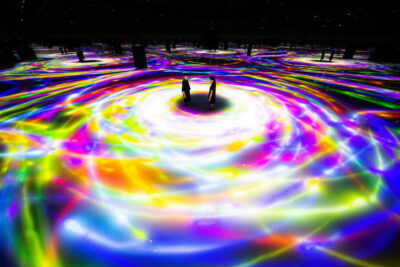 ★ 4.6teamLab Planets TOKYO Digital Art Museum Entry TicketFrom $259,779 reviews
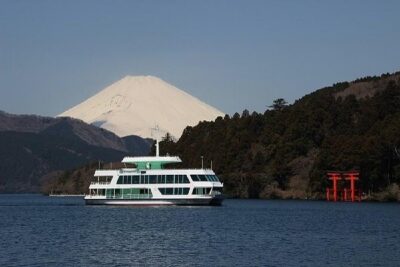 ★ 4.0Mt Fuji & Hakone Cruise, Drum Show Bullet Train 1 Day from TokyoFrom $1497,413 reviews
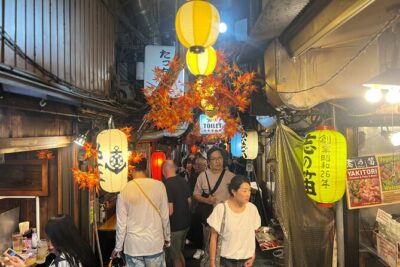 ★ 5.0Shinjuku Food Tour (13 Dishes at 4 Local Eateries)From $866,603 reviews
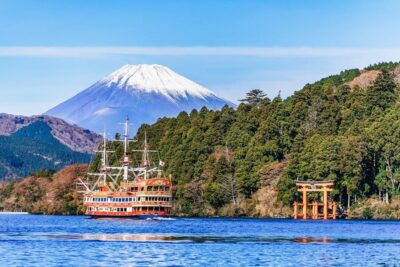 ★ 4.4Tokyo Mt Fuji 5th St & Hakone Cruise Bus Tour w/Bullet TrainFrom $1545,024 reviews
 ★ 5.0Flagship 2-Hours Official Street Go-Kart Tour – Tokyo Bay ShopFrom $644,974 reviews
 ★ 4.5From Tokyo: Mount Fuji Full-Day Sightseeing TripFrom $684,970 reviews
This tour also belongs to