
Review · TOKYO FOOD TOURS
Ramen and Sushi Cooking Class with Sake Pairing Set in Tokyo
Sake, sushi, and ramen, taught with calm confidence. In Tsukishima, this small-group class (max eight) pairs hands-on cooking with storytelling from instructors such as Sato and Ryushi, so you understand the why, not just the what. The sake pairing is built in too, so your meal feels like a complete Japanese food experience, not a snack break.
Two things I really like: you get personal coaching while making sushi, and you learn ramen flavor-building with a from-scratch broth approach. Several guests in the class stories say YouTube left them frustrated with sushi at home, but in-person tips fixed that, fast.
One consideration: there is no hotel pickup, so you’ll need to get yourself to the meeting point in Tsukishima (easy with public transport, but still something to plan).
Key highlights
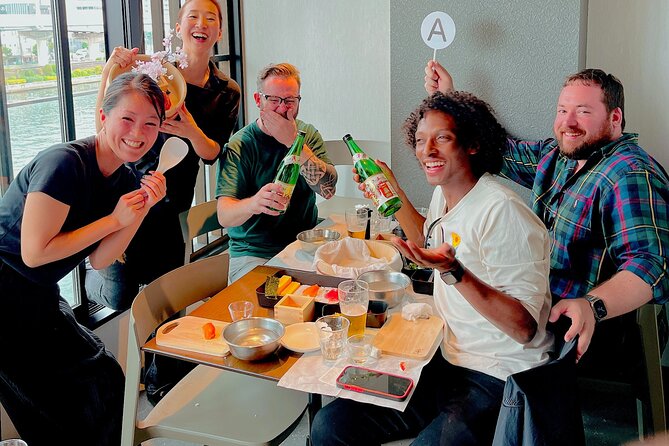
- Max eight people means you get time to ask questions and redo a step if it goes sideways.
- Sushi technique with real feedback so rolling and seasoning make sense, not just instructions to follow.
- Ramen broth from scratch teaches how flavor layers come together, not just how to assemble a bowl.
- Sake pairing included with the meal, selected to complement what you cook.
- Warm, friendly hosts reported again and again, including instructors like Sato, Ryushi, Taka, Alex, and Kaori.
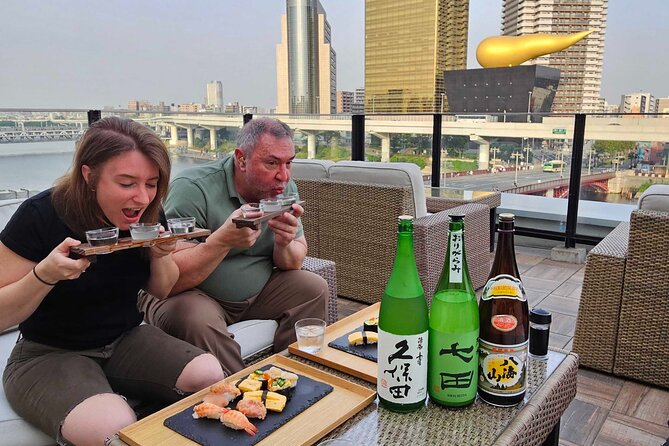
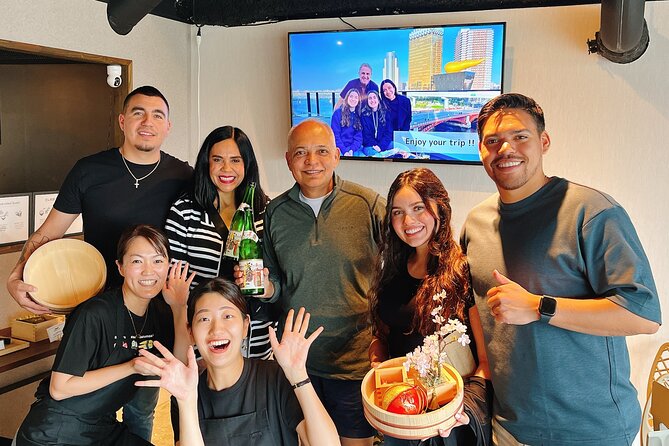
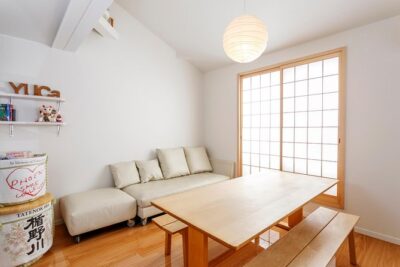
- A setting with a view of the river shows up in guest notes, making the afternoon feel special before you even cook.
Why Tsukishima makes ramen and sushi feel more real
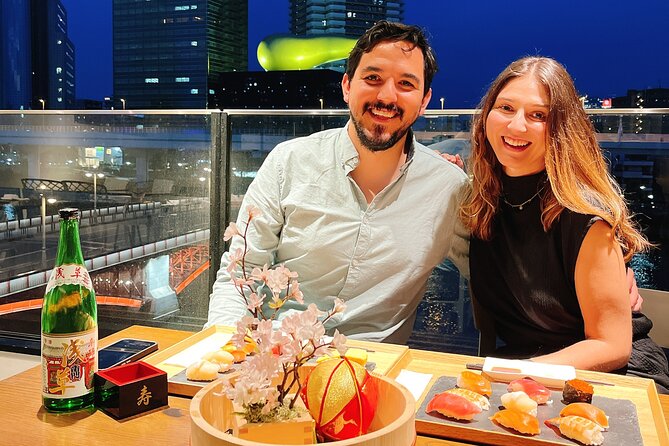
Tokyo can feel like a blur when you’re jumping between neighborhoods. This class anchors you in one place, Tsukishima area near the water, with a setting that guests describe as having a river view. That matters because ramen and sushi are not just recipes, they are daily routines and food culture, and the setting helps you slow down.
The meeting point is at HAUS Tsukishima in Chuo City, Tsukuda area. You’re not being carted around by a bus pickup system, so you arrive when you’re supposed to and get right into the class vibe. If you like experiences where you can show up, settle in, and start working without extra waiting, you’ll likely appreciate that.
You can also read our reviews of more food & drink experiences in Tokyo


The 3-hour flow: what you actually do during class
The whole session runs about 3 hours and uses a mobile ticket. That time window is long enough to do real work, not just watch, but short enough to fit neatly into a day that already includes sightseeing.
Here’s the typical rhythm you should expect based on how the class is described:
- First, you’ll get set up with an English-speaking instructor and the basics for the dishes you’ll make.
- Then you’ll shift into hands-on prep for sushi, with step-by-step coaching.
- Next comes the ramen side, including making a savory broth from scratch.
- Sake pairing is woven into the experience, so you taste and learn alongside your meal.
One extra detail that came up in guest feedback: there’s often an informal knowledge moment, like a fun quiz about the history and facts of sushi and ramen. Even if you’re not a trivia person, it helps you remember what you’re doing and why the technique matters.
Getting your sushi right: technique you can repeat at home
Sushi is the part that often breaks people. One guest straight-up said YouTube left them confused, and in this class they finally got the logic behind the process. That’s a big deal for you because sushi at home is usually not hard because of ingredients, it’s hard because of timing, handling, and small technique points.
In this class, the sushi segment is taught in a way that supports feedback and repetition. With a maximum group size of eight, you’re not competing for attention. When you’re rolling, shaping, or seasoning, you can ask what to fix and get answers that fit your specific mistake.
What you’ll walk away with is not only a plate of sushi but the “feel” of technique:
- How to handle rice and keep it from turning gluey or crumbly.
- How to build a roll with consistent pressure.
- How to think about balance, so the final bite tastes intentional.
Also, the classroom energy is repeatedly described as warm and playful, with hosts like Sato and Kaori creating a comfortable, laugh-along atmosphere. That matters because sushi requires patience, and you learn faster when you’re not stressed.
Ramen broth from scratch: learning flavor layers, not just assembly
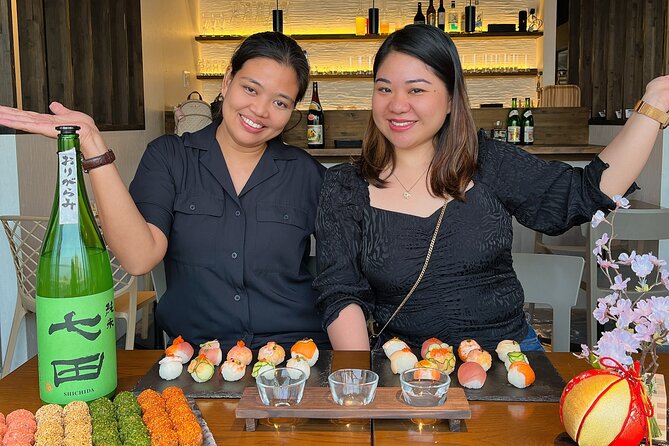
Ramen can look deceptively simple until you’re trying to reproduce flavor at home. Here, you don’t just assemble toppings. You’ll make ramen broth from scratch, which teaches you how savory taste gets built and why different flavors work together.
That’s valuable because most home attempts fail at the same spots: the broth tastes flat, too salty, or not deep enough. A broth lesson changes your approach. Instead of copying a single ingredient list, you start thinking in layers.
Guests also mention the ramen meal includes satisfying components, including pork belly, and that it was delicious. Even if your personal ramen preference is different, this is a useful reality check: toppings matter, but broth is the backbone.
The practical takeaway for you is mindset:
- Broth comes first.
- Seasoning and richness follow.
- Toppings add texture and final balance.
If you’ve tried making ramen broth before and gotten stuck, this class is the kind of structure that helps you stop guessing.
Sake pairing included: how to drink with your meal
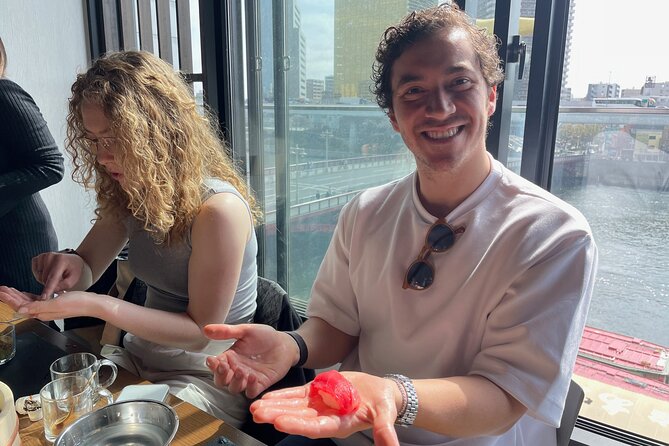
This class doesn’t treat sake like a separate party. It’s part of the experience, paired to complement what you cook. That’s a smarter way to learn than trying to memorize sake labels in a vacuum.
Sake notes from guest feedback point to good selection choices, described as smooth, and the pairing feels thoughtfully matched. The goal is not to turn you into a sommelier. It’s to make tasting part of the lesson, so you notice how flavors shift when you match drinks with food.
If you’re new to sake, this is a friendly way in. You’re not thrown into a confusing menu. You’re tasting in context, while instructors explain what matters.
You can also read our reviews of more cooking classes in Tokyo


What’s included, and why it affects your value
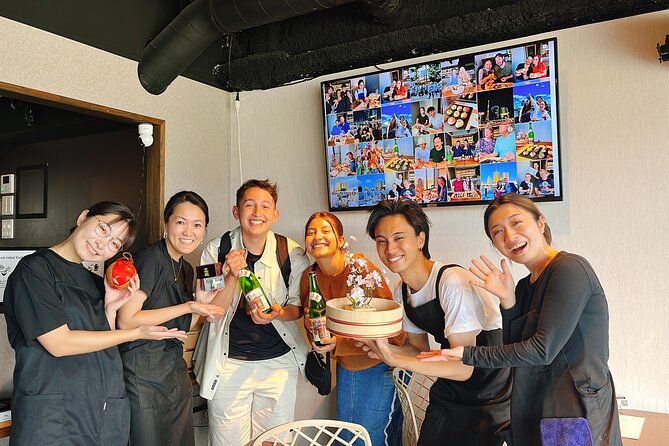
At $79.59 per person, you’re paying for a short, hands-on class with a full meal component and drinks included. In Tokyo, that matters because cooking instruction alone can cost plenty, and many experiences charge extra once you start adding ingredients and beverages.
What’s included:
- English-speaking instructor
- Ingredients for the cooking class and meal
- All drink
What’s not included:
- Hotel pickup and drop-off
Here’s how that inclusion changes the value for you:
- You don’t need to budget separately for sake or ingredients.
- You can show up with less planning and more confidence.
- You get to focus on learning instead of shopping for supplies.
If you’re traveling with a tight schedule, this structure is also easier to fit. Three hours, food and drink included, then you’re back at the meeting point.
Group size, instructors, and the learning vibe that actually helps
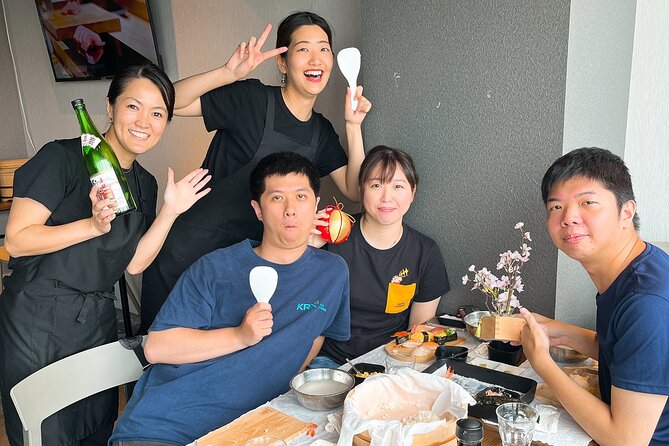
This is a maximum eight travelers experience. That limit is not a marketing gimmick. It’s the reason people report getting professional tips and tricks that stick.
Guest comments repeatedly mention the hosts as warm, kind, and polished in how they teach. Names that show up in the class stories include Sato, Ryushi, Taka, Alex, and Kaori. Even if the exact instructor lineup varies by day, the teaching style seems consistent: supportive, attentive, and practical.
You’ll also appreciate the tone described as polite and smiling. That might sound minor, but in a cooking class, it affects your willingness to try. When instructors make it comfortable to ask questions, you learn faster and make fewer mistakes.
One more subtle point: small-group classes tend to reduce the stress that can kill technique. Sushi rolling and broth work both require focus. A calm room helps you stay present, not rushed.
Getting there: meeting point and practical planning
There’s no hotel pickup. You’ll meet at:
Japan, 104-0051 Tokyo, Chuo City, Tsukuda, 2-chōme 13- HAUS Tsukishima (as listed)
The good news is the tour is near public transportation, so you should be able to get there without stress if you can navigate the subway. The experience ends back at the meeting point, which makes it easier to plan your next stop.
If your day is packed, plan to arrive a bit early so you can check in calmly. You’ll use a mobile ticket, so have your phone ready and unlocked.
What to bring is simple: comfortable clothes, and if you’re sensitive to strong food smells, you might want to bring a spare shirt or plan to change after. The class is hands-on, so you’re working with food and kitchen prep.
Is the ramen and sushi combo worth your time?
Some cooking classes force you to choose. This one gives you both sushi and ramen with sake. That combination is a real plus if you want variety and you like learning multiple techniques in one sitting.
But it’s also worth matching to your expectations:
- If your top priority is sushi technique, you’ll still get ramen broth context, which helps you understand the broader dining style.
- If ramen is your obsession, the sushi portion may feel like a bonus rather than your main goal, but you’ll still get practical rolling skills.
Because the class runs about 3 hours, it’s designed to teach core methods and get you tasting what you made. It is not described as a full day-long culinary bootcamp, so don’t expect endless menu variations.
In other words, this is a smart “skill plus meal” class.
Price and logistics: what $79.59 really buys you
Let’s talk value plainly. You pay $79.59 for about 3 hours, with ingredients, a meal, and all drinks included. For Tokyo, the big value piece is the combination of instruction plus food plus sake. You’re not paying extra for the fun part after the class.
Also, the small group size matters financially in a sneaky way. If you’re one of eight people, the instructor time is spread thin in a good way. That turns the money you pay into real feedback, not just general supervision.
The trade-off is the location and no hotel pickup. If you’re far from public transit, that can add friction. But if you’re already spending time in central Tokyo or you can reach Tsukishima easily, the logistics stop being a problem and the class becomes a great value.
Who this class suits best
This is a great fit if:
- You want hands-on cooking, not a lecture.
- You’ve tried sushi at home and need technique fixes.
- You want ramen flavor principles, especially how broth should taste and how to think about building it.
- You like a social, relaxed atmosphere with small-group attention.
- You’re interested in sake pairing as part of a meal, not just a drink you happen to get.
It may be less ideal if:
- You prefer big crowds and a performance-style show, not close coaching.
- You can’t get to Tsukishima easily by public transport.
- You want a cooking class where each course is taught in extreme depth over many hours.
Should you book this ramen and sushi class in Tokyo?
Yes, I’d book it if you want the kind of Tokyo experience that’s both practical and fun. The standout strengths, based on consistent feedback, are the small group size, the friendly, skilled instructors (with names like Sato, Ryushi, Taka, Alex, and Kaori showing up in class stories), and the fact that you learn both sushi and ramen broth from scratch while getting sake pairing included.
Book it if you care about doing things correctly at home. The class is built for technique you can repeat, and the teaching style seems designed to remove the frustration that many people feel when they try learning sushi alone.
Skip it only if transportation to Tsukishima is a dealbreaker or if you’d rather spend your time on a longer, single-dish deep course.
FAQ
How long is the cooking class?
It runs for about 3 hours.
What is the group size?
The experience has a maximum of 8 travelers.
What’s included in the price?
An English speaking instructor, the ingredients for the cooking class and meal, and all drinks are included.
Is hotel pickup and drop-off included?
No. Hotel pickup and drop-off are not included.
Where does the class start and end?
It starts at HAUS Tsukishima in Tsukuda, Chuo City, Tokyo, and ends back at the same meeting point.
Can I cancel for a full refund?
Yes. You can cancel up to 24 hours in advance for a full refund. If you cancel less than 24 hours before the start time, the amount paid is not refunded.
More Cooking Classes in Tokyo
More Food & Drink Experiences in Tokyo


More Tour Reviews in Tokyo





Not for you? Here's more nearby things to do in Tokyo we have reviewed












Tokyo Food Tours, side by side.
 ★ 5.0Shinjuku Food Tour (13 Dishes at 4 Local Eateries)From $866,603 reviews
 ★ 5.0Tokyo Bar Hopping Tour in Shinjuku (All-You-Can-Drink + Dinner)From $1063,587 reviews
 ★ 4.9Shinjuku Food Tour (15 Dishes and 4 Eateries)From $852,033 reviews
 ★ 5.0Best of Shinjuku: Izakaya Food Tour (4 Stops, 14+ Tastings)From $921,863 reviews
 ★ 5.0Shibuya Meltdown Nightlife Tour: All-You-Can-Drink Bar HoppingFrom $1061,058 reviews
 ★ 5.0Eat and Drink Like a Local: Tokyo Ueno Food Tour-Taverns&RamenFrom $95957 reviews
 ★ 5.0Ramen & Gyoza Cooking Class in Tokyo with Local Supermarket VisitFrom $122823 reviews
 ★ 5.0Shibuya Food Tour (13 dishes and 4 Eateries)From $77770 reviews
This tour also belongs to