
Review · MOUNT FUJI TOURS
Tokyo: Mt. Fuji Cruise & Hakone Ropeway Day Trip by Bus
Mt. Fuji day trips can be stressful. This one trims the hassle by bundling premium bus seating with major Hakone sights, including a Lake Ashinoko cruise and the iconic floating torii photo.
I especially like the guidance. In the small group, multilingual guides Ayaka and Mia keep things smooth, and they add context about culture and history as you move through each stop. I also like the variety of viewpoints across the day, from volcanic steam at Owakudani to a calmer Mt. Fuji view later at Fuji Shibasari Peace Park.
One thing to think about: it is a long day, around 10 hours, so you will be sitting on the bus for a while, and traffic can make the timing feel extra slow.
Key highlights worth your attention
- Premium coach comfort from Shinjuku: comfortable seats and a guided day designed to reduce logistics stress
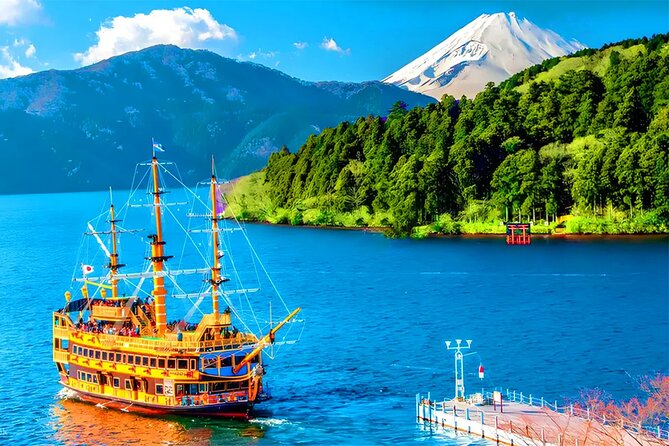
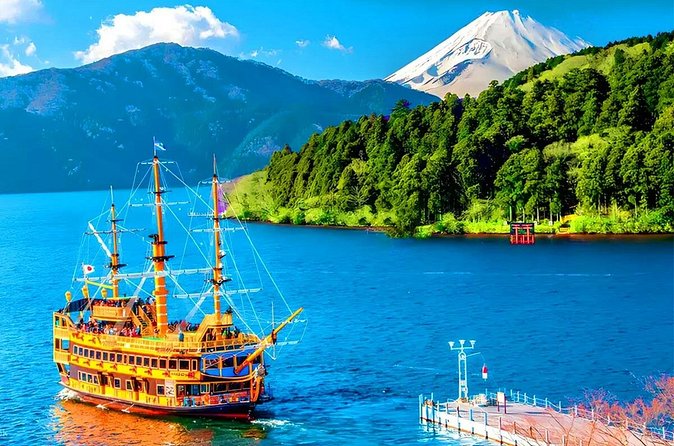
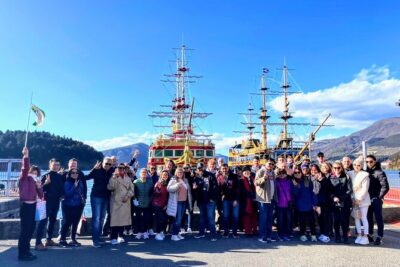
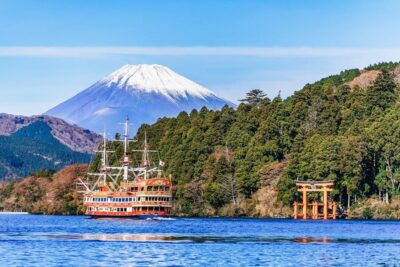
- Lake Ashinoko pirate ship cruise: a full hour on a themed sightseeing ship and classic Mt. Fuji lake views
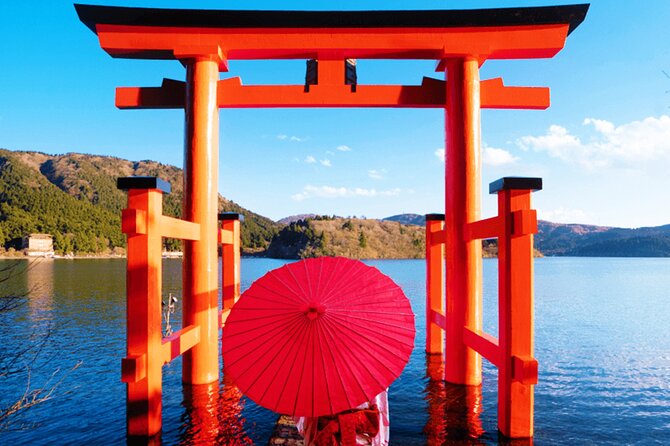
- Floating Peace Torii moments: you get the famous Lake Ashi torii angles more than once during the route
- Owakudani volcanic valley stop: close-up steam and sulfur atmosphere at an active volcanic site
- Hakone Jinja plus Kuzuryu Shrine: Peace Torii views, prayer time, and a shrine known for love and relationships
- Fuji Shibasari Peace Park viewpoint: a quieter, local-feel hilltop Mt. Fuji look with a white stupa
From Shinjuku in one shot: what this bus day trip is really like
If you are short on time, this kind of structured bus tour is a practical fix. You start at the Keio Plaza Hotel area in Shinjuku at 8:00 am, and you come back to the Shinjuku area at night, which means you do not have to stitch together separate trains, timed transfers, and tickets.
The group size is capped at 49, which matters more than you might think. With a smaller bus group, you typically get fewer bottlenecks at the stops, and your guide can keep everyone moving with less crowd choreography. Add mobile tickets, and check-in is mostly painless.
The biggest value boost is the human factor. The guides, including Ayaka and Mia, are multilingual and focused on keeping the day easy to manage. They do not just read a script, they help you connect what you see, like why certain shrines are visited for good fortune and success, or what makes a volcanic valley stop so memorable beyond the photos.
You can also read our reviews of more boat tours in Tokyo
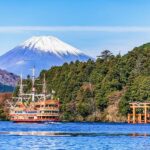

Lake Ashinoko cruise and the floating torii photo you came for
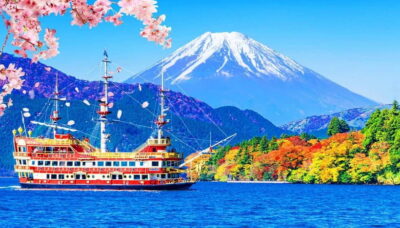
The centerpiece here is the Lake Ashinoko sightseeing cruise. You get a full hour, and it is not a plain ferry vibe. The ship is described as a pirate ship style, more playful than you expect in Japan, which makes the experience feel lighter even if you spent the morning commuting.
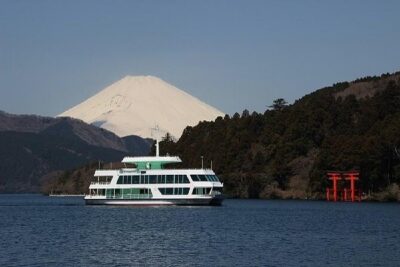
This is also where the famous floating torii angle usually lands. On Lake Ashinoko, the Peace Torii is a strong visual anchor. Even if your photos are not perfect, this setting gives you the sense that Mt. Fuji is part of a bigger landscape of water and shrine symbolism.
Practical tips for the cruise:
- Bring your phone fully charged, because you will want multiple shots as the light changes.
- Wear layers. Lake breeze can feel cooler once you are out on the water.
- Keep an eye on your boarding and disembarking side, because you will likely switch locations quickly afterward.
The cruise is included in the tour, so you are not guessing whether you got the right ticket or the right time window. That alone is part of why this day trip feels worth the price for many first-timers.
Moto-Hakone Port lunch time by the lakeshore
Between viewpoints, you get a real block of time for food. There is about 1 hour 20 minutes for lunch at Moto-Hakone Port along the lakeshore.
This matters because Hakone can be confusing if you try to plan lunch on your own. Here, you get a set time, and you are placed in an area that has options ranging from traditional Japanese meals to Western-style dishes and casual cafés. Even if you are traveling with picky eaters, this kind of restaurant spread increases your odds of finding something that fits your mood.
What I like about this setup is the pacing. You are not rushed immediately into the next stop while you still feel hungry or cold. Instead, you can refuel, look around the waterfront, and decide whether you want a quick café break or a full meal.
A drawback to consider: this lunch window is fixed. If you get distracted taking photos or you want a longer sit-down meal, you might feel slightly time-pressured. So, I suggest picking a restaurant quickly once you arrive.
Togendai to volcanic wonder: Owakudani’s sulfur and steam
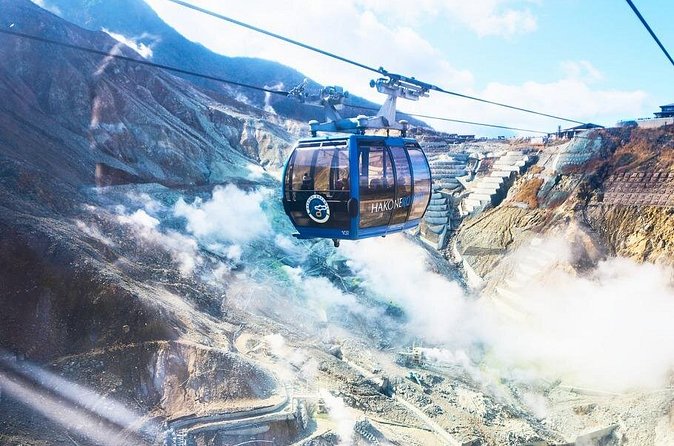
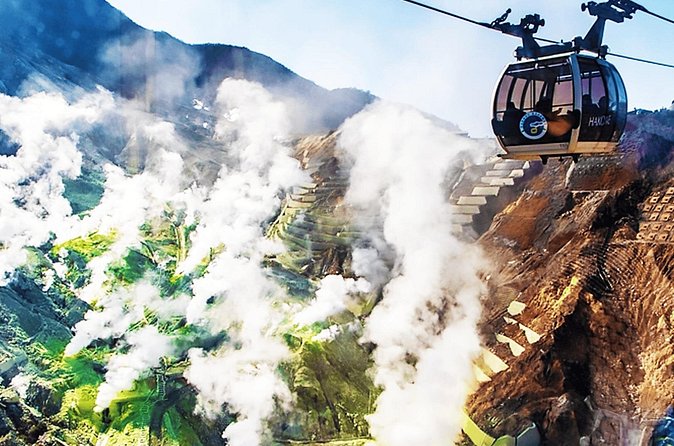
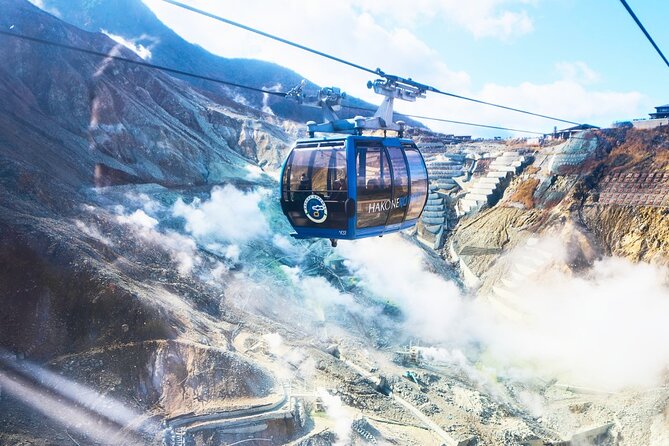
Next comes the Owakudani Valley stop, about 50 minutes. This is the part of the day where the air changes. You will notice sulfur notes and see active steam rising from the rugged volcanic ground. It feels less like a “pretty viewpoint” and more like standing near the living engine of the region.
The value here is not just the visuals. It is the contrast. You started the day with a lake and shrine symbolism, and now you get the raw geology. That contrast is what makes a one-day itinerary feel complete instead of repetitive.
What to do to make this more comfortable:
- Expect the smell of sulfur, and plan for it if you are sensitive.
- Keep your breathing easy, since the air can feel heavy when you are close to steam.
- If you wear strong fragrance or have breathing sensitivities, go light on perfumes before you arrive.
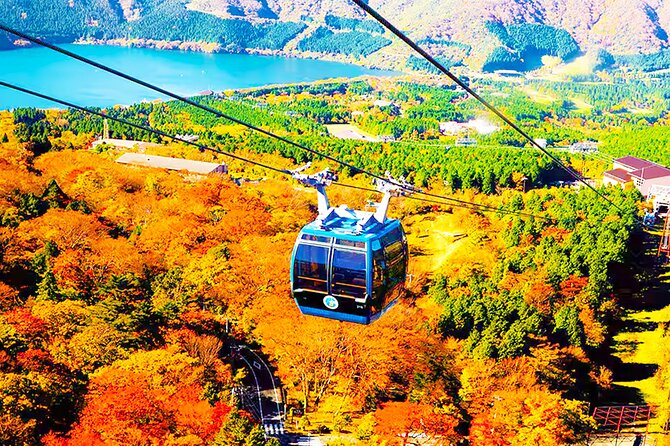
Also, the tour includes a ropeway over the volcanic zone as part of the broader Hakone experience. Even when you are not focused on riding, a ropeway segment adds an elevated perspective that fits perfectly with Owakudani’s theme.
This section is admission ticket free as listed for the stop, which is another small win in value. You get a high-impact experience without extra costs at the door.
Hakone Jinja and Kuzuryu Shrine: Peace Torii meaning, not just scenery
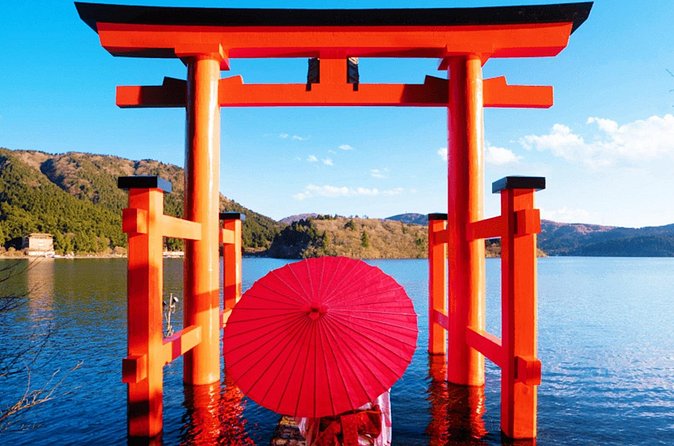
Hakone Jinja is the next major cultural stop, with around 50 minutes on site. Here you can enjoy a view of the Peace Torii floating on Lake Ashi and take time to pray for good fortune and success.
What I like about this shrine stop is that it gives context to what you already saw visually on the lake. The floating torii is not just a postcard image here. You can read the experience as a layered meaning: water, mountains, and worship all tied together.
You also have time to visit Kuzuryu Shrine. It is noted as a place associated with love and good relationships. If you like shrines that feel more personal, this is the one that adds a human angle to the day. It is still sightseeing, but it feels closer to a tradition than a quick photo stop.
Practical approach:
- Take your time looking at the torii area before you rush into prayer.
- If you want photos, do them respectfully and step aside when others are praying.
- Treat this as a moment to slow down. After Owakudani, the shrine stop feels like a reset.
As listed in the tour description, admission is free at this stop, so you are paying for the guided route and time, not for entry fees.
More Tokyo tours and experiences for the shortlist


Fuji Shibasari Peace Park: the calm Mt. Fuji view that breaks the crowds
After the busy parts of the day, you end up at Fuji Shibasari Peace Park for about 30 minutes. This is presented as a spot locals know well, but many visitors miss. The setting is on a hilltop, which helps with that classic clear Mt. Fuji viewpoint.
The “peace” part feels real here. Compared to the more famous viewpoints, the mood is calmer, and you are positioned to appreciate Mt. Fuji without the same level of chaos. A pure white stupa is mentioned as a key visual, which gives you something distinct to photograph besides the mountain itself.
Why this stop is a strong finish:
- It gives you a different kind of Mt. Fuji framing.
- It is shorter, so you can focus on the view and not feel trapped in a long queue.
- It closes the day with a payoff image that is easy to remember.
Potential consideration: if the sky is not cooperating, any Mt. Fuji viewpoint can look less dramatic. This stop is built to maximize clarity, but nature controls the final sharpness of the mountain.
The real value: timing, group size, and how to make the day feel easy
This tour is about convenience. You do not have to plan the route between lake, shrine, volcanic valley, and Mt. Fuji viewpoints. The bus route handles the big transfers, and the guide handles what to do at each stop.
The review tone around the experience also points to a key theme: the day feels well paced. Even with rough traffic at times, the overall flow is designed so you get meaningful time at each location instead of frantic “see it, run” moments. A good bus driver helps a lot when roads slow down, and the guidance team makes the transitions smoother.
How you can match that pacing:
- Start with a light breakfast before 8:00 am. You do not want to be hungry while waiting for the day to settle into its rhythm.
- Bring water and a small snack. Even if you have lunch time, having something on hand keeps you comfortable.
- Wear layers. You can bounce between bus, lakeside air, and warmer or cooler viewpoints.
- If you get motion sickness on curvy roads, take precautions early. This is a long bus day.
Also, the tour ends back at the meeting point in the Shinjuku area. That is a big deal. Getting home without additional planning is part of the value you are paying for.
Price and value: is $92.50 a fair deal for what you get?
At $92.50 per person, you are not just paying for a bus ticket. You are paying for a bundle of major attractions that would take real planning time to arrange efficiently on your own.
Here is the value logic:
- You get a guided day with multilingual support. The guides Ayaka and Mia are specifically praised for making the day easy and informative about culture and history.
- The itinerary includes multiple iconic stops: Lake Ashinoko cruise with torii photography, Owakudani volcanic valley, Hakone Jinja, and Fuji Shibasari Peace Park.
- The sightseeing ship admission is listed as included, while several other stops are listed as admission ticket free in the tour description. That helps you avoid surprise add-on fees.
You also get premium bus seating, which is not a small detail for a 10-hour day. If you are the type who hates feeling crammed on public transport, this comfort component is worth real money.
Who gets the best match:
- First-time visitors to Tokyo who want a classic Mt. Fuji and Hakone day without getting tangled in transit planning
- People who want guided context, not just sightseeing snapshots
- Travelers who like a tight highlights route and do not want to spend half a day figuring out connections
Who might reconsider:
- Travelers who want maximum flexibility to stay longer at one place, or who dislike long fixed time blocks
- Anyone who strongly dislikes bus travel on a full-day schedule
Should you book this Mt. Fuji and Hakone day trip?
I would book this if you want the highlights of Mt. Fuji and Hakone in one organized day, especially if your priority is convenience plus good storytelling from a multilingual guide. The Lake Ashinoko pirate ship cruise and the floating torii moments are the kind of experiences that land well even if you are not a hardcore planner.
I might skip it if you prefer an unstructured day where you can wander freely between stops. This tour is built for time efficiency. Also, because it is a full 10-hour day, go for it only if you know you can handle long sitting and quick transitions between viewpoints.
If you want, I can also suggest a quick “what to pack and what to prioritize” list based on your travel style and season.
More 1-Day Tours in Tokyo
More Boat Tours & Cruises in Tokyo

More Tour Reviews in Tokyo

Not for you? Here's more nearby things to do in Tokyo we have reviewed



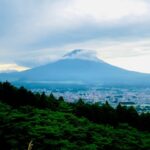

Mount Fuji Tours, side by side.
 ★ 5.0Mt Fuji and Hakone 1-Day Bus Tour Return by Bullet TrainFrom $16326,383 reviews
 ★ 4.0Mt Fuji & Hakone Cruise, Drum Show Bullet Train 1 Day from TokyoFrom $1497,413 reviews
 ★ 4.4Tokyo Mt Fuji 5th St & Hakone Cruise Bus Tour w/Bullet TrainFrom $1545,024 reviews
 ★ 4.5From Tokyo: Mount Fuji Full-Day Sightseeing TripFrom $684,970 reviews
 ★ 4.7Mt. Fuji Tour, Hakone Ropeway, Owakudani, Lake AshiFrom $544,002 reviews
 ★ 4.2Mt. Fuji 5th Station & Hakone Cruise 1-Day Bus TourFrom $1292,381 reviews
 ★ 4.7Mt Fuji Top 5 Spots Day Tour: Arakurayama Park,Oshino HakkaiFrom $532,066 reviews
 ★ 5.0Private Tour to Mt. Fuji and Hakone (Fully Licenced Operator)From $4971,910 reviews
This tour also belongs to