
Review · NIKKO DAY TRIPS
NIKKO PASS world heritage area
Nikko in two days, minus the hassle. The NIKKO PASS world heritage area is built for people who want to see UNESCO shrine areas around Nikko using Tobu trains and buses, starting right at Asakusa. You also get discounts that can shave off a bit of the total cost while you’re in town.
What I really like is the way it removes decision fatigue. You get a round trip between Asakusa and Shimo-Imaichi on Tobu local trains, then unlimited local train rides onward between Shimo-Imaichi and Tobu-Nikko or Shin-Fujiwara. The other big win is the bus coverage, with unlimited rides on the World Heritage Pilgrimage buses and up to the Rengeishi stop, which can help when your legs are already tired.
One consideration is eligibility. This pass is only available for foreign tourists with a non-Japanese passport, and you must show that passport on the day you use it.
Key things that make this pass worth a look
- Two consecutive calendar days of validity, starting on your selected date
- Asakusa to Shimo-Imaichi round-trip on Tobu local trains
- Unlimited local train rides between Shimo-Imaichi and Tobu-Nikko or Shin-Fujiwara
- Unlimited Tobu bus rides on the World Heritage Pilgrimage route, plus rides up to Rengeishi
- Discounts on local attractions and shops, but shrine and temple admission tickets are not included
Why this Nikko Pass makes sense for UNESCO shrine days
Nikko is one of those places where you can spend a lot of time just moving between sights, especially if you are bouncing between temple areas and bus stops. This pass aims to solve that. For a set price, you can ride Tobu local trains and specific Tobu buses without doing the fare math every time you switch stops.
I also like that it is designed around a “hop from area to area” rhythm. You are not paying for one single ride and hoping it fits your plan. Instead, the pass gives you unlimited local train rides on the supported segments and unlimited bus rides on the World Heritage Pilgrimage buses. That matters because Nikko can mean lots of stairs and uphill walking, so you want transport you can rely on when your energy dips.
The pass also includes discounts at local attractions and shops. Discounts vary by season, so they are not guaranteed to turn the trip into a steal every day, but they can help if you are buying more than one thing while you are out and about.
One more smart angle: it is for the foreign visitor experience. If you are eligible, the whole setup is made to be straightforward, from where you pick it up to how long it stays valid.
You can also read our reviews of more historical tours in Tokyo

Picking up your pass at Tobu Tourist Information Center Asakusa
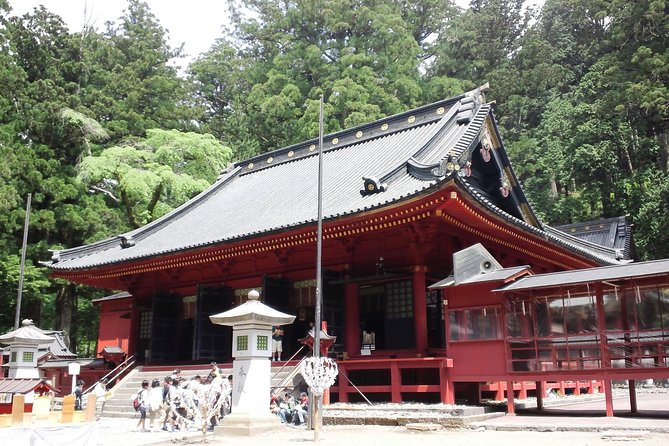
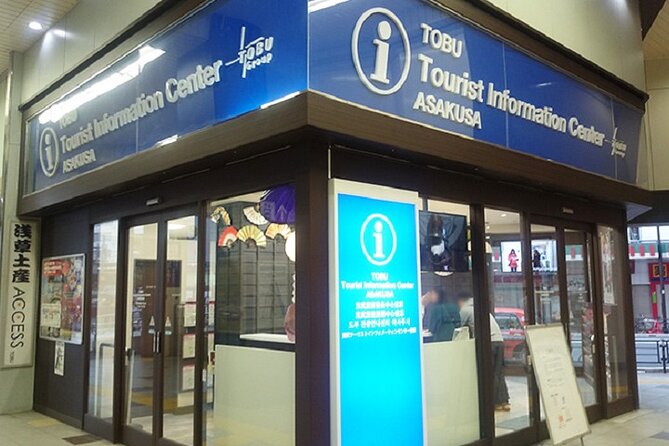
Your start point is practical: you pick up the NIKKO PASS at the Tobu Tourist Information Center Asakusa, located on the 1F of Tobu Railway Asakusa station. That is a big deal because Asakusa is already built for visitors, and you are not hunting a random office in a side street.
Plan to arrive with time to handle the pass exchange. The tour confirmation is received at booking, and you will need your required documents that day. The pass is valid for your selected date range (more on that later), so it helps to have your pickup day lined up with the dates you actually want to tour.
Also, note the size limit. The experience has a maximum of 30 travelers, which usually means less chaos than big-group tours when you are trying to get your bearings and sort out your plans.
Local trains to Shimo-Imaichi: the trade-off you should understand
Here is the key logistics reality. This pass includes local train transportation, not limited express or JR train fees. That means your trip to Nikko is workable and often scenic, but it is not the fastest possible way to get there.
If you compare options, you will likely notice the express train saves time, while the regular trip takes longer. Your pass is focused on the local routes, so build your day around that slower pace. The benefit is simplicity: with the included segments, you can get from Tokyo up to the Nikko access area without needing extra planning for the covered rides.
Included in the pass:
- Round trip between Asakusa and Shimo-Imaichi by Tobu local trains
- Unlimited local trains between Shimo-Imaichi station and Tobu-Nikko station or Shin-Fujiwara station
What I recommend: if you are doing Nikko with one main day only, or you are tight on time, you may want to compare the covered local route with an express alternative you pay for separately. If you have two full calendar days and you are not rushing, the included local rides usually feel painless.
How to use the Tobu buses for less walking stress
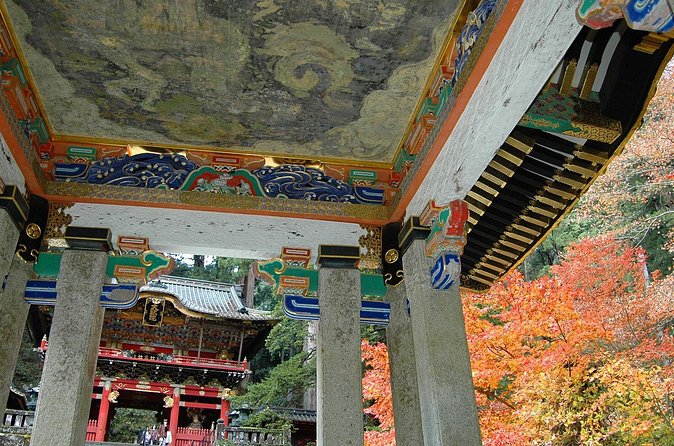
Nikko tends to bring two things: steps and uphill stretches. That is not a complaint, it is just the terrain. The pass helps because it includes unlimited rides on select Tobu buses, specifically:
- Tobu bus World Heritage Pilgrimage route
- Unlimited bus rides up to the Rengeishi stop
The practical value here is that bus rides let you reduce the amount of backtracking and sidewalk grinding between sight zones. Instead of trying to map out a walking-only strategy, you can use the bus as your backbone and let your feet handle the final approach on foot.
Also, check how far the bus will take you for the day you plan to do the most walking. Since the pass explicitly covers bus rides up to the Rengeishi stop, you should plan your “longer walking” segments after you get off, not before. That way, your energy stays for temples and shrines where you actually want to slow down.
If you want to plan smart, use the posted bus and train maps on the Tobu Railway or Tobu bus websites. The routes and timing matter, especially in Japan where services can be frequent but not constant around the clock.
A realistic 2-day rhythm in the Nikko World Heritage area
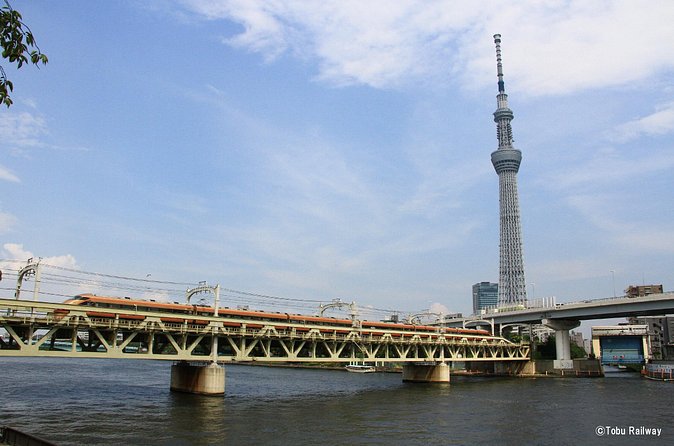
Even though this is a pass meant for two days, you should think in terms of two consecutive calendar days, not 48 hours. The pass is valid for 2 consecutive days beginning on the date you select when booking. That means if you pick Day 1 as April 1, you are good through April 2, not through April 3 morning.
That detail can make or break a plan. If you have an evening train back from Nikko on Day 2, you are safe. If you plan to cross into Day 3, you might be riding without the pass’s coverage.
A good rhythm looks like this:
- Day 1: Start with the access ride from Tokyo to the Nikko area. Use local trains and then connect to the buses that serve the World Heritage Pilgrimage network. Save your most tiring walking segments for the time of day you feel strongest.
- Day 2: Repeat the pattern in reverse, or tackle the areas you did not hit Day 1. Since you have unlimited rides on the supported routes, you can reposition without treating every ride like a separate cost.
Because shrine and temple sites sometimes open seasonally, you should check seasonal operating schedules before you commit to a route. Some attractions in the Nikko area only operate at certain times of the year, so your “must see” list might change depending on the month you visit.






Shrine and temple admission: what the pass does not cover
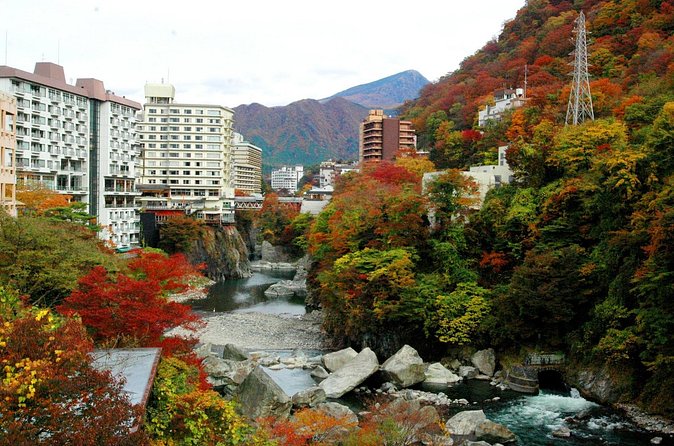
This is the part that surprises people. Your pass covers transport and certain discounts, but it does not include admission to shrines and temples in the Nikko area. That means your overall total depends on how many paid sites you plan to enter.
So the pass is best when:
- you want to hop between multiple shrine or temple areas
- you plan to rely on the bus and local trains during those hops
- you are not just doing one quick stop and calling it a day
Also, remember that limited express and JR train fees are not included. If you decide you need a faster route for a specific segment, you may have to pay that part separately.
Discounts and shops: how to judge the value fast
The pass includes discounts on local attractions and shops. That can be helpful, but it is not the same as free admission. Discounts vary by season, so the best way to judge value is to do a quick sanity check before you go.
Ask yourself:
- Are you planning to visit more than one attraction that likely has an admission fee?
- Are you likely to buy snacks, small purchases, or tickets on the spot?
- Do you expect to use the bus and train routes multiple times across two days?
If the answer is yes, the pass typically feels worthwhile because transportation costs add up quickly when you are moving around in short hops. If the answer is no, and you are doing a simple one-stop day, the pass can feel less necessary, especially compared with options that include an express ticket.
In other words, the pass shines when you use it like a mobility tool, not like a museum ticket.
Timing tips that help you avoid sore-feet regret
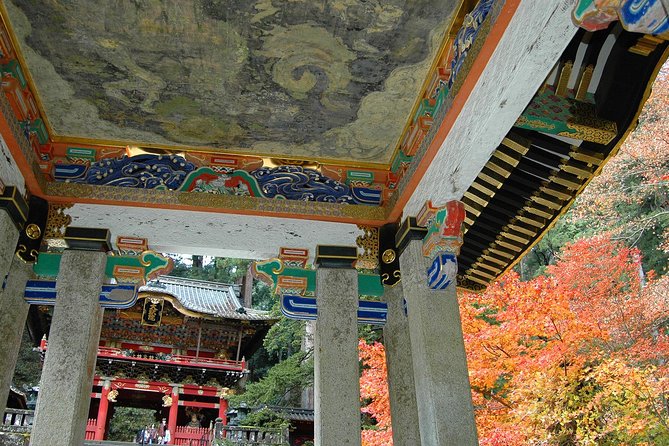
A lot of Nikko enjoyment is timing plus pacing. If you show up with a strategy, the day feels smooth. If you wander without a plan, the walking can catch up to you.
Here are the practical things I would prioritize:
- Expect uphill walking and steps. Wear shoes you trust on stone and uneven surfaces.
- Use the bus to shorten the worst connections between zones. The pass’s unlimited bus rides on the World Heritage Pilgrimage route are there for a reason.
- Check schedules using Tobu’s official websites. Even if you do not obsess over every minute, you want to know when buses and trains are running so you do not get stuck.
- Build your second day as a flexibility day. Since the pass is valid for two consecutive calendar days, you can shift your priority if one area takes longer than expected.
This is also a place where being a little early helps. If you start the day with transport sorted, you are less likely to feel rushed when you reach the shrine areas.
Who should book this pass, and who may prefer a different plan
This pass is a great fit if you:
- have a non-Japanese passport and want a pass built for foreign visitors
- plan a two-day Nikko focused trip
- want to use Tobu buses and local trains with minimal extra ticket buying
- are okay with local-train travel time and prefer predictable, included transport
You might think twice if you:
- have only one day and want the fastest possible route, since express or JR segments are not included
- plan to enter only one paid site and then mostly stroll around without using public transport much
- are visiting during a season where specific attractions have limited operating days, which can shrink your list
There is no single right choice. This pass is simply best when you are ready to move around within the coverage network.
Should you book the NIKKO PASS world heritage area?
If your goal is to see UNESCO shrine areas around Nikko and you want transport that is covered for multiple hops over two consecutive calendar days, I think this pass is an easy yes for eligible travelers. For the price point, the value comes from the unlimited local train and World Heritage Pilgrimage bus rides, not from surprise-free shrine admission.
Book it especially if you like the idea of having fewer decisions each time you change locations. The pickup is in a convenient place at Tobu Railway Asakusa station (1F), and the pass is structured around the core Nikko access routes.
But if you are chasing speed, or you only want to do one main paid stop, you may end up paying for transport you did not need. In that case, consider whether an express-focused plan makes more sense for your schedule.
FAQ
Is the NIKKO PASS world heritage area only for foreign tourists?
Yes. It is available only for foreign tourists with a non-Japanese passport, and you must show that valid passport on the day of the activity.
Where do I pick up the pass in Tokyo?
You pick it up at the Tobu Tourist Information Center Asakusa, located on the 1F of Tobu Railway Asakusa station.
How long is the pass valid?
Your pass is valid for 2 consecutive calendar days starting on the date you selected when booking. It is not based on a 24-hour period.
What train rides are included?
The pass includes a round trip between Asakusa and Shimo-Imaichi on Tobu local trains, plus unlimited Tobu local train rides between Shimo-Imaichi and Tobu-Nikko or Shin-Fujiwara.
Are shrine and temple admission tickets included?
No. Admission to shrines and temples in the Nikko area is not included.
Does the pass include bus transportation in the Nikko area?
Yes. It includes unlimited bus rides on the Tobu bus World Heritage Pilgrimage and unlimited bus rides up to the Rengeishi stop.
Does the pass cover limited express and JR train fees?
No. Limited Express and JR train fees are not included.
Are there seasonal closures to watch for?
Yes. Some Nikko area attractions only operate seasonally, so you should check before you go.
What is the cancellation policy?
You can cancel for free up to 24 hours in advance for a full refund. If you cancel less than 24 hours before the start time, the amount paid is not refunded.
More Historical Tours in Tokyo
More Tour Reviews in Tokyo
Not for you? Here's more nearby things to do in Tokyo we have reviewed












Nikko Day Trips, side by side.
 ★ 4.6Nikko: Kegon Falls, Lake Chuzenji & Toshogu TempleFrom $891,577 reviews
 ★ 4.5Nikko Toshogu Shrine and Kegon Waterfall TourFrom $841,266 reviews
 ★ 5.0Nikko Full-Day Private Tour with Government-Licensed GuideFrom $155259 reviews
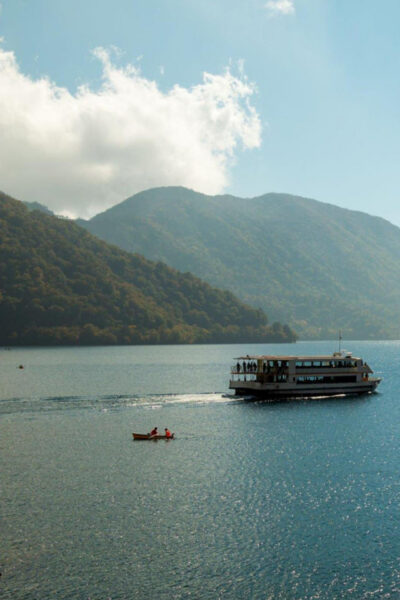 ★ 4.9From Tokyo: Nikko World Heritage Site Private Full-Day TripFrom $483243 reviews
 ★ 4.3Nikko: Edo Wonderland Edomura Cultural Theme Park TicketFrom $35205 reviews
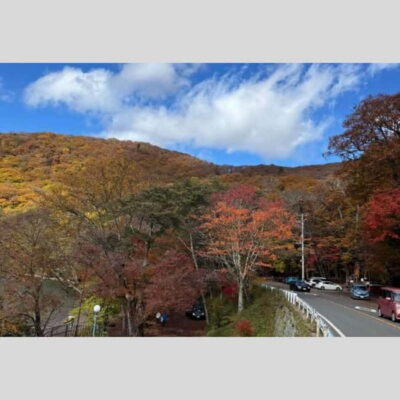 ★ 4.8Nikko World Heritage Private Day Trip Hotel Pick-upFrom $390145 reviews
From Tokyo: Nikko World Heritage Sight Full Day Private TourFrom $362127 reviews
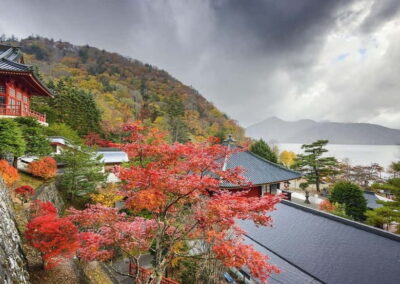 ★ 4.9Nikko – Beautiful Full-Day Personal and Private TourFrom $364119 reviews
This tour also belongs to