
Review · TOKYO CITY TOURS
Tokyo Oldtown: Historic Landmarks Go Kart Tour (100 Minutes)
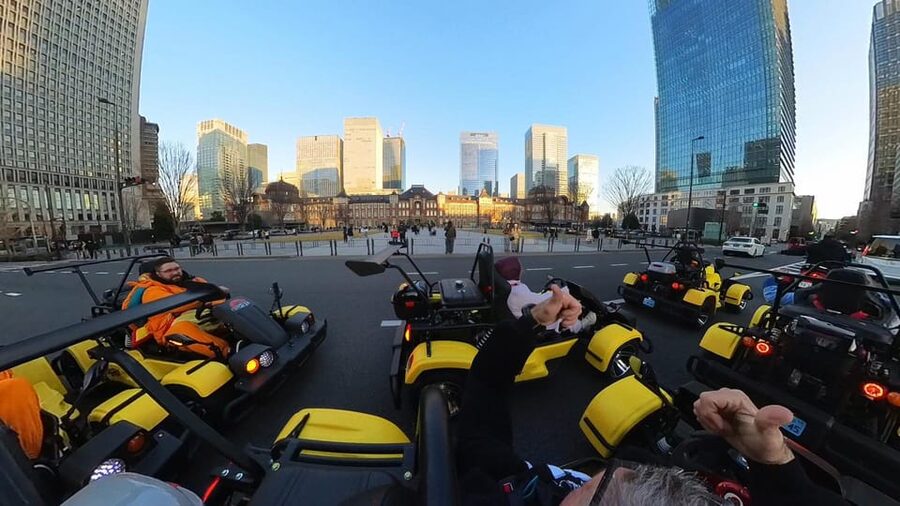
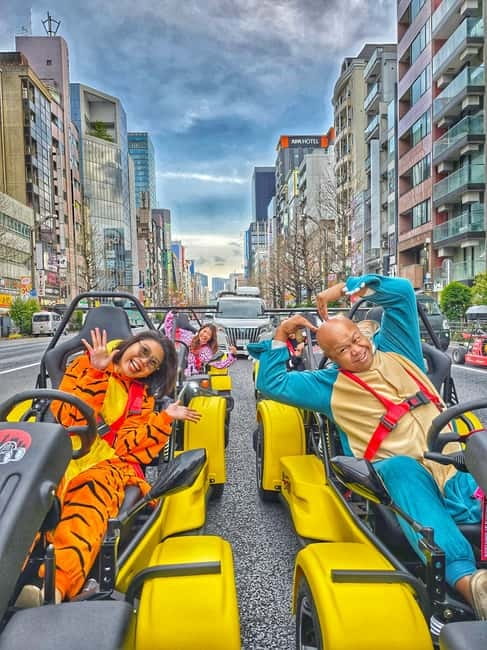
Tokyo on a go-kart feels weirdly perfect. If you want Tokyo at street level, not from a bus window, this Asakusa-centered Old Town route puts you right in the historical core, rolling past places like Senso-ji while your guide explains what you are actually looking at.
I also like that the karts are built for real city comfort, with stable handling and clear radio-guided safety. One thing to plan around: there is no locker space, and backpacks are not allowed, so travel light.
Key Points If You Want the Headline Version
- Asakusa-focused route centered on Tokyo’s older neighborhoods and temple area
- Comfort-first, street-legal karts with suspension and hydraulic brakes for confident driving
- Live storytelling with 2-way radio so you can hear cultural context and get safety guidance
- Optional on-board Insta360 for hands-free footage, with free equipment but a micro-SD card needed
- Small group size (up to 10) which helps the pace stay relaxed and beginner-friendly
Why This Tokyo Old Town Go-Kart Style Works
Tokyo can feel like two different cities at once. There is the skyline and the neon, and then there is the older grid of neighborhoods where daily life and centuries-old sites share the same streets. This tour leans hard into that second Tokyo layer.
You start with driving fundamentals and then move through a route designed for seeing, not racing. The pace matters. When you are not trying to go fast, you can actually look at shop signs, temple streets, and the way people move through intersections. That is where the experience becomes more than just fun wheels.
You can also read our reviews of more historical tours in Tokyo
Meeting at Kartzilla Near Skytugi and Getting Set Up Fast
Your meeting point is the Kartzilla Go Kart facility, located about an 8 to 10 minute walk from Yotsugi Station on the Keisei Line. The building is clearly marked with signage, and if you have trouble finding it, you can call for help.
Bring what you need to drive. You will need a valid driver’s license plus the right documentation depending on where you are from. If you are an overseas visitor not resident in Japan, you need your passport, a valid local driver’s license, and an International Driving Permit (IDP). Japan recognizes only IDPs issued under the 1949 Geneva Convention. If you are coming from Switzerland, Germany, France, Belgium, Monaco, or Taiwan, special rules apply, including the option to drive with Japanese translation assistance.
This is one of those tours where the checklist actually matters. If your documents are not correct, the whole experience stalls before it starts.
What the Kartzilla Go-Karts Feel Like to Drive
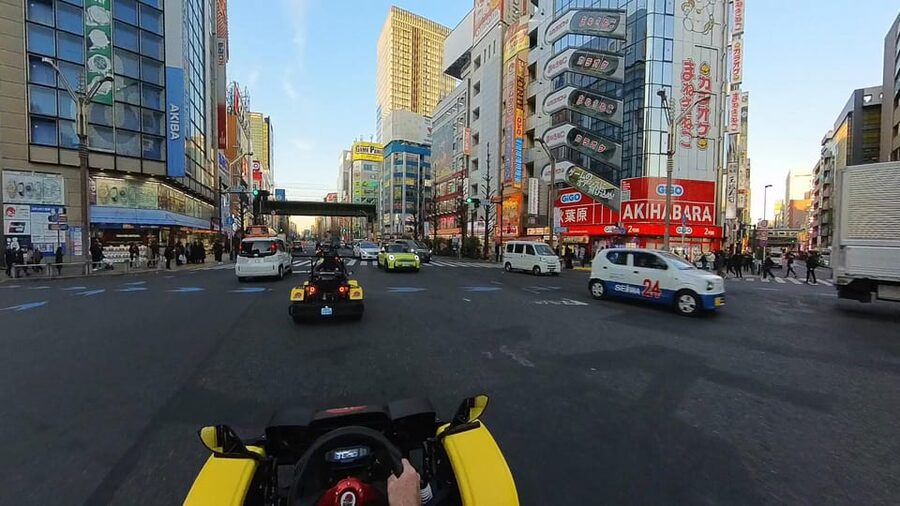
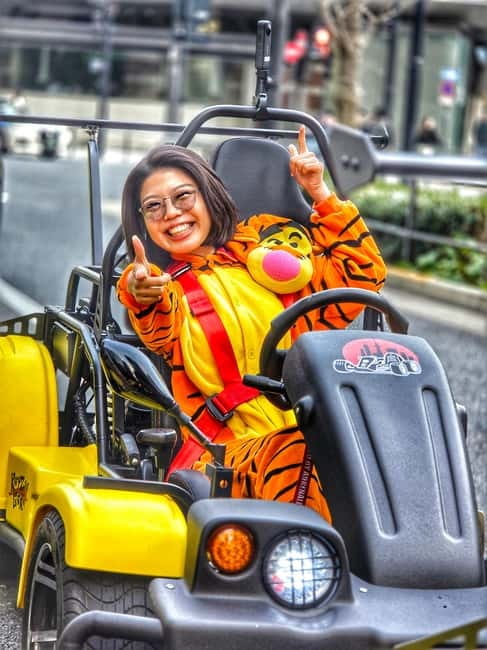
This tour is built around karts designed for city roads, not just a theme-park circuit. I love that the setup is comfort-first, because it changes who the experience works for.
Here is what you can expect from the purpose-built kart design:
- Advanced suspension for a smoother ride over uneven surfaces
- Hydraulic brakes for more precise stopping and better control
- Reinforced frames sized to comfortably accommodate big and tall riders
- Stable handling that makes the driving feel predictable, even if it is your first time
You are briefed on road safety up front, then you drive with a guide leading and communicating throughout. A 2-way radio system helps keep the route moving smoothly and keeps you from guessing.
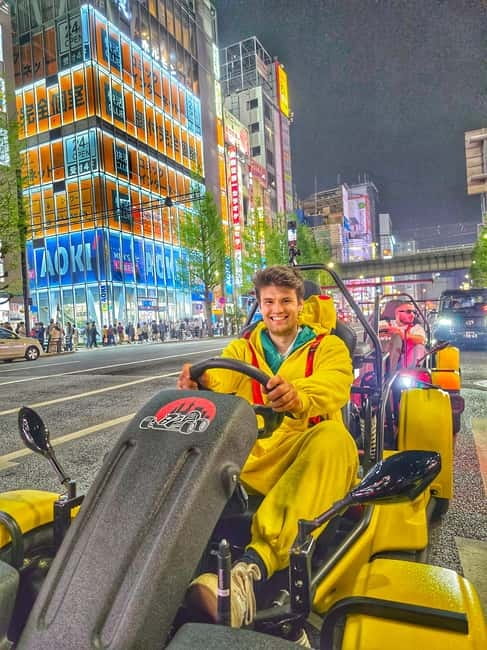
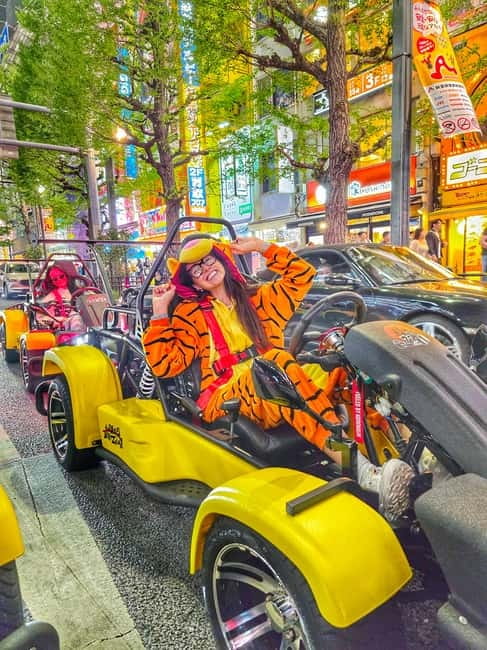
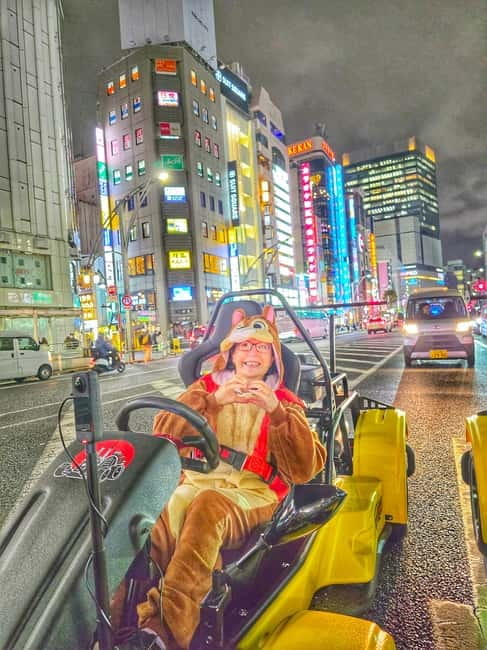
And yes, there is a costume included. That sounds minor, but it helps set the tone, and it makes the photos feel more like an event than just a snapshot.
Live Guide Storytelling, Not Just Sightseeing
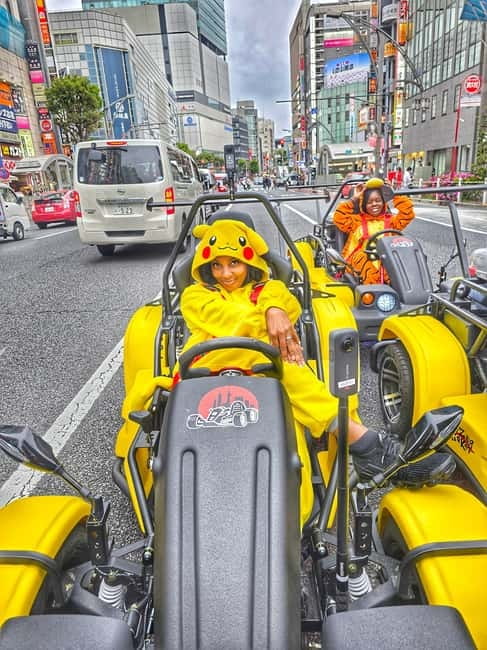
The guiding is a big part of the value here. Your guide shares landmark stories and culture in real time, and they also give safety guidance while traffic and pedestrians move around you.
Kartzilla tours run with live guide support in English, German, and Persian. You may see guide names like Travis, Satar, or Hiro mentioned in past experiences, and Hiro is specifically noted for helping with translation support for driver’s license situations. Even without name-specific help, the key idea is the same: you get direction you can actually understand while you are on the move.
The storytelling angle is what makes the route feel like Tokyo, not a driving game. It connects what you see at the next stop to what it meant historically and culturally.
Stop-by-Stop Route: What You See and Why It Matters
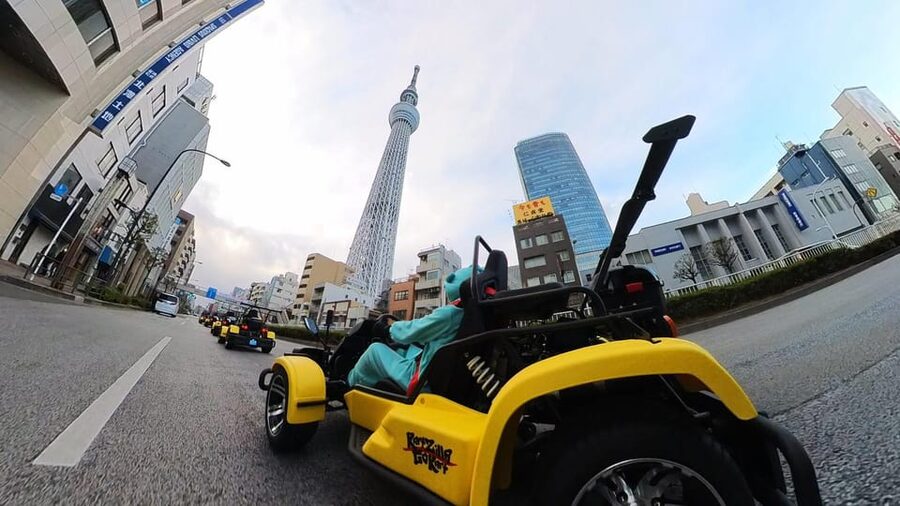
This is a 100-minute guided ride that moves through several iconic zones and anchors the experience in Tokyo’s older core. I like the mix because you get variety without losing the focus on Old Town.






Tokyo Skytree area, then you roll into landmark Tokyo
You begin at the Kartzilla facility near Tokyo Skytree and then start moving out with scenic views along the way. Skytree is a useful starting point because it gives you an easy mental landmark for orientation. From there, the route starts transitioning from the newer city edge into more historic and traditional streets.
What to know: the driving phase right after the briefing is where you build confidence. If you are nervous, treat it like warm-up laps, even though you are in real traffic.
Japanese Sword Museum, a fast cultural detour
The Japanese Sword Museum stop is guided, and it is a good way to add cultural context early in the ride. Even if you are not a specialist in sword history, this kind of stop helps explain craftsmanship, tradition, and cultural symbolism in a way that photos alone often miss.
Tradeoff: it adds a break from driving, so build a little patience into your mindset. You are there for a story, not a speed record.
Ryogoku Kokugikan, sumo energy in the city flow
Ryogoku Kokugikan is a standout stop name, and it fits the tour theme because it connects Tokyo’s public culture to real places. This stop gives you a chance to see how major traditions show up in everyday city geography.
Practical note: you will likely do some guided looking before you roll again. Keep your attention on your guide, especially around pedestrian crossing points and street turns.
Tokyo Station, modern transit power you can feel
Tokyo Station is one of those sights that changes how you think about scale. The architecture and transit layout make it feel like a separate world inside the city. Riding past it helps you read Tokyo’s “systems,” not just its monuments.
Why it works from a go-kart: you get motion. You are not standing still taking the same photo everyone takes, you are moving through the area and watching how people actually use it.
Imperial Palace area, quiet contrast inside a major capital
The Imperial Palace stop adds a contrast. After busy city intersections, you get a more restrained feel. Guided explanation helps you connect why this area is treated differently in Tokyo’s urban life.
You will likely spend time listening while you take in views. That is the sweet spot for this tour style. The kart gets you close to places fast, but your guide keeps the meaning from getting lost.
Akihabara, technology and street identity
Akihabara brings the modern Tokyo edge into the mix. This is where the tour stops being only about “Old Town,” and starts showing how Tokyo layers newer identity on top of older foundations.
What I like here: the tour does not throw Akihabara in as a random street. You get it as part of the drive sequence, and your guide can frame how neighborhoods develop their character.
Ueno, culture and everyday city life
Ueno is a solid mid-late stop because it is a transition zone in feel. You get a chance to see how cultural districts sit alongside everyday movement.
From a driving perspective, this is also when your confidence is usually highest. You have already learned how the kart behaves, so you can focus on noticing small details like how the streets narrow or open.
Asakusa, Senso-ji and the Old Town core
Asakusa is the heart of the tour. It is home to Senso-ji, Tokyo’s oldest Buddhist temple, and it is one of the city’s most culturally significant areas. This is where you can slow down mentally because the surroundings make it easy to connect history to lived street scenes.
You drive through Asakusa and surrounding Old Town neighborhoods, with traditional streets, historic architecture, temples, and local shopping areas. If you care about street-level Tokyo, this is the payoff.
What to keep in mind: the tour is designed for a relaxed beginner-friendly pace, so you will not be sprinting across the area. That is good. You will have time to look instead of just pass through.
Photos and Insta360: Capturing Without Breaking the Moment
You have an optional on-board Insta360 camera setup. The advantage is hands-free recording from the driver’s seat, which means you can keep both attention and posture on the road guidance while capturing the ride.
There is also a free photos component included with the experience, but equipment works a specific way:
- The camera equipment is free
- You must purchase a micro-SD card if you want your video saved
So, if you care about film-style memories, plan for that small extra purchase. If you do not, you can still enjoy the ride and rely on the tour photos.
The Real Value of $90 for 100 Minutes
At $90 per person for 100 minutes, this is not a budget-only activity. The value comes from the bundle.
You are paying for:
- A street-legal, comfort-focused go-kart
- Fuel and an accident insurance component
- A live expert guide
- Drinks during the experience
- A small group setting capped at 10 participants
- Optional video capability plus included photos
What I find persuasive is the combination of safety systems and guidance. When you are driving in a dense city, that matters. A cheaper go-kart option might give you wheels, but it usually does not provide the same level of guided safety communication and cultural interpretation.
What to Bring, What You Should Leave at Home
This tour runs on practical rules. Follow them and you will have an easy start.
Bring:
- Passport
- Driver’s license
- (For many overseas visitors) an International Driving Permit that matches the accepted convention
Not allowed includes:
- Backpacks
- Food and drinks in the vehicle
- Pets
- Alcohol and drugs
- Baby carriages
- Bare feet
Also remember: no locker space is listed as included. Since backpacks are not allowed, you should plan to carry essentials in a small bag or keep items minimal. If you show up with more than you can manage, you may end up stressed instead of excited.
Who This Tour Suits Best (and Who Should Skip It)
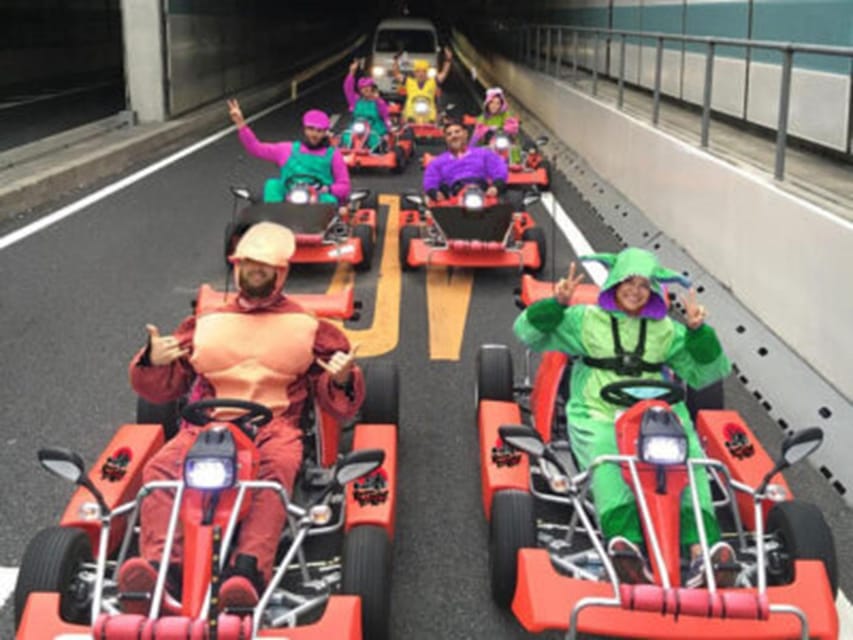
This is a strong pick if:
- You want Tokyo beyond the main entertainment zones
- You like guided explanations you can hear while moving
- You want a relaxed, beginner-friendly experience rather than racing
It is not suitable for:
- Wheelchair users
- Children under 18 years
- People who are visually impaired
- People over 95 years
- Drivers under 18 years
If you fall into any of those categories, it is worth skipping this one and finding a different style of tour that matches your needs.
Should You Book the Tokyo Old Town Go-Kart Tour?
Book it if you want a classic Tokyo “see it from the ground” experience. The Asakusa-centered route, the comfortable street-legal karts, and the 2-way radio guidance make it feel safe enough to focus on the sights. I also think the live storytelling is the difference between a fun drive and an actually memorable Tokyo walk-through.
Skip it if you are not comfortable handling the driving rules or you prefer a tour where you can bring and store a lot of gear. With no locker space and backpacks not allowed, you will want to travel light. If you can do that, this is one of the more enjoyable ways to connect with Tokyo’s older streets without standing in lines all day.
More Historical Tours in Tokyo
More Tours in Tokyo
More Tour Reviews in Tokyo
Not for you? Here's more nearby things to do in Tokyo we have reviewed












Tokyo City Tours, side by side.
 ★ 5.01-Day Tokyo Bus TourFrom $12914,250 reviews
 ★ 4.5TOKYO SKYTREE® Admission ticketFrom $1311,192 reviews
 ★ 4.6teamLab Planets TOKYO Digital Art Museum Entry TicketFrom $259,779 reviews
 ★ 4.0Mt Fuji & Hakone Cruise, Drum Show Bullet Train 1 Day from TokyoFrom $1497,413 reviews
 ★ 5.0Shinjuku Food Tour (13 Dishes at 4 Local Eateries)From $866,603 reviews
 ★ 4.4Tokyo Mt Fuji 5th St & Hakone Cruise Bus Tour w/Bullet TrainFrom $1545,024 reviews
 ★ 5.0Flagship 2-Hours Official Street Go-Kart Tour – Tokyo Bay ShopFrom $644,974 reviews
 ★ 4.5From Tokyo: Mount Fuji Full-Day Sightseeing TripFrom $684,970 reviews
This tour also belongs to