
Review · TOKYO CITY TOURS
Private Tokyo Tour with English Speaking Guide
Tokyo clicks better with a private guide. This walking tour strings together big-name districts and major sights, with hotel meet-up and drop-off plus an English-speaking guide to translate the city into something you can actually use. The one catch is that the observation stops at Tokyo Tower and Tokyo Skytree are not included, so you’ll want to budget for those tickets on your own.
What I like most is the way the route flips moods as you go: neon street energy in Shibuya and Harajuku, quiet time at Meiji Jingu, then back to temples and food in Asakusa and Tsukiji. In one example, the guide Hikari stood out for being responsive ahead of time and strong with English during hotel pickup, which matters when you are trying to hit a lot without losing time.
Price-wise, it sits at $97.73 per person for a private group, and it tends to get booked about 66 days in advance, so plan early if your dates are fixed. You also get a mobile ticket and group discounts, which can make the per-person cost feel more fair, especially if you are traveling with friends.
Key Highlights You’ll Notice Fast
- Private, only your group so the pace and route can match your interests
- Hotel meet-up and drop-off so Tokyo Station is not your only option
- A smart mix of Tokyo eras, from Meiji Jingu’s torii gates to Akihabara’s electronics streets
- Most stops are free to enter, which helps keep the day’s costs predictable
- Two major skyline choices, Tokyo Tower or Tokyo Skytree, each with a separate ticket
- Mobile ticket that helps on arrival day, not on vacation day stress
Starting at Tokyo Station, Then Letting Neighborhoods Do the Work
This is a private Tokyo walking tour that begins at Tokyo Station (1 Chome-9 Marunouchi, Chiyoda City, Tokyo 100-0005) and ends back at the same meeting point. That matters because Tokyo is huge and signage can be confusing when you are moving between different subway lines. Even if you are comfortable navigating, starting from a central hub can cut down the time you spend “figuring it out.”
You also have pickup and drop-off options, which I like because it lowers friction. If you are staying outside the city center, you still get pulled into the day without having to solve logistics first thing.
The tour runs about 2 to 8 hours depending on the flow of your route and pace. Most stops list free admission, which means your schedule is less likely to get derailed by ticket lines, at least for the temple and neighborhood portions. The two exception points are the observation decks at Tokyo Tower and Tokyo Skytree, where you will pay separately.
One practical note: public transportation costs are excluded, and snacks are not included. You can absolutely do this day without buying food every hour, but I recommend planning for small breaks and having water on hand.
You can also read our reviews of more guided tours in Tokyo
Shibuya Crossing: The Big Moment, With Context
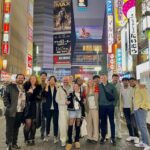
Shibuya is the first stop, centered on the area’s most famous intersection. Shibuya Crossing is one of those Tokyo scenes that looks familiar from photos but feels different in person, mainly because the crowd behavior is so organized. Watching the crosswalk choreography while you have a guide’s explanation can help you notice details you would otherwise miss, like how the pedestrian flows work.
What I like here is that the stop is short, about 30 minutes. That keeps it from turning into a long “photo session” and leaves you energy for the next neighborhoods. If you are sensitive to crowds, this is still workable because it’s a defined timeframe.
A consideration: Shibuya is not quiet. If your group wants a calmer morning, you may prefer to keep your time focused on the crossing and the nearby streets, then move on quickly.
Harajuku Station: Fashion Streets and Youth Culture at Street Level
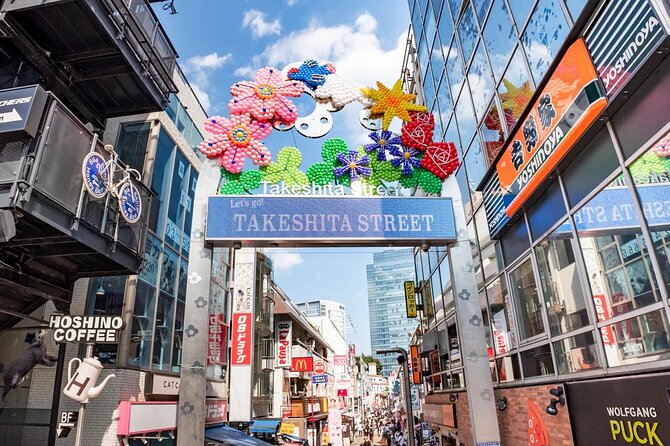
Next comes Harajuku Station, around another 30 minutes. Harajuku is where Tokyo shifts from global-famous landmarks to style-driven street life. You’ll see the bold street fashion vibe, plus shops and quirky cafes that attract people looking for something different.
This stop works best if you treat it like a wander with a target. The guide can point out what is worth browsing and what is more show than substance. If you want souvenirs that feel more Tokyo than generic, Harajuku is usually the place to look.
The trade-off is that Harajuku can be crowded in a way that feels more “fashion foot traffic” than sightseeing crowds. If you dislike shopping crowds, you may want to focus on one or two blocks and skip the deep browsing.
Meiji Jingu Shrine: Torii Gates, Forest Quiet, and a Reset
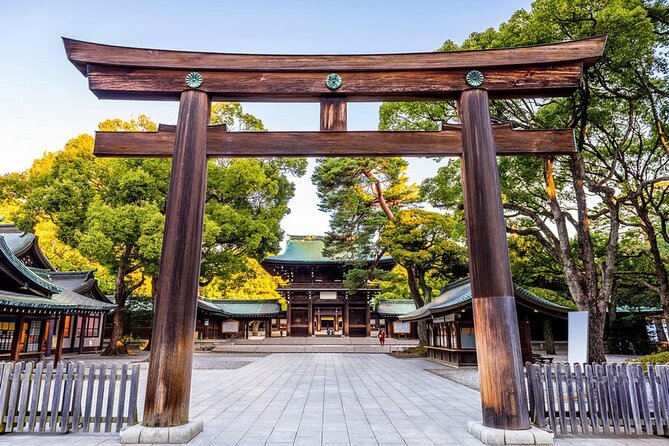
Then you head to Meiji Jingu Shrine, dedicated to Emperor Meiji and Empress Shoken. The listed highlight is the lush forest setting and the experience of walking through towering torii gates. In practical terms, this stop is your break from the city’s pace.
Meiji Jingu gives you a reset. Even if you are not a temple expert, this is one of the simplest ways to see a different side of Tokyo: less neon, more space, more stillness. A guide helps here because you get context for what you are looking at, so the shrine grounds feel meaningful rather than just scenic.
This is another 30-minute stop, which I think is ideal. You get the emotional contrast without turning the whole day into one long calm walk. Just wear shoes you can handle on walking paths, because shrine grounds often involve steady ground travel.
Shinjuku: Skyscrapers and City Energy, Without the Guesswork
Shinjuku is next, about 1 hour. This district blends tall buildings with shopping and nightlife, and it can feel like Tokyo’s speed turned up a notch. You get to see a modern Tokyo core while still having plenty of time to move on.
Why this stop is useful on a private walking route: Shinjuku looks like a mass of towers and streets from a distance. With a guide, you can orient quickly and decide where you want photos versus where you want a calmer look at the architecture and city layout.
The drawback is obvious if you’ve been in Tokyo before: Shinjuku can be overwhelming. For first-timers, that hour is helpful because it brings order. For anyone who prefers quieter sightseeing, you might want to concentrate on specific photo angles and then let your guide steer you to less crowded streets.
You can also read our reviews of more private tours in Tokyo
Asakusa and Senso-ji Temple: Old Tokyo You Can Walk Through
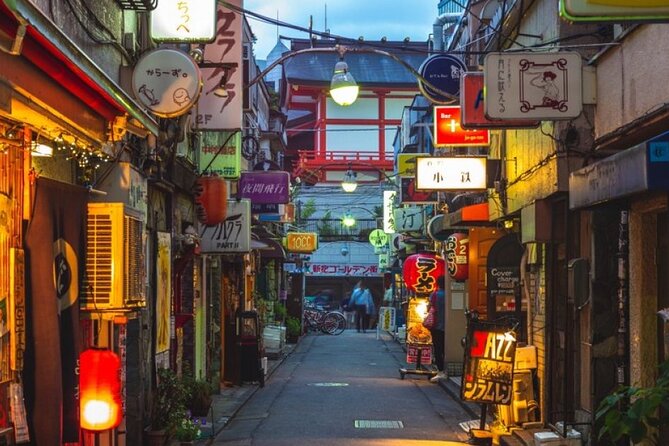
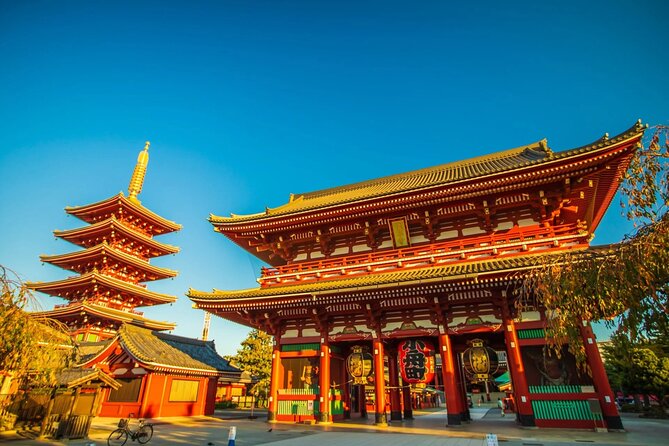
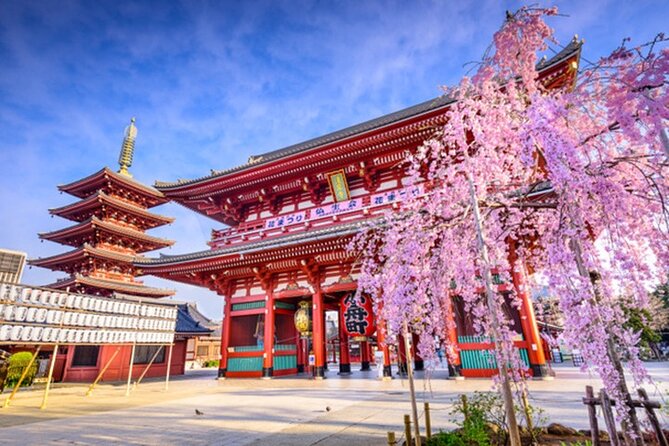
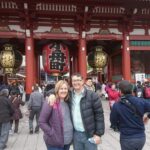
Asakusa is one of the strongest stops on this tour, with about 1 hour in the historic district and then a separate 30 minutes at Senso-ji Temple. Asakusa is famous for Senso-ji, Japan’s oldest and most revered Buddhist temple, with roots dating back to the 7th century.
At the temple itself, you’ll get the big visual anchors: Kaminarimon, the grand entrance gate, and the activity around Nak… (the well-known Nakamise area). These are the places that define classic Asakusa street life. Even when you are not shopping, the atmosphere is part of the experience.
This is also where a guide helps you avoid common time traps. Without help, it is easy to wander in circles around the crowds. With guidance, you can hit the key scenes quickly, then step back and enjoy the street rhythm.
One practical consideration: Senso-ji and Nakamise areas can get busy. If your group travels with anyone who gets tired in crowds, plan for a slower pace here and do not try to rush everything.
Tsukiji Fish Market: Food Focus, With a Modern Twist
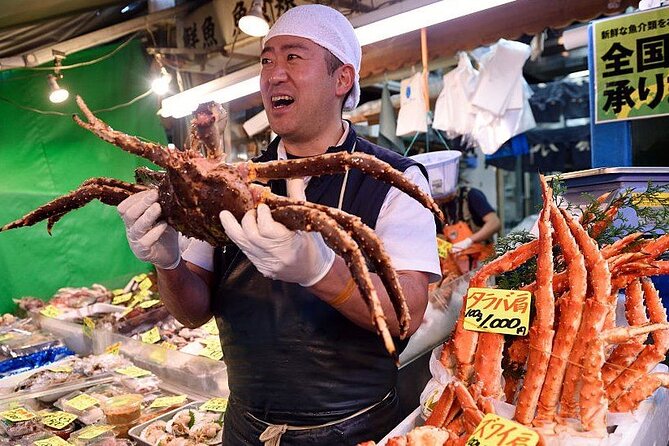
Next is Tsukiji Fish Market for about 45 minutes. Historically famous as a massive wholesale seafood market, the inner wholesale operations have relocated to Toyosu, but the outer market area still draws visitors.
This stop is great if you like food culture more than “museum culture.” Even when you do not buy anything, you’ll see how the market environment works: stalls, quick bites, and the day-to-day pace. With a guide, you can make better choices about what to sample and where to spend time.
Budget note: the stop is listed as free admission, but your food purchases are up to you. Since snacks are not included, treat Tsukiji as your built-in opportunity to eat something you cannot easily recreate at home.
Akihabara: Electric Town for Electronics and Anime Fans
Akihabara comes next, also about 45 minutes. It’s often called Tokyo’s Electric Town, and you’ll find tech shops, anime culture, and gaming hubs. This is a “browse with purpose” kind of district, and a guide can help you filter the massive amount of storefronts into a manageable route.
If you love gadgets, game hardware, collectible figures, or just the general Tokyo pop-culture scene, you’ll probably enjoy the stop a lot. If you are not into it, you can still appreciate Akihabara as a window into how Tokyo mixes global tech culture with local fandom.
A consideration: prices and crowds can vary wildly block to block. If you want calmer browsing, ask your guide for the direction that avoids the busiest stretches.
Tokyo Tower or Skytree: Two Skyline Tickets, One Big Payoff
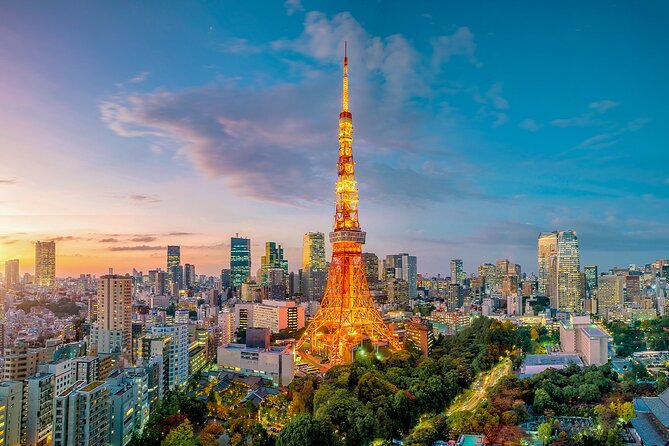
The tour includes time for both major viewpoints, each about 30 minutes: Tokyo Tower first, then Tokyo Skytree. Tickets for both observation decks are not included, so plan to spend extra money here if you want the full view experience.
Why these stops matter on a walking tour day: by the time you reach these towers, you have already seen how Tokyo is layered. Tokyo Tower offers classic landmark vibes, with its 333-meter height and the famous resemblance to the Eiffel Tower. Tokyo Skytree is more modern, Japan’s tallest structure at 634 meters, and it tends to feel like a “current Tokyo” viewpoint with a lot going on around the base.
How to decide which one to do: if you want a traditional landmark feel, Tokyo Tower may fit better. If you want the “biggest in Japan” excitement and a more expansive observation experience, Tokyo Skytree is the one to prioritize. If you do both, you’ll likely spend more money and time, but you’ll also get two different skylines and city perspectives.
Odaiba: A Futuristic Break on the Bay
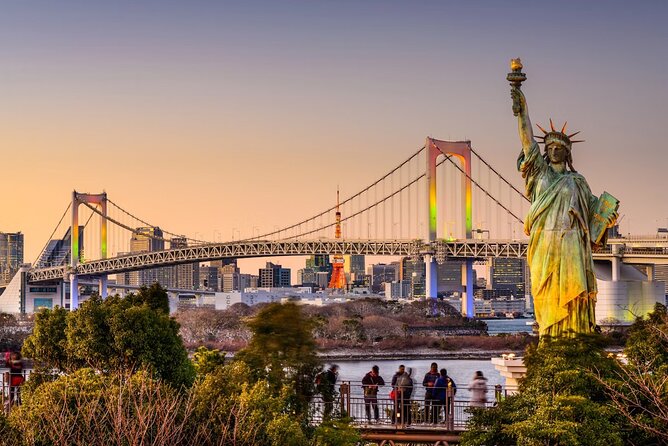
Odaiba is next, about 30 minutes. It’s a futuristic entertainment and shopping district on a man-made island in Tokyo Bay. The route mention includes the Rainbow Bridge, which is a big photo draw and helps explain why Odaiba feels like a different world.
Odaiba works as a late-day mood shift. After temples, markets, and tech streets, you get modern architecture, open space, and a calmer feel even if there are other visitors. If you like architecture and city layout, Odaiba can be a good wrap-up.
A consideration: Odaiba is a “what you make of it” stop. If your group wants only top sightseeing hits, it can feel more shopping-and-leisure than must-see. If you like the idea of a futuristic Tokyo contrast, it’s a strong final chapter.
Time, Walking, and How to Make the Day Feel Easy
Because this is a private walking tour with hotel meet-up and drop-off options, the main comfort variable is how your group paces itself. The total time range is listed as about 2 to 8 hours, so you can usually shape the day to your energy.
Here’s what I’d plan around, practically:
- Wear comfortable shoes for the walking segments between neighborhoods and sight stops.
- Expect some crowd density at Shibuya and Senso-ji, and keep your photo priorities tight.
- Bring water and a small snack plan, since snacks are not included.
- If you hate waiting for tickets, focus on the observation decks early or be ready to time it well.
Weather matters too. The experience requires good weather, and if it’s canceled due to poor conditions, you’ll be offered a different date or a full refund.
What You Get for $97.73: A Value Check
At $97.73 per person, the value depends on how you travel. For a private tour, you’re paying for two main things: a tailored route and fewer logistics headaches.
This tour includes English speaking guidance, plus hotel meet-up and drop-off. That can be a big deal in Tokyo, because moving between districts takes time even when you know what you’re doing. When you add that most stops have free admission, the day’s costs can stay controlled except for Tokyo Tower and Tokyo Skytree tickets.
If you’re traveling with a group, the presence of group discounts can improve the value further. If you are traveling solo or as a couple, you’re likely doing a “pay for convenience” trade. The good part is that private also usually means better pacing, fewer bottlenecks, and less dead time.
If you already know Tokyo well and you love building your own day, you might feel you could save money with public transit and self-guided planning. But if you want to see a wide cross-section of Tokyo without the stress, this price can feel reasonable.
Who This Tour Fits Best
This private Tokyo tour is a great match if you:
- Want a clear, organized route through Tokyo’s top neighborhoods
- Prefer English guidance to decode what you’re seeing
- Want a mix of iconic sights and different neighborhood vibes in one day
- Appreciate free-admission stops, then budget for the two tower tickets
It may not be ideal if you:
- Only care about one or two attractions and hate paying for a longer route
- Want snacks fully handled (they are not included)
- Have very tight budget constraints for observation deck entry
Also, it lists that children aged 11 and under are free of charge if you inform in advance, and service animals are allowed. The tour is near public transportation, and most travelers can participate.
Should You Book This Private Tokyo Tour With Abc Travels?
I’d book it if you want structure, English support, and a day that connects Shibuya, Harajuku, Meiji Jingu, Asakusa, Tsukiji, Akihabara, and a skyline viewpoint without you mapping every turn. The strongest reason is the mix: you get Tokyo’s modern energy, then a temple reset, then food culture, then tech pop culture, then a skyline finale.
I’d pause before booking if you know you will skip Tokyo Tower and Tokyo Skytree. Since their observation tickets are not included, your final cost may rise. Also, if your schedule is fragile, plan around the good weather requirement, because the tour can be moved or refunded if conditions are poor.
If you’re trying to make a first Tokyo trip feel efficient and still human, this one is a solid pick.
FAQ
How long is the private Tokyo tour?
The duration is listed as approximately 2 to 8 hours.
Is this tour private?
Yes. It is a private tour, so only your group participates.
What is included in the price?
It includes hotel meet-up and drop-off, an English speaking guide, and children aged 11 and under are free if you inform in advance. It also notes that a mobile ticket is provided.
What is not included?
Public transportation cost is excluded, snacks are excluded, and traveling only using public transportation or taxi is not included as part of the experience.
Are entrance tickets included for all stops?
Most stops are listed as free admission. Tokyo Tower and Tokyo Skytree have admission ticket costs that are not included.
Where does the tour start and end?
It starts at Tokyo Station (1 Chome-9 Marunouchi, Chiyoda City, Tokyo 100-0005, Japan) and ends back at the meeting point.
Is hotel pickup available?
Yes. The experience includes hotel meet-up and drop-off, and it also lists pickup offered.
Can kids join for free?
Children aged 11 and under are free of charge, as long as you inform in advance.
What happens if the weather is poor?
The experience requires good weather. If it is canceled due to poor weather, you will be offered a different date or a full refund.
Are service animals allowed?
Yes, service animals are allowed, and the tour is near public transportation.
More Guided Tours in Tokyo
More Tours in Tokyo




More Tour Reviews in Tokyo


Not for you? Here's more nearby things to do in Tokyo we have reviewed












Tokyo City Tours, side by side.
 ★ 5.01-Day Tokyo Bus TourFrom $12914,250 reviews
 ★ 4.5TOKYO SKYTREE® Admission ticketFrom $1311,192 reviews
 ★ 4.6teamLab Planets TOKYO Digital Art Museum Entry TicketFrom $259,779 reviews
 ★ 4.0Mt Fuji & Hakone Cruise, Drum Show Bullet Train 1 Day from TokyoFrom $1497,413 reviews
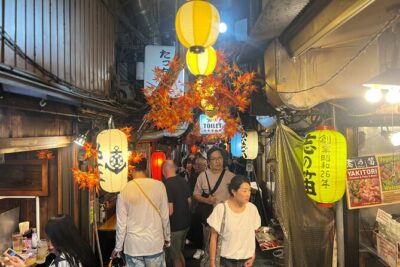 ★ 5.0Shinjuku Food Tour (13 Dishes at 4 Local Eateries)From $866,603 reviews
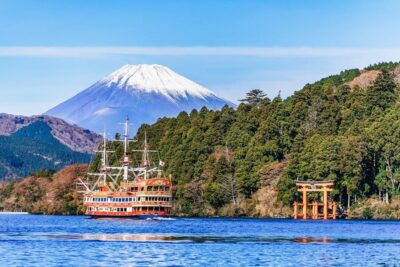 ★ 4.4Tokyo Mt Fuji 5th St & Hakone Cruise Bus Tour w/Bullet TrainFrom $1545,024 reviews
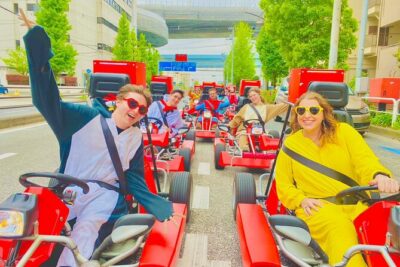 ★ 5.0Flagship 2-Hours Official Street Go-Kart Tour – Tokyo Bay ShopFrom $644,974 reviews
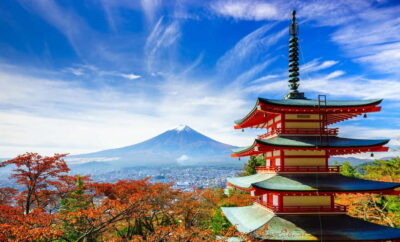 ★ 4.5From Tokyo: Mount Fuji Full-Day Sightseeing TripFrom $684,970 reviews