
Review · TOKYO CITY TOURS
Private Tokyo Tour with Licensed Guide & Vehicle (Max 15 persons)
Tokyo, but without the subway math. This private tour trades metro stress for a hotel pickup car ride, with a licensed English guide who can steer your day. You also get to customize 3 to 4 stops from major Tokyo hits, from Meiji Jingu to Tsukiji Fish Market.
I also like how photo stops are built in, so you do not just rush by landmarks. The main catch is time. With about 6 hours and short windows at each site, you must choose stops that make sense together, or you will feel rushed.
Key takeaways before you book
- Door-to-door convenience saves hours of navigating Tokyo on your own
- Pick 3 to 4 stops so the day fits your interests, not a fixed script
- Great guide support for history, food choices, and practical recommendations
- Car transport helps with weather, walking limits, and quick hops between areas
- Some paid admissions apply, especially Meiji Jingu, Ueno, and Tokyo Tower
- Tokyo Tower is main deck only, not the top deck
The Real Benefit: A Private Car Lets You Think Like a Local
Tokyo is amazing, but the transit puzzle can wear you out fast. This is built around the simple idea of getting you from neighborhood to neighborhood in a private vehicle, with pickup and drop-off tied to your hotel. That matters on a first trip, when you are still learning where everything sits.
What you gain is control. You are not stuck doing one more station transfer because a train is late or because your route got complicated. Instead, you can spend your energy on the places you actually chose, whether that is shrine time, street food, or shopping.
You can also read our reviews of more guided tours in Tokyo
Group size and pace that work for families
This is private, only your group in the car. The vehicle cap is up to 15 people, but the pricing you see is listed per group up to 4. If you are traveling as a family or a small group with mixed ages, that setup often hits the sweet spot.
You still need to plan for the pace. Most stops are scheduled for around 30 minutes, with one or two shorter hits. That makes the tour great for getting oriented, then going back later on your own.
Hotel Pickup, Smooth Drop-offs, and Why It Changes Your Day
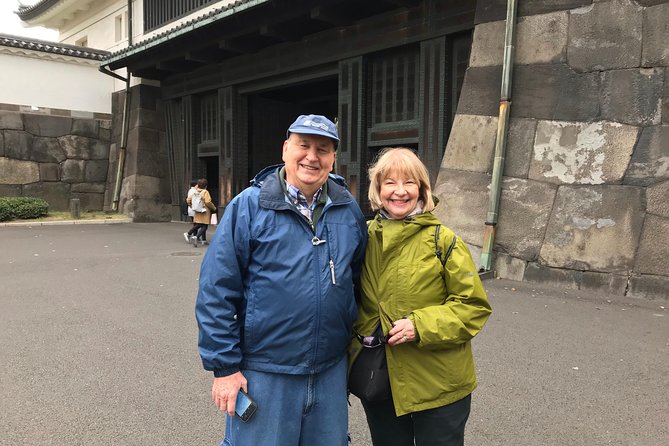
Pickup and drop-off are the quiet superpower here. When you start at your hotel, the day begins with less friction and less decision-making. It also means your time is spent on Tokyo, not on figuring out where to meet and which exit to use.
Guides on this style of experience are often praised for practical logistics. Some have shown up with clear, structured plans that help you understand what you are seeing and what comes next. One approach I liked in particular is when a guide shares an organized schedule with notes ahead of time, so you walk into each stop with context, not guesswork.
Where the car helps most
If you have any of these, a private vehicle is a big advantage:
- You want photos without sprinting across crossings and platforms
- You are balancing teens and grandparents
- Weather is an issue, or you just want fewer steps
- You want to jump between very different Tokyo zones in one day
Stop 1: Imperial Palace Area for Edo-Era Atmosphere
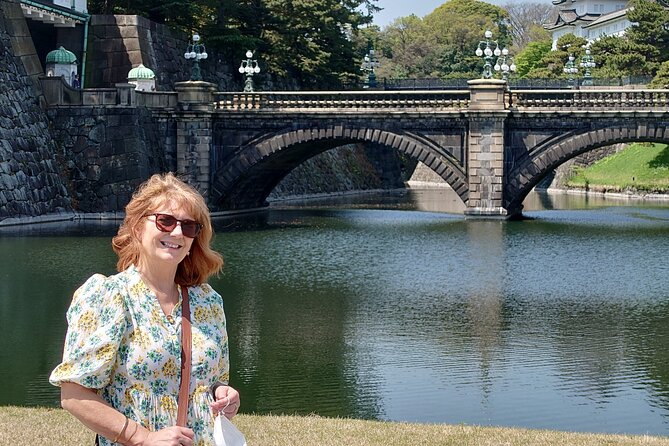
The Imperial Palace stop is short, about 30 minutes, and admission is listed as free. This is a good choice if you want a major historical anchor near the center of Tokyo.
The appeal is that you can feel the layers of time in one place. Even in a quick visit, the atmosphere and natural surroundings help the Edo period feel real, not just like a museum label. It is also a nice warm-up before you switch gears to louder, trendier neighborhoods later.
You can also read our reviews of more private tours in Tokyo
How to use this stop well
Keep it simple here:
- Walk the perimeter areas you can access in your time window
- Take photos where the greenery frames the view
- Treat it as orientation, not a long deep-dive
Stop 2: Takeshita Street for Harajuku Fashion Energy
Takeshita Street is a classic Harajuku hit, scheduled for about 30 minutes, and admission is free. This is where you go to see kawaii street fashion in full force and take photos with that playful Tokyo vibe.
This stop works best if you have a shopping goal. It is easy to get distracted here, so I recommend deciding ahead of time whether you want:
- Small accessories and novelty items
- Fun outfits or layers you can actually bring home
- Photo moments and people-watching
A practical tip
If shopping is a priority, ask your guide for suggestions based on your style. That can help you avoid the most touristy spots and find the stores that actually match what you want.
Stop 3: Senso-ji and Asakusa for Old Tokyo Plus Street Snacks
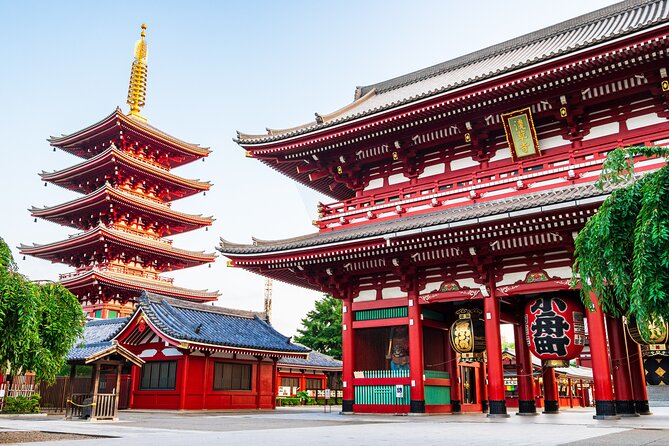
Senso-ji Temple is one of the stops that really sells the idea of Tokyo in layers. You get the classic temple experience in about 30 minutes, and admission is listed as free.
The fun part is pairing the spiritual sight with old-school street food. The tour highlights dango and agemanju, which is a deep-fried sweet bean filled mochi. Even if you do not turn this into a full food crawl, it gives you something you can taste while you walk.
Timing matters more than you think
This is where the tour can feel crowded fast, especially on busier times of day. A strong strategy is to choose the earlier departure you can if Senso-ji is on your must-do list. You want enough time to look around without feeling like you are being swept along.
Stop 4: Kappabashi Kitchen Street for Plastic Food Models and Utensils
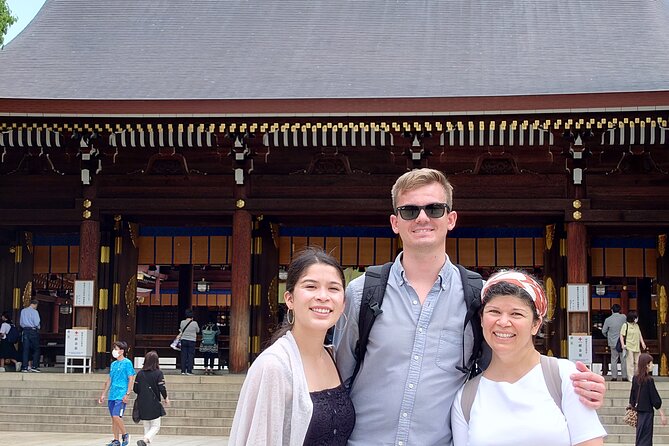
Kappabashi is one of the most Japan-specific shopping stops. Your time window is about 30 minutes, and admission is free.
Here you shop for uniquely Japanese cooking utensils and those famous plastic sample food models. The models are so accurate they feel like tiny sculptures. A lot of people grab a miniature food model keychain as a low-cost, high-fun souvenir.
Why this stop is worth it
Kappabashi is not just shopping for the sake of shopping. It is a chance to buy something useful, or at least something tied to Japan’s food culture. If you love ramen, gyoza, or kitchen gadgets, this is the kind of stop that sticks in your memory.
Stop 5: Meiji Jingu Shrine for Shinto Quiet in the City
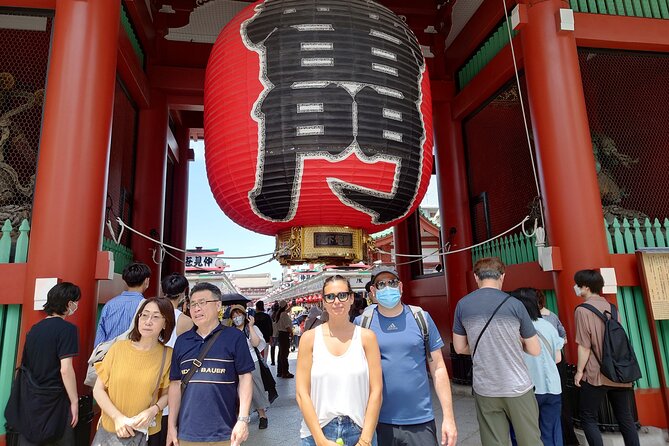
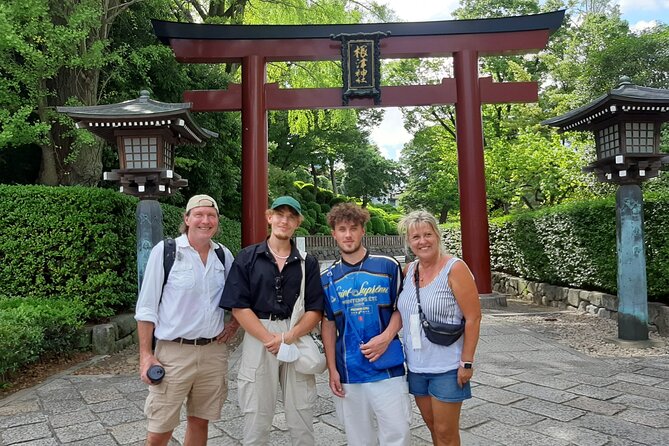
Meiji Jingu is scheduled for about 30 minutes, and admission is not included. This stop is about feeling the shift from Tokyo noise into a calmer, more grounded space.
The highlights are the peaceful shrine setting and the ancient trees. You walk in and your brain slows down. It is a great counterbalance after Harajuku or after shopping-heavy neighborhoods.
Budget note
Because admission is not included, you should plan a little extra for entry. Your guide can also point you to the most worthwhile areas within the short time window.
Stop 6: Tsukishima Monjya Street for a Tokyo Specialty Bite
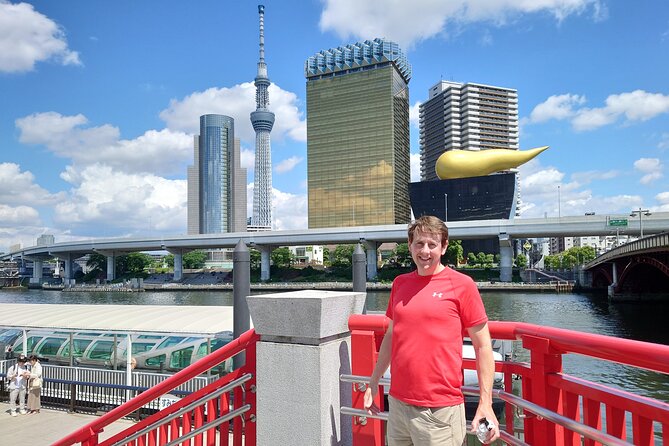
Tsukishima Monjya Street gives you a food-forward Tokyo moment. It is listed as about 30 minutes with admission free.
Monjya is the kind of dish that is hard to find if you only rely on a quick hotel breakfast plan. This stop helps you try something that feels local to Tokyo rather than a generic tourist menu.
How to get the most from this stop
Treat it like a taste mission:
- Ask your guide what to order based on your group’s comfort with flavor and texture
- If you have dietary limits, speak up early so your guide can steer you
Stop 7: Ginza for Department-Store Shopping and Mikimoto Pearls
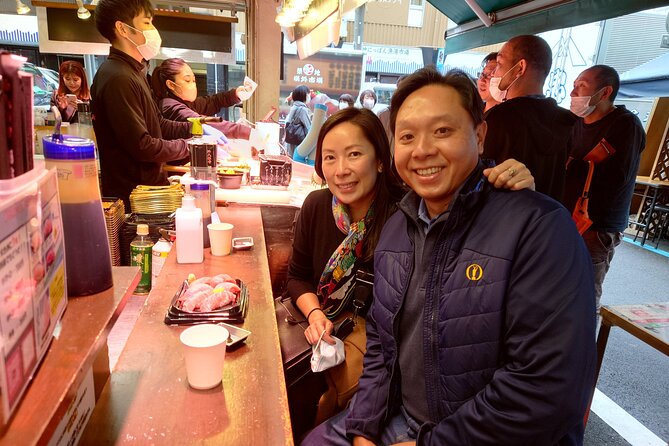
Ginza is your upscale shopping zone. The schedule lists about 30 minutes and admission as free.
This is where high-end department stores become part of the experience. The tour also calls out Mikimoto, including the chance to shop for pearls if that is your thing.
Who this stop fits
Ginza is best for you if:
- You like quality retail, not bargain hunting
- You want a clean, polished Tokyo contrast to the street-level chaos of Harajuku and Asakusa
- You want a photo and shopping stop without turning the whole day into a mall marathon
Stop 8: Shibuya Crossing and Hachiko for Organized Chaos
Shibuya Crossing is often described as the busiest crossing in the world, with Hachiko’s statue nearby. This stop is positioned as a quick photo stop, and it is ideal if you want a modern Tokyo icon in your day.
The value is the contrast. One moment you are in calm shrine space. The next moment you are watching Tokyo’s traffic system and human flow do their thing.
How to do it without stress
Because it is a short stop, plan for:
- Photos first, then one or two quick shops or streets nearby
- A clear meeting point if you want to step away briefly
Stop 9: Akihabara for Anime, Tech, and Gachapon Breaks
Akihabara is listed as about 30 minutes, and admission is free. This is the spot for tech nerd energy, anime shopping, and gachapon hunting.
If you love gadgets, characters, or collectible toys, this stop is a fast way to get a taste of Japanese geek culture without needing a whole separate day.
What to buy if you are stuck
Go for small, high-satisfaction items:
- Gachapon capsules or small collectibles
- Character-themed stationery and accessories
- Simple tech souvenirs that will not be hard to travel with
Stop 10: Yanaka Ginza for Retro Lanes, Stray Cats, and Croquettes
Yanaka Ginza is a more laid-back shopping street with a retro feel and plenty of stray cats. Your time window is about 30 minutes, and admission is free.
This stop also calls out croquettes, which are a classic Japan snack you can eat while you wander. It makes Yanaka feel like a mini stroll, even though the schedule stays tight.
Why Yanaka is a smart pairing
If you already have Harajuku or Akihabara on your list, Yanaka adds balance. It is a calmer Tokyo rhythm, with an old neighborhood vibe rather than themed stores and crowds.
Stop 11: Ueno Park Quick Hit for Shrines, Ponds, and Museum Vibes
Ueno Park is a shorter stop here, about 10 minutes, and admission is not included. That means this is not a full park experience. It is more like choosing a quick highlight, then moving on.
The tour frames Ueno as a hub with museums, a zoo, a Toshogu Shrine, and Shinobazu Pond. It is also famous as a cherry blossom party spot.
Best way to use only 10 minutes
If Ueno is on your list, decide what you want most:
- A single shrine or pond view
- A quick photo moment
- A short walk to feel the place
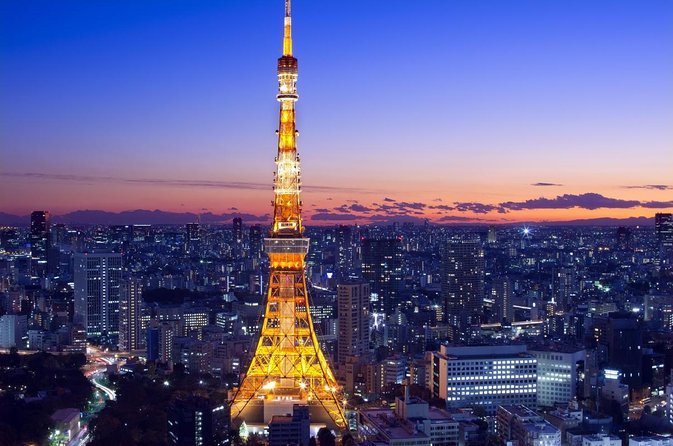
Stop 12: Tokyo Tower Main Deck Views Without Top-Deck Time
Tokyo Tower is included as about 30 minutes, and admission is not included. Important detail: the schedule specifies access up to the main deck only, not the top deck.
That matters. Top decks can eat time with lines. Main deck access still gives you big skyline views without turning the stop into a half-day project.
Who should choose Tokyo Tower
Pick it if:
- You want an iconic Tokyo skyline shot
- You prefer an observation stop that stays contained
- You know you will do your own deeper exploring later
Stop 13: Tsukiji Fish Market for Seafood Snacks and Market Energy
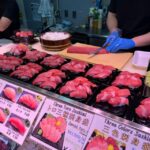
Tsukiji is framed as the old fish market area and scheduled for about 30 minutes with admission free. If you like food, this stop often becomes the highlight of the day for the way it smells, looks, and moves.
The practical angle: it is full of delicious and unique foods, and locals and tourists come to snack and buy. The tour also encourages you to purchase something to support local vendors.
Simple strategy
Even if you are not planning a full meal here, buy one thing you can eat immediately. It makes the market feel like a Tokyo experience, not just a sightseeing photo.
How to Choose Your Best 3 to 4 Stops for a 6-Hour Day
Because your day is customized to 3-4 sites, the biggest mistake is trying to do all of Tokyo in one afternoon. You want stops that are:
- In logical geographic flow
- Different enough to feel varied
- Strong on what you care about most
Easy combos that usually work
For first-time orientation:
- Imperial Palace area
- Meiji Jingu
- Senso-ji
For food lovers:
- Senso-ji
- Tsukishima Monjya Street
- Tsukiji Fish Market
For shopping and street culture:
- Takeshita Street
- Kappabashi Kitchen Street
- Ginza
For modern and geek Tokyo:
- Shibuya Crossing
- Akihabara
- Ginza or Yanaka Ginza
One rule of thumb
If you love a place so much you want more time, it will need a separate day. This tour is for seeing a lot, then choosing your return stops later.
What the Guide Adds Beyond Directions
A private guide is not just someone holding a map. The best guides on this kind of tour add three things:
- Context that makes what you see make sense
- Practical tips for what to buy or eat
- Flexibility when your group needs a slight adjustment
I have seen guides use simple teaching tools like charts, maps, and flip-chart style visuals. That can make Japan history and religious traditions click faster than trying to read everything on the street.
Another standout strength is meal guidance. Some guides have recommended lunch spots that match dietary needs, not just the most popular restaurant.
And in real-world chaos, guides help keep your day moving without bulldozing your pace. That is especially useful when your group spans ages, energy levels, or mobility needs.
Price and Value: What $553.58 per Group Really Buys You
The listed price is $553.58 per group for up to 4, with a private licensed English guide and vehicle for about 6 hours. That is not cheap compared to public transit, but private Tokyo is expensive for a reason.
You are paying for:
- Hotel pickup and drop-off
- A guide who handles logistics and timing
- A car that reduces walking and transfer fatigue
- The ability to customize 3-4 stops instead of being stuck with a fixed circuit
Here is the practical math. If you travel as 4 people, your cost per person drops. If you travel as 2, it rises. Either way, the main question is whether you are buying back time and stress.
Also remember, some admissions are not included, and lunch is not included. Your final total depends on how many paid sites you choose.
Practical Tips So Your Day Does Not Slip Away
- Wear shoes that handle a little walking. Even “short” stops add up.
- Decide your shopping priorities before you go, because areas like Harajuku and Kappabashi are easy to get sidetracked in.
- If Meiji Jingu Shrine, Ueno Park, or Tokyo Tower are on your plan, budget for admissions, since they are marked not included.
- Tokyo Tower is main deck only. If top-deck views are a must, plan that on another day or confirm options with your provider.
- If you need car seats or boosters, note that the number is limited. Rear-facing car seats are not available, so you should contact the operator directly ahead of time.
- Service animals are allowed.
- You cannot combine multiple tour groups in one vehicle.
Should You Book This Private Tokyo Highlights Tour?
Book it if you want a first-trip Tokyo overview with less effort. It is a smart fit for families, couples, and anyone who likes planning ahead but still wants flexibility. The private car, the licensed English guide, and the ability to pick 3-4 sites let you shape the day around your interests.
Skip it or consider a different format if you are the type who wants long museum time, slow wandering, or multiple neighborhoods beyond the short windows. This tour is designed for momentum, not for a slow, deep study day.
If your goal is to hit iconic Tokyo spots, eat at the right places, and get your bearings fast, this is a strong choice.
FAQ
How long is the private Tokyo tour?
The tour lasts about 6 hours.
How many stops can I customize?
You can customize the day with 3 to 4 sites from the experience’s stop list.
Is hotel pickup and drop-off included?
Yes. Hotel pickup and drop-off are offered.
Do I get a licensed English speaking guide?
Yes. A licensed local English speaking guide is included.
Is this tour private to my group?
Yes. It is a private tour. Only your group participates, and the vehicle can accommodate up to 15 people.
Are admission tickets included for all stops?
No. Some stops list admission as free, while others list admission as not included. Meiji Jingu Shrine, Ueno Park, and Tokyo Tower are listed as not included.
Is lunch included in the price?
No. Lunch and other personal expenses are not included.
Are car seats or boosters available for kids?
Car seats and booster seats are limited. Rear-facing car seats are not available, so you need to contact the provider directly if you require them.
Can I get a full refund if I cancel?
Yes, you can cancel up to 24 hours in advance for a full refund.
More Guided Tours in Tokyo
More Tours in Tokyo




More Tour Reviews in Tokyo


Not for you? Here's more nearby things to do in Tokyo we have reviewed












Tokyo City Tours, side by side.
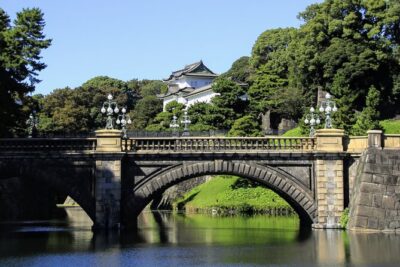 ★ 5.01-Day Tokyo Bus TourFrom $12914,250 reviews
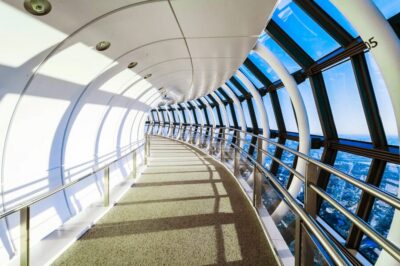 ★ 4.5TOKYO SKYTREE® Admission ticketFrom $1311,192 reviews
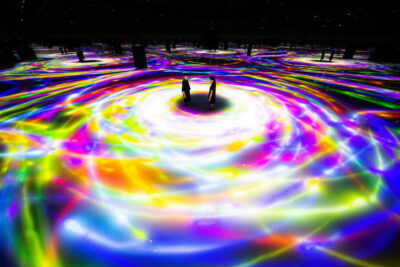 ★ 4.6teamLab Planets TOKYO Digital Art Museum Entry TicketFrom $259,779 reviews
 ★ 4.0Mt Fuji & Hakone Cruise, Drum Show Bullet Train 1 Day from TokyoFrom $1497,413 reviews
 ★ 5.0Shinjuku Food Tour (13 Dishes at 4 Local Eateries)From $866,603 reviews
 ★ 4.4Tokyo Mt Fuji 5th St & Hakone Cruise Bus Tour w/Bullet TrainFrom $1545,024 reviews
 ★ 5.0Flagship 2-Hours Official Street Go-Kart Tour – Tokyo Bay ShopFrom $644,974 reviews
 ★ 4.5From Tokyo: Mount Fuji Full-Day Sightseeing TripFrom $684,970 reviews