
Review · TOKYO CITY TOURS
Get Unique Insights into Tokyo – Private Tour with local Guide
Tokyo gets less scary fast. This private walk strings together iconic stops like Meiji Jingu Shrine, Shibuya Crossing, and Shinjuku, while your guide keeps the day organized and photo-friendly. I like that it is truly private, so the pace can flex to your energy level, and I like that you get tea or coffee plus a traditional Japanese snack, so you are not running on espresso fumes. One drawback to plan for: you will be on your feet and moving between neighborhoods, so comfy shoes and a realistic attitude about walking time matter.
You can usually choose a morning or afternoon start, and the tour ends near Shinjuku Station, which makes it easier to keep your Tokyo day going. In the guide reviews, names like Jero and Franz come up often, and the standout pattern is customization, friendly teaching (including shrine manners), and taking photos so you do not spend your whole trip juggling your phone.
Key Highlights
- Private guide, not a cattle line, with lots of room to tailor the day
- Photos included (solo and group shots at landmarks), plus reports of guides sending photos afterward
- Flexible timing with morning or afternoon options and a duration that can run from 2 to 6 hours
- Food support for the middle of the day, tea or coffee and a traditional Japanese snack included
- A smart neighborhood mix, from Harajuku fashion streets to Shibuya and Shinjuku city views
Price and Value, $82.90 for a Neighborhood Reset
At $82.90 per person, this tour is not trying to be the cheapest ticket in Tokyo. The value comes from three practical things: you get a guide who can translate Tokyo into neighborhoods, you get built-in pacing, and you get help moving around without guessing.
First, you are paying for time that would otherwise be spent figuring out what order to do things in. Tokyo is famous for being huge and organized at the same time, which can still feel confusing when you land. A private intro tour helps you get your bearings fast so the rest of your trip feels easier.
Second, the tour includes transportation between destinations. That matters because Tokyo hopping is not just walking, it is also taking trains and managing transfers. Even if you love transit, it is tiring. Here, the route is planned so you are not wasting energy on logistics.
Third, the included tea or coffee and snack is a small line item that saves your day. When you are moving through Harajuku and Shibuya, you can easily end up skipping meals until you are starving. This tour builds in a basic comfort check.
So who gets the best deal? First-time visitors, short-timers, and anyone who wants the city’s big wow moments plus local know-how without spending hours researching.
You can also read our reviews of more guided tours in Tokyo
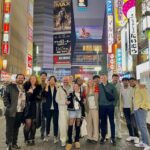
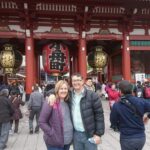
Meiji Jingu Shrine and Harajuku Takeshita Street: From Calm to Color
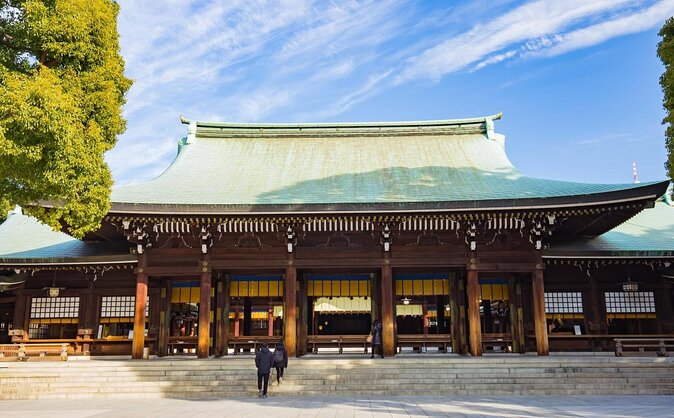
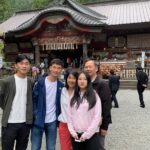
The tour typically starts at Meiji Jingu Ichino Torii area, then moves into the shrine grounds. Meiji Jingu Shrine is one of Tokyo’s most iconic Shinto shrines, and the guide’s job is to help you understand what you are seeing and how to behave respectfully. In the reviews, people praised the guides for teaching proper customs at the shrine, which is exactly what you want on your first trip. Tokyo has rules, and you should not have to guess them.
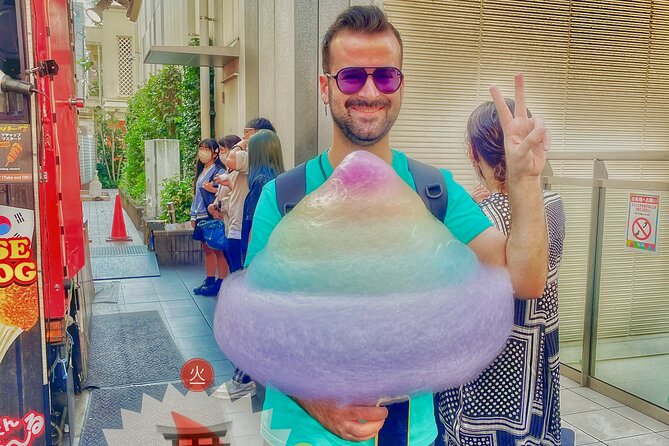
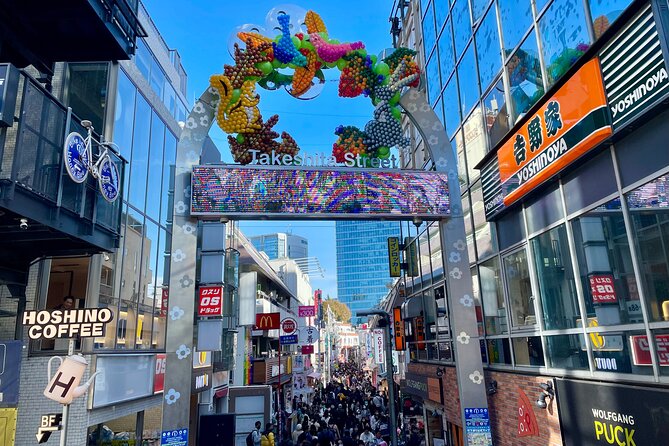
After the peaceful shrine walk, the day turns into a contrast machine. You head to Harajuku and Takeshita Street, Tokyo’s famous shopping strip known for bold fashion and nonstop energy. You will see the street-style scene, but the value here is that your guide can explain what you are looking at and point you toward choices you might not notice on your own.
Harajuku can feel like sensory overload if you go in cold. With a guide, it becomes a fun science experiment: you can focus on the story of youth fashion and shopping culture without getting lost.
A quick consideration: Takeshita Street is busy, and photos can be harder when crowds swell. The tour’s photo plan helps, but you should still expect some moments where you pause, wait, and accept that Tokyo is Tokyo.
Shibuya Crossing and Shinjuku Skylines: Learn the Rhythm, Then Watch It
No Tokyo intro tour is complete without Shibuya Crossing. This intersection is described as the world’s busiest, and that is the point. You do not just stand there, you learn how to move through it as a pedestrian when the crowd is doing crowd things.
The guide experience makes a difference here. People appreciated tips for navigating metro and planning movement through busy zones. That means you are not stuck in the same spot waiting for the light like everyone else. You get a simple way to watch the spectacle while also staying in control of your timing.
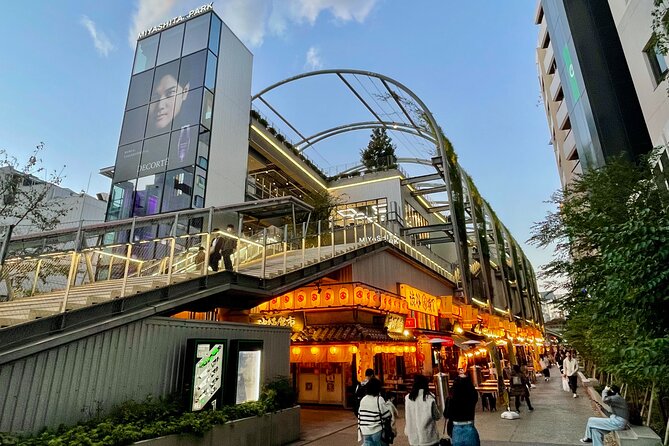
From Shibuya, the plan typically includes a train hop to Shinjuku. That transition matters because Shinjuku is where Tokyo feels like a movie set. Expect skyscraper views and bright lights, plus photo stops timed so you do not spend your best daylight standing in the wrong place.
Then the tour often finishes with a big neon contrast inside Kabukicho. The plan includes Giant 3D Cat as the finish landmark near Shinjuku, and the route can include Kubukicho Tower, described as a place to see Neon Tokyo. If you want the feeling of Tokyo at night without paying for separate tickets or doing a solo scavenger hunt, this is the kind of wrap-up that helps.
Practical thought: Shibuya and Shinjuku are easiest early on or with clear pacing. If you choose a time when you are tired, you might feel like you are speed-walking through your own photos. Pick your energy level, and you will enjoy it more.
Kubukicho Tower to Odaiba Aqua City and Unicorn Gundam
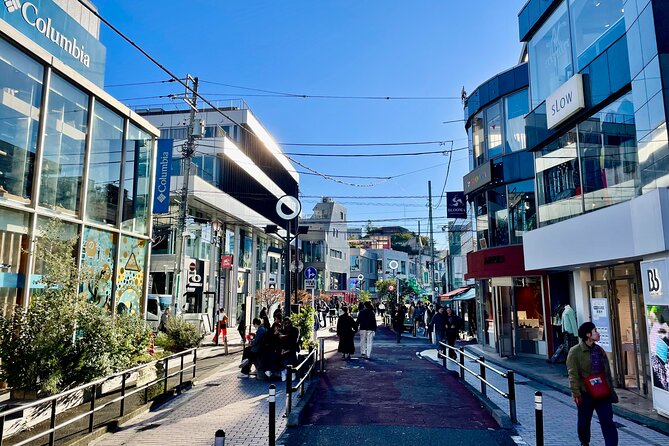
One of the strengths of this tour is that it does not treat Tokyo as one mood. You can shift from neon streets to futuristic waterfront scenes.
For that, the itinerary can include Odaiba with Aqua City, DECKS Tokyo Beach, and the nostalgic Hikara Yokocho area. You also visit the Unicorn Gundam statue. This is the section for people who like Tokyo’s more playful side, including pop culture and the kind of big, photo-ready public art Tokyo does so well.
Why this works for value: it expands the tour beyond the standard shrine plus shopping plus skyline formula. You get a different kind of Tokyo, and it breaks up the day so you are not only riding the Harajuku-to-Shibuya-to-Shinjuku loop.
Potential drawback: Odaiba is a longer hop from central Tokyo. If you are doing the shorter 2 to 4 hour version, Odaiba might not be included every time. The good news is the tour is flexible by duration, so you can choose the amount of Tokyo variety you actually want.
Asakusa, Akihabara, and Ueno Park: Culture, Tech, and a Breather
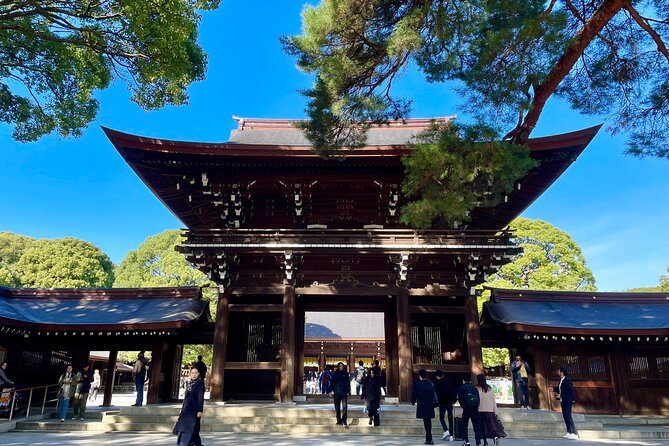
If you choose a longer run, the tour can extend into areas that tell different stories.
Asakusa is included, described as Tokyo’s origin during the Edo period, when it was a main entertainment district with kabuki theaters, geisha houses, and street performers. Even if the city looks different now, the guide can help you connect the present to that older fun and performance tradition.
Then there is Akihabara, often called Akiba. The description is clear about its roots as a post-war black market for radio parts, and it has since grown into one of Tokyo’s most distinctive electronics and fandom zones. The guide can help you see it through a historical lens instead of just shopping your way through.
Next, Ueno Park brings a reset button. It is described as one of Tokyo’s beloved green spaces, with cultural offerings and seasonal beauty. It also connects back to Kaneiji Temple, and the park becoming public land. If your day already includes heavy streets and nonstop crowds, Ueno helps you breathe and recharge.
For timing, this is where the tour’s 2 to 6 hour flexibility really matters. If you only want the core highlights, keep it shorter. If you want variety across Tokyo’s different “types,” pick the longer option so these extra neighborhoods make sense.
You can also read our reviews of more private tours in Tokyo

Imperial Palace East Gardens and On-the-Ground Etiquette
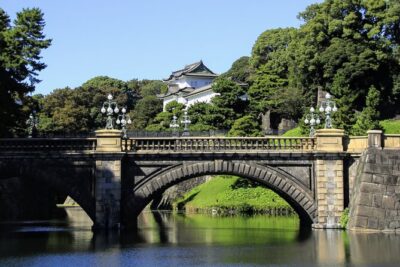
One more stop that can be part of the route is the Imperial Palace East Gardens. This area is presented as a peaceful central retreat and a window into Japan’s feudal past, with remnants like stone walls, gates, and a moat linked to Edo Castle.
This matters because Tokyo has two speeds: high energy streets and quiet places where you can slow down and think. An intro tour that includes one calm, central historical area helps you not feel like you spent your entire day sprinting.
Also, etiquette is not only for shrines. Reviews mention guides teaching manners and being respectful at Meiji Jingu, and that same approach often sets the tone for how you move through neighborhoods without being “tour mode 24/7.”
Photos, Snacks, and Transit Help That Make the Day Work
The tour is built around small supports that make a huge difference in real life.
You get solo-pictures and group-pictures of you with famous landmarks. That is more than a nice extra. It means you can actually enjoy the moment instead of spending it filming through your own head.
In the guide-specific reviews, Jero is repeatedly praised for taking pictures and then sending them afterward. That is a thoughtful touch if you want your day documented but do not want to fiddle with camera settings in the moment.
You also get coffee and/or tea plus a traditional Japanese snack. In Tokyo, that can be the difference between enjoying street scenes and getting cranky. I like that the tour acknowledges the reality of long walking blocks and gives you a timed break.
Finally, the tour includes transportation between destinations. You will also get help with navigating transit, including tips that make metro easier to understand right after the tour, when your brain is still figuring out which lines go where.
A key consideration: since the duration can be 2 to 6 hours, ask your guide to match the plan to your stamina. If you want more photos, you need slightly more time. If you want more neighborhoods, you need slightly fewer photo stops. A good private guide will help you strike that balance.
Who This Private Tokyo Walk Is For, and Who Might Skip It
This tour is a strong fit if you are:
- A first-time visitor who wants a fast overview of Tokyo’s most famous neighborhoods
- Short on time and want the day to feel planned rather than improvised
- Someone who wants local recommendations, not just checkboxes
- A couple, solo traveler, or family who values a private pace
It is also ideal if you like being taught. Reviews highlight guides who explain what you are seeing and how to act respectfully at shrines.
You might skip it if:
- You hate walking and would rather do Tokyo by car only. This is a walking-focused tour.
- You want deep museum-style time. This tour is about seeing multiple areas and getting context fast.
- You already have a detailed Tokyo plan and a friend who knows the city well. In that case, you could build your own route, but you would lose the photo and snack structure.
Should You Book This Private Tokyo Overview Tour?
If you want Tokyo to feel manageable on day one, I think this is a smart booking. For the price, you get private attention, a photo plan, included tea and snack, and a guided flow that connects Harajuku, Shibuya, Shinjuku, and potentially more neighborhoods like Asakusa, Akihabara, and Ueno.
Book it if you want your first hours to set you up for the rest of the trip. Skip it if you are already fully confident navigating Tokyo solo and you only want one neighborhood at a time.
Either way, pick your tour length based on how much walking you can handle. Then show up ready to ask questions. A good guide turns a photo stop into understanding, and that is what makes this kind of tour worth it.
FAQ
Is this a private tour or shared?
This is a private tour/activity. Only your group participates.
How long is the tour?
The duration is approximately 2 to 6 hours, depending on what you choose during booking.
Where does the tour start and end?
It starts near Meiji Jingu Ichino Torii in Jingūmae, Shibuya, Tokyo, and it ends near the Giant 3D Cat landmark in Shinjuku. The finish point is near Shinjuku Station.
Is pickup available?
Pickup is offered, based on the tour option you select when booking.
What is included in the price?
Transportation between destinations is included. The tour also includes coffee and/or tea, a typical Japanese snack, and photo support (solo pictures and group pictures) of you at landmarks, plus an English-speaking private guide.
Do I need to buy tickets for attractions?
The tour includes transportation between destinations, but it specifically lists food and drinks as not included. Ticket requirements for any specific attractions are not stated here.
Can I cancel and get a refund?
Yes. You can cancel up to 24 hours in advance for a full refund.
Is the tour suitable for beginners and most people?
It says most travelers can participate. It is a walking tour, so comfortable walking shoes are a good idea.
More Guided Tours in Tokyo


More Tours in Tokyo





More Tour Reviews in Tokyo


Not for you? Here's more nearby things to do in Tokyo we have reviewed












Tokyo City Tours, side by side.
 ★ 5.01-Day Tokyo Bus TourFrom $12914,250 reviews
 ★ 4.5TOKYO SKYTREE® Admission ticketFrom $1311,192 reviews
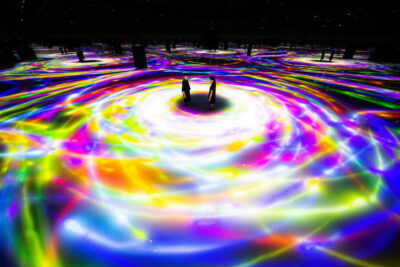 ★ 4.6teamLab Planets TOKYO Digital Art Museum Entry TicketFrom $259,779 reviews
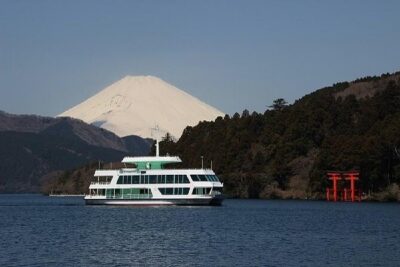 ★ 4.0Mt Fuji & Hakone Cruise, Drum Show Bullet Train 1 Day from TokyoFrom $1497,413 reviews
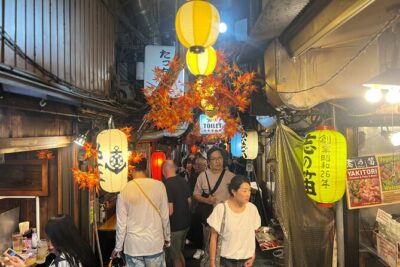 ★ 5.0Shinjuku Food Tour (13 Dishes at 4 Local Eateries)From $866,603 reviews
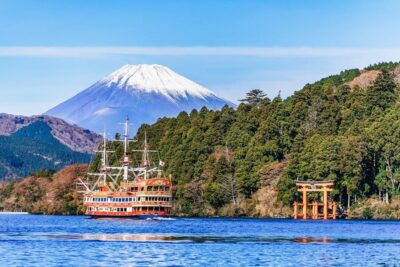 ★ 4.4Tokyo Mt Fuji 5th St & Hakone Cruise Bus Tour w/Bullet TrainFrom $1545,024 reviews
 ★ 5.0Flagship 2-Hours Official Street Go-Kart Tour – Tokyo Bay ShopFrom $644,974 reviews
 ★ 4.5From Tokyo: Mount Fuji Full-Day Sightseeing TripFrom $684,970 reviews