
Review · TOKYO SUMO EXPERIENCES
Tokyo Ryogoku Sumo Morning Practice + Photo Shoot with Wrestlers
Sumo practice at dawn is a culture shock.
This Tokyo Ryogoku morning tour takes you into a working stable setting, where you see training that is not staged for tourists. I especially like that tour photos are included, so you can focus on watching instead of hunting for the right moment.
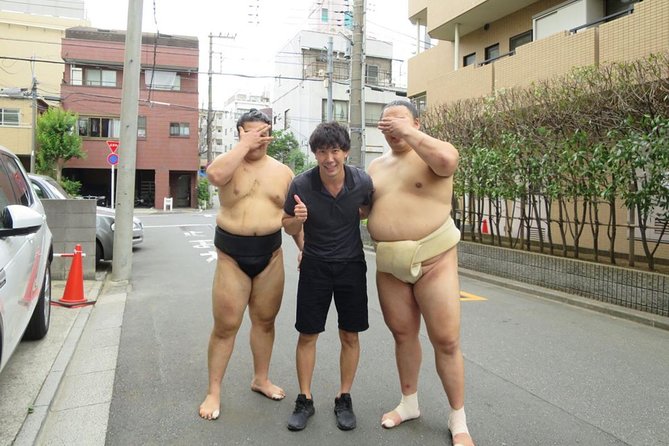
I also like the human side you get from the guide: you are not just sitting quietly, you are usually learning what you are seeing and why it matters. Guides like Mayu, Masao, Yumiko, and Ayaka are called out for explaining rules, hierarchy, and what a morning routine actually feels like, and some groups even get a posed photo moment after practice ends. The one big consideration is that you may be sitting on tatami mats on the floor for over an hour, and stable rules can limit photos or where you are allowed to stand and film.
Key Things I’d Focus On Before Booking
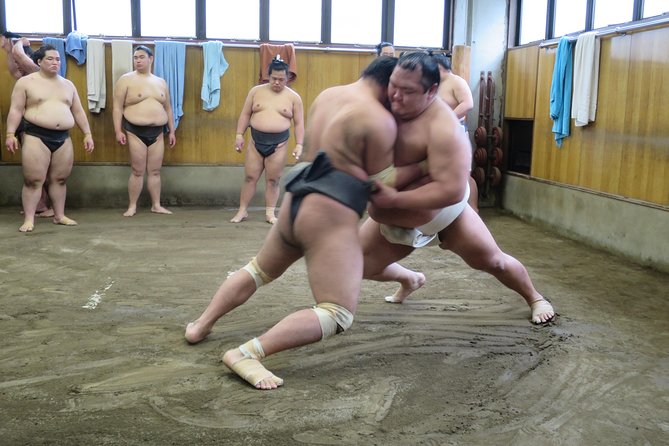
- Real training in a stable: you watch how wrestlers warm up, drill, and practice techniques together
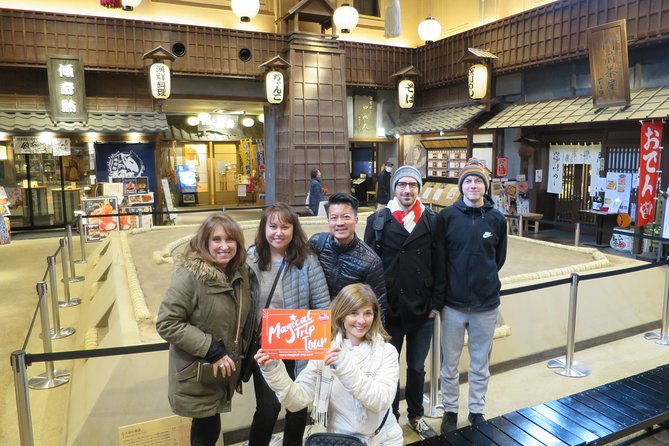
- Included tour photos: you get photos with your group as part of the experience
- Tight group size: it’s capped at a maximum of 7 travelers, so questions are easier
- Photography rules can change: the stable decides what is allowed, including photos with wrestlers
- Floor seating is normal: no chairs in most stables, so plan for tatami time
- Timing depends on the stable: schedules can shift last minute based on tournament needs
Ryogoku at 8:00, and how to not end up at the wrong station
This tour starts early, with the meeting at 8:00 am at Re.Ra.Ku Ryōgoku Ekimae, right by JR Ryogoku Station East Exit under the elevated tracks. The guide holds a red/orange MagicalTrip board, so you can spot them quickly once you are in the right place.
One practical thing: there are two Ryogoku stations. Do not go to Ryogoku Oedo Line Station. For most people, that single mistake is the difference between arriving calm and arriving panicked.
More Tokyo tours and experiences for the shortlist
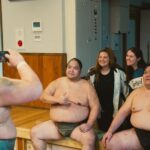
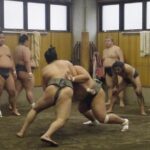
Finding the stable: the short walk that can change your view
After you meet, your group walks to a sumo stable. The walk can be anywhere from 5 minutes to 30 minutes, depending on which stable is available that day.
That range matters more than it sounds. A longer walk means less time for you to settle in, find where your group sits, and get comfortable on the floor. It also affects how quickly you arrive once the practice is underway, and practice timing can move around.
Also, keep in mind that the stable can split larger parties into different groups and you might not all enter the same stable together. In a place where seating can be tight, splitting is usually how tours manage limited space.
Watching morning practice from the tatami edge
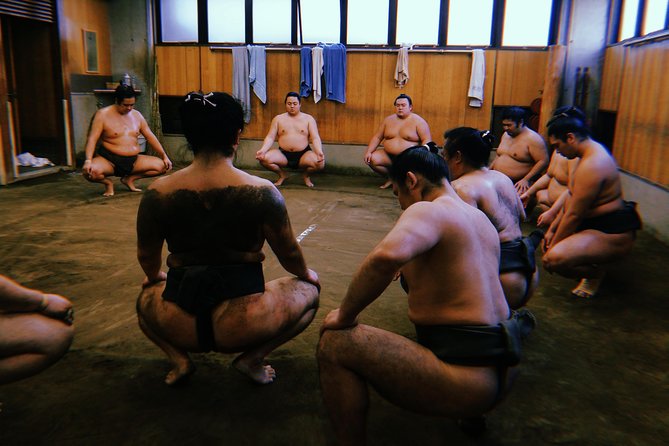
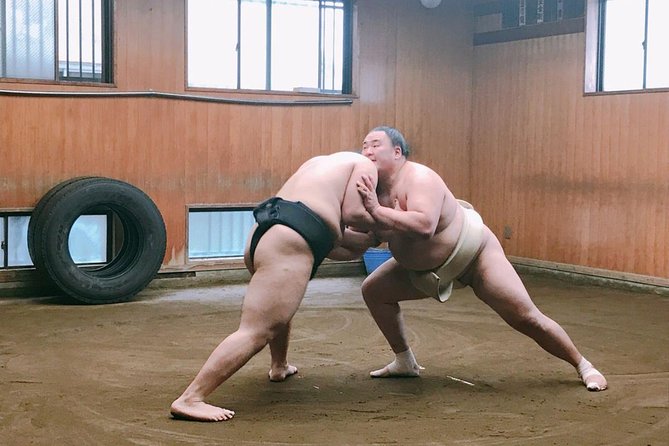
This is the heart of the experience: you enter the stable with your guide and watch morning training in an unstaged setting. The practice portion runs about 1 hour 30 minutes, and the tour includes the admission ticket for this part.
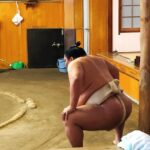
What makes it compelling is how clearly you can see the structure of a real training session. Wrestlers drill basics, work on technique, and practice with their peers in a way that feels purposeful and disciplined. It is not a glossy performance, and that is the point. You get the sense of hierarchy, routine, and respect that sumo is built on.
One more detail to plan for: stables require quiet behavior and have strict boundaries. You will usually be allowed to sit on the tatami areas, and areas off-limits are off-limits, even if you can physically see them from where you are seated.
Guide energy: what you gain beyond watching
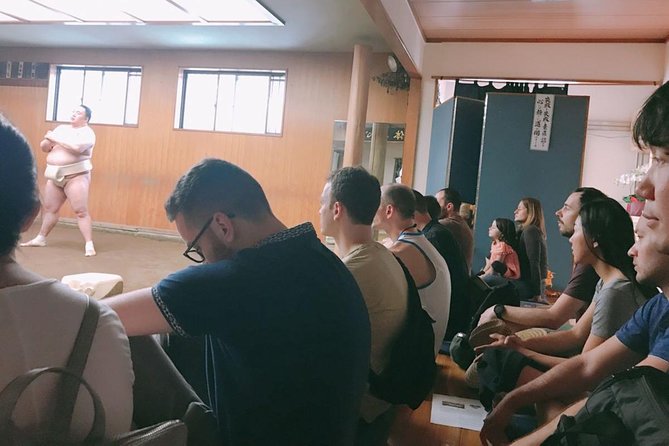
Some tours stop at, you see sumo, good luck. This one is different because the guide is part of the product.
In the best versions of this tour, guides like Mayu and Masao are praised for explaining sumo’s history and how the sport works today, including rankings and the rhythm of practice. Yumiko and Ayaka are also described as giving helpful context during the session, not just before you start walking.
Here is the practical value for you: when you know what a move is trying to train, the routine becomes more readable. You stop watching only for the big moments and start noticing the training logic. That is where a stable visit becomes more than a photo opportunity.
The one drawback to watch for is that not every guide format works equally for every person. A few people felt the explanation could have gone deeper, or that they wanted a clearer breakdown of what they were seeing during the session. If you love learning actively, arrive ready with a notebook mindset and ask questions early.
Photo rules and the included photo benefit
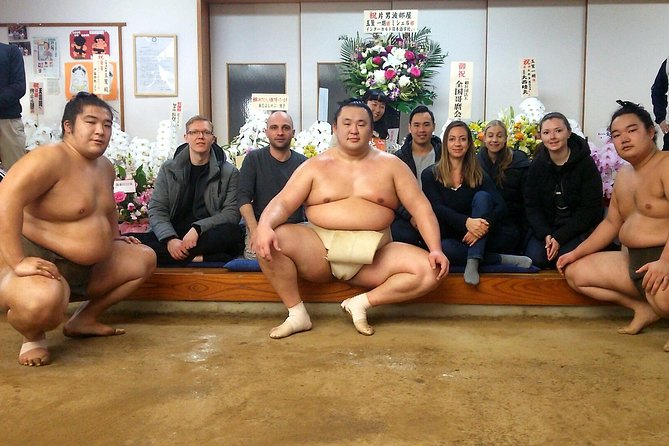
There are two separate photo stories here, and it helps to understand them before you arrive.
First, the tour includes tour photos. That means your group photo coverage is handled, and you do not need to keep your phone out constantly.
Second, your ability to take your own photos inside depends on the stable. The stable decides what is allowed, including whether you can photograph the wrestlers during practice or take photos with wrestlers afterward. That is not a tour-company choice, it is a stable policy.
So what should you do? Bring your camera anyway, but keep expectations flexible. If the stable restricts photos, you will still see the training, and your guide will be able to tell you what is allowed in that moment.
Also note that seating can affect your photos. One common trade-off is that front-row seats go to those who arrive and settle first, so if you are near the end of your group’s arrival timing, you might end up farther back.






Ryogoku Kokugikan: why this quick stop matters
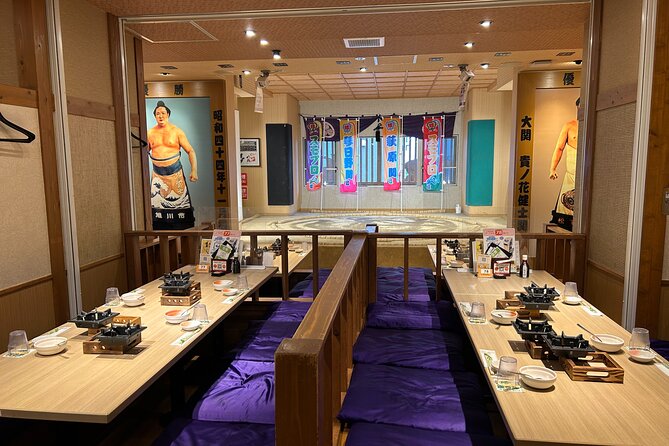
After practice, you walk back to Ryogoku Station with your guide, and along the way there is a short stop at Ryogoku Kokugikan. This is a quick add-on at about 10 minutes, with admission ticket not required.
Even with a brief visit, Kokugikan helps connect the “working stable” you just saw with the larger world of sumo in Tokyo. It gives you a landmark anchor for the sumo town feeling in Ryogoku, so the morning does not feel isolated.
Do not expect a long museum-style experience here. This is more like a marker on your map, a moment to orient yourself in sumo country.
Price and value: what you are really paying for
At $98.16 per person, the cost may look like a splurge if you are thinking only about what you get to see. But the value calculation changes when you realize what you are actually buying:
- access to a stable morning routine, which is hard to arrange on your own
- a live guide who explains what you are seeing, which improves your enjoyment
- included tour photos, which saves time and stress
- a small group setup that keeps the experience focused
If you came for the closest possible look at sumo practice, this is the type of tour that usually feels worth it. Several people described the practice itself as the highlight, noting the intensity and the sense that this is real training, not a show.
The value risk comes from two places. One is timing, because practice schedules can change and sometimes the tour joins partway through a session. The other is expectations around explanation and photo access, since stable rules are outside the tour’s control.
Who should book this Ryogoku morning practice?
This is a strong fit for you if you:
- already like sports and want to see training, not just match day
- want a cultural experience that feels authentic and local
- prefer small-group morning plans over big-bus sightseeing
- are comfortable sitting on the floor without instant comfort
It is not a great fit if you:
- need lots of chair seating or long breaks
- want guaranteed access to personal photos with wrestlers
- have very flexible expectations for timing, because the stable can adjust the schedule last minute
- are bringing children under 12, since those under 12 are not allowed inside the practice
Also, if you are a solo traveler, this can work well because you have a built-in group and a guided flow. Just remember that the quiet part of practice is real, so choose a calm morning energy.
Practical tips so the floor time feels manageable
This is one area where you can make or break your morning. Many stables do not offer chairs, so you will likely sit on tatami mats for a long stretch.
Plan ahead:
- arrive on time, because the tour must start promptly, and lateness beyond 15 minutes means you cannot join
- go to the toilet before you start, because you might not be allowed during practice
- bring water, and in summer add a hat since Japan can be hot and humid
- dress for sitting, meaning layers you can tolerate while seated and still move quietly
If you are sensitive to cold or pressure points, consider using a small cushion in a way that follows stable rules. The tour data emphasizes staying within allowed tatami areas, so follow what your guide tells you.
What can go wrong, and how to handle it
The biggest wildcard is that stables can adjust their schedule in the last minute due to tournament needs or wrestlers’ condition. In those cases, the booking may be cancelled and you should get a full refund shortly.
Photo access is another wildcard, because the stable decides what is allowed. Even when the tour includes tour photos, you may find that personal photo rules are stricter than you expected.
Weather also matters. The experience requires good weather, and if it is cancelled due to poor weather you will be offered a different date or a full refund.
The good news is the tour is set up for this reality. You are not paying for a guaranteed staged show, you are paying for a guided attempt to see real practice in real conditions.
Should you book this Tokyo Ryogoku morning practice tour?
I think you should book this if your priority is seeing sumo as training and you like learning while you watch. The small group cap helps, the guide guidance often gets high marks, and the included tour photos take pressure off.
Skip it, or book with eyes open, if you want a long guided lecture, guaranteed personal photos with wrestlers, or chair seating. Also, if you are traveling with anyone under 12, this one is not an option.
If you are excited for an early start and you can handle floor seating, this is the kind of sumo experience that can seriously change how you think about the sport.
FAQ
Which Ryogoku station should I use?
Use Ryogoku JR Station, specifically the East Exit. There are two Ryogoku stations, and you should not go to Ryogoku Oedo Line Station.
Where is the meeting point and how do I spot the guide?
Meet at Re.Ra.Ku Ryōgoku Ekimae, at JR両国駅東口高架下, address: Japan, 130-0015 Tokyo, Sumida City, Yokoami, 1-chōme3-5. Your guide will be holding a red/orange MagicalTrip board.
What time does the tour start, and how long is it?
The start time is 8:00 am. Duration is about 2 hours.
Is the sumo morning practice admission ticket included?
Yes. You do not need to pay the sumo morning practice entrance fee, and the practice part includes an admission ticket.
Can I take photos, and are the included photos guaranteed?
Tour photos are included. However, the stable decides what is allowed, so you might not be able to take photos during practice or take photos with the wrestlers if the stable rejects it.
Are kids allowed?
This tour is for people over 12. Children under 12 are not allowed inside the sumo morning practice.
Will there be chairs during practice?
Most stables do not usually offer chairs, so you should expect floor seating on tatami.
What if the stable changes its schedule or cancels practice?
Sumo stables can adjust schedules last minute, and there is a possibility the booking is cancelled due to sudden changes. If that happens, you should receive a full refund shortly.
What if the weather is bad?
The experience requires good weather. If it is cancelled due to poor weather, you will be offered a different date or a full refund.
More Morning in Tokyo
More Tour Reviews in Tokyo
Not for you? Here's more nearby things to do in Tokyo we have reviewed












Tokyo Sumo Experiences, side by side.
 ★ 4.8Sumo Show and Dining ExperienceFrom $792,742 reviews
 ★ 5.0the SUMO showFrom $891,960 reviews
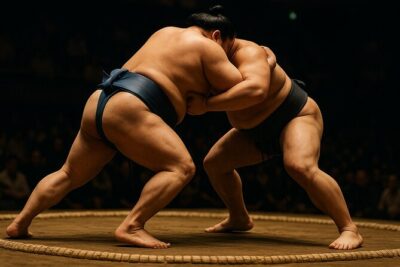 ★ 5.0Tokyo Shinjuku Sumo Show & Experience with PhotoFrom $791,750 reviews
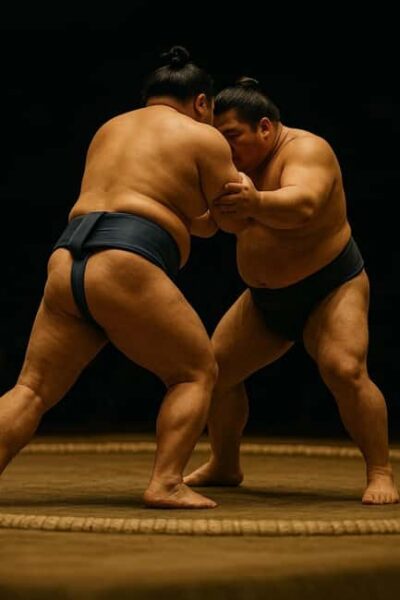 ★ 4.8Sumo Show and Experience in ShinjukuFrom $691,001 reviews
 ★ 4.7Luxury Sumo Show Experience & Japanese cuisine & DrinkFrom $103577 reviews
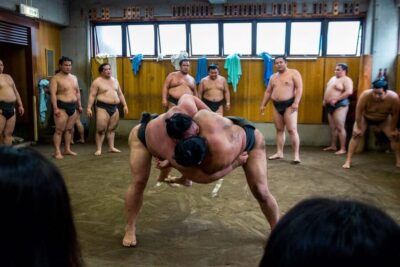 ★ 4.8Sumo Morning Practice Viewing TourFrom $81570 reviews
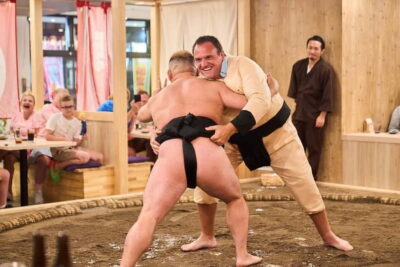 ★ 4.8Tokyo Sumo Experience: Chanko & Mochi with a Former ProFrom $103567 reviews
 ★ 5.0Ultimate Sumo Tournament: Tokyo, Osaka, Nagoya, FukuokaFrom $184468 reviews
This tour also belongs to