
Review · TOKYO SUSHI CLASSES
Private Sushi Making with a Sushi Master
Want to learn sushi like a pro?
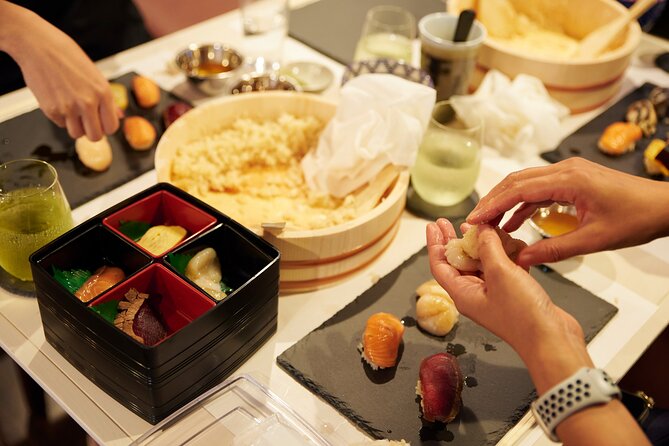
This private workshop in Tokyo puts you in a Michelin-starred sushi restaurant setting and pairs you with a sushi master for a hands-on lesson. You’ll make three classic styles: nigiri, maki, and gunkan-style sushi, then eat what you create, which is the part most people remember long after the rolls are gone.
What I like is the mix of technique and fun. You get a quick lesson on sushi history, a quiz, and a playful photo shoot with your creations, not just a one-way cooking demo. One thing to consider: the session is only about 1 hour 45 minutes, so it’s more about learning the basics well than becoming a lifelong sushi chef by the end.
Key things to know before you roll
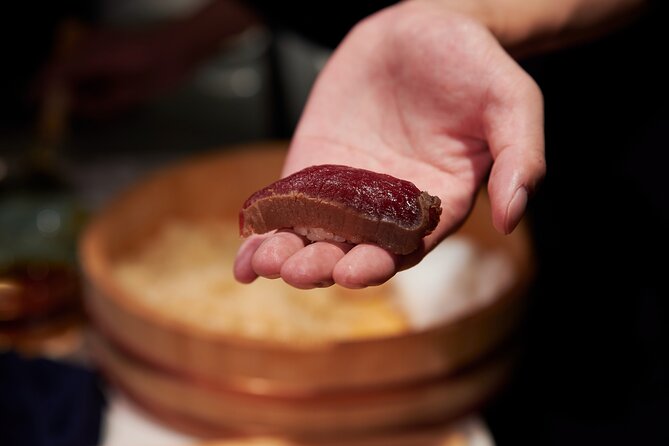
- Three sushi styles, not just one: you’ll practice nigiri, maki, and gunkan.
- Private, group-only attention: it’s just your group, so questions don’t get lost in a crowd.
- Michelin-starred restaurant setting: the workshop happens in that kind of kitchen environment.
- Short and focused timing: you’ll move from history quiz to demonstration to hands-on making.
- Designed for picky eating too: allergy-friendly options and dietary restrictions (like vegetarian, vegan, gluten-free) are accommodated.
Michelin-star setting, private attention that actually matters
Tokyo has sushi everywhere, and you can absolutely eat great bites without booking anything. The difference here is the setting and the guidance. This workshop takes place in a Michelin-starred sushi restaurant, so you’re learning in the same world where precision and ingredient choice are taken seriously.
The private format is where the value really shows. In a private class, you can ask practical questions while your hands are learning, not after the chef moves on. That matters with sushi because small details can change the outcome fast, like how the rice is handled, how fish is cut, and how ingredients are layered.
There’s another nice bonus: you’re not just watching someone else cook. The workshop is built around you making sushi, then eating it. That turns the experience from a show into a skill you can carry home.
You can also read our reviews of more private tours in Tokyo

What you’ll make: nigiri, maki, and gunkan-style sushi
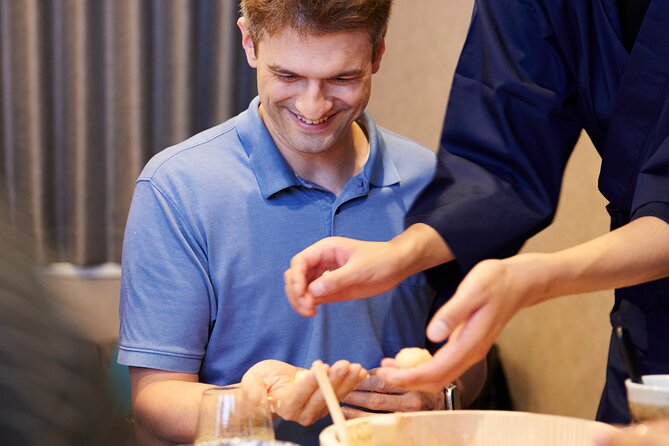
You’ll create three sushi types, and each teaches a different kind of technique.
Nigiri, the fish-on-rice classic
Nigiri is the most straightforward to explain, and that’s why it’s a good first step. You’ll learn the classic idea: a slice of fish placed on vinegared rice (handled as directed by your sushi master). The goal is not just to assemble, but to understand balance, texture, and portion size.
If you’re a beginner, nigiri gives you a clear foundation. If you already like sushi, it also helps you connect what you eat in restaurants with what’s happening underneath.
Maki, traditional seaweed-wrapped rolls
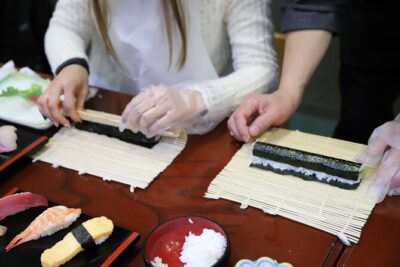
Next up is maki, the roll you can spot instantly. You’ll wrap sushi using seaweed and practice assembling the components into a roll shape the right way. This is where attention to consistency matters, because rolls fail when the inside is uneven or when the wrap is handled carelessly.
Maki is also a great “learn by repetition” style. In a class like this, your sushi master can correct small movements right away.
Gunkan-style, battleship sushi with toppings
Gunkan-style sushi is fun, and it’s also practical training. This is the seaweed cup topped with various ingredients, so you see how different toppings sit and how the structure supports them.
Even if you don’t plan to make gunkan at home often, you’ll walk away understanding why restaurants present sushi the way they do. It’s not just about looks. It’s about keeping toppings secure and each bite balanced.






Ingredient quality, selected and prepared to pristine condition
The sushi master selects ingredients and prepares them to pristine condition. That’s a big deal for a lesson, because home cooking is limited by how reliably you can source and prep everything. Here, you’re learning techniques using ingredients that make the flavors and textures work as intended.
The 1 hour 45 minute flow: history quiz, demonstration, hands-on practice, photos
The workshop moves quickly, and that’s a feature, not a bug. You get structure, so you always know what comes next.
1) Introduction and sushi history
You’ll start with an introduction to sushi history, then a quiz. This sounds simple, but it helps you pay attention. When you learn what sushi is and why it evolved, you’re more likely to notice the details during rolling and slicing.
2) Sushi master demonstration
Then comes the demonstration. This part is crucial because you see the “correct” method before your hands start doing it. You’ll watch slicing of raw fish, along with guidance on selecting seasonal ingredients and putting everything together.
A good trick here is to watch once for technique, then watch again for timing. In sushi, timing is part of the process, even if you are only making small items.
3) Hands-on making session
After the demo, you make the three types of sushi. This is where the private setup shines. If you’re slow, you get help. If you’re unsure, you can ask while things are still in progress.
You also get the satisfaction of knowing exactly what your food is at every stage. That turns eating into a mini debrief.
4) Photos and enjoying your handmade sushi
The workshop includes time for photos with your creations, plus time to enjoy what you made. This is where it stops feeling like a class and starts feeling like a Tokyo memory.
You’ll want to come hungry. The workshop ends with a freshly prepared meal made from your sushi-making.
Raw fish skills, slicing technique, and what to ask if you have concerns
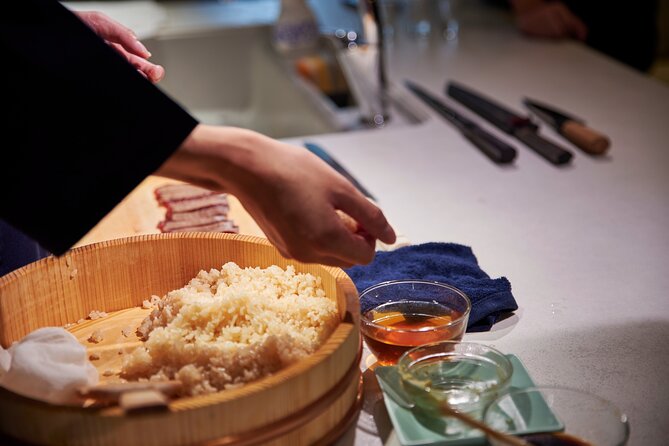
The class includes slicing raw fish as part of the learning process. That’s one of the reasons it’s such a memorable experience, because it’s not just “assemble ingredients,” it’s understanding real sushi craft.
If raw fish makes you nervous, don’t guess. Ask how the class handles dietary needs and preferences. The workshop is allergy-friendly and accommodates dietary restrictions like vegetarian, vegan, and gluten-free, but the details of how each dish is adapted are not listed for every scenario.
What I recommend you do:
- If you have allergies, mention them clearly when you book.
- If you avoid raw fish, ask whether you’ll be able to make versions that match your comfort level.
- If you’re a complete beginner, focus on the movements your sushi master corrects, not on trying to copy restaurant plating perfectly.
English-friendly instruction and sushi master coaching style
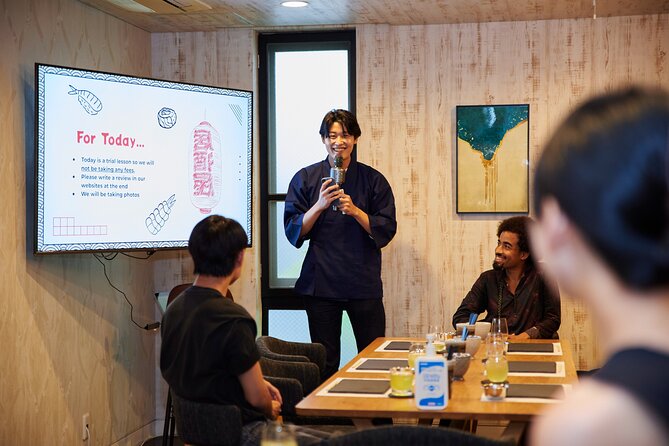
The experience is taught by a sushi master, and the private structure supports close coaching. In past sessions, instructors have been described as very helpful, with named staff like Rin and a chef figure identified as Riku showing up in feedback.
Even if you don’t speak much Japanese, you can feel comfortable here because instruction is not meant to be confusing. The quiz and history portion also suggests the teaching includes context, not only technique.
If you want to get the most out of the class, come ready with two questions:
1) Which part is hardest for beginners, and what should I focus on first?
2) What’s the one thing that makes the sushi taste right, even if the look is not perfect?
Those questions will help you leave with usable lessons, not just pictures.
Price and value in Tokyo: what $130.81 buys you
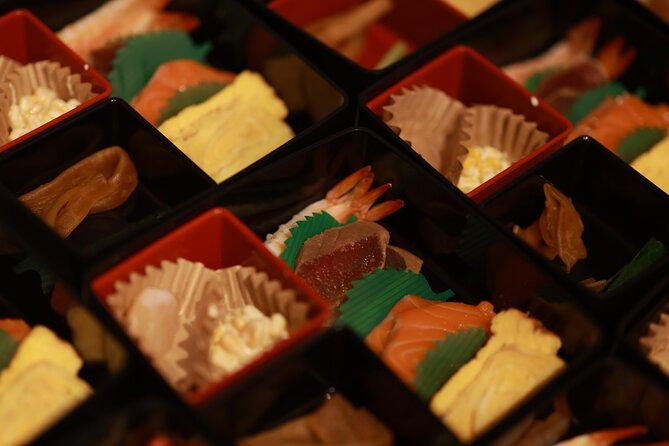
At $130.81 per person, this isn’t the cheapest thing you can do in Tokyo. But it’s also not trying to compete with a casual meal.
For this price, you’re getting:
- A private experience in a Michelin-starred restaurant environment
- Instruction from a sushi master
- Hands-on practice making three types of sushi
- A quiz and sushi history intro
- A photo opportunity
- A meal you eat at the end
In other words, you’re paying for expertise, time, and ingredients in a controlled setting. The value is strongest if you care about learning, not just eating. If your goal is simply to eat sushi, you could spend less elsewhere. If your goal is to understand sushi craft and come away feeling confident, this price starts to look fair.
Who should book this sushi workshop
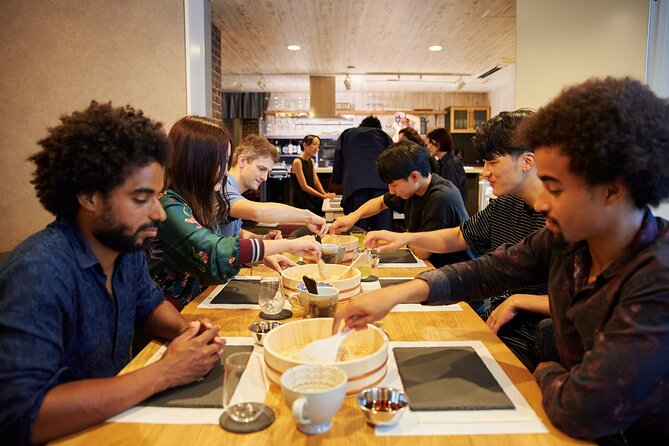
This workshop fits best when you want a guided skill experience rather than a generic food stop.
Great fit if you are
- A sushi beginner who wants structure and coaching
- Someone traveling solo who still wants a personal, approachable class setting
- A food person who likes learning the story and the technique behind what’s on the plate
- Anyone with dietary restrictions who wants accommodation rather than a guess-and-hope approach
Consider skipping or adjusting expectations if you are
- Looking for a long multi-hour culinary deep learning course. This is about focused basics, not mastery.
- Extremely squeamish about handling fish during the process. The class includes slicing raw fish, so confirm comfort level in advance.
- Expecting a hands-on “every second” class with no breaks. The flow includes quiz, photos, and tasting.
Should you book this sushi workshop?
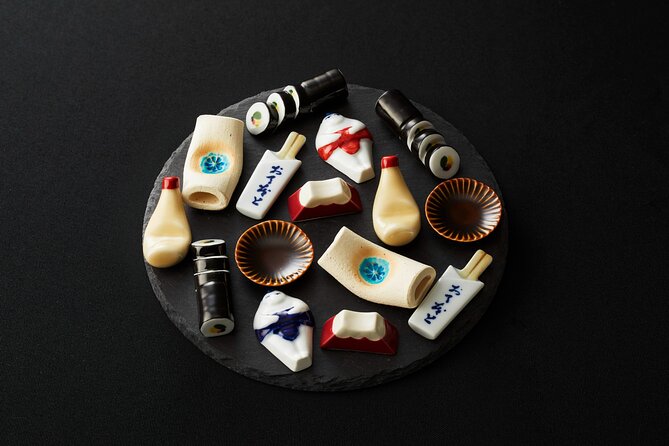
I think it’s an easy yes if you want more than restaurant eating. The combination of a Michelin-starred environment, private coaching, and making nigiri, maki, and gunkan in one session makes it a strong choice for people who like learning by doing.
Book it if:
- You want a meal tied directly to a skill you practice
- You like having a teacher correct your technique in real time
- You’re excited by the idea of sushi history plus a quiz, not only cooking
Skip it if:
- You only want a quick sushi meal and zero instruction
- You’d hate a short, structured format and need more time for slower learning
FAQ
FAQ
How long is the sushi making workshop?
It runs for about 1 hour 45 minutes.
What types of sushi will I learn to make?
You’ll make three types: nigiri, maki, and gunkan (battleship-style) sushi.
Where does the workshop take place?
The class takes place in a Michelin-starred sushi restaurant. The meeting point is A-PULSE AZABU STUDIO in Nishiazabu, Minato City, Tokyo.
Is this a private experience?
Yes. It’s private, so only your group participates.
Can the class accommodate dietary restrictions?
Yes. The experience is allergy-friendly and can accommodate dietary restrictions such as vegetarian, vegan, and gluten-free.
What should I expect during the class?
You start with an introduction to sushi history and a quiz, then you get a sushi master demonstration, followed by hands-on making of the three sushi types. You’ll also have time for photos and then enjoy your handmade sushi.
Is there a no-show rule if I’m late?
If you do not contact them within 5 minutes after the scheduled start time, your reservation is treated as a no-show and no refund is provided.
What is the price per person?
The price is $130.81 per person.
Can I cancel and get a full refund?
Yes, free cancellation is available up to 24 hours in advance for a full refund. If you cancel less than 24 hours before the start time, the amount paid is not refunded.
More Private Tours in Tokyo

More Tour Reviews in Tokyo
Not for you? Here's more nearby things to do in Tokyo we have reviewed












Tokyo Sushi Classes, side by side.
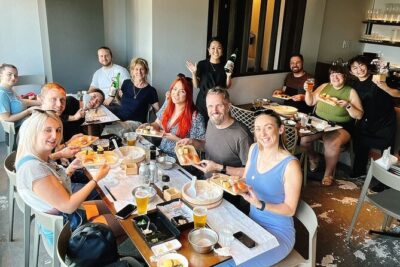 ★ 5.0Sushi Making Tokyo Roll and Authentic Japanese Sushi ClassFrom $593,971 reviews
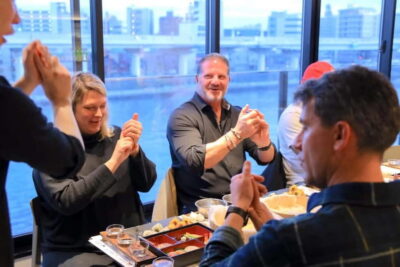 ★ 4.9Roll and Authentic Sushi Making Class in AsakusaFrom $581,957 reviews
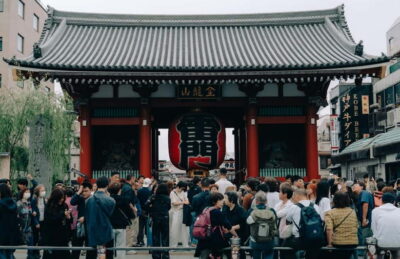 ★ 4.9Sushi Making Class in a Happi Coat near a Famous SpotFrom $421,377 reviews
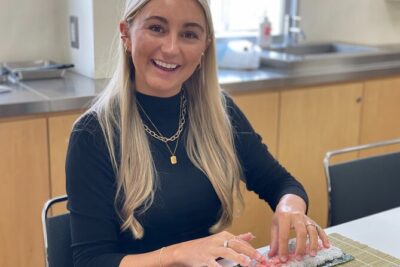 ★ 5.0Tokyo Sushi Making Class in Tsukiji with Professional ChefFrom $491,177 reviews
 ★ 5.0Tsukiji Fish Market Guided Tour and Sushi Making with Pro ChefFrom $104775 reviews
 ★ 4.9Tsukiji Fish Market Sushi Making Class with Pro ChefFrom $63506 reviews
 ★ 5.0Tokyo Tsukiji Fish Market Tour and Sushi Making LessonFrom $99390 reviews
 ★ 4.9Sushi Making ClassFrom $67390 reviews
This tour also belongs to