
Review · TOKYO SUMO EXPERIENCES
Tokyo Sumo Morning Practice: Viewing & Exclusive Interaction
Sumo training is loud and close. This Tokyo tour gets you near the action during morning practice, then adds an exclusive Q&A and photo time that you will not get from a typical match day.
I love the way the experience starts with an on-the-ground briefing at Narihira Park, so you understand what you are watching before you watch it. I also love the included souvenir set, because the official banzuke comes with a folder, not just a random token.
One consideration: stable time can be very quiet and long for kids, and ring access may follow strict tradition. In one report, women were not allowed into the ring for pushing or stepping in, even though others were.
Key highlights worth waking up for
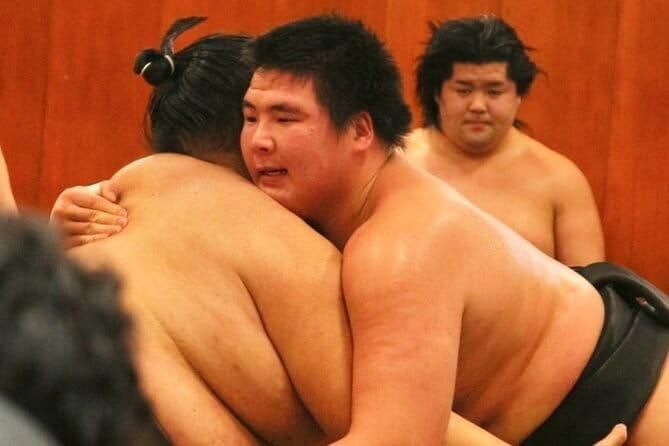
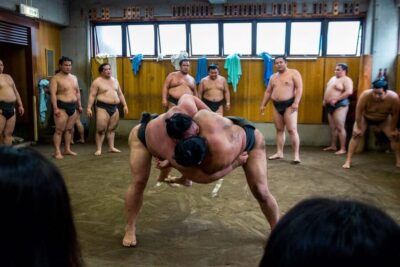
- Up-close morning practice in a real stable setting, not a tournament presentation
- Wrestler Q&A plus photos, where you can ask questions directly
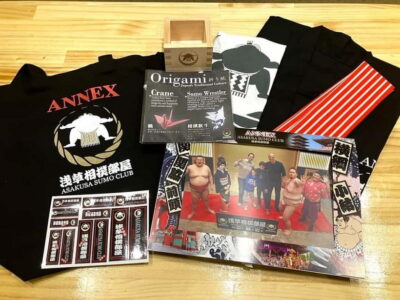
- Official banzuke souvenir set, presented at the end of the tour
- Small-group feel, with a cap of 45 people
- Optional Japanese brunch to extend your morning
- Tradition affects participation, including who can step in the ring
Narihira Park to the Stable: What This Tokyo Sumo Morning Really Includes
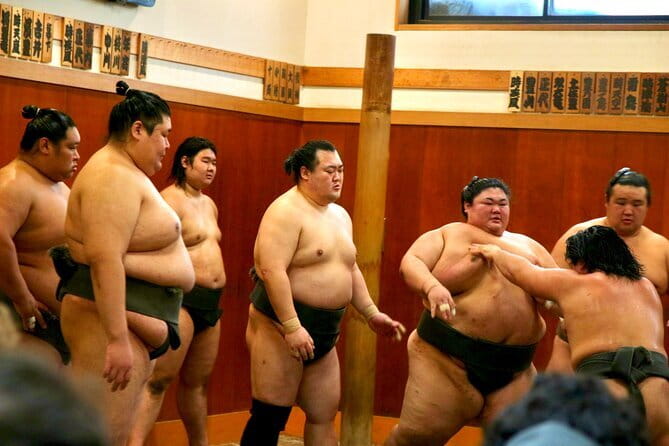
Tokyo only hosts sumo tournaments a few times a year, so it is easy to plan your trip around the wrong dates. This is the workaround, you get the real training side of sumo during morning practice, which means you can experience the culture even when there is no tournament happening.
The tour meets at Narihira Park in Sumida City, near the multipurpose restroom. That small detail matters. When you are meeting early, with a group you do not know yet, a clear landmark reduces stress. The whole experience runs about 2 hours 30 minutes to 3 hours, and it stays focused on the stable visit, not a long bus ride.
You will be with an English-speaking guide. Recent guest feedback names different guides, including Sarah, Haru, Peach (also referred to as Momo), and Moana. Even with different guide styles, the consistent theme is clear: you get context before the action.
More Tokyo tours and experiences for the shortlist
The Pre-Practice Briefing: Rituals and Rules So You Can Watch Smarter
Before you head to the stable, the tour begins with orientation at Narihira Park. Expect about 20 minutes of explanation, then you move on. The goal is simple: you should understand what you are seeing, not just see a bunch of athletes doing drills.
In recent feedback, guests talked about guides sharing background on sumo, including rituals and how practice works. One guest described getting a message the day before with instructions plus pre-reading material, which is a nice touch because it helps you get your bearings fast. Another mentioned the guide translated questions back and forth so you can actually communicate during the interactive part.
This briefing also sets expectations for stable behavior. You are not in a loud spectator arena. It is a working morning. That changes the vibe in a good way, it feels more like you are visiting a family workplace than being entertained.
Morning Practice Viewing: Up-Close Power and the Pace of Real Training
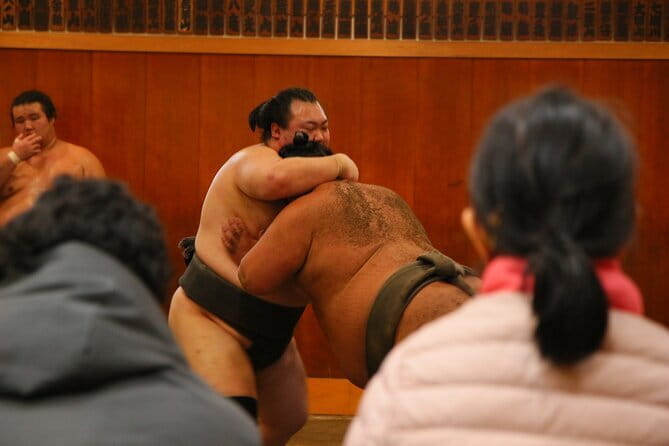
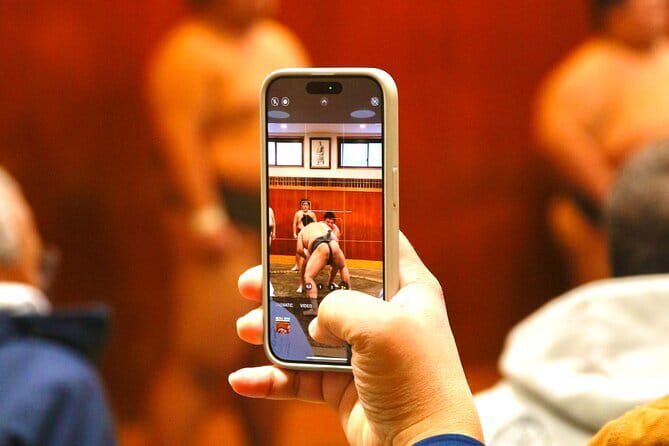
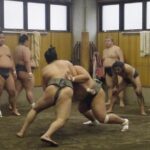
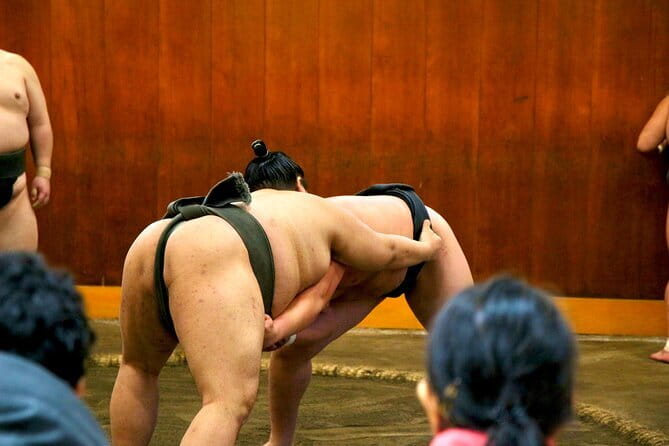
The main event is the morning practice viewing, about 1 hour 30 minutes. This is where the tour earns its popularity. You are close enough that training feels physical. You hear impacts, you feel the raw energy, and you watch wrestlers repeat movements with purpose, not showmanship.
A key detail here is that you are not only watching a choreographed demonstration. Guests described practice matches happening while they were there. That is important, because it shows sumo practice has intensity and competition inside the training day, even when it is not tournament season.
Photos are part of the experience, but timing matters. Most of the best photo time is framed around the later interaction portion, so you should think of practice viewing as the visual and educational core, then count on the Q&A and photo session to capture the close-up moments.
Wrestler Q&A and Photos: The Part That Makes It Feel Personal
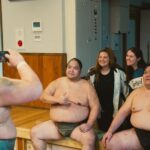
The most memorable segment for many people is the interaction portion. You get about 30 minutes for a Q&A and photo session with wrestlers. This is not a distant meet-and-greet where you ask one generic question and move along. You talk directly, and the wrestlers share personal stories and answer what you ask.
Guests highlight a few things repeatedly:
- Wrestlers coming across friendly and open
- Questions leading to real conversation, not canned responses
- The photo session feeling special because you are literally close enough to record faces, expressions, and the atmosphere
In at least one case, a guide made it feel extra fun by facilitating ring time. One guest described getting an invitation to try pushing alongside the wrestlers. That is the kind of moment you will remember long after the photos are uploaded.
A real-world tradition note on ring access
There is one important consideration. Tradition can limit who can step into the ring. One guest specifically noted that women were not allowed into the ring during ring activities, even though others were offered that chance. If you are traveling with anyone who is hoping to step in, make it a point to set expectations ahead of time and follow the guide’s instructions on the day.

Closing Session With the Banzuke: Why This Souvenir Matters
After the practice and interaction parts, the tour returns to Narihira Park for a closing session, about 30 minutes. This is where you get the official souvenir set: a banzuke presented in a specially designed folder.
The banzuke is more than a printed keepsake. It is a ranking sheet, and in sumo it connects directly to how wrestlers are positioned. When you watch training and then receive the ranking piece at the end, the story clicks. You are not just viewing strength, you are collecting a piece of the formal world that organizes it.
Guests also mention an extra Q&A moment during this wrap-up. Even if you asked most of your questions earlier, this is a second chance to ask the kind of practical follow-ups you only think of once you are calmer and leaving.
Optional Japanese Brunch After Sumo: Stretch the Morning, Not Your Budget
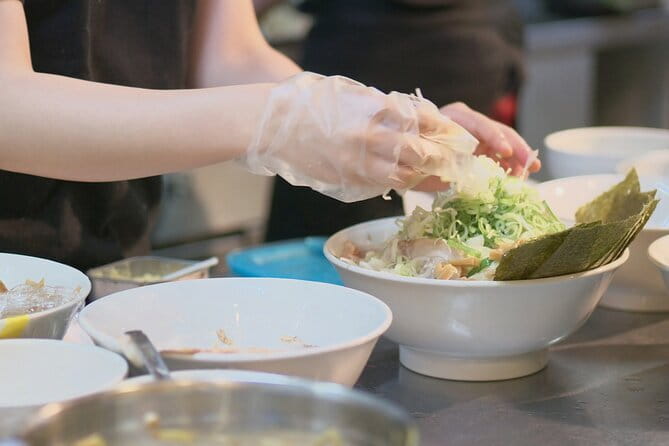
An optional Japanese brunch is available after the experience. If you want to keep the sumo morning feeling going, this is a natural add-on. One guest described it as delicious and recommended allowing extra time, which is smart because eating after an early start can take longer than you expect.
A few practical notes from guest reports:
- Brunch is sometimes more like lunch in the European sense, meaning it is a meal rather than a late-morning snack
- One group reported a rough cost range of about 1,000 to 2,000 yen depending on what they ordered
- Guides can explain dishes and help you choose
This is also a good time to decompress. You have spent time watching training, then meeting wrestlers and listening carefully. Food gives you an easy reset, and it keeps the morning from ending too abruptly.
Price and Timing: Is $95.77 Worth It for This Level of Access?
At $95.77 per person, this tour is not cheap. So the real question is value, meaning what you get for that money.
What you do get, bundled in one morning:
- An English-speaking guide
- Access to the morning practice viewing fee
- An included official souvenir set with banzuke
- Time for direct wrestler interaction, including Q&A and photo session
- An optional brunch if you want to extend the experience
You also get a fairly limited group size, with a maximum of 45 travelers. Even with that cap, the vibe often feels intimate because you are not spread across stadium seating. You are in a stable-focused setting.
That said, the pricing does not work for everyone. One guest felt the experience ran closer to about an hour, not the longer range advertised, and another felt it was expensive compared to what they perceived as guide explanation. The takeaway: if you expect a lecture-heavy experience, you might find it more focused on observation and interaction rather than deep storytelling every minute.
For most people, the value comes from the combination of up-close practice plus actual time with wrestlers. If you want a backstage pass that is still culturally grounded, this is one of the better ways to spend a morning in Tokyo.
Who Should Book This Tokyo Sumo Morning Practice Tour
This experience is a strong fit if you want an authentic look at how sumo works day to day, not just how it looks during tournament week. It is also ideal if your trip dates do not line up with tournament schedules, because you still get real training.
It is also a good family choice, in the right family. One review described a grandparent traveling with three grandsons and calling it a highlight. Another said kids loved it. But a different guest warned it might not be ideal for children because you need to sit quietly for a long stretch, sometimes up to around 2 hours depending on the training intensity that morning.
So I would book it for:
- Adults who like sports and culture
- Families with older kids who can handle quiet time
- Anyone who wants photos and direct Q&A, not just watching from afar
I would rethink it if:
- You mainly want a hands-on ring experience and are upset about tradition-based limitations
- You strongly prefer a fast-paced tour with lots of movement and constant commentary
- Quiet sitting feels like a deal-breaker for your group
Practical Tips for a Smooth Sumo Morning
These are the small choices that make the experience feel easy.
1) Confirm the exact meeting spot
Narihira Park is the starting point near the multipurpose restroom. One guest warned that the event location shown on their ticket might be wrong, so double-check the address and aim to arrive early enough to find the right entrance without rushing.
2) Bring a calm, respectful attitude
The stable is a working place. You will likely have long moments where you just watch and stay quiet. One guest called out proper behavior expectations, especially for kids.
3) Plan for the interaction timing
Practice viewing is the lead-up. The Q&A and photo session are the payoff. If you walk in thinking you will be taking photos constantly, you might feel rushed later. Let the morning unfold in order.
4) If you are adding brunch, build in time
Brunch is optional, but it can take longer than you think after an early start. If you have another plan that same morning, keep it flexible.
Should You Book This Tour?
If your goal is a real Tokyo sumo morning, this is a yes for many people. The standout strengths are consistent: up-close morning practice viewing, direct wrestler Q&A, and photos that feel personal, plus the official banzuke souvenir to connect it all to the ranking world of sumo.
If you can handle quiet time and you go in with realistic expectations about tradition rules, you will probably love it. If you need ring access guarantees, or you want a more lecture-driven tour, you might feel disappointed.
Given the strong overall recommendation rate shown in the booking data, and the fact that you can experience sumo training even without tournament dates, this is one of the most practical “make sumo happen” choices in Tokyo.
FAQ
How long is the Tokyo sumo morning practice tour?
It runs about 2 hours 30 minutes to 3 hours.
What is the meeting point?
You meet at Narihira Park in Sumida City, Tokyo (2-chōme-3-番 Narihira, Sumida City, Tokyo 130-0002).
Is the tour only for tournament days?
No. This experience is designed around morning practice, which is helpful when your trip does not match tournament dates.
Do I get an official souvenir?
Yes. You receive an official sumo souvenir set that includes the banzuke and an original folder.
Is there an English-speaking guide?
Yes, the tour includes an English-speaking guide.
Will there be time to take photos with wrestlers?
Yes. There is an interaction segment that includes a Q&A and a photo session with the wrestlers.
Is brunch included?
Brunch is optional. If you choose it, the tour offers Japanese brunch after your experience.
Where does the tour end?
It ends back at the meeting point.
What is the maximum group size?
The tour lists a maximum of 45 travelers.
What if I need to cancel?
You can cancel for free up to 24 hours in advance for a full refund.
More Morning in Tokyo
More Tour Reviews in Tokyo
Not for you? Here's more nearby things to do in Tokyo we have reviewed
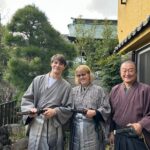


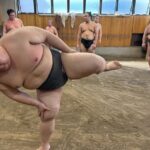
Tokyo Sumo Experiences, side by side.
 ★ 4.8Sumo Show and Dining ExperienceFrom $792,742 reviews
 ★ 5.0the SUMO showFrom $891,960 reviews
 ★ 5.0Tokyo Shinjuku Sumo Show & Experience with PhotoFrom $791,750 reviews
 ★ 4.8Sumo Show and Experience in ShinjukuFrom $691,001 reviews
 ★ 4.7Luxury Sumo Show Experience & Japanese cuisine & DrinkFrom $103577 reviews
 ★ 4.8Sumo Morning Practice Viewing TourFrom $81570 reviews
 ★ 4.8Tokyo Sumo Experience: Chanko & Mochi with a Former ProFrom $103567 reviews
 ★ 5.0Ultimate Sumo Tournament: Tokyo, Osaka, Nagoya, FukuokaFrom $184468 reviews
This tour also belongs to