
Review · TOKYO SUMO EXPERIENCES
1.5 Hour VIP Sumo Event in Tokyo
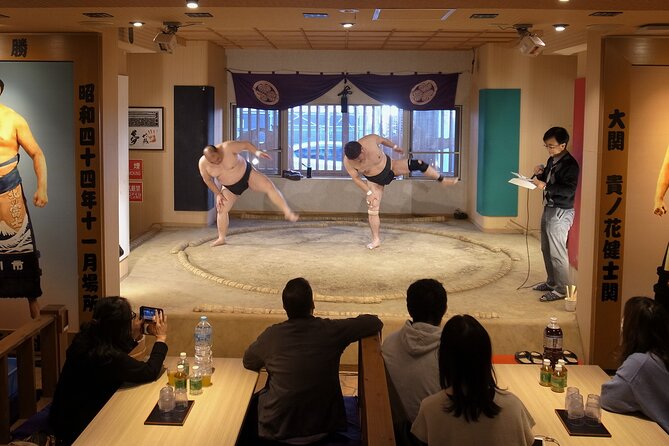
Sumo in Tokyo usually means sitting and watching. This one gets you up and moving, with a hands-on session where you learn the basics, try the techniques, and even step into the ring. It runs like a lively workshop, not a lecture, with former wrestlers leading the action in a small group setting.
I especially like that you do not need prior wrestling experience. The format is designed so most people can participate, including kids old enough to follow instructions, and everyone gets a turn to try the moves. I also like the English instruction plus the built-in question time, so you leave with practical answers for what you will notice later at actual bouts.
One consideration: this is not the same thing as watching a full tournament match. You are doing interactive practice and photo moments, so if you want pure, no-smile, traditional viewing, temper your expectations.
Key Takeaways Before You Go
- Maximum 20 people keeps it personal, with room for individual turns
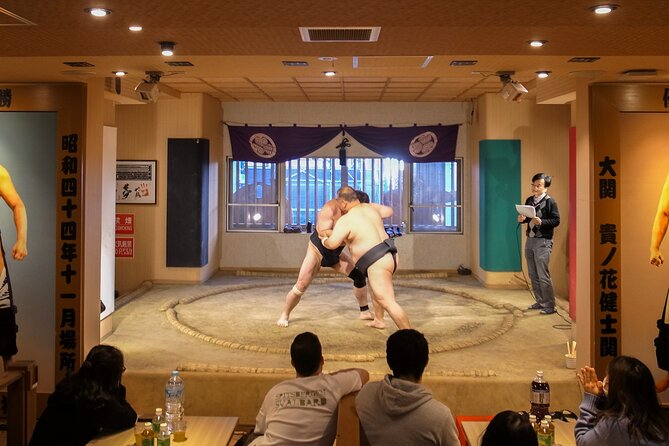
- Get into the ring for an actual practice bout with former wrestlers
- No experience needed, and the session is structured for beginners
- English-led explanations help you understand what you are seeing
- Photo opportunities plus a final Q and A make it memorable
Why This VIP Sumo Gets You Moving
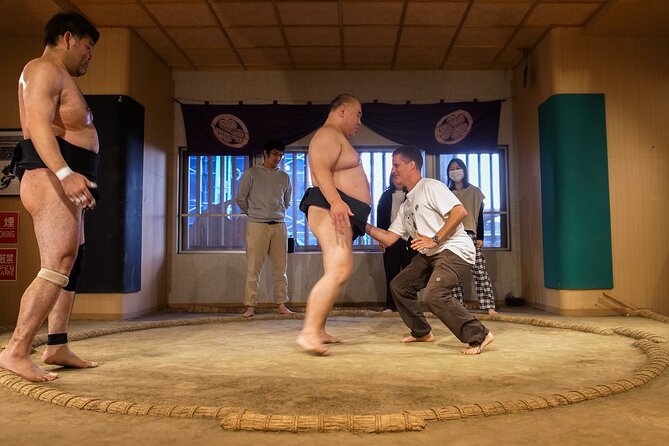
Tokyo has plenty of sumo options, but most are built around watching. This VIP session is different because it teaches you, then tests you, with simple training and ring time that feels like the sport in miniature. The point is not to make you a wrestler overnight. It is to help you understand the logic of sumo, then experience what it actually feels like when a real rikishi applies pressure and technique.
What you get is a guided arc: rules and history first, then physical drills, and then hands-on participation. That sequencing matters. If you just show up to the ring without context, you will mostly think, I am supposed to do what? Here, you learn enough to respond like a participant, not a spectator.
Another reason this works well is the size. With a cap of 20, you are less likely to feel rushed, and you are more likely to get corrections. Several people also liked how organized and on-time the session felt. That matters in Tokyo, where you will still have to find the meeting point and keep your morning moving.
Finally, the tone is friendly. You are dealing with a Japanese tradition that has serious roots, but your training session includes laughs and questions. That is a good blend for visitors who want respect and fun at the same time.
More Tokyo tours and experiences for the shortlist



Meeting Near Ryogoku: Getting Started Without Stress
The session starts at 9:30 am, and it ends back at the same meeting spot. That round-trip structure is underrated value. You can plan the rest of your day without wondering how far you will travel after the class.
Meet at 1-chōme-1-2 Kamezawa, Sumida City, Tokyo 130-0014. The good news is that it is near public transportation, and it is a convenient area if you are already bouncing around central Tokyo. If you are aiming for an afternoon sumo event, this morning timing often fits nicely.
You also get a mobile ticket, so you are not scrambling for paper on day one. Still, bring your phone charged and ready. In a short 1 hour 30 minute session, small delays can feel bigger than they should.
What to expect at check-in: you will get a quick setup, then you move into explanations and warm-ups. One review specifically praised the clarity of instructions about where to go and what to do next. That matches how these experiences tend to run: the first few minutes decide whether the rest feels smooth.
My practical advice: if directions are sent with map links, follow those exact pins. One person reported getting confused walking around before finding the spot. You can avoid that by using the map link on your phone and arriving a little early.
The Sumo Lesson: Rules and Cultural Context That Stick
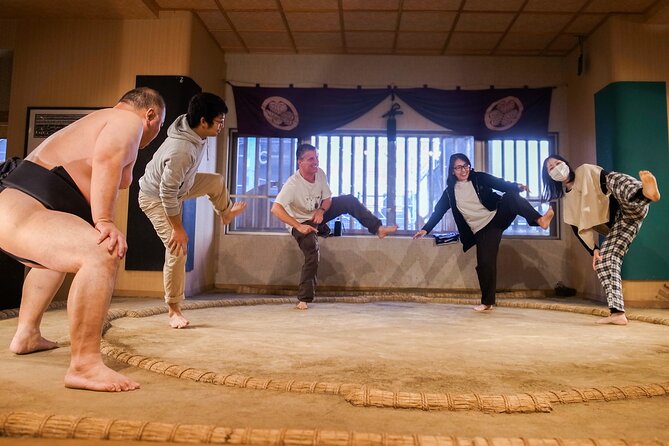
Your first block is about understanding sumo as a sport and as a cultural practice. You will learn the rules and the basic idea of how bouts are won, along with techniques used in training. You also get the cultural significance, so it is not only about moves. You learn why sumo looks the way it does, and what people are watching for beyond the final result.
This matters because sumo has details that can be invisible if you only know the basics from TV. When you later see a real bout, you will recognize the rhythms faster. You will notice the behavior around the match and the formalities that are part of the experience.
The class is also structured for beginners. People who had zero sumo background said the hosts and former wrestlers made the sport click. That is the target audience here: first-timers who want context before they buy tickets for an afternoon tournament, or first-timers who might not be able to get tournament access at all.
A useful bonus is that the session ends with a Q and A. That is when you can ask the exact questions that usually pop into your head while watching sumo later, like why certain moves work, or what the stances and footwork are really doing.
One more point: this event is conducted in English. That removes the biggest barrier for understanding a sport with deep tradition. Even if you study a few Japanese phrases, sumo terms and etiquette can be hard. In English, you can focus on learning the essentials without guessing.
Training Drills and Getting In the Ring With Former Rikishi
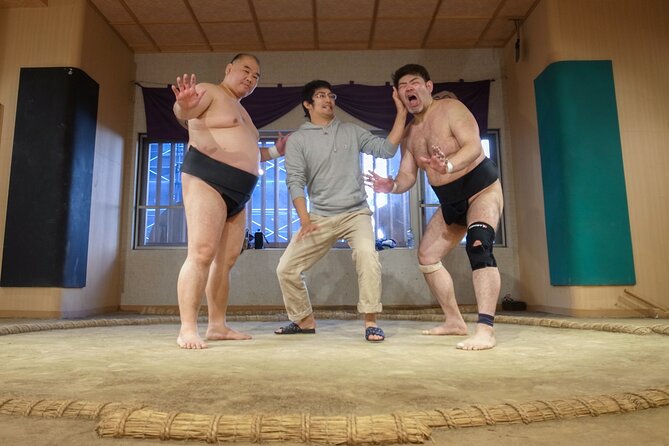
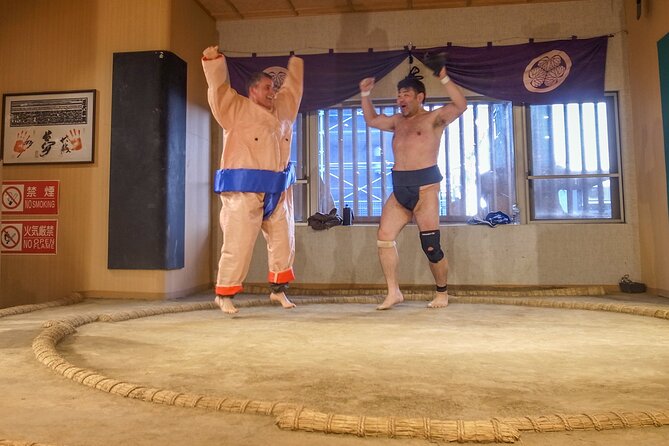
Now the fun part: you practice sumo exercises, then you get into the ring. The description is clear that you will practice techniques and challenge a former sumo wrestler. That is the big reason this event feels worth it, even if you have seen sumo before.
You should expect a guided training format, not random free-for-all. The hosts explain what to do, then you try. People said the instruction was organized and that it gave them enough understanding to enjoy the experience without feeling lost.
There are a few ways this ring time is valuable, even if you do not win the bout. First, you learn the physical reality of sumo. A stable stance, strong leg drive, and careful balance matter far more than most people realize. Second, you see how technique looks when it is applied by someone who has done it for years. That helps you separate the theatrics you might see on TV from the actual mechanics.
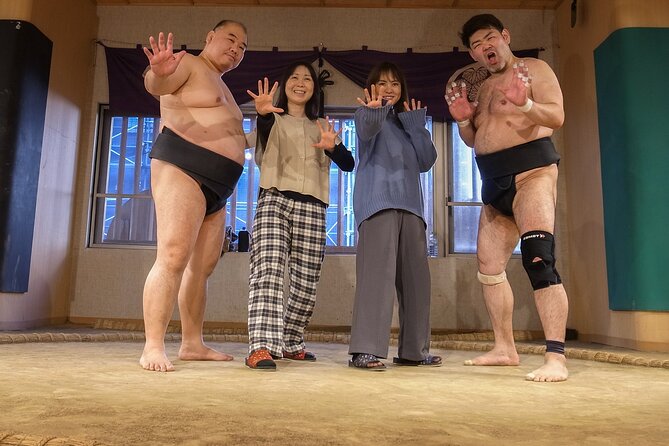
Also, you get plenty of photo opportunities. That is common in interactive activities, but here it is tied to real participation. You are not just posing next to a mascot. You are wearing the experience of being in the ring with someone who knows the sport.
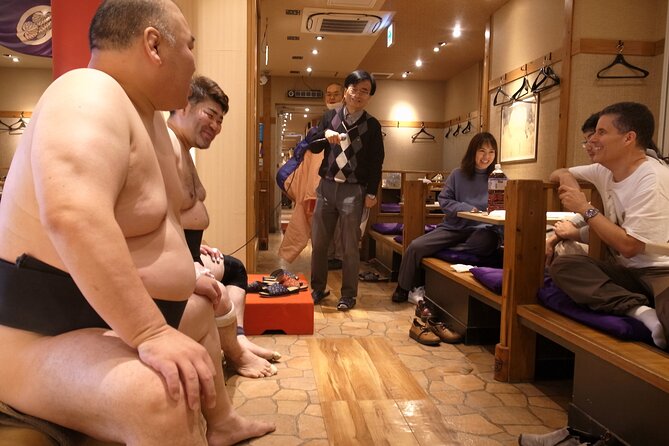
Two former wrestlers are typically involved in the session. Multiple people highlighted the ex-rikishi as charming, energetic, and impressive, both physically and socially. That combination matters. If the wrestlers only demonstrate and do not communicate, it can feel distant. When they are both friendly and instructive, you get better learning and a more relaxed atmosphere.
What about kids? The event is described as inclusive for kids aged eight and above, and the additional info says the minimum age is five. Either way, you should plan to check the expectations for your specific child. At minimum, children must be registered and paid, and the session is interactive enough that adults should expect to help with focus and following instructions.
Photos, Etiquette, and How to Use This for Tournament Day
This experience does not include a ticket to the sumo tournament. So you are not paying to get into a stadium. You are paying to understand sumo and participate in training, then use that knowledge later.
That makes it a smart add-on if you do have tournament tickets. Several people said doing this beforehand made their afternoon viewing more satisfying because they understood rules and tactics better. When you walk into a real bout knowing how outcomes happen, you are not just waiting for the last second. You are tracking what each fighter is trying to do.
It is also a good alternative if you cannot get tournament tickets. You still get the real sport flavor, because you are learning and practicing with former pros, not watching a simulation. The activity still teaches you enough basics to make watching sumo later feel less like a blur.
Etiquette is another quiet benefit. Sumo is full of formalities, and if you only know the basics, you might miss why certain behaviors happen. The session emphasizes respect and rules, and it gives you a framework for what to notice and how to behave.
Finally, remember the session is short, about 1 hour 30 minutes. That is a plus in Tokyo. You can fit it into a morning without eating your entire day, especially when you are also juggling neighborhoods, trains, and food stops.






Price and Value: Is $114.78 Worth It?
At $114.78 per person, this is not a bargain-basement activity. But it is also not priced like a private, one-on-one session with a top trainer. So the key question is what you are buying: not just entertainment, but structured instruction plus ring participation with former wrestlers in English.
Here is why it can feel good value in practice:
- You get active participation. Many tours stop at observing. This session adds training time and ring experience.
- The group size cap at 20 helps keep it interactive.
- Former wrestlers are part of the instruction, not only a general guide.
- You leave with a mental checklist for what to watch during actual bouts.
The reviews data also matters for deciding value. It shows a 4.7 rating with 92% recommended from 24 reviews. That is a healthy sign that people often feel it matched the experience they wanted: interactive, friendly, and educational.
Still, weigh one consideration: you are paying for a practice experience, not a tournament admission. If you are already sitting in the ring for photos with someone else later in the day, or if you are strictly seeking a passive cultural outing, this might feel pricier than you expected. But for visitors who want something more than watching, this price starts to make sense.
Who This Sumo Session Is For (and Who Might Skip It)
This fits best if you fall into one of these groups:
- You want a beginner-friendly way to understand sumo before you watch a bout.
- You like hands-on cultural experiences, not just standing around taking photos.
- You travel with kids who can handle instructions and participate, keeping in mind the minimum age is 5 and the activity is designed for kids eight and above.
- You want an English explanation that makes the sport easier to follow.
It might be less satisfying if your main goal is to watch sumo in a traditional, formal atmosphere. This is interactive, so expect training drills, ring time, and a playful vibe. One piece of feedback raised concerns about it feeling more like a tourist-friendly performance than a serious martial art. Even if that is not your perspective, it is worth noting. If you want only sober viewing, you may prefer tournament tickets or a museum-style history visit.
If you do book it, treat it like a morning workshop. Wear comfortable clothes that you can move in, listen closely to instructions, and you will get more out of the ring time. When you follow directions, the session tends to run smoothly for everyone.
Should You Book This VIP Sumo Event?
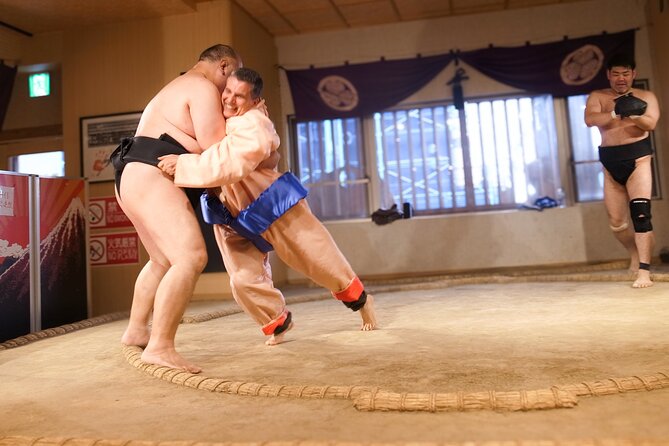
Book it if you want a real connection to sumo, not just a view of the ring. The best reason is simple: you learn the rules, practice techniques, then actually step into the ring with former wrestlers. That combination is hard to replace with any other Tokyo activity, especially in a package that runs about 90 minutes and stays small.
Pass or rethink if you only want passive sightseeing, or if you feel uncomfortable with interactive, photo-friendly training formats. Also, double check your goals for the day. Since it does not include a tournament ticket, you need a separate plan if you want to attend the official bouts.
If you are on the fence, my advice is to ask yourself one question: do you want to understand sumo, or just watch it? If you want to understand it and feel it, this VIP session is a strong choice.
FAQ
What is the duration of the VIP Sumo event?
The event lasts about 1 hour 30 minutes.
Where does the activity take place?
The meeting point is 1-chōme-1-2 Kamezawa, Sumida City, Tokyo 130-0014, Japan, and the activity ends back at the meeting point.
What time does it start?
The start time is 9:30 am.
How much does it cost?
The price is $114.78 per person.
Is a mobile ticket provided?
Yes, the tour includes a mobile ticket.
Is the event conducted in English?
Yes, the event is conducted in English.
Does this include a ticket to the sumo tournament?
No. This activity does not include a ticket to the sumo tournament.
What is the minimum age for children?
The minimum age for children is 5 years old. Children must be registered and paid for the event.
How large is the group?
The tour/activity has a maximum of 20 travelers.
What is the cancellation policy?
Free cancellation is available. You can cancel up to 24 hours in advance for a full refund.
More VIP Experiences in Tokyo



More Tour Reviews in Tokyo
Not for you? Here's more nearby things to do in Tokyo we have reviewed












Tokyo Sumo Experiences, side by side.
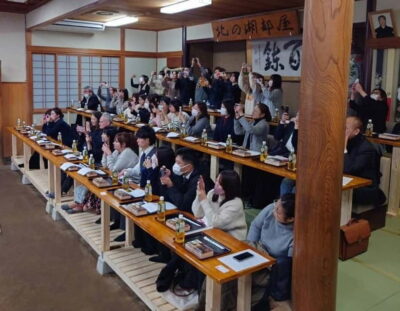 ★ 4.8Sumo Show and Dining ExperienceFrom $792,742 reviews
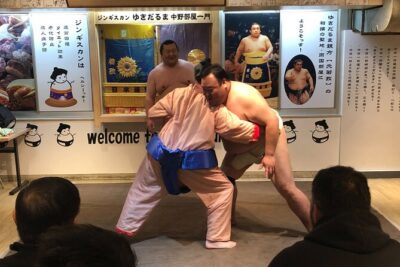 ★ 5.0the SUMO showFrom $891,960 reviews
 ★ 5.0Tokyo Shinjuku Sumo Show & Experience with PhotoFrom $791,750 reviews
 ★ 4.8Sumo Show and Experience in ShinjukuFrom $691,001 reviews
 ★ 4.7Luxury Sumo Show Experience & Japanese cuisine & DrinkFrom $103577 reviews
 ★ 4.8Sumo Morning Practice Viewing TourFrom $81570 reviews
 ★ 4.8Tokyo Sumo Experience: Chanko & Mochi with a Former ProFrom $103567 reviews
 ★ 5.0Ultimate Sumo Tournament: Tokyo, Osaka, Nagoya, FukuokaFrom $184468 reviews
This tour also belongs to