
Review · ASAKUSA TOURS
Time Travel in Tokyo Explore Old Town Asakusa and Local Food
Old Tokyo, plus snacks, in two easy hours. I like how this Asakusa walk ties Sensō-ji temple moments to real food stops on Nakamise Street, and how your guide helps you do the prayer customs the right way. One possible drawback, the tour ends at Don Quijote, so if you want a quiet finish, you may prefer to shop for just a few minutes and then head out.
This is a private tour, about 2 hours, with a mobile ticket. At $26.13 per person, it is not a budget-bomb, but it feels fair for a guided route that saves you from wandering, guessing, and buying overpriced snacks by accident.
I also like the human touch. Guides have been praised for being patient with families and for photo help, with one guide named Suno specifically called out for great storytelling and timing.
Key highlights you can count on
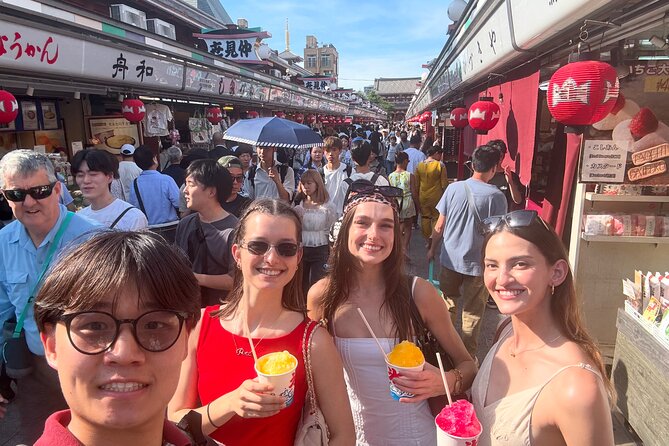
- Nakamise Street snack route that focuses on popular local treats like ningyo-yaki and senbei
- Sensō-ji etiquette tips so you can offer incense and pray without feeling lost
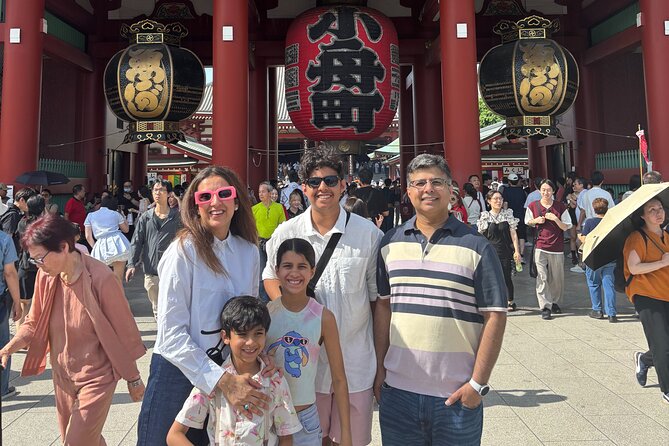
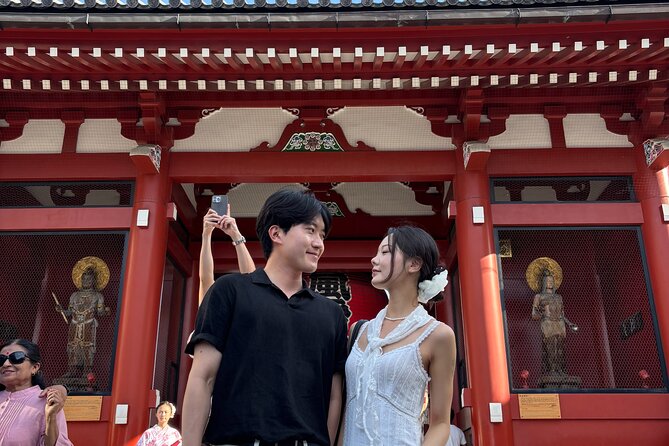
- Kaminarimon Gate entry with the big lanterns and guardian statues you came for
- Backstreet photo spots and local stories that go past the main tourist lane
- A playful Don Quijote finale for quirky souvenirs, snacks, and pop-culture browsing
Why Asakusa feels like Tokyo’s old neighborhood
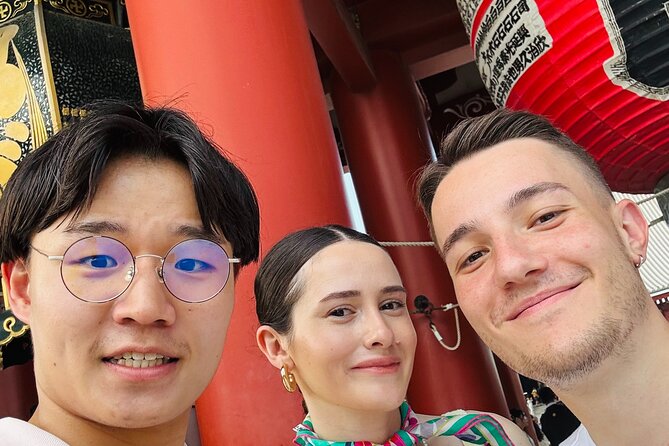
Asakusa is the part of Tokyo where history is not behind glass. You walk through an older street pattern, you smell snacks in the air, and you see everyday life mix with big landmark tourism.
This tour is built around that blend. It starts at the dramatic entrance area and then shifts to smaller lanes where Tokyo feels more like a living neighborhood than a set piece.
And yes, food is part of the plan. You will sample classics rather than just stare at them, which makes Asakusa easier to enjoy even if you are short on time.
You can also read our reviews of more food & drink experiences in Tokyo

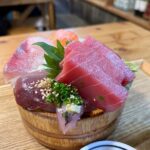
Meeting at Asakusa Culture Tourist Information Center and how the flow works
You meet at Asakusa Culture Tourist Information Center, 2-chōme-18-9 Kaminarimon, Taito City. The route is designed to be simple: walk, snack, temple, then a short shopping stop at the end.
The total time is about 2 hours, and that matters because it keeps the pace friendly. You are not trying to see all of Tokyo in one go, so you can actually notice details, like what people are buying on Nakamise Street or how incense offerings are done at Sensō-ji.
Because it is a private tour for your group, you can ask questions as you go. That is a practical advantage in Asakusa, where temple etiquette and food ordering can be confusing if you are unfamiliar with the rhythm.
Nakamise Street snack stop, ningyo-yaki and senbei without the guesswork
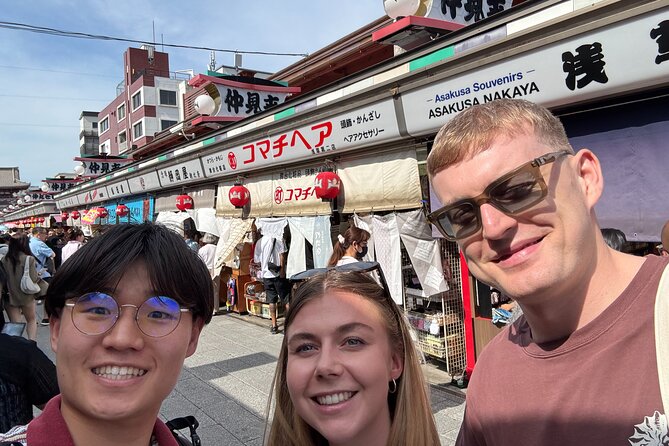
Nakamise Street is where Asakusa goes into full snack mode. You walk under shop signs while the air fills with the smell of freshly made rice crackers and sweet red bean treats.
This part of the tour is about Nakamise Street guidance and not just shopping. You will try local snacks like ningyo-yaki (doll-shaped cakes) and senbei (rice crackers), and you get context for what you are eating and why it is a local favorite. Reviews also mention items like age-manju along the way, so there is a good chance you sample more than one sweet or savory bite.
Here is how this stop helps you as a visitor. Without a guide, Nakamise can turn into a maze of similar-looking packages and tourist pricing. With a guide, you get a short list of what to buy, when to buy it, and what to prioritize, which saves both time and money.
Practical tip: go in with a light appetite. You will want room for multiple bites, not one big meal right beforehand.
Sensō-ji temple time at Kaminarimon Gate, incense, and prayer customs
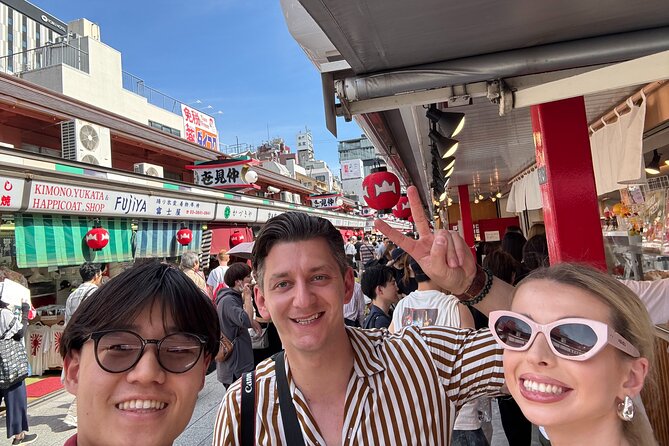
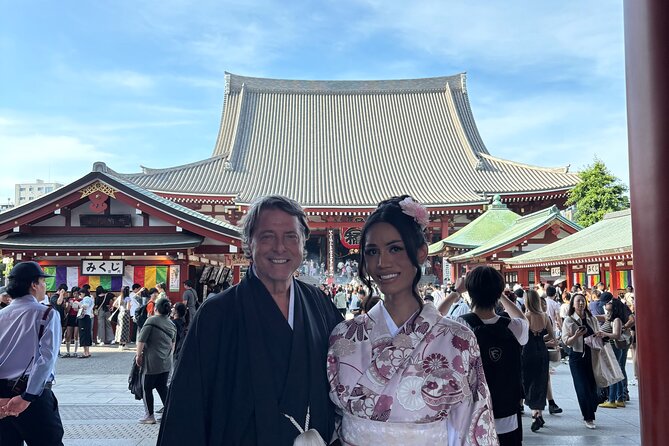
Next comes Sensō-ji, Tokyo’s oldest and most beloved Buddhist temple. The approach through the Kaminarimon Gate is a big moment, with massive lanterns and guardian statues that make you understand why this place is iconic.
The tour also spends time on story and meaning, including a legend that stretches back 1,300 years. You do not just get facts, you get the reason people keep coming back and why the area feels meaningful even when it is busy.
One of the most praised parts is the etiquette. You are guided on how to offer incense and how to pray properly, so you can participate respectfully instead of acting like you are speed-running a checklist.
What to expect during this block:
- You walk into the main temple area after passing through the gate
- You learn how incense offerings work and what to do with your hands and attention
- You get a calm moment inside one of Tokyo’s most active sacred spaces
The advantage for first-timers is big. Temple etiquette is one of those topics that can feel awkward if you do not speak the language, but a good guide makes it clear and simple.
Backstreets and photo stops, where the quiet Tokyo shows up
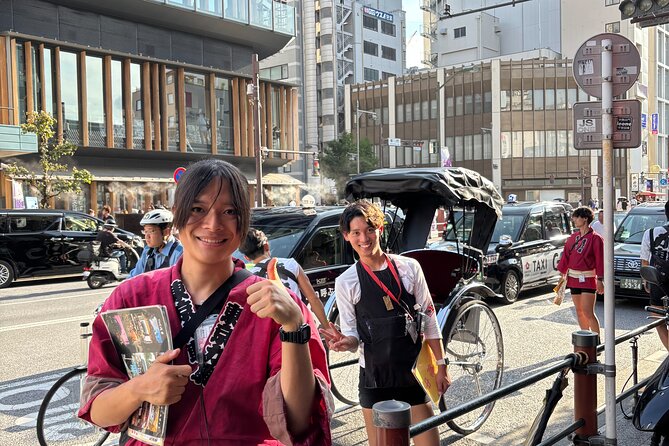
After the main temple time, the tour shifts into the kind of Asakusa you would miss if you only stay on the biggest streets. Your friendly local guide brings you into backstreets to find secret spots and hidden photo angles.
This is not just about photos for Instagram. The route helps you understand how neighborhoods are laid out, how people move between temples and shops, and where the “old town” vibe actually lives between the landmarks.
You also get unique local stories and cultural tips that do not usually show up in quick sightseeing plans. This is where the tour can feel more personal, especially if your group likes asking questions.
A specific plus from guide feedback is photo help. If you want pictures that actually look good, you are not stuck taking 20 blurry attempts and hoping for the best.
More Tokyo tours and experiences for the shortlist



Don Quijote Asakusa finale for quirky souvenirs and snack browsing
The tour ends at Don Quijote Asakusa, in front of the store on the Asakusa side. The idea here is not subtle, it is practical: it is an easy place to grab quirky souvenirs, snacks, cosmetics, and pop-culture goods without needing extra directions.
This matters if you are traveling with kids or if you want a low-stress last stop. Don Quijote is playful and loud in the best way, so it is a fun contrast to the calm, respectful temple block earlier.
One caution to plan around: this finale is shopping-forward. If you prefer a quieter end to the tour, treat it as a short checkout stop, not a place to lose your whole hour.
Price and value: $26.13 for 2 hours, what makes it worth it
At $26.13 per person for about 2 hours, you are paying for time saved and for confidence gained. In Asakusa, that is a real value. A guided route helps you pick the right snacks, understand temple behavior, and avoid the most obvious tourist traps.
The other factor is format. This is a private tour for your group, and that usually means more attention per person. You are not fighting for the guide’s attention while you stand in line, and it is easier to ask quick questions about food or customs.
You also start and end with easy points. Meeting at the Asakusa Culture Tourist Information Center keeps things straightforward, and finishing at Don Quijote is convenient for last-minute souvenir hunting.
It helps too that this tour has a strong track record, rated 5 out of 5 with 13 reviews and recommended by 100%. When a tour stays that consistent, it usually means the guide experience and pacing work well.
Who should book this Asakusa experience?
I think this tour fits best if you:
- Are visiting Tokyo for the first time and want old-town Asakusa without getting overwhelmed
- Care about eating local, not just photographing streets
- Want temple etiquette explained clearly and respectfully
- Prefer a private format, especially if you are traveling as a couple, family, or small group
It can also be a solid option for repeat visitors who already did the biggest landmarks but want the smaller streets and snack order improved.
If you dislike walking, you might want to think twice. This is a 2-hour walking experience, and Asakusa includes stairs and crowds near big landmarks, so comfy shoes are not optional.
Helpful timing and what to watch for on the ground
The tour is structured in three main phases: Nakamise for about an hour, Sensō-ji for about 45 minutes, and Don Quijote for about 15 minutes. That adds up to a compact route, which is great when you are juggling multiple neighborhoods in a day.
As for timing, Asakusa can get crowded. If you are sensitive to crowds, try to book a time that avoids the busiest temple rush hours. If you cannot control the time, lean into the tour structure, it helps you keep moving and stay focused.
Also, since this is a food-inclusive experience, plan your day around it. You will likely eat multiple small items on Nakamise, and you may want to skip heavy lunch right before the tour.
Should you book this Asakusa tour or skip it?
Book it if you want a simple, guided hit of Tokyo’s older side, with real snacks and temple etiquette you can feel confident about. The value comes from direction, not just sightseeing, and the private setup is especially nice if you want easy conversation with your guide.
Consider skipping or pairing it differently if you want a slow, self-guided wandering day with no structure at all. Also, if you hate shopping environments, the Don Quijote ending might feel like too much retail energy for your taste.
If you are unsure, think of this as a guided “starter course” to Asakusa. You will leave knowing where to go next, what to eat again, and how to handle the temple customs without second-guessing.
FAQ
How long is the Asakusa old-town walking tour?
It lasts about 2 hours.
Where does the tour start?
The meeting point is the Asakusa Culture Tourist Information Center at 2-chōme-18-9 Kaminarimon, Taito City, Tokyo.
Where does the tour end?
The tour ends in front of Don Quijote Asakusa at 2 Chome-10 Asakusa, Taito City, Tokyo.
What kinds of snacks do you try on the tour?
You try local treats such as ningyo-yaki and senbei, and the experience includes time on Nakamise Street for snack tasting.
Is there a temple visit?
Yes. You visit Sensō-ji, including time at Kaminarimon Gate and time in the temple area.
Does the tour teach anything cultural?
Yes, you learn how to pray at the temples and you also pick up a few useful Japanese phrases.
Is this tour private?
Yes, it is a private tour/activity, so only your group participates.
Is cancellation free?
Free cancellation is available up to 24 hours in advance for a full refund.
Is a mobile ticket used?
Yes, the tour uses a mobile ticket.
More Food Experiences in Tokyo
More Food & Drink Experiences in Tokyo
More Tour Reviews in Tokyo





Not for you? Here's more nearby things to do in Tokyo we have reviewed












Asakusa Tours, side by side.
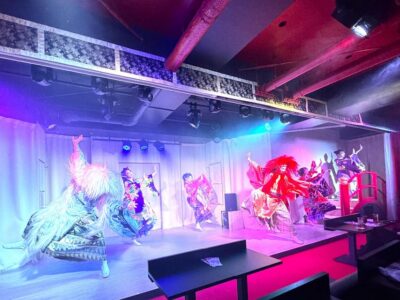 ★ 4.8Japanese Dance Cabaret Theater Asakusa-Kaguwa TicketFrom $492,270 reviews
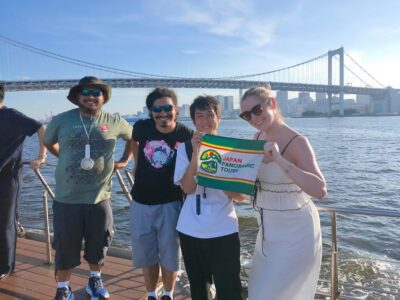 ★ 4.7Meiji Shrine, Asakusa, Skytree Bus Tour and CruiseFrom $1221,986 reviews
 ★ 4.9Roll and Authentic Sushi Making Class in AsakusaFrom $581,957 reviews
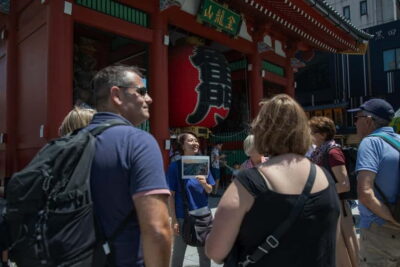 ★ 4.8Asakusa Walking Tour with Sensoji Temple VisitFrom $221,583 reviews
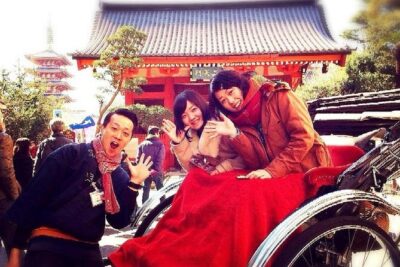 ★ 5.0Tokyo Asakusa Rickshaw TourFrom $421,375 reviews
 ★ 4.5Tokyo Panoramic 1 Day: Meiji Shrine, Asakusa, Odaiba and SKYTREE®From $851,222 reviews
 ★ 5.0Tokyo Go Kart: Asakusa, Skytree, and Akihabara **IDP MUST**From $99988 reviews
 ★ 4.7Asakusa, Skytree & Akhihabara Go-Kart City ExperienceFrom $96761 reviews
This tour also belongs to