
Review · TOKYO CITY TOURS
Private Day Tour in Tokyo with Government-Licensed Guide
Tokyo gets less scary with one sharp plan. This private, government-licensed walking tour lets you pick 3-4 major Tokyo stops, with Hiro guiding the route and explaining what you see in plain English. I loved Hiro for his clear communication and easygoing flexibility, and I also liked how he teaches you Tokyo subway habits so the city feels navigable fast. One catch, plan on extra money for any paid observation decks like Shibuya Sky, Tokyo Tower, or Tokyo Skytree, plus lunch is not included.
You start at Shibuya Scramble Square and end back there, which keeps the day simple. Pickup is offered, and you get a mobile ticket plus group discounts, but it’s still a walking day, so wear comfy shoes and expect some stair and sidewalk time.
Key highlights you will feel right away
- Government-licensed private guide who can tailor the day around what you care about
- Custom 3-4 site plan from iconic options like Meiji Jingu, Shibuya, Asakusa, and Tsukiji
- Real public-transport coaching so you learn how to move through Tokyo, not just where to go
- Easy extra-cost control since you only pay admission for the specific sights you choose
- A photo-friendly pace with a guide who helps you hit the moments without rushing past them
- Station problem-solving that includes finding easier routes (like elevators) when stops get stair-heavy
Private, government-licensed guidance in a city that moves fast
Tokyo can feel like a video game with too many doors. The streets are great, but figuring out which train to take, which side of the platform you need, and where to stand for a view can burn your best energy.
That is why this kind of tour works so well early in a trip. You get a private guide (your group only), and the guide can flex as you go. In the style of this experience, Hiro is the name that keeps coming up for a reason: clear English, quick route thinking, and the ability to adjust when your interests change mid-day.
I also like that the focus is not only photo stops. You get context for shrines and neighborhoods, and you learn the small etiquette things that make your day smoother, like how to move through shrine areas respectfully and how to read what you are seeing instead of just taking pictures.
You can also read our reviews of more guided tours in Tokyo
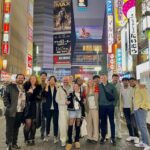
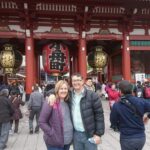
Where the private format shines
- You control the 3-4 stops. If your day is about temples and old streets, you can lean that way. If it’s city views and neon Tokyo, you can choose those.
- You get to ask questions on the spot. Tokyo is full of rules, customs, and hidden meanings, and a guide answers in real time.
- You do not fight crowds for information. You see the highlights, but with a plan.
A practical drawback to expect
This is a walking tour. Even with transit between areas, you will still be walking. If your day requires lots of seated downtime, you will want to choose fewer stops or build in breaks where the guide suggests.
Price and value: what you pay, what you might add, what you actually get
The price is listed at $108.99 per person for about 6 hours. That price is mainly paying for one thing: a guide who saves you time and confusion. In Tokyo, time is money, and lost time is a bigger cost than you might think.
The tour includes a licensed local guide and a customizable walking plan of 3-4 sites from the options. It also includes meeting in Tokyo at the agreed start point.
What is not included is where your budget may change:
- Transportation fees. A 24-hour Metro Pass is listed at 900 yen for adults and 450 yen for children, but transport costs are not included in the price.
- Lunch. You pick it.
- Some key viewpoints. Shibuya Sky is listed at 2,700 yen, Tokyo Tower observation decks at 1,500 yen, and Tokyo Skytree at 2,100 yen weekdays or 2,300 yen holiday.
How to think about the value
If you choose one or two paid viewpoints, you are basically paying for convenience plus interpretation. If you skip them and stick with free areas like Meiji Jingu, Shibuya Crossing, Zojo-ji, Tsukiji outer area, Imperial Palace East Gardens (select access), and Senso-ji, your total cost stays closer to the base price.
Either way, the real win is that you are not navigating alone. With Hiro, the repeated theme is learning the metro system and getting practical direction, not just reciting facts.
You can also read our reviews of more private tours in Tokyo
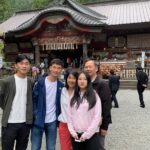

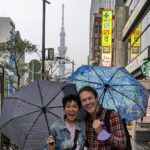
Meeting at Shibuya Scramble Square and moving like you mean it
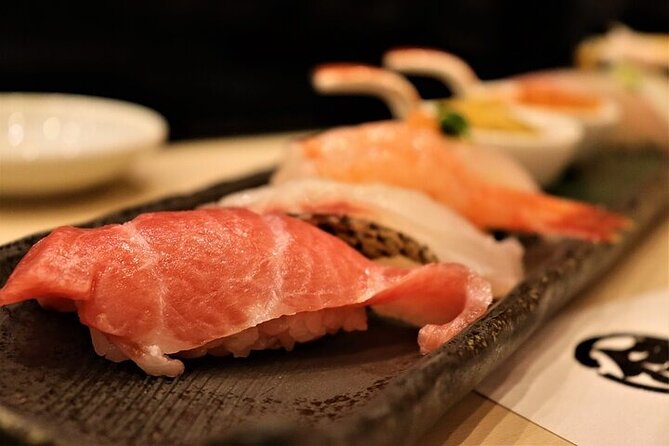
The meeting point is Shibuya Scramble Square (2-chōme-24-12, Shibuya, Tokyo 150-0002), and the tour ends back at the meeting point. That matters more than it sounds. In Tokyo, returning to one anchor point reduces end-of-day stress.
Pickup is offered, and you get a mobile ticket. That can help on days when you want less paperwork and more time outside.
What you should do before you go
- Plan comfortable shoes. Even when the guide uses trains, you will still walk between station exits and sights.
- Decide early which paid views you actually want. Shibuya Sky, Tokyo Tower, and Tokyo Skytree are each great. Pick the one that best matches your photo goals and your stamina.
- Bring a charged phone and any essentials. Mobile tickets and transit use your phone, so dead battery is the enemy of good planning.
Transit coaching is a big part of the deal
One of the most practical benefits from this experience is learning how to use public transport in Tokyo. People mention being able to rely on the route plan, and that is exactly what you want on a first visit.
A small detail that becomes huge in real life: Hiro also finds easier station paths when stops are stair-heavy. If you have mobility limits, that habit can be the difference between enjoying the day and getting stuck.
Meiji Jingu, Harajuku, Shibuya Sky, and Shibuya Crossing: the fast hit of Tokyo pop culture
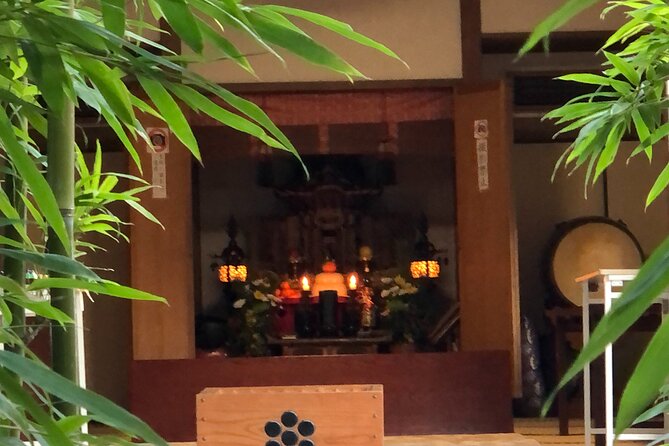
This part of the day is where Tokyo swings between calm and chaos. You start with greenery and ritual, then you jump into street fashion energy, then you end up staring at pedestrian physics.
Meiji Jingu Shrine: calm near the busiest station
Meiji Jingu sits right by Harajuku Station and the JR Yamanote Line. It is a shrine dedicated to Emperor Meiji and Empress Shoken, and the approach feels like a reset button after big-city noise.
What makes this stop work on a walking tour is contrast. You get to experience a traditional space without sacrificing the efficiency of being close to major transit.
Takeshita Street: teenage fashion in full motion
Takeshita Street is Harajuku’s iconic style lane. It is famous for youth fashion and bold street culture, and it moves like a living photo set.
If you care about design, street trends, or just seeing how fast Tokyo trends change, this is a good stop. The tradeoff is simple: it can be crowded, and you may want to keep your time window short unless you really love the scene.
Shibuya Sky: 360-degree views, but budget for admission
Shibuya Sky is a 360-degree open-air observation deck on the roof of Shibuya Scramble Square. That view angle is the point. You see the geometry of the city and the spread of neighborhoods in a single sweep.
But admission is not included. If you want the view, budget the 2,700 yen ticket cost.
Shibuya Crossing: the world’s most famous red light
Shibuya Crossing is free and it is pure spectacle. The description is accurate: multiple crosswalks meet, and the timing creates that synchronized flood of people.
This stop works best when your guide helps you time where to stand. Without a plan, you can end up behind poles or in a spot where the view is half blocked.
Tokyo Tower and Zojo-ji: post-war symbol plus the Tokugawa name
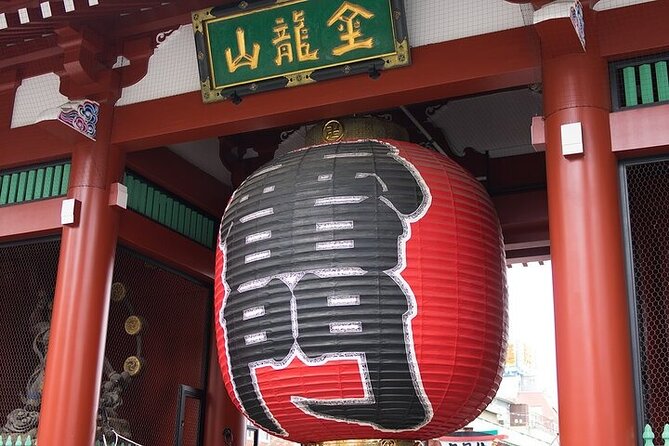
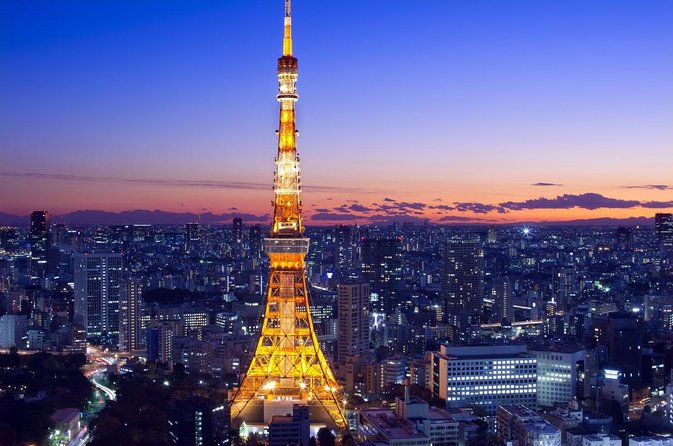
Tokyo Tower is one of those classic landmarks that keeps showing up on postcards for a reason. It was built in 1958 and it has two observation decks, with the tower standing at 333 meters.
Admission for the observation decks is not included. If you want indoor viewing decks or the best angles, plan on adding 1,500 yen.
Right next door is Zojo-ji, a well-known temple with grounds that contain the mausoleum of the Tokugawa family. That is a nice pairing because you get both the modern Tokyo icon and a serious historical connection in one area.
What to know before you choose this combo
- If you like iconic skylines, Tokyo Tower fits the bill.
- If you want more temple time, Zojo-ji is your anchor.
- Because both are in the same zone, it is efficient for a 3-4 stop plan.
Tsukiji outer market and Kappabashi: where food talk turns into shopping energy
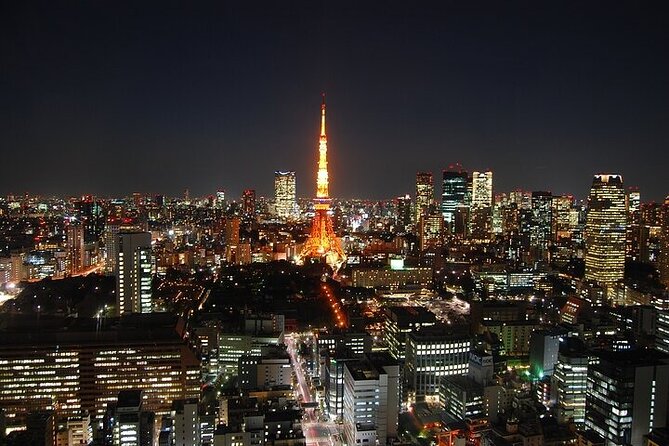
Food is a huge part of Tokyo for most people, but you do not have to turn every meal into a big production.
Tsukiji Fish Market outer area: wander without a ticket
The Tsukiji stop focuses on the outer market, where chefs shop for high-quality fish. The tour duration listed here is about 1 hour, and admission is free for the outer area.
Even if you do not eat while you wander, it is a strong sensory stop. You see the busy rhythm of the market economy, and you get ideas for what to order later.
One of the most repeated practical wins from Hiro’s guiding style is that he suggests real lunch options that fit the area. People mention ramen and sushi choices connected to Tsukiji timing, which is exactly what you want when your stomach is involved in the schedule.
Kappabashi Street: kitchen tools and plastic food displays
Kappabashi Street (often called Kappabashi Dogugai) is a different kind of fun. You will see shops selling kitchen equipment and paper supplies for restaurants. The standout detail is the specialty plastic food items displayed in windows, which helps you understand how Japanese restaurants present dishes before you even sit down.
Admission is free, and the listed time is short, about 10 minutes. This is ideal if you like quick souvenir shopping with a clear theme.
Imperial Palace East Gardens and Asakusa Senso-ji: old Tokyo with room to breathe
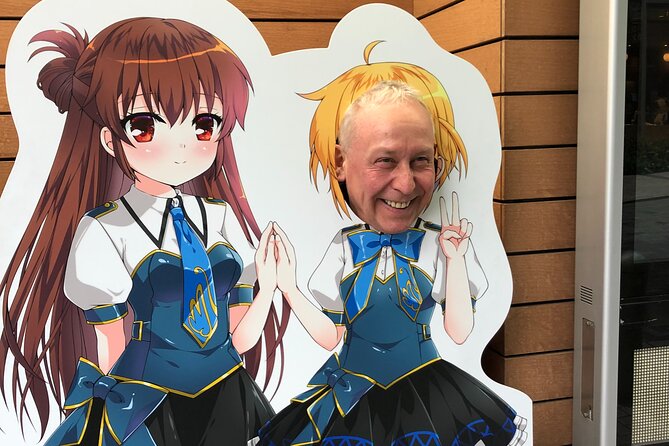
This is the part of the day that feels more like traditional Tokyo than city-icons Tokyo.
Imperial Palace: East Gardens on select days
The current Imperial Palace is built on the site of the former Edo Castle. Most grounds are not open to the public, but the East Gardens are accessible on select days.
This matters for your expectations. If East Gardens access is not available on your day, you might spend less time inside the open areas. The shrine and palace-area vibe still makes sense as a stop, but treat it as a place to experience the setting, not just to “tour every room.”
Asakusa: shopping streets plus temple energy
Asakusa is known for shops and restaurants, and it is also where you go for Senso-ji Temple. The route in this tour treats it like a mini neighborhood break.
The Asakusa stop is described as about 10 minutes, and then you go straight into the temple portion.
Senso-ji Temple: the colorful classic
Senso-ji, also called Asakusa Kannon Temple, is one of Tokyo’s most colorful and popular temples. Admission is free.
The guide’s job here is especially helpful because it is easy to get swept up in crowds and forget what you are seeing. With a private guide, you can slow down just enough to understand what matters in the space.
Tokyo Skytree: choose it if height and space matter most to you
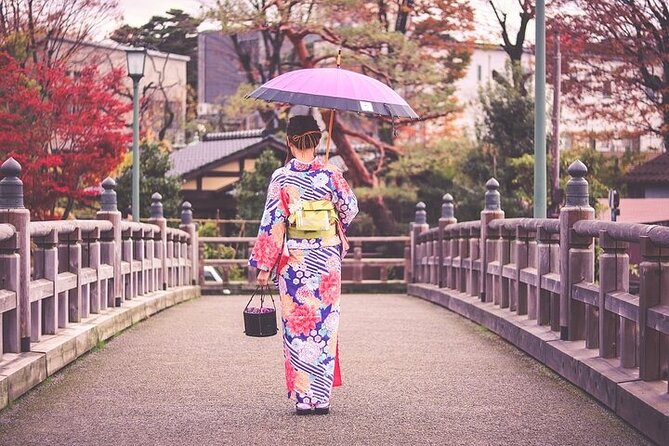
Tokyo Skytree is another skyline giant, and it is the centerpiece of Tokyo Skytree Town in Sumida City Ward. It also is a television broadcasting tower and a major landmark.
Admission is not included. The listed ticket costs are 2,100 yen for weekdays and 2,300 yen for holiday.
If you love wide city views and want your skyline experience in one big shot, Skytree makes sense. If you prefer classic architecture vibes, Tokyo Tower might be the better match. If you love modern rooftop perspectives, Shibuya Sky is the choice.
How I’d pick between the three paid decks
Pick based on what your photos will be for:
- Want a neighborhood-feel skyline? Shibuya Sky.
- Want a classic Tokyo landmark silhouette? Tokyo Tower.
- Want maximum tower scale? Tokyo Skytree.
Since you only choose 3-4 sites, it is smart to make your paid-view choice early so the rest of your day stays stress-free.
How long is long enough: planning your 3-4 stop day wisely
The tour runs about 6 hours. The itinerary options show many major stops, but the format is built around customizing 3-4 sites from the list. That is the sweet spot for a first day.
Here are a few ways to think about your mix, without overcommitting:
- Culture-heavy: Meiji Jingu, Zojo-ji, Imperial Palace East Gardens (if open), Senso-ji.
- Neon and views: Takeshita Street, Shibuya Sky, Shibuya Crossing, Tokyo Skytree or Tokyo Tower.
- Food and old streets: Tsukiji outer market, Kappabashi, Asakusa, Senso-ji, plus one skyline if you still have energy.
A realistic pace tip
If you try to force in too many “big ticket” sights, you will feel rushed. A private guide helps, but your body sets the limit. Keep one lighter stop in the mix, like a short street walk or market browsing, so your day does not turn into sprinting with a camera.
Practical tips that make the tour smoother
This kind of day goes best when you travel like a planner, not like a tourist with a map app and no plan.
- Bring cash or a simple payment method for paid admissions. Ticket costs are listed for the major decks.
- Decide your lunch strategy in advance. Lunch is not included, and you will want enough time for food without breaking the flow of the day.
- If you know you will want photos at specific viewpoints, tell the guide early. Timing can matter, especially at places like Shibuya Crossing.
- If the day is hot or humid, plan breaks. People describe Hiro adjusting when weather and timing became tight, and that flexibility is part of why this tour works well.
Who should book this private Tokyo highlights day
This tour makes the most sense for you if:
- It is your first time in Tokyo and you want fast orientation.
- You want a guide who can handle language barriers and explain what you are seeing, not just move you between stations.
- You prefer to choose the route rather than follow a fixed group schedule.
- You have a family or group with different needs, since the private format makes it easier to match the pace.
It may be less ideal if:
- You hate walking and want a mostly seated day.
- You only want one or two sights total. In that case, you might prefer a shorter, cheaper plan.
Should you book this Tokyo private highlights tour?
Yes, if you want a smart first-day structure and you value someone who can translate the city into something you can actually use. The best value is in the combination of a licensed private guide, a customizable 3-4 stop plan, and real guidance for public transport.
If you are the type who wants to pick your own viewpoints anyway, this tour still works well because you can control which paid decks you add and keep the rest free. Just go in with comfortable shoes, a realistic sense of walking time, and the expectation that lunch and skyline admissions are on you.
FAQ
What is the duration of the Tokyo private day tour?
The tour is about 6 hours.
Is the tour private or shared?
It is a private tour, and only your group participates.
How many stops can I choose?
The walking tour is customizable, with 3-4 sites chosen from the available options.
What is included in the price?
Included are a licensed local guide, a customizable walking tour of your chosen 3-4 sites, and meeting up with the guide in Tokyo.
What is not included?
Not included are transportation fees, lunch, and admission for select attractions such as Shibuya Sky, Tokyo Tower observation decks, and Tokyo Skytree.
Where does the tour meet and end?
The tour meets at Shibuya Scramble Square and ends back at the meeting point.
What is the cancellation policy?
You can cancel for free up to 24 hours in advance for a full refund.
More Guided Tours in Tokyo
More Tours in Tokyo




More Tour Reviews in Tokyo


Not for you? Here's more nearby things to do in Tokyo we have reviewed












Tokyo City Tours, side by side.
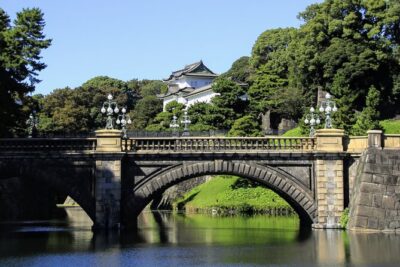 ★ 5.01-Day Tokyo Bus TourFrom $12914,250 reviews
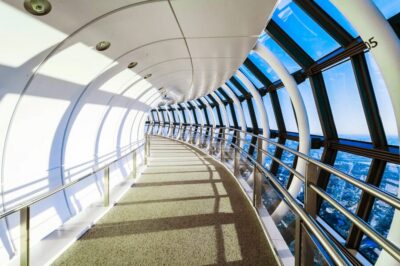 ★ 4.5TOKYO SKYTREE® Admission ticketFrom $1311,192 reviews
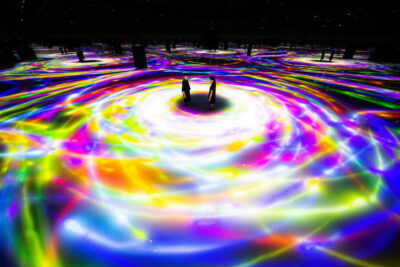 ★ 4.6teamLab Planets TOKYO Digital Art Museum Entry TicketFrom $259,779 reviews
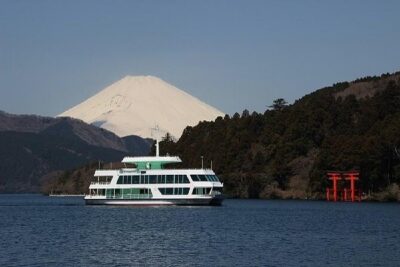 ★ 4.0Mt Fuji & Hakone Cruise, Drum Show Bullet Train 1 Day from TokyoFrom $1497,413 reviews
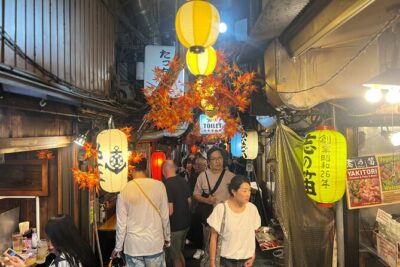 ★ 5.0Shinjuku Food Tour (13 Dishes at 4 Local Eateries)From $866,603 reviews
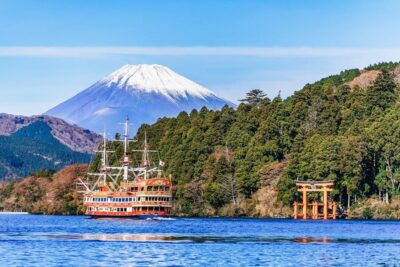 ★ 4.4Tokyo Mt Fuji 5th St & Hakone Cruise Bus Tour w/Bullet TrainFrom $1545,024 reviews
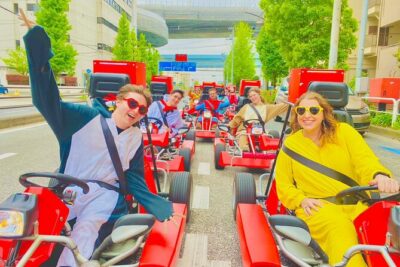 ★ 5.0Flagship 2-Hours Official Street Go-Kart Tour – Tokyo Bay ShopFrom $644,974 reviews
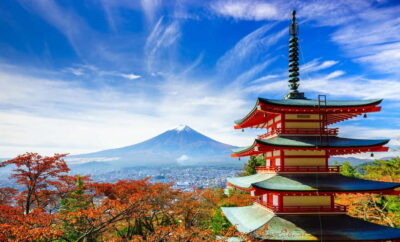 ★ 4.5From Tokyo: Mount Fuji Full-Day Sightseeing TripFrom $684,970 reviews