
Review · DESSERT TOURS
Japanese dried-type Sweets (Ohigashi) making
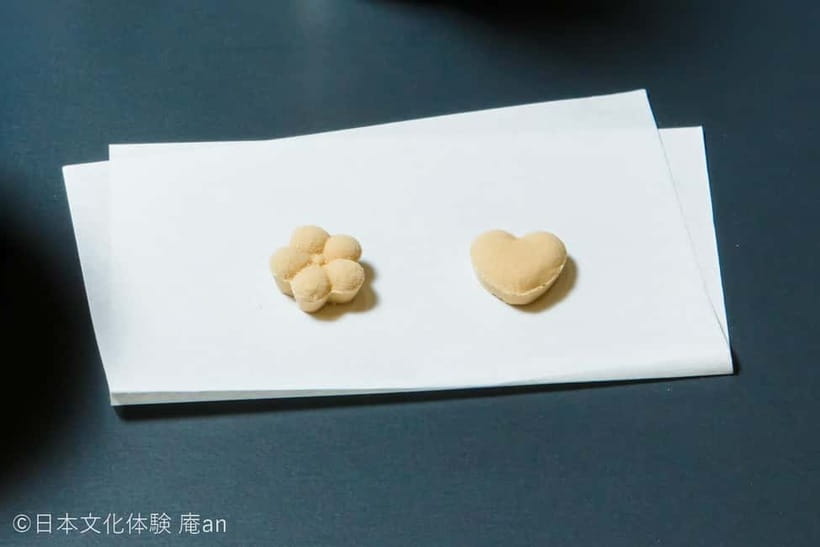
One bite tastes like old Japan. In this 30 minute workshop at AN TOKYO Japanese Culture Experience, you shape 100% Wasanbon ohigashi and get the pleasure of eating something you made seconds earlier. I also love that the sweets are made without added color, so you really notice the natural flavor and texture.
What I like most is how hands-on it feels for the time you spend. You pick a favorite wooden mold, form the dried-type sweets, and then enjoy the taste that only comes from freshly made candy. The main drawback to consider is that it is short and focused, so you are not looking at a long lecture or a whole buffet of wagashi options.
Key things to know before you go
- 100% Wasanbon only for the base ohigashi, no added color in the standard option
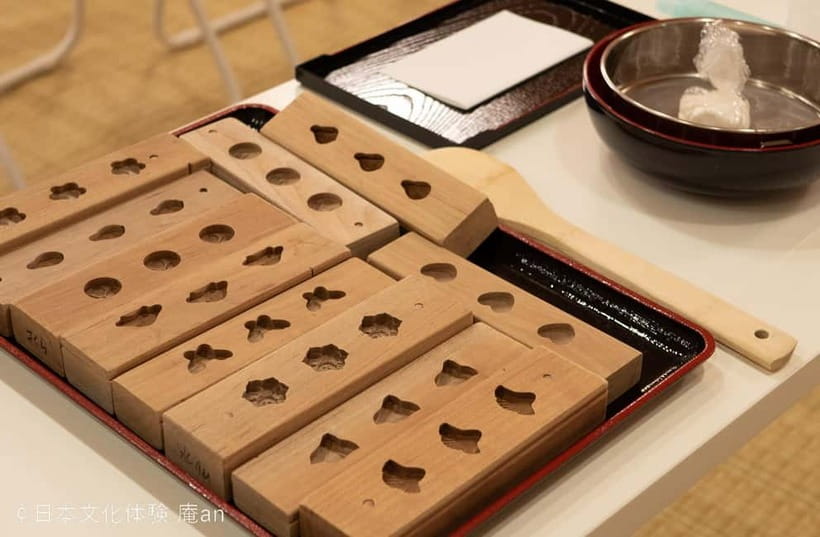
- Choose your own wooden mold so the shape feels personal, not generic
- Quick 30 minute flow that balances making, photos, and eating
- Freshly made taste is the point, you eat the results right away
- Optional upgrades exist for color (200 JPY) and a completion certificate (300 JPY)
Where You Make Ohigashi at AN TOKYO in Japan
This experience takes place in Honshu, Japan, at AN TOKYO Japanese Culture Experience. Your meeting point is listed at the coordinates 35.6916541, 139.7715022, which is helpful if you use a maps app rather than trying to read your way out of a station area.
Practically, this kind of class works best when you arrive calm and on time. The session runs only 30 minutes, and you should expect that the host keeps things moving. Also, note that the instructor language is Japanese, and English support is provided as much as possible, but translation may not be perfect word for word.
If you want the smoothest experience, come with a light plan. Grab water before you arrive, wear something comfortable for sitting and using your hands, and keep your phone charged for the photo time later.
More Tokyo tours and experiences for the shortlist
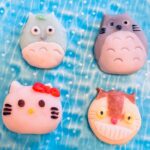
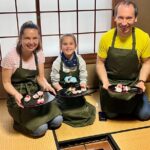
The Wasanbon Explanation That Sets Up the Flavor
The session starts with an introduction to Japanese traditional sweets, then quickly shifts into the process. Even before you touch the mold, you get the key idea: Wasanbon is a traditional Japanese sugar, and this class specifically uses 100% Wasanbon.
The way it is described is pretty straightforward. Wasanbon is mellow, and when you make ohigashi with it, you get a taste you simply will not understand until you try it. The texture is part of the point too, since the sugar is described as fluffy and smooth, melting in your mouth.
One more detail matters here. You will make your ohigashi without adding any color in the standard option. That means you are not relying on eye-catching coloring to do the heavy lifting. You get to experience the natural look and flavor of the sugar itself.
If you are the kind of person who likes to understand what you are eating while you are eating it, this intro is worth paying attention to. Even if your Japanese is limited, the host’s guidance and the visual steps do a lot.
Choosing a Wooden Mold, Then Shaping Your Own Dried Sweets
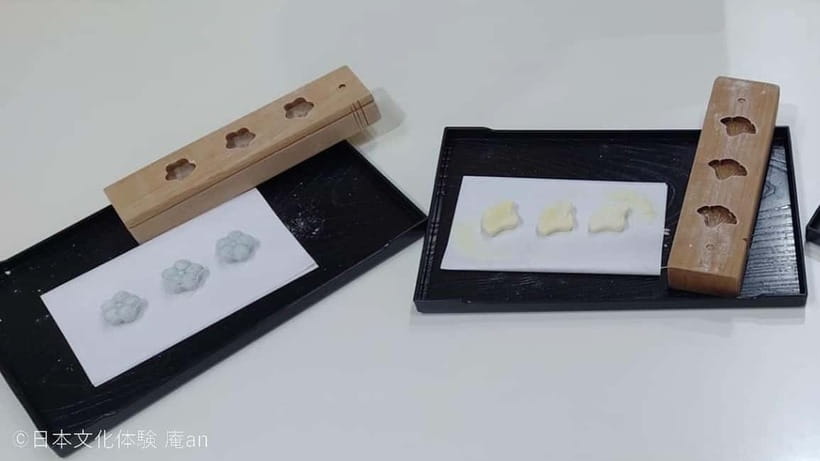
After the short explanation, the hands-on part begins with making Japanese dried-type sweets (ohigashi). The most fun practical feature is also the simplest: you choose your shape using a set of cute wooden molds.
In most short food classes, your role can feel like follow-the-instructions. Here, the mold choice is your creative moment. Pick what appeals to you, then form your sweets to match that shape. That small decision turns the session from just tasting Japanese sweets into actually making a tiny edible souvenir.
You also should know what is not happening. You are not adding coloring in the base version. The standard experience is designed around the pure Wasanbon taste, so everything you do supports that theme.
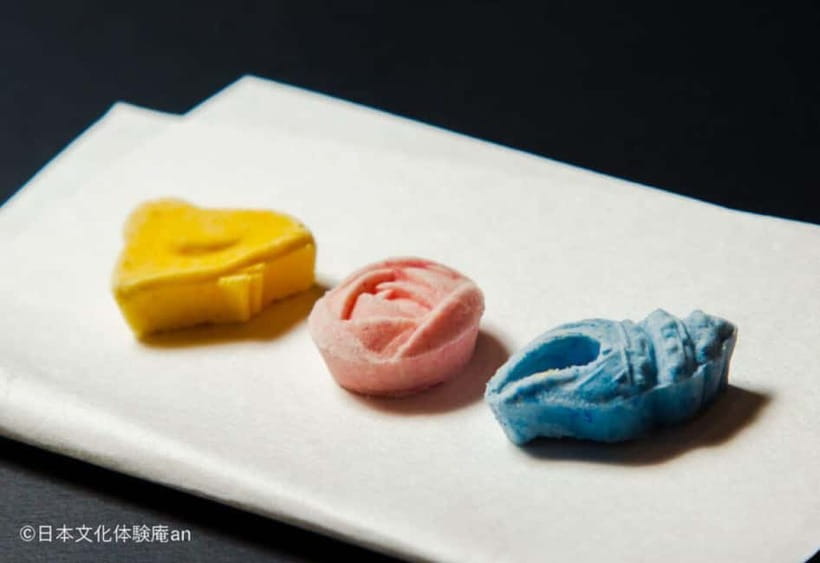
If you really want that extra pop, there is an option to make colorful ohigashi for 200 JPY, and you apply on the day. This can be a good compromise if you love photos and visual variety, but still want the main experience to be about the genuine Wasanbon flavor.
Picture Time and the Freshly Made Eating Moment
The schedule is compact, and it is built around one thing: eating what you made while it is still fresh. The session moves like this:
- At the start, you get the sweets introduction and then begin the making process.
- Around the 20 minute mark, you get picture time.
- By the end of the 30 minute session, you have eating and drinking time, then you depart the room.
That timing is not random. In a hands-on edible workshop, the biggest satisfaction is tasting the result right away. The experience description emphasizes that you can enjoy the taste that only comes from freshly made sweets, and the structure is set up to make sure you do not leave before that moment.
For food lovers, that is the payoff. For everyone else, it is still a big deal. Fresh sweets can taste different from something packaged or sitting for a while, and this class is designed around that contrast.
If you plan to take photos, do it during the picture time block, not while you are eating. It keeps things smoother and avoids the awkward scramble when the host is ready for the next part.
Price, What You Get for About $10, and Optional Extras
The listed price is $10 per person for a 30 minute experience. For this kind of short workshop, value usually comes down to two questions: Do you actually make something, and does the fee cover instruction and materials?
Here, you do make ohigashi, and the experience includes a set of Japanese dried-type sweets ohigashi making. That means the core cost is paying for the activity itself, not just watching. You also get the mold choice and the chance to eat your finished sweets during the same session.
What is not included is fairly clear and optional:
- Colorful ohigashi costs 200 JPY extra
- A completion certificate costs 300 JPY
Should you pay for color? If you like visual variety, it is an easy add-on. If your goal is to focus on Wasanbon itself, you can skip it and keep everything pure and simple. The standard option already highlights the no-color approach, so you are not losing the main point.
About the certificate: it can be fun if you collect proof of experiences, but it is not required to enjoy the class. If you are the type who prefers spending money on food you can eat right away, you may treat it as optional.






Instructor Guidance, English Support, and the Human Touch
The instructor is listed as Japanese, and English translation is provided as much as possible. That matters in a short workshop. You do not need perfect translation to form the sweets and choose molds, but it helps to understand the do and don’t points so you do not get stuck.
One review included a nice detail that fits how these classes should feel. Simona from Denmark wrote that the woman running the activity was very sweet and good at guiding them. That kind of guidance is what turns a food demo into an experience where you feel confident making the sweets yourself.
My practical advice for English speakers: watch the instructor’s hands first, then ask questions only when needed. Even if you miss a word, you can often follow the step-by-step motions. When you do ask, keep your question simple, like confirming the mold choice or whether you should wait before eating.
Also, because the class is only 30 minutes, your best strategy is to stay present. If you wander off mid-process, it is harder to catch up.
Who This Ohigashi Class Fits Best
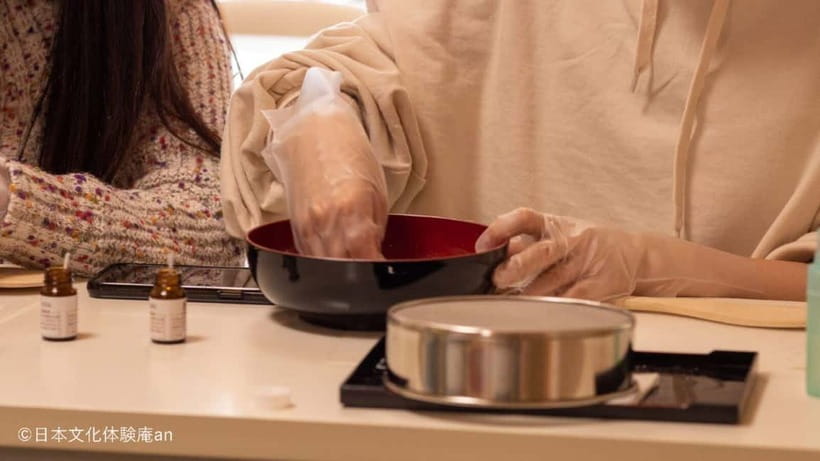
This class is a great match if you want a quick, hands-on intro to Japanese sweets culture without committing to a half day. It is also a good fit if you enjoy making something physical, then eating it while the experience is still fresh in your memory.
You might be especially happy here if you:
- Care about ingredient quality, since the base is 100% Wasanbon
- Like photo-friendly activities with a clear result, thanks to mold shapes
- Prefer short classes that end with a tasting, not a long walking tour
It is also family-friendly in a practical way. Children who sit on their parents’ laps are free of charge, with the note that this applies for children under 2 years old. The key is that the experience duration is short, so it can work better than longer workshops for small kids.
The main people who may want to adjust expectations are those looking for a long, deep explanation of the full history of wagashi flavors. This one focuses on making and tasting, not extended storytelling. You get just enough context to appreciate the sugar, then you get to work.
Should You Book This Wasanbon Ohigashi Workshop?
If your goal is to taste fresh Wasanbon-based ohigashi and leave with an edible result you shaped yourself, I think this is an easy yes. The value is strong for the price because the fee supports the full cycle: quick instruction, making with cute wooden molds, and then eating right away.
One more reason to book: the experience keeps it simple. No added color in the standard option. No complicated menu decisions. You focus on Wasanbon and on the joy of forming the sweets with your own hands.
Skip or think twice only if you need a longer, more educational format, or if you dislike very time-structured activities. With a 30 minute window, the class moves. If that stresses you out, choose a longer food experience instead.
FAQ
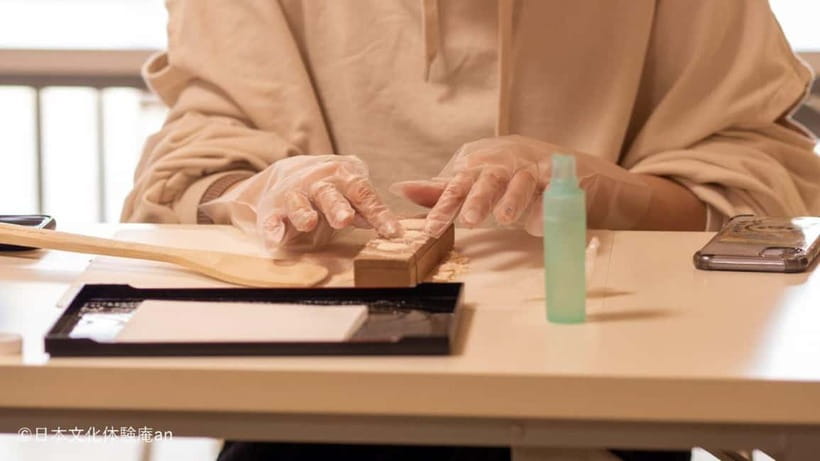
How long is the Japanese dried-type sweets (Ohigashi) making experience?
It lasts about 30 minutes, including the explanation, making time, picture time, and eating or drinking time.
What is included in the price?
The price includes the set of Japanese dried-type sweets (Ohigashi) making.
Can I make colorful Ohigashi?
Yes. Adding color is available for an additional 200 JPY, and you can apply on the day.
Is English available during the class?
English translation is provided as much as possible, and the instructor is Japanese. If you want to add more English support, you should contact them in advance.
What time does the experience operate?
Operation hours are from 10:00 to 17:00. Reservations received after 17:00 are processed the next day.
Are completion certificates included?
No. The completion certificate costs an additional 300 JPY.
Do children need to pay?
Children who sit on their parents’ laps are free of charge, for children under 2 years old only.
More Dessert Tours in Tokyo
More Tour Reviews in Tokyo
Not for you? Here's more nearby things to do in Tokyo we have reviewed












Dessert Tours, side by side.
 ★ 5.0Matcha Making Class in Tokyo with Authentic Japanese Sweets SetFrom $21744 reviews
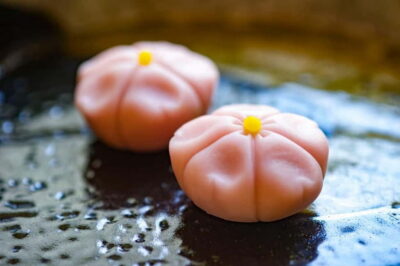 ★ 4.9Matcha Making Experience with Mochi Sweets in AsakusaFrom $22388 reviews
 ★ 5.0Make Traditional Nerikiri Sweets & Matcha experience in ShibuyaFrom $60130 reviews
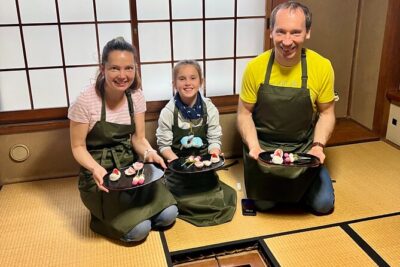 ★ 5.0Private Mochi Sweets Making class near Shibuya areaFrom $7993 reviews
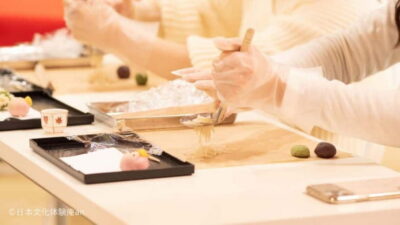 ★ 4.7Japanese Traditional Sweets making and Tea CeremonyFrom $1850 reviews
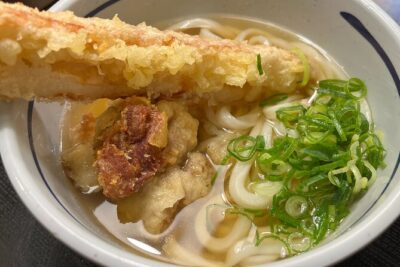 ★ 5.0Tokyo Local Food Tour: Noodles, Skewers, Dumplings, SweetsFrom $7448 reviews
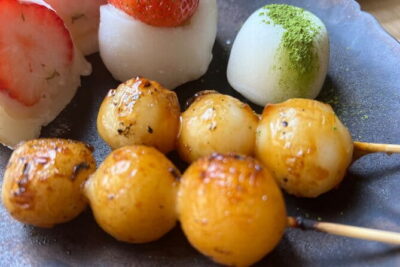 ★ 5.0Mochi Matcha Gluten Free Japanese Sweets Class near Shibuya areaFrom $11226 reviews
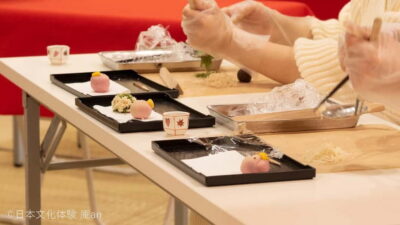 ★ 4.6Two Types of Japanese Sweets Making and Tea CeremonyFrom $2826 reviews
This tour also belongs to