
Review · TOKYO TEA & SAKE EXPERIENCES
Tokyo: Two Types of Japanese Sweets Making and Tea Ceremony
A matcha class that also teaches sweets. That is the hook here, because you do real hands-on making with Ohigashi (dried-type Wasanbon sugar sweets) and then shape Nerikiri seasonal sweets using Kyoto-produced bean paste, followed by grinding and drinking matcha. I like that it is structured but not stiff, and the instructor explains the why behind the flavors and tools. One consideration: the Nerikiri stage can take a light, steady hand, so if you want zero-fuss crafts, this part may feel a bit technical.
You get a full 125 minutes of snack-making and tea time for $28 per person, with English translation provided as much as possible even though the class language is Japanese. If you arrive late, they cannot hold the event for delays, so plan to get there early and settled.
Key highlights before you book
- Wasanbon Ohigashi first, so you start with a classic texture and learn the basics fast
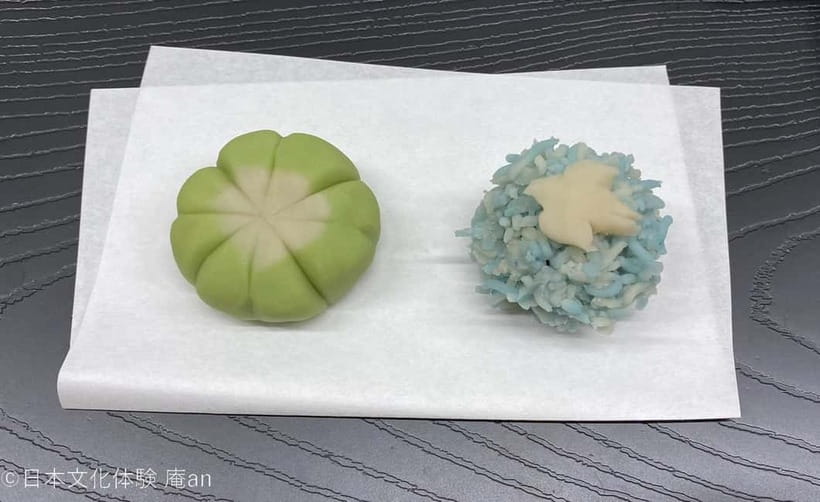
- Two seasonal Nerikiri sweets made from Kyoto-produced white or red bean paste
- Flower-shaped Nerikiri and Kinton-style shaping, so you practice different forms
- Single-origin special matcha, then you grind it and whisk it
- Casual tea ceremony, plus time for photos and eating what you made
- Clear English support and a friendly pace, even if you are new to Japanese sweets
Ohigashi and Nerikiri: What you actually make with your hands
This class is built around two types of Japanese sweets, and that makes it more useful than a simple demo. You start with Ohigashi, then move into Nerikiri, so you experience two very different wagashi textures in one sitting.
More Tokyo tours and experiences for the shortlist
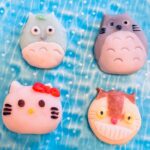
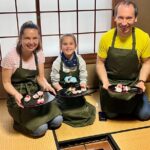
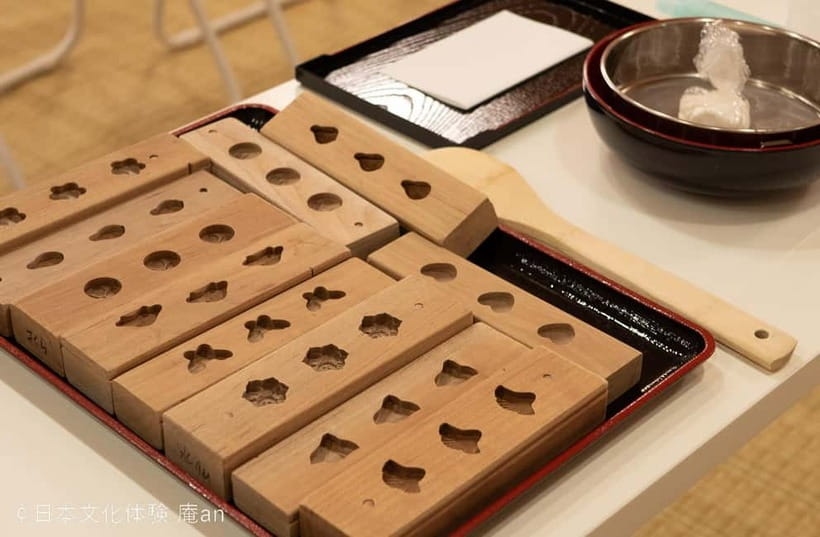
Ohigashi (the dried-type sweet)
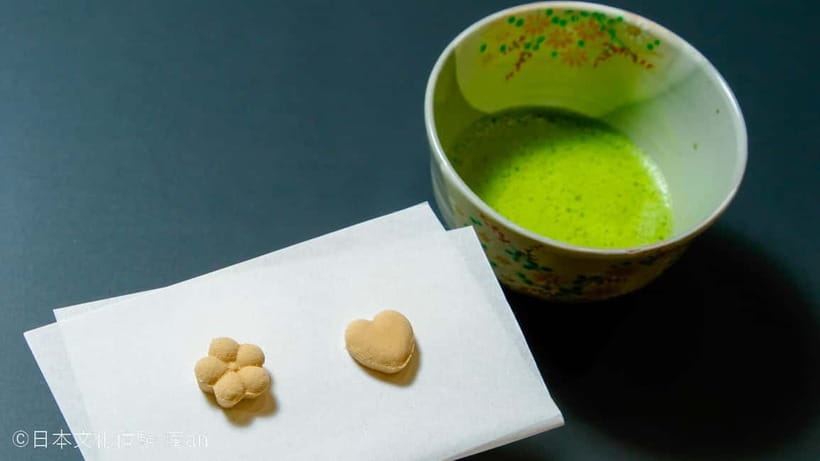
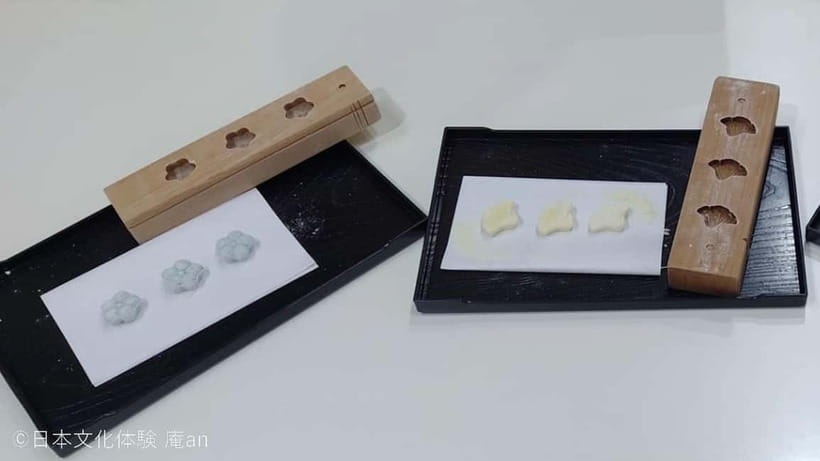
Ohigashi is the lighter, more snap-and-chew or melt-and-dissolve side of wagashi. In this experience, you make dried-type sweets from traditional Japanese sugar called Wasanbon. Wasanbon matters because it is known for its distinct sweetness profile compared with common sugar. In practical terms, it also tends to make sweets feel more gentle and traditional on the palate.
What I like about starting here: you get the feel of working with sugar-based wagashi before bean paste shaping. It gives you confidence before the Nerikiri stage asks for more precision.
Nerikiri (the seasonal bean paste sweets)
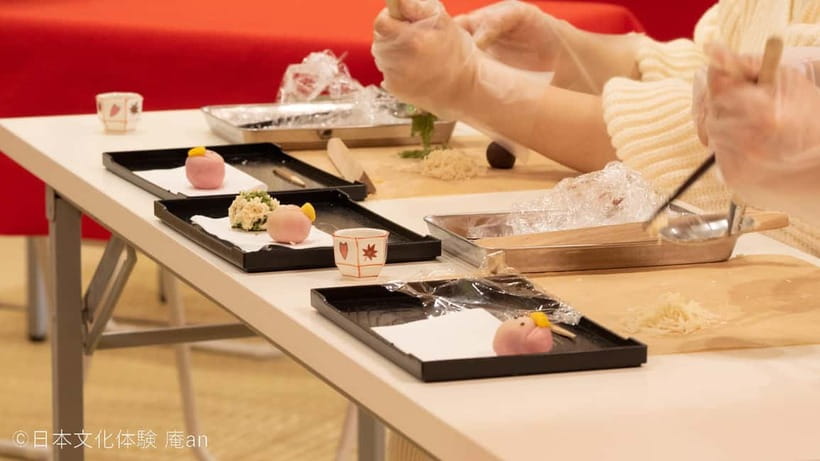
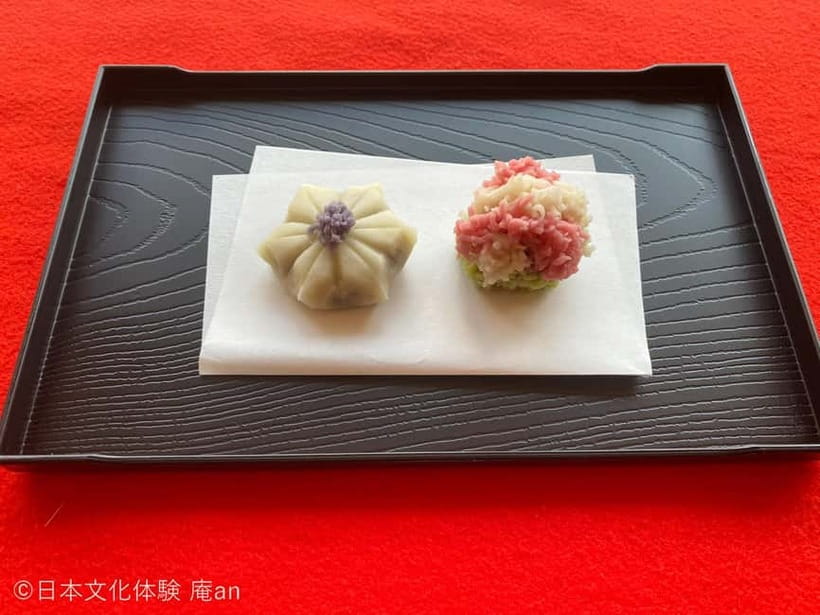
Then comes the heart of the class: you make two seasonal Nerikiri. These are shaped sweets, made with white or red bean paste produced by Kyoto’s long-established shops. That is a big deal for the final taste, because the bean paste quality is what people actually remember after the class ends.
You will create a flower-shaped Nerikiri, including Kinton Nerikiri as part of the process. Kinton is a name you will hear around Japanese seasonal sweets, and here it is part of the hands-on sequence rather than just a label. The shaping step is where the class becomes a craft.
Expect a learning curve, especially with shaping
Here is the honest part. The Nerikiri stage can be a little tricky. You need finesse, not force. If you rush or press too hard, the shape can lose its crisp edges. The good news is that you are not doing this in silence. The instructor guides you, and the goal is to help you produce something you can taste with pride.
Kyoto bean paste and single-origin matcha, why that raises the value
Tokyo has plenty of places to eat wagashi and drink matcha. What is harder to find is a class that uses ingredients you would actually buy yourself.
This experience specifically uses:
- White/red bean paste from Kyoto long-established shops
- Single-origin special Matcha
- Wasanbon for the Ohigashi
That combination matters because wagashi is mostly about ingredients. If the bean paste is bland or the matcha is generic, the whole class feels like a craft with no payoff. Here, the ingredient choices help you connect what you make to what it tastes like.




Matcha is not just green tea
You also get explanation about the difference between green tea and matcha. Even if you think you already know, it helps to hear it tied to how matcha is prepared: powder versus brewed leaves, and why that changes flavor, aroma, and texture in your cup.
I like that you learn context while you work, instead of getting a separate lecture first and hoping you remember it later.
Tea ceremony, but practical: grinding matcha and whisking it smooth
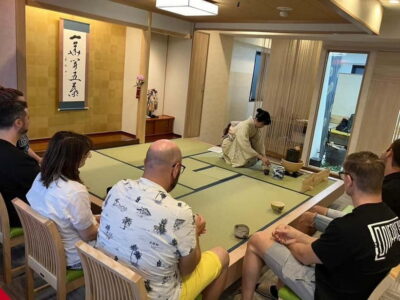
After sweets, the focus shifts to tea. This is not the kind of experience where you are expected to act like you are performing in a quiet museum. It is a tea-ceremony experience in a casual way, which is perfect for most first-timers.
Grinding and learning the tools
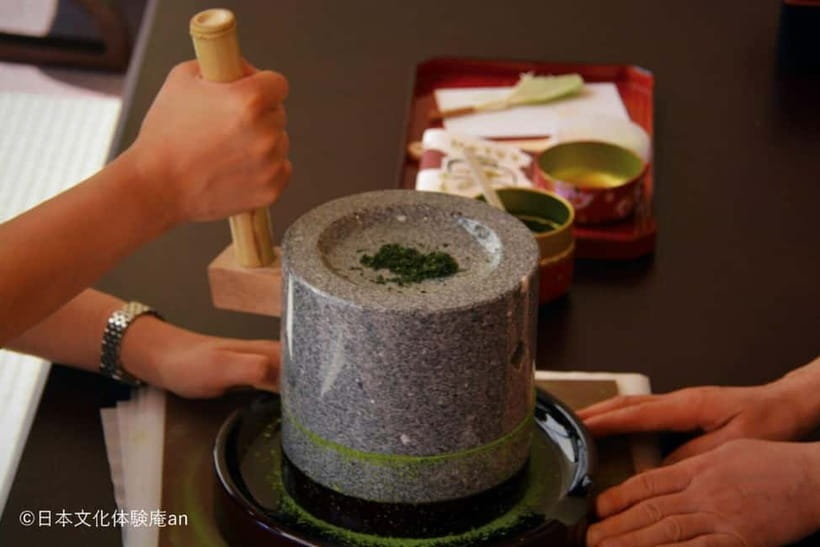
You get a matcha grinding demonstration, and then you get to experience matcha making as part of the ceremony. That hands-on part is what makes the flavor feel real, not abstract. When you see the transformation from powdered matcha to a frothy cup, you understand why whisking matters.
Also, the whisking step is not as intimidating as it sounds. The experience is paced so you can get to a good froth without stress.
What you are really learning from the ceremony
This ceremony is doing two jobs at once:
- Teaching you a simple ritual you can repeat later
- Helping you taste your own matcha alongside sweets you made
And yes, there is a picture time moment in the schedule. That is useful if you want a few memories without ruining the pace of the class.
The 125-minute flow: when you make, when you rest, and when you eat
Time matters in a food class. You want enough steps that you actually learn, but not so long that you feel rushed or hungry.
Here is the rhythm you can expect:
- 00:00 Start of the experience, then an explanation of Japanese traditional sweets
- Up to 20:00 Make Ohigashi (dried-type Wasanbon sweets)
- Around 20:00 Break time
- 30:00 Flower-shaped Nerikiri making begins
- Around 30 minutes later You continue shaping, including Kinton Nerikiri
- 85:00 Break time again
- 95:00 Explanation about tea
- Then matcha grinding demonstration
- Next tea-ceremony experience
- 115:00 Picture time
- Eating and drinking time begins and runs until 125:00, when you leave the room
A couple practical takeaways:
- You will be eating at the end, not during the crafting. If you want full satisfaction, plan to arrive ready to taste.
- Breaks are built in, so your hands do not feel continuously tired.
- You leave right after the final eating time, so keep your next plan close by.
Price and value: why $28 can feel fair for wagashi plus matcha
$28 might look small in a city where you can easily spend more just for a dessert and a drink. The reason this can be good value is that it bundles three experiences into one block: Ohigashi making, Nerikiri making, and matcha + tea ceremony.
You are not paying for access to a tasting only. You pay for:
- ingredient-based instruction,
- guided shaping,
- and a prepared tea experience you actively make, not just watch.
What is extra, what is included
The included part is the set of experience for the two sweets and tea ceremony. There are a few potential add-ons:
- Sweets take-out box costs 100 JPY
- Adding color costs 200 JPY
- Experience completion certificate costs 300 JPY
Those are optional. I like that you can keep the price simple and still leave with what you make, or choose extras if you want them.
The ingredient quality justifies the structure
When a class uses Kyoto bean paste and single-origin special Matcha, it reduces the chance you will feel like you paid for the activity only. You get the activity plus a real flavor payoff.
Who this class suits best, and who should think twice
This experience fits well if you want something hands-on in Tokyo that still feels tied to tradition.
It is a strong match for
- First-time visitors who want a practical introduction to wagashi
- People who like food crafts and want to make two seasonal sweets, not one
- Tea lovers who want the matcha process explained and experienced
- Couples or solo travelers who want a friendly, guided rhythm
The only potential mismatch
If you are looking for a very formal, ultra-precise tea ritual with strict etiquette, this might feel too casual. The class is designed so you can enjoy it without turning it into a performance.
Also, the Nerikiri shaping stage can be demanding. Not in a dangerous way, just in a fine-motor way. If you hate anything that requires patience and gentle pressure, that part may not be your favorite.
Tips so you get the best result (and not just a good photo)
A few small choices make a big difference in a sweets-and-tea class like this.
First, plan to arrive early. They will not hold the event to accommodate delays, and they also note that those who do not participate in the experience will not be allowed to enter. That means you want your timing to be solid from the start.
Second, lean into the instructor’s guidance. English translation is provided as much as possible, and the instruction style is friendly and supportive. When something feels unclear, ask for clarification right away rather than waiting until the shaping step gets harder.
Third, treat the Nerikiri stage like a skill, not a test. If your first attempt looks imperfect, that is still part of learning the technique. The taste will still be the payoff.
Finally, think about take-home plans. If you want to bring sweets home, ask about the optional take-out box cost and timing.
Should you book this Japanese sweets and matcha class in Tokyo?
If you want a Tokyo activity that is both cultural and practical, this is a great option. You get two seasonal Nerikiri sweets, plus Ohigashi made from Wasanbon, and you finish with a matcha grinding and tea-ceremony experience using single-origin special Matcha.
I would book it if:
- you like hands-on food experiences,
- you want a structured 125-minute class with built-in breaks,
- and you care about ingredient quality, not just the idea of making sweets.
I might skip it if:
- you dislike fine shaping tasks,
- you want a strictly formal tea ceremony with no casual elements,
- or you know you tend to be late to timed activities.
Bottom line: for $28, this is a thoughtful value because you do the work, taste the result, and you leave with a real sense of how wagashi and matcha connect.
FAQ
How long is the experience?
The experience lasts 125 minutes, with the schedule ending after eating and drinking time.
What sweets do I make during the class?
You make dried-type Japanese sweets called Ohigashi using Wasanbon, and you make two seasonal Japanese sweets called Nerikiri.
Are the sweets seasonal?
Yes. The experience includes making two Nerikiri sweets that match the season.
Do I grind the matcha or only watch?
You get a matcha grinding demonstration, and then you take part in the tea-ceremony experience as part of the program.
Is there English help during the class?
English translation is provided as much as possible, even though the instructor language is Japanese.
Are there extra fees for anything during the experience?
Yes. A sweets take-out box costs 100 JPY, adding color costs 200 JPY, and an experience completion certificate costs 300 JPY.
When do we take breaks, and when do we eat?
There is a break around the Ohigashi making portion and another break during the Nerikiri portion. Eating and drinking take place near the end, after the tea-ceremony experience, up to the 125-minute mark.
Are children allowed?
Children who sit on their parents’ laps are free of charge, with the note that this applies for under 2 years old only.
What is the cancellation policy?
Free cancellation is available up to 24 hours in advance for a full refund.
More Dessert Tours in Tokyo
More Tour Reviews in Tokyo
Not for you? Here's more nearby things to do in Tokyo we have reviewed







Tokyo Tea & Sake Experiences, side by side.
 ★ 5.0Traditional Tea Ceremony with a Tea MasterFrom $38528 reviews
 ★ 5.0Sake Tasting Masterclass in Shinjuku (8+ Varieties with a Pro)From $72271 reviews
 ★ 5.0Tea Ceremony Workshop in Tokyo by the Experienced InstrucorFrom $38189 reviews
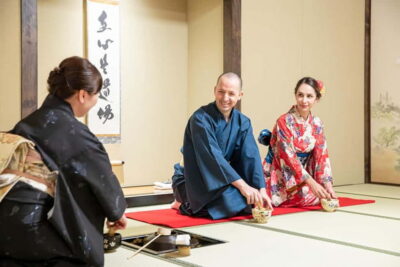 ★ 4.9Asakusa: Kimono Tea Ceremony with Matcha and SweetFrom $66153 reviews
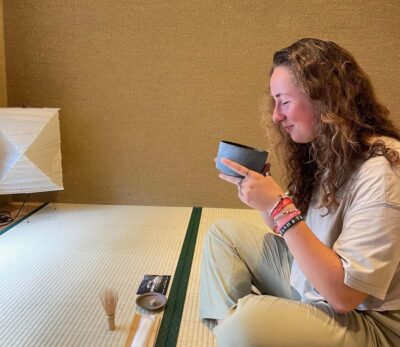 ★ 4.9Tea Ceremony Experience in a Private Tea Room in ShibuyaFrom $30125 reviews
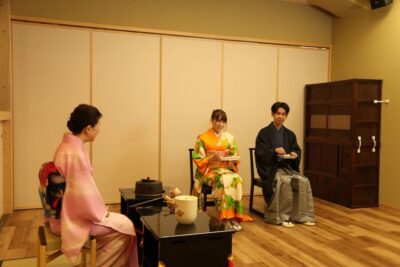 ★ 4.7Practicing Zen with a Japanese Tea CeremonyFrom $63105 reviews
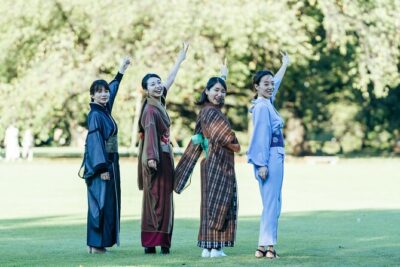 ★ 5.0Matcha Kimono Tea Ceremony in TokyoFrom $59104 reviews
 ★ 4.9Tea ceremony experience in Japanese-style room 60minFrom $4586 reviews
This tour also belongs to