
Review · DESSERT TOURS
Japanese Traditional Sweets making
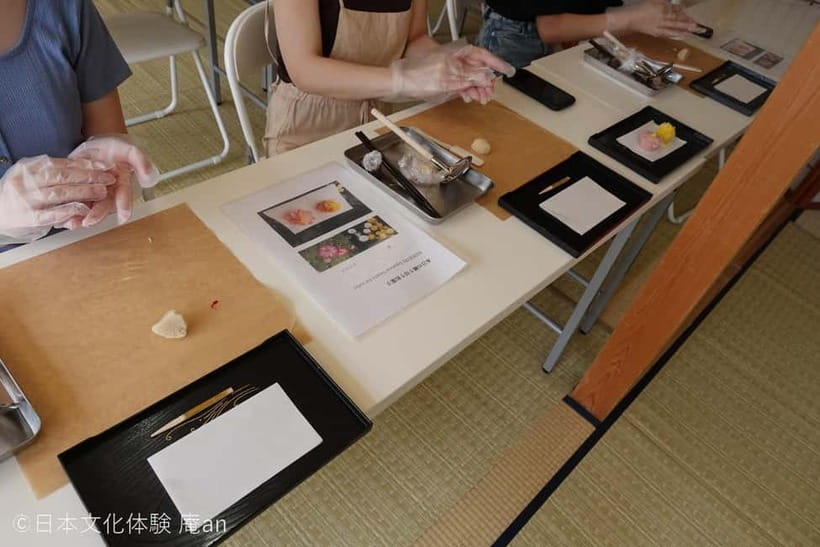
Your first plate becomes a little sculpture. You learn Nerikiri making for two seasonal sweets in Tokyo, using bean paste from Kyoto’s long established shops. It’s hands on, visual, and fast paced in a way that feels satisfying once you’re shaping the dough.
I like that you get a clear, step by step flow, from a flower shaped sweet to Kinton Nerikiri. I also like that you can taste what you made right away, so it is not just a craft project.
One thing to keep in mind, the class can feel tight on time. If you prefer slower instruction and more breathing room, this workshop may feel rushed, especially if you are toward the back of the room.
Key things to know before you go
- Kyoto bean paste: White or red bean paste from Kyoto’s long established makers is part of the process.
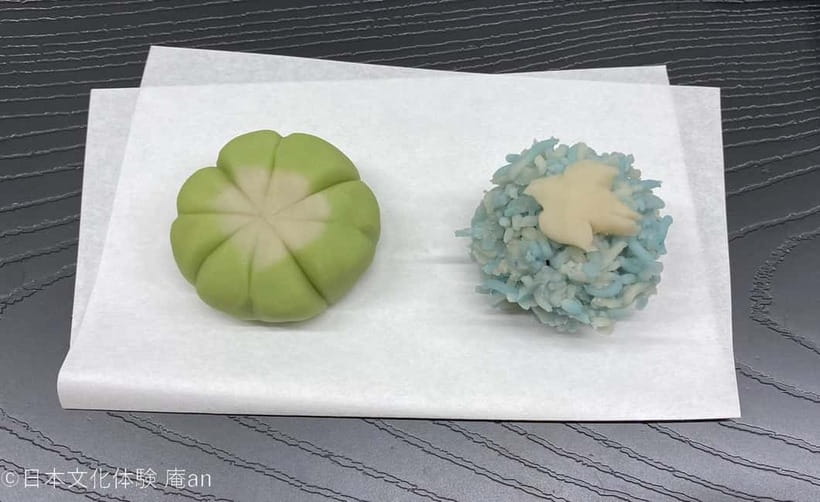
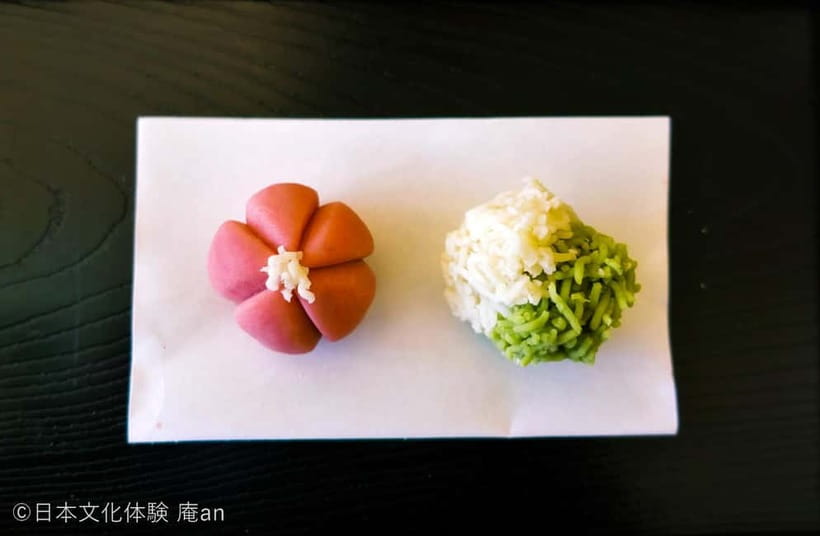
- Two seasonal sweets: You make two Nerikiri, so you leave with more than one bite sized souvenir.
- Hands on art moment: The goal is to plate your creations like a finished artwork.
- Tight timing: Instruction moves quickly, so pay attention early and keep your hands ready.
- Eat on the spot: There is eating time after you finish, so you can enjoy the result immediately.
- Extras are optional: Takeout costs extra, and a completion certificate is a separate fee.
Why this Nerikiri workshop is a smart Tokyo stop
If you want a Tokyo food activity that does not rely on a long line or a crowded tasting route, a Nerikiri workshop is a great angle. You get real edible materials, short lessons, and a finished product you can eat within an hour.
The class is built around making two sweets that match the season. That seasonal element matters because Japanese traditional sweets are often about what is happening in the calendar, not just flavor. Here, the workshop chooses the shapes for you, then teaches you how to build them.
I also like the way the experience frames the craft. They tell you that when you put your handmade sweets on a plate, you have completed an artwork. Even if you do not think of yourself as an artist, that mindset helps you focus on neat shaping, careful placement, and the final look.
One note: the room setup can affect what you feel during the lesson. If you are easily distracted or you need visual clarity from the front, try to get an early seat when you arrive.
More Tokyo tours and experiences for the shortlist

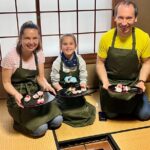
What you actually make: flower shaped Nerikiri and Kinton Nerikiri
This workshop is designed around two specific Nerikiri you will make during the session. The steps start with an introduction to Japanese traditional sweets, then you move into hands on shaping.
First, you make a flower shaped Nerikiri. The focus here is getting the paste shaped smoothly and learning how each stage comes together before you move on.
Next comes Kinton Nerikiri. You stay in the same theme of shaping and plating, but you shift to a different style of sweet. By the time you finish the second one, you understand how the process repeats, just with different results.
Then you get picture time and an eating window. This matters more than it sounds. A lot of food classes end with a photo op and then you wait in line for something else. Here, you can actually enjoy the sweets after you finish.
If you love the idea of bringing home a food memory, you will get it twice. You end the session with two handmade sweets, not one.
The Kyoto bean paste detail that affects the whole experience
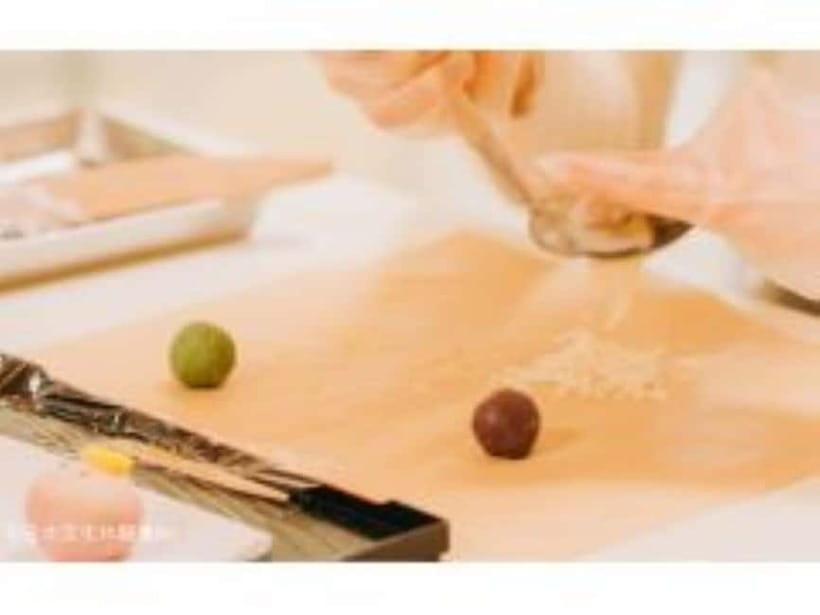
You are not just shaping generic ingredients. The workshop uses white or red bean paste produced by Kyoto’s long established shops. That single line is a big clue about what you should expect from the taste and texture.
Bean paste is the core of many Japanese sweets, and the quality affects how it feels as you handle it. When the paste is consistent and workable, the shaping part is easier, and your final forms look cleaner on the plate.
The workshop also says the taste is guaranteed. I cannot promise what you personally will think, but I can tell you that the class is built to let you taste your own work immediately. That is a practical advantage. You can evaluate flavor on the spot, while the workshop is still fresh in your mind.
You should also expect some hands on learning about how the paste behaves. If you are the type who likes to understand the how, not just the final photo, this ingredient detail makes the class feel more legitimate.
Timing inside the 65 minute session, and where the pressure shows up
The class runs 65 minutes from start to leaving the room. The flow is structured, but the pace can feel quick.
At the beginning, there is the start of the experience and an explanation about Japanese traditional sweets. Then you move into flower shaped Nerikiri making, followed by Kinton Nerikiri making. After the main making steps, you get picture time, then you end the experience and shift into eating time before room departure.
Here is the key tradeoff. This format is great if you like clear stages and a defined finish line. It is less great if you need extra time to follow instructions or to correct mistakes as you go.
From the way the class can feel, you may want to be mentally ready to switch tasks quickly. If you are watching carefully, you can usually keep up. If you get overwhelmed early, you might feel like you are catching up for the rest of the session.
My practical tip is simple: listen first, then start shaping. Even a small delay at the beginning can add up when you have two sweets to complete.
Room, seats, and coat space, the stuff that changes comfort fast
This workshop happens in a room that can host around 30 students. That means it is not a quiet one on one studio where the instructor can personally correct every tiny detail.
If you sit toward the back, you might have a harder time seeing the fine steps during instruction. That shows up when the class is paced tightly. Your goal should be to position yourself where you can clearly watch the shaping and movement, especially during the flower shaped sweet stage.
Also, practical comfort can matter more than you expect in a craft class. One downside people notice is there is nowhere to hang coats, so you may end up leaving your coat and bags on the floor. That is not a dealbreaker, but it is worth planning for. Wear something easy to manage, keep your valuables close, and bring a small item bag if you have one.
If you are sensitive to cold air, consider what you wear. A classroom that big can feel cool because so many bodies are in motion and doors may open as people arrive.
The good news: the activity is engaging enough that most people forget the discomfort once their hands are busy. Still, setting yourself up for visibility and comfort helps a lot.






Price and what feels like real value at $11
At about $11 per person, the price is positioned as a budget friendly hands on activity. The main reason it can feel like value is that you are paying for a guided making session using real ingredients, plus the result is edible.
You are making two seasonal sweets, and the workshop supplies the bean paste from Kyoto’s long established shops. You also get the chance to eat your sweets on the spot, so you are not paying just for instruction.
Optional add ons exist. A takeout box costs 100 JPY, which makes sense if you want to keep what you made for later. An experience completion certificate costs 300 JPY, and if you want the certificate to include your name, you need to provide it in advance. If you do not, the space is left blank.
A realistic way to judge value is this: you are buying time with an instructor, an ingredients kit, and two finished sweets. If that sounds like your kind of souvenir, the price fits.
If you only want a slow tasting, or if you dislike structured pacing, you might feel like the time is too short. But if you want to create and eat, it is strong value.
Instructor style and the solo traveler angle
The instructor is Japanese, and English translation is provided as much as possible. That combination is important. It means you can still participate even if your Japanese is basic, but you should not expect a perfectly paced, fully bilingual lecture.
The class can be described as energetic and fast. Some people will love that momentum because it keeps you focused. Others might find the pace leaves less room to linger on explanations.
On the positive side, this format also works well for social energy. A solo traveler is not stuck alone. You are sharing tools, table space, and the same shaping challenges as everyone around you. That makes it easier to chat briefly, compare shapes, and feel less like you are performing a task in isolation.
If you are traveling solo, this kind of workshop can be a relief. You get interaction without needing to hunt for it.
Practical tips to get the smoothest class day
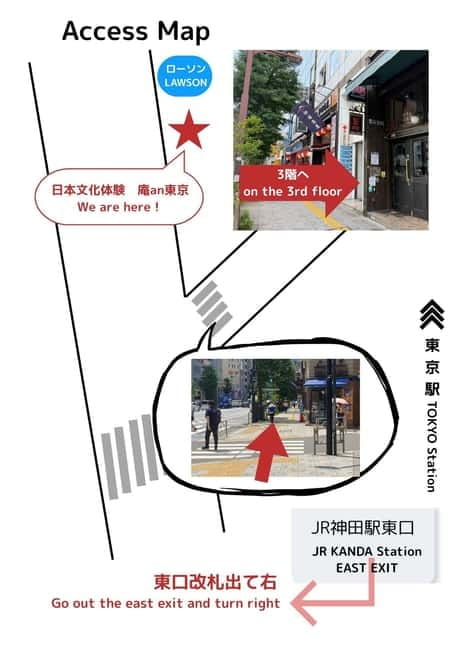
Arrive early enough to settle. The workshop operates from 10:00 to 17:00, and if your reservation is received after 17:00, it is processed the next day. Also, they say they will not be able to hold the event to accommodate delays. If you are budgeting your time in Tokyo, build in buffer for transit and getting to the right desk.
Your meeting point is AN TOKYO Japanese Culture Experience. The coordinates are 35.6916541, 139.7715022. If you use maps, drop the coordinates in directly and confirm you are at the correct building entrance before you count down your minutes.
Bring a flexible attitude about pacing. You will be guided through flower shaped Nerikiri and then Kinton Nerikiri, with picture time and eating time at the end. If you tend to take longer to follow multi step directions, sit where you can see, watch carefully at the start, and do not wait until the middle to get fully engaged.
Think about what you will do with the leftovers. Takeout is available for 100 JPY, but it is not included automatically. If you might want leftovers, plan to buy the takeout box at the end.
If you care about a certificate, decide early whether you want it. The completion certificate is 300 JPY, and name details must be handled in advance.
Should you book this Nerikiri making session?
Book it if you want a short, fun, hands on Japanese traditional sweets experience in Tokyo where you make two seasonal Nerikiri and then eat them immediately. The Kyoto bean paste detail and the fact you leave with two edible creations make the price feel sensible.
Skip it or choose your expectations carefully if you prefer slow instruction, lots of sitting time, or a relaxed classroom pace. The session can move quickly, and comfort factors like coat storage and visibility from the back can affect your experience.
If you are the kind of traveler who likes practical food skills, this is a solid choice. You will get more than a bite, you will get the feeling of finishing something with your own hands, then tasting it while it is still warm in your memory.
FAQ
How long is the Japanese Traditional Sweets making experience?
It lasts 65 minutes total.
How much does it cost?
The price is $11 per person.
What sweets will I make?
You will make two seasonal Japanese traditional sweets called Nerikiri. The session includes a flower shaped Nerikiri and Kinton Nerikiri.
Do they use real bean paste?
Yes. The workshop uses white and red bean paste produced by Kyoto’s long established shops.
Can I eat the sweets on the spot?
Yes. There is an eating time at the end, and you can eat the sweets on the spot.
What is included in the price?
A set of experience for Nerikiri making is included.
Are takeout boxes included?
No. A sweets takeout box costs 100 JPY if you want one.
Is an English translation available?
English translation is provided as much as possible.
What are the operating hours?
Operation hours are 10:00 to 17:00. Reservations received after 17:00 are processed the next day.
What is the cancellation window?
You can cancel up to 24 hours in advance for a full refund.
More Dessert Tours in Tokyo
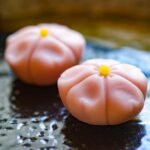
More Tour Reviews in Tokyo
Not for you? Here's more nearby things to do in Tokyo we have reviewed












Dessert Tours, side by side.
 ★ 5.0Matcha Making Class in Tokyo with Authentic Japanese Sweets SetFrom $21744 reviews
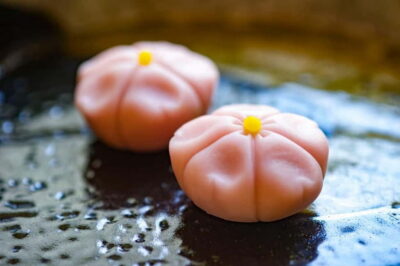 ★ 4.9Matcha Making Experience with Mochi Sweets in AsakusaFrom $22388 reviews
 ★ 5.0Make Traditional Nerikiri Sweets & Matcha experience in ShibuyaFrom $60130 reviews
 ★ 5.0Private Mochi Sweets Making class near Shibuya areaFrom $7993 reviews
 ★ 4.7Japanese Traditional Sweets making and Tea CeremonyFrom $1850 reviews
 ★ 5.0Tokyo Local Food Tour: Noodles, Skewers, Dumplings, SweetsFrom $7448 reviews
 ★ 4.6Two Types of Japanese Sweets Making and Tea CeremonyFrom $2826 reviews
 ★ 5.0Mochi Matcha Gluten Free Japanese Sweets Class near Shibuya areaFrom $11226 reviews
This tour also belongs to