
Review · FOOD & DRINK
Sangenjaya Back Alleys Private Food and Drink Tour
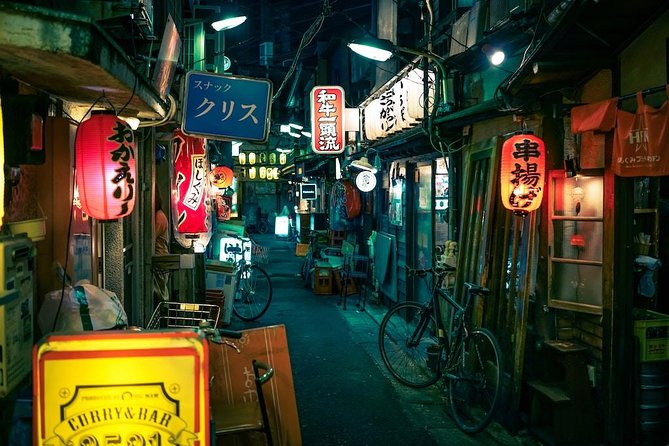
Sangenjaya feels like Tokyo’s best after-work secret. This private 4-hour food and drink tour sends you into the lantern-lit yokocho back alleys, where you eat across three off-the-beaten-track izakayas and a cooking stop with guide Simon. I love the lineup because it mixes proper Tokyo snacks with real local bar energy, and you’re not stuck eating the same “tourist version” of everything.
The second big plus is the food amount plus the drinks you get along the way. You should expect a minimum of 10 Japanese dishes, plus beer, sake, shochu, Hoppy, and umeshu, served in the Japanese way with sharing plates. One consideration: this is a small-street walk at night, and smoking is permitted in most bars and restaurants, so it’s not a great fit if that’s a deal-breaker for you.
Key highlights to watch for
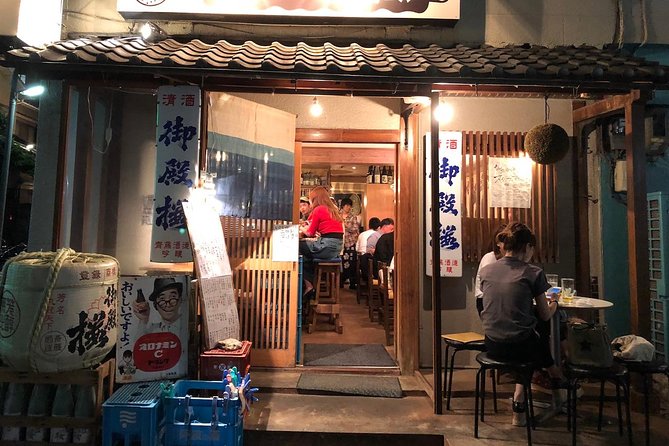
- Lantern-lit yokocho alleys in Sangenjaya, just 5 minutes from Shibuya, but a world calmer than the main drag.
- Three different izakayas with a guided mix of sashimi, grilled fish, chicken, pickles, and more.
- Kushikatsu at a standing bar, with the retro drink Hoppy in the mix.
- A hidden sake stop with nihonshu and seafood-style bites.
- Cooking your own savory pancakes (okonomiyaki or monjayaki) at a traditional teppanyaki restaurant.
Why Sangenjaya makes this tour feel local fast
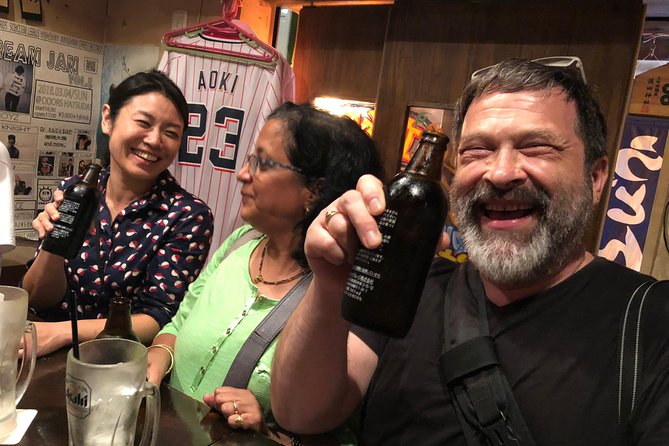
Sangenjaya is the kind of Tokyo neighborhood that works because it stays itself. You still get easy access from the big-name areas, but the vibe is different once you step off the main streets. Here, the night scene centers on tiny bars and izakayas, where people go to talk, snack, and drink after work.
The tour’s whole pitch makes sense for travelers who want more than a food photo walk. You’re not just “seeing” back alleys. You’re eating and drinking the way Japanese locals do, with a guide who helps you order and pace the night so you don’t end up overwhelmed or underfed.
You can also read our reviews of more food & drink experiences in Tokyo
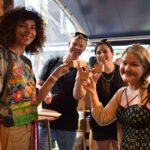
Your 4-hour plan: what happens at 6:30 pm and why it works
You meet at Sangenjaya Station at 6:30 pm, and the tour runs about 4 hours before returning you to the starting area. That timing is smart because izakayas usually hit their stride in the early evening, when it’s social but not yet chaotic.
The route is built around small, easy-to-miss places. There’s some light walking through narrow back streets, so comfy shoes matter. If you’re the type who hates cramped spaces, you might feel it, but the payoff is access to the smaller dining rooms and bar counters you would miss on your own.
Group size is kept friendly, typically 2 to 6 people, which helps when you’re stepping into places with limited seating. Since it’s a private tour for your group, you can usually set your own pace a bit, including drink choices and what you want to avoid.
Stop 1 in Sangenjaya: getting oriented in the yokocho alleys
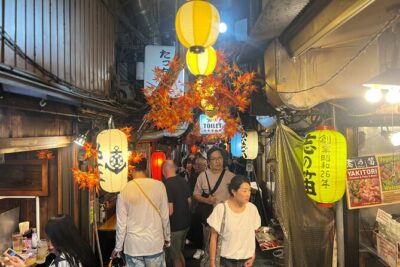
The first part of the night happens in Sangenjaya itself, as you move through the network of tiny back alleys. These are the yokocho lanes: narrow, lantern-lit, and packed with little bars and restaurants where the doorways look unremarkable until you’re inside.
What I like about starting here is the context. Before the food arrives, you learn how the neighborhood works, what the different kinds of venues are for, and how the guide reads the room so you know what you’re walking into. It also helps you enjoy the night visually, because you understand the pattern rather than just following someone down a street.
Expect a real “Japanese night out” rhythm. You’ll be offered dishes and drinks across multiple stops, and you’ll share plates in the Japanese way. The goal is to make sampling feel natural, not like a checklist.
The izakaya trifecta: three off-the-beaten-track meals and drinks
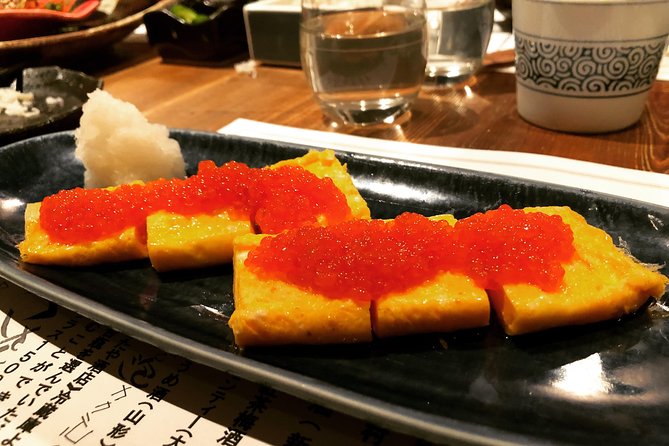
This is where the tour earns its value. You’ll visit three izakayas, each with a different focus, and you’ll try at least 10 distinct Japanese delicacies recommended by your guide. The meals aren’t just random assortment. They’re grouped so the flavors and textures make sense across the night.
Why the sharing format helps you eat more (without wasting food)
Iizakayas are designed for shared plates. The tour leans into that style, so you can try multiple items without each person ordering a mountain of one thing. Reviews and the tour description both point to a feeling of being full by the end, not stuffed with one heavy dish.
You can also talk preferences. The experience explicitly notes dietary requirements can be catered to, and there’s an example of travelers choosing to avoid raw meat or fish. That matters because Tokyo food experiences can be intimidating if you’re picky or have restrictions. Here, your guide can steer you toward what works for your group.
More Tokyo tours and experiences for the shortlist
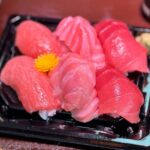
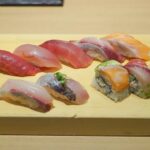

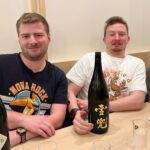
What you might eat across the stops
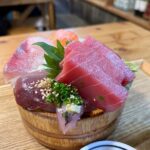
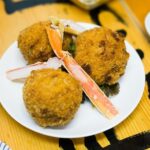
The described menu highlights include sashimi, grilled fish, charcoal grilled chicken, pickles, and other Japanese small plates. You’re also set up for a sake-forward evening, with multiple drink styles included along the way.
Kushikatsu night: standing bar energy and Hoppy retro drinks
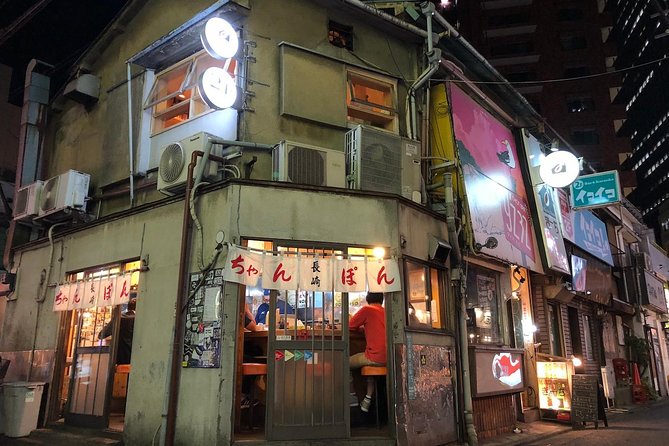
One of the stops is built around kushikatsu, Japanese breaded skewers that you eat at a standing bar. This is an experience style all its own. You’re close to the action, the atmosphere is loud in a friendly way, and the pace is fast enough to keep you hungry for the next skewer.
This stop also features the retro drink Hoppy. If you haven’t tried it before, this is a good moment to do so because the bar setting makes it feel like part of the culture, not just another beverage option. The tour also includes alcohol like beer and shochu across the evening, so you’re not locked into one drink.
The practical takeaway: standing bars are fun, but they’re not for everyone. If you’re dealing with mobility issues or long-standing discomfort, this portion could feel tight. Still, the tour keeps things within a 4-hour window, so it’s not a whole night on your feet.
The hidden sake izakaya: seafood bites and nihonshu
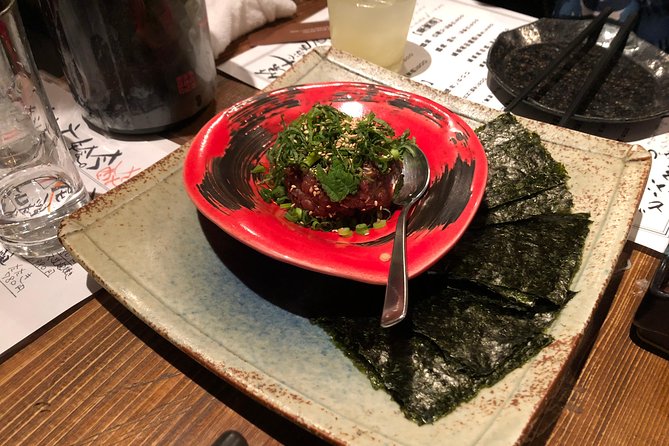
Another stop focuses on a secret-feeling sake restaurant experience, where you’ll sample nihonshu along with seafood-style bites. Sake tasting is easier with a guide because you can match flavors to what you’re eating and avoid the awkward guess-and-order situation.
What makes this stop appealing is the variety. You’re not just doing one “sake pour and go.” The tour is set up so sake fits the meal and the mood at each place. With the right guide, sake also becomes a story you can follow, not just a drink you try once.
This is also where the tour’s local factor shows up. You’re going to tucked-away places rather than big-name storefronts. Reviews consistently highlight that the guide’s connections make a difference, from getting you into the right room to keeping the night flowing.
Teppanyaki at the table: cook your okonomiyaki or monjayaki
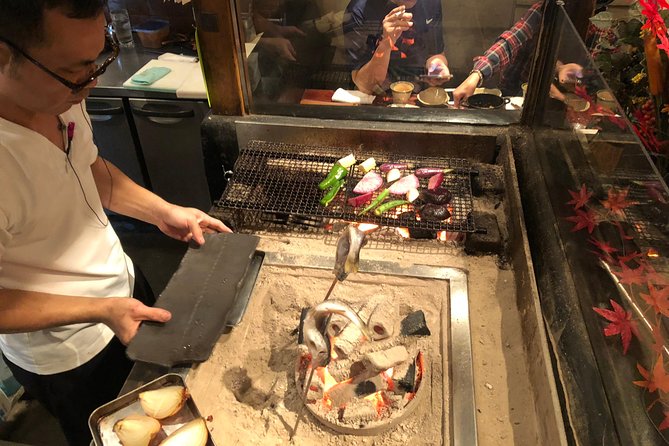
The centerpiece for hands-on fun is the cooking stop. You’ll cook Japanese savory pancakes, described as okonomiyaki and monjayaki, in a traditional teppanyaki style setting. This is one of the best ways to turn Tokyo street food into something you actually understand.
Here’s why that matters: you stop being a passive eater and start learning the technique. You’ll see how the batter behaves, how toppings go down, and how the timing affects texture. Even if you’ve had okonomiyaki before, cooking it your way at the table helps you notice details you would never pick up as a spectator.
A review detail that’s especially useful: some groups were seated in a cozy tatami-style setting during the cooking stop. That’s not guaranteed for every visit, but it hints at the kind of traditional, small-room feel you can expect.
If you’re worried about effort, don’t. The point is participation, not a cooking class. Your guide helps you navigate the process while you focus on tasting what you make.
The drinks list: what’s included and how to pace it
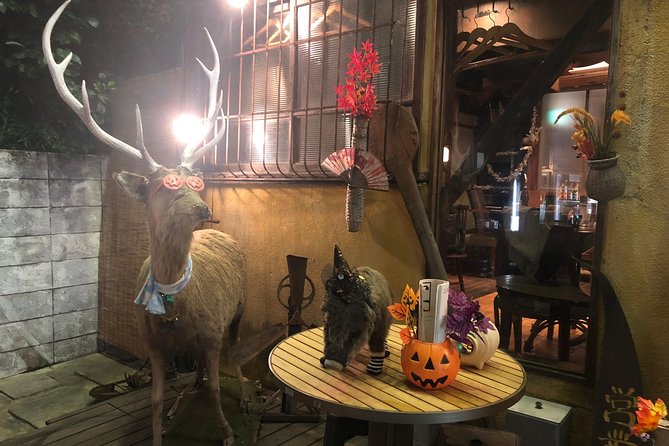
The tour is all-inclusive for dinner and alcoholic beverages. Based on the provided details, you can expect options such as beer, sake, shochu, Hoppy, and umeshu during the night. Soft drinks are served to those under Japan’s legal drinking age of 20.
Pacing matters, and a good guide makes that easy. Reviews mention that the experience feels friendly and attentive, with choices available so you’re not forced into drinking beyond what you want. That’s how you keep the night enjoyable rather than turning it into a rushed sugar-and-alcohol blur.
Practical advice: if you’re not a heavy drinker, still try one or two items that feel local. Hoppy is a great “starter,” and sake is easier to appreciate with food in front of you.
Price and value: why $229.92 can make sense
At $229.92 per person for about 4 hours, the headline price looks high until you break down what’s included. You’re getting a guided neighborhood crawl, visits to three izakayas, a cooking experience, dinner, and a drinks package with multiple alcohol styles included. You’re also trying a minimum of 10 delicacies, not just a couple of snacks.
So the value isn’t only food quantity. It’s access. You’re being shown places you wouldn’t easily find, especially in a maze of narrow alleys where menus and entrances can be hard to interpret. That “found for you” factor is what tends to justify the cost in Tokyo food tours.
If you’re the type who always wants to try local bars but doesn’t want to spend hours researching, this is a strong fit. If you’re only mildly interested in alcohol or only want one bite at each place, you might find a shorter or more food-only tour better. The night is designed to be a full experience.
Who should book this tour, and who might skip it
This tour is ideal if you want:
- A local-feeling food night in Sangenjaya, away from the biggest tourist currents.
- Multiple izakayas with guided ordering and sharing plates.
- Hands-on fun with okonomiyaki or monjayaki cooking.
- A guide who can match the mood, the food, and drink choices for your group.
It may not be the best match if:
- Smoking in bars bothers you.
- Narrow alley walking and standing-bar seating would feel uncomfortable.
- You want a very quiet dinner with lots of time sitting.
Solo travelers are very welcome, and because it’s private for your group, you should feel less awkward than joining a big crowd.
Should you book Sangenjaya back alleys with Simon?
If you want one of your Tokyo evenings to feel like a real night out, this is a great call. The best reason to book is the combination: back-alley atmosphere plus a practical food-and-drink route plus a hands-on cooking stop. When the guide is Simon, reviews consistently point to the same strengths, fun energy, solid local know-how, and a knack for getting you into the right places.
If you’re sensitive to smoke or you strongly dislike standing-bar moments, consider that before you go. For everyone else, this is a smart, high-value way to experience Tokyo after dark in a neighborhood that still feels lived-in.
FAQ
What time does the tour start, and how long is it?
It starts at 6:30 pm and runs about 4 hours.
Where do we meet for the tour?
You meet at Sangenjaya Station, 2 Chome-15 Taishido, Setagaya City, Tokyo 154-0004, Japan. The tour ends back at the meeting point.
Is this tour private, and what is the usual group size?
It’s private, meaning only your group participates. Group sizes are typically kept friendly, often from 2 to 6 people.
What food and drinks are included?
Dinner is included, along with alcoholic beverages such as beer, sake, shochu, Hoppy, and umeshu. You’ll also try at least 10 Japanese delicacies recommended by your guide.
Can the tour accommodate dietary requirements?
Yes. Dietary requirements should be shared in advance, and the tour aims to make sure you are catered to.
Are non-alcoholic drinks available?
Soft drinks are served to those under Japan’s legal drinking age of 20.
Is transportation to and from the station included?
No. Transport to and from Sangen-jaya Station is not included.
Does the tour involve walking, and is it okay to wear comfortable shoes?
Yes, there is some light walking through narrow back streets. Comfortable footwear is recommended.
What happens if the weather is bad?
This experience requires good weather. If it’s canceled due to poor weather, you’ll be offered a different date or a full refund.
More Food & Drink Experiences in Tokyo
More Tours in Tokyo


More Tour Reviews in Tokyo
Not for you? Here's more nearby things to do in Tokyo we have reviewed


Food & Drink, side by side.
 ★ 5.0Shinjuku Food Tour (13 Dishes at 4 Local Eateries)From $866,603 reviews
 ★ 5.0Tokyo Tsukiji Fish Market Food and Culture Walking TourFrom $993,184 reviews
 ★ 4.9Shinjuku Food Tour (15 Dishes and 4 Eateries)From $852,033 reviews
 ★ 5.0Best of Shinjuku: Izakaya Food Tour (4 Stops, 14+ Tastings)From $921,863 reviews
 ★ 5.0Tsukiji Fish Market Food and Walking tourFrom $301,724 reviews
 ★ 5.0Eat and Drink Like a Local: Tokyo Ueno Food Tour-Taverns&RamenFrom $95957 reviews
 ★ 5.0Shibuya Food Tour (13 dishes and 4 Eateries)From $77770 reviews
★ 4.7Tsukiji Fish Market Food and Culture Walking TourFrom $96757 reviews
★ 5.0Shibuya Food Tour (13 dishes and 4 Eateries)From $77770 reviews
★ 4.7Tsukiji Fish Market Food and Culture Walking TourFrom $96757 reviews
This tour also belongs to