
Review · TOKYO CITY TOURS
Tokyo 6hr Private Tour with Government-Licensed Guide
Tokyo feels endless, until you walk with a guide. This private Tokyo tour is built around a government-licensed English guide, so you get smart context and fast navigation instead of guessing your way through the city.
I love the customizable choices, so you can shape the day around your interests rather than marching through someone else’s list. I also love how much of the value is practical, the guide plans the route and teaches the rhythm of walking plus trains, so Tokyo starts making sense.
One consideration: it’s a walking and public-transport day, so your budget should include meals and any admissions that are not covered. Also, some big-name sights have limits like no access inside the Imperial Palace and no top deck at Tokyo Tower.
Quick hits
- Government-licensed guide with fluent English makes history and etiquette easier to understand
- Pick 3 to 4 stops from classic Tokyo neighborhoods, temples, shrines, markets, and gardens
- Walking plus subway as the default helps you learn the city’s “how to get there” side
- Free and paid sights mixed together means your total cost depends on what you choose
- Imperial Palace inside and Tokyo Tower top deck are excluded, so plan expectations
Why a government-licensed guide makes Tokyo feel smaller
Tokyo can overwhelm you fast. Even when you know the big landmarks, the city’s layout, station transfers, and local habits can still slow you down. A government-licensed English guide changes that in a very real way, you get the why behind what you see and the shortest path to get there.
I like that the guide’s role is not just pointing. The better guides on this format, including people like An, May, and Noripy, focus on teaching you how to move through Tokyo, including what to look for and how to behave around shrines and temples. That turns the day into more than sightseeing, you leave with a working mental map.
You can also read our reviews of more guided tours in Tokyo

Price and value for a 6-hour private walking day
At $155.86 per person for about 6 hours, this is not a cheap “grab-and-go” tour. The value shows up if you want three things at once: private pacing, fewer logistics headaches, and someone who can explain what you’re seeing.
Here’s the trade. You are paying for a guide and the route planning, but not for a private vehicle. Transportation fees, lunch, and personal expenses are not included, and meals plus some admission costs are extra. So if your priority is maximum museums, you’ll want to check what you are choosing, because some gardens, towers, and museums can add ticket costs.
How to choose your 3 to 4 stops without wasting time
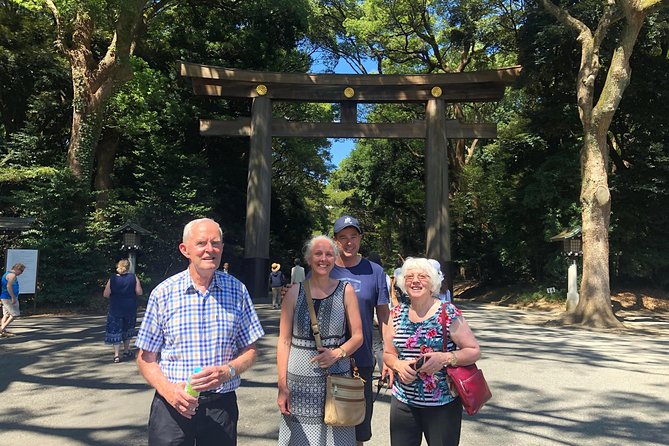
You don’t do everything in 6 hours. You choose from a set of well-known areas and attractions, then your guide builds a tight route around your interests. That customization is the sweet spot of this tour, because Tokyo changes a lot block to block.
To pick well, I suggest you decide your “Tokyo mood” for the day. For example:
- Old Tokyo streets and temples: Asakusa and Senso-ji, plus quieter neighborhoods like Nezu and Yanaka-style old downtown vibes
- Nature reset inside the city: Shinjuku Gyoen, Koishikawa Korakuen, Rikugien, or Hama Rikyu near Tokyo Bay
- Modern Tokyo icons: Shibuya Crossing, Harajuku and Takeshita Street, Akihabara, or Odaiba
- Faith and culture stops: Meiji Jingu, Gotokuji Temple, and additional shrine or temple options from the broader list
If you want a first-time day, I’d lean toward one “history and tradition” stop, one “big modern Tokyo” stop, and one “nice break” like a garden. Guides such as Taichi and Sho have a strong track record of connecting the stops with clean transit planning, so you spend less time in stations and more time actually enjoying the sights.
Getting around Tokyo with walking, subway, and zero guesswork
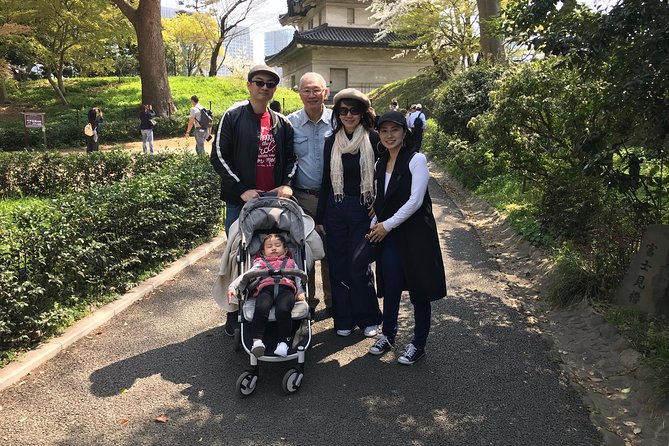
This tour is a walking tour with meet-up on foot in a designated area, and you’ll be near public transportation. A private vehicle is not included. In practice, that means you use trains and walk between neighborhoods at a steady pace.
That can be awesome, if you come prepared. One of the most repeated “this helped me immediately” points is learning how the rail system works. Noripy and other guides focus on showing how to ride and where you’ll likely transfer, and that matters because Tokyo’s station layouts can feel like a maze when you’re tired.
My practical advice:
- Plan for lots of stairs and platform changes, since it’s not a car tour
- Carry yen for transit and for whatever shrine offering or small purchase you might want
- If you use a transit card, set it up before you go, since guides often talk about using systems like Suica and similar prepaid cards
Asakusa and Senso-ji: start with old downtown energy
Asakusa is the classic “shitamtachi” feel, the older side of Tokyo that still carries a different tempo than the glass-and-neon districts. If you pick it, Senso-ji is the anchor. The area is known for atmosphere, souvenir streets, and that sense that Tokyo has layers.
What I like about starting here on a guided day: it gives you cultural grounding before the chaos of modern districts. Also, it’s a good choice if you want photos plus real street life without needing museum tickets.
A small drawback is crowd flow. This is one of those areas that can get packed. If you prefer quieter sightlines, pick a time when your guide can route you through the busiest sections quickly and then let you slow down for the main temple moments.
You can also read our reviews of more private tours in Tokyo

Imperial Palace grounds, plus why you should not count on inside access
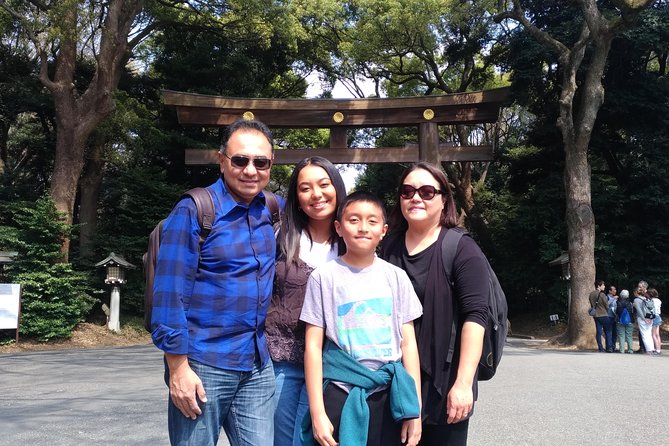
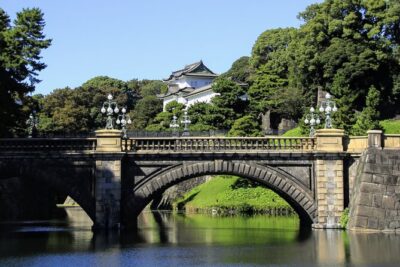
The Imperial Palace stop is built around the palace grounds and views from the outside areas. Inside access is not included, so you should treat it as a park and landmark experience rather than a full interior visit.
This is still valuable. The outside setting, surrounded by moats and massive stone walls, gives you a clear sense of scale and the idea of Tokyo’s long political history. It’s also a calmer cultural contrast before a more modern stop like Shibuya.
One note: this is only a partial experience compared with what you might imagine if you’ve seen interior palace tours elsewhere. If inside access is a must for you, you’ll need to plan a different add-on.
Shinjuku Gyoen and other gardens for a calmer Tokyo reset
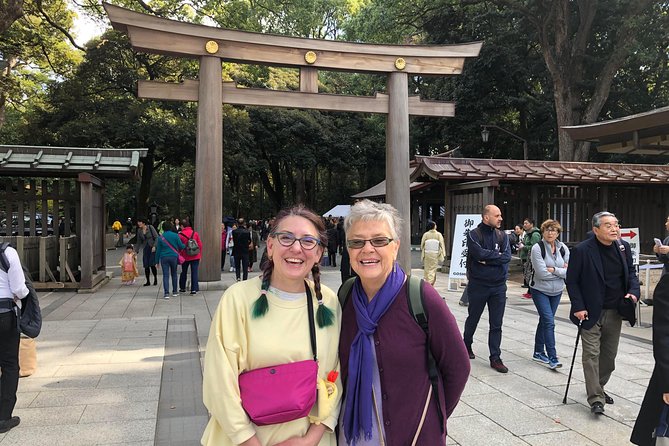
If Tokyo feels too intense, gardens are your relief valve. Shinjuku Gyoen is one of the biggest garden options, and it’s popular for a reason: it’s designed for walking, resting, and escaping the city tempo for a bit.
Other garden choices can also fit different tastes. Koishikawa Korakuen is known as one of Tokyo’s oldest Japanese gardens. Rikugien is another highly regarded option that many visitors love for its seasonal look. Hama Rikyu, on the other hand, is near Tokyo Bay and includes seawater ponds that change level with the tides, plus a teahouse.
What you’ll want to watch for is time and ticket costs. Some gardens are free to enjoy from the outside areas, while others have admissions that can raise the day’s total. Your guide can help you choose based on the hours you have and how much you want to pay.
Shibuya Crossing, Meiji Jingu, and the rhythm of modern plus sacred
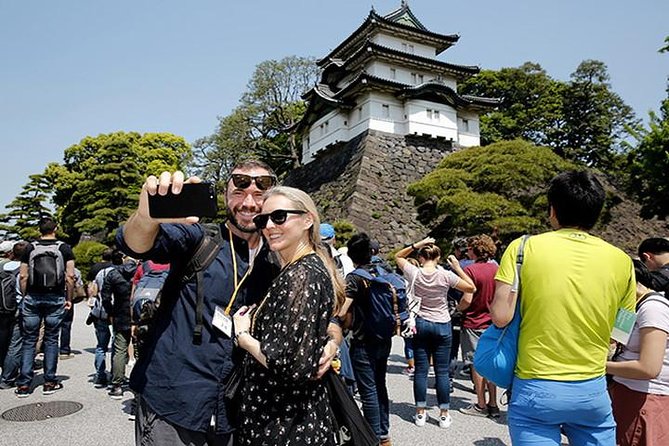
Shibuya Crossing is the obvious modern Tokyo stop. Locals often call it Shibuya scramble, and it is famous for being one of the busiest crossings in the world. It also links to the Hachiko story, with the beloved dog statue nearby.
What makes Shibuya work on a guided day is the context. Your guide can point out what you should notice fast, like photo angles, timing for crossing crowds, and how this district fits into Tokyo’s entertainment and youth culture.
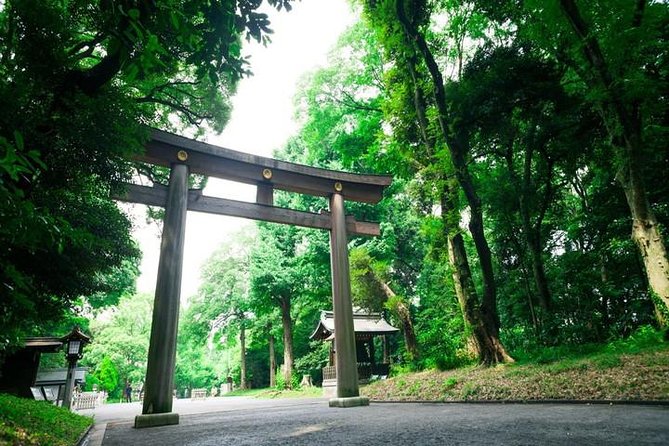
Meiji Jingu is the opposite mood. It’s a shrine dedicated to Emperor Meiji and Empress Shoken, right beside Harajuku on the JR Yamanote Line. If Shibuya gives you motion, Meiji Jingu gives you a reset, a deeper pause in the middle of the city.
I especially like this pairing because it shows Tokyo’s contrast in one day. You get modern energy, then you get a traditional space where behavior matters. Guides like May and An are known for teaching how to enter temples and shrines properly and how to pay respects, so you’re not just watching, you’re participating correctly.
Tsukiji Fish Market and how to turn a stop into a food win
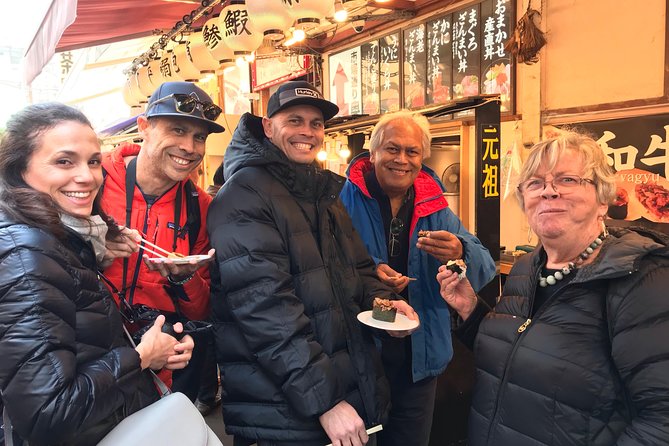
Tsukiji is the old fish market of Japan, and it’s packed with food energy. The big advantage of having a guide is not just navigation, it’s help making the stop productive. If you enjoy eating your way through a neighborhood, Tsukiji can be a highlight.
In real-world guide behavior on this tour format, guides often help you find something satisfying and local. For example, Lily customized a Tsukiji-focused day and organized a very memorable sushi meal plus other treats. That kind of guidance matters because you can easily waste time wandering or ordering the wrong thing for your tastes.
Just remember: food is on you. Admissions are also separate depending on what you choose, so budget for lunch and snacks. This is one reason customization is a big deal, you can decide whether Tsukiji is a quick tasting moment or a full-on food anchor.
Akihabara, Harajuku, and Odaiba for pop culture and shopping energy
If you want Tokyo with a soundtrack, this section of choices is for you. Akihabara is the electronics and anime-adjacent district, often called Akiba, and it’s the place to go if that’s your interest. Harajuku around Takeshita Street is known for teen fashion and youth style. Odaiba sits on a man-made island in Tokyo Bay and is built for shopping and entertainment.
These stops can be fun, but they are also time sinks if you wander without a plan. The value of a guide is telling you where to focus first and how to build a route that doesn’t waste your energy. People like Sho and Taichi have strong reputations for moving efficiently through neighborhoods via subway and walking paths, so you don’t lose your day to wrong turns.
Quieter old neighborhoods and temple cat culture
Not every stop has to be a mega-landmark. If you want calmer streets and an older feel, Nezu and the broader Yanaka-style areas are appealing. They’re described as having survived major damage and natural disasters, and you’ll see a last-century atmosphere.
Shibamata is another option on the eastern edge, known for old-school charm near the Edogawa River. Gotokuji Temple adds a fun twist, since it is linked to the maneki-neko, the luck-inviting cat figurine.
These are great choices if you are already comfortable with the big districts and you want Tokyo beyond the postcards. They also tend to reward slower walking, which fits the private pacing advantage.
Tokyo Tower, Ueno Park, and museum time if you want icons
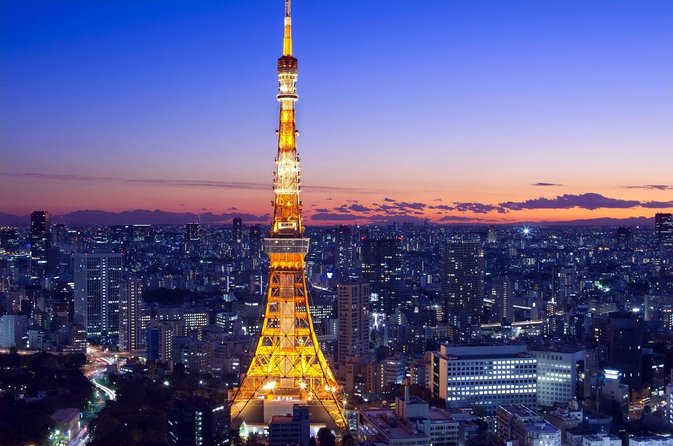
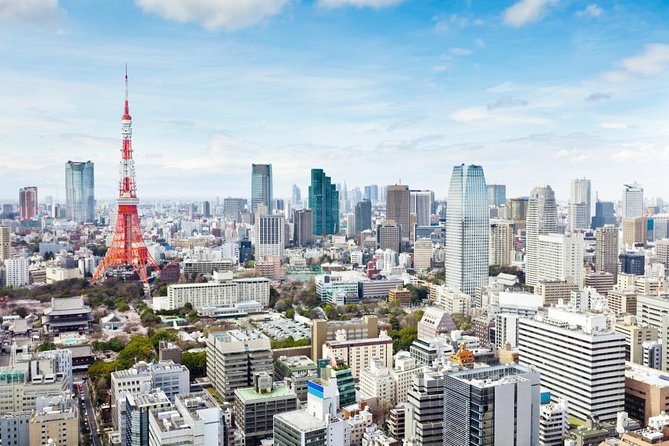
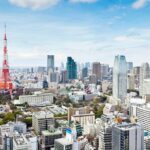
Tokyo Tower is a classic photo target. The important expectation is that it’s only included up to the main deck, not the top deck. If you care about the highest views, you’ll need to plan separately.
Ueno Park is a different kind of classic. It has a cluster of museums, a zoo, a Toshogu shrine, and Shinobazu Pond. It’s also known as a cherry blossom party spot, though seasonal crowds can affect the vibe.
If you pick icons and museums, make sure the schedule matches your energy. This is a walking and transit day, so don’t overload your list. A strong approach is to choose one “icon viewpoint” and one “cultural pause,” then keep the rest for the street-level neighborhoods.
Should you book this 6-hour private Tokyo tour?
I think you should book if you want Tokyo to feel navigable on day one, and you like the idea of picking 3 to 4 stops instead of being dragged through everything. This tour is especially good if you value guides who help with practical city navigation, temple and shrine etiquette, and clean route choices, a theme that shows up across multiple guide experiences like Noripy, May, and Taichi.
I would think twice if you want a lot of indoor museum time, because meals and many admissions are extra and the tour moves by walking and transit, which can eat into time. Also, if inside Imperial Palace access or Tokyo Tower top deck views are must-dos, this specific tour will not deliver those parts.
FAQ
How long is the Tokyo 6-hour private tour?
It runs about 6 hours.
Is this tour private, or will I join a larger group?
It’s private. Only your group participates, and you cannot combine multiple tour groups.
Do you include pickup by car or van?
No private vehicle is included. Pickup is offered on foot in a designated area.
How many stops can you choose during the tour?
You can customize the day by choosing 3 to 4 sites from the available options.
Are meals and entrance fees included?
Meals and entrance fees cost extra. Guide entry fees are only covered for the sights listed for coverage within the tour format.
Can I go inside the Imperial Palace?
No. Access inside the Imperial Palace is not included.
Does the tour include Tokyo Tower top deck access?
No. Only up to the main deck is included.
Can I cancel, and do I get a refund?
Yes. Free cancellation is available up to 24 hours in advance for a full refund.
More Guided Tours in Tokyo



More Tours in Tokyo





More Tour Reviews in Tokyo


Not for you? Here's more nearby things to do in Tokyo we have reviewed












Tokyo City Tours, side by side.
 ★ 5.01-Day Tokyo Bus TourFrom $12914,250 reviews
 ★ 4.5TOKYO SKYTREE® Admission ticketFrom $1311,192 reviews
 ★ 4.6teamLab Planets TOKYO Digital Art Museum Entry TicketFrom $259,779 reviews
 ★ 4.0Mt Fuji & Hakone Cruise, Drum Show Bullet Train 1 Day from TokyoFrom $1497,413 reviews
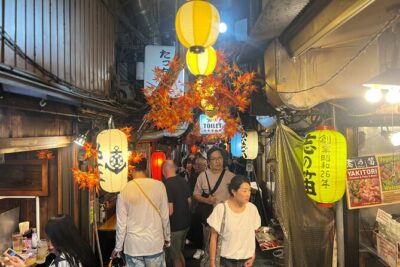 ★ 5.0Shinjuku Food Tour (13 Dishes at 4 Local Eateries)From $866,603 reviews
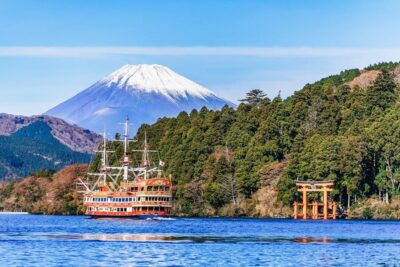 ★ 4.4Tokyo Mt Fuji 5th St & Hakone Cruise Bus Tour w/Bullet TrainFrom $1545,024 reviews
 ★ 5.0Flagship 2-Hours Official Street Go-Kart Tour – Tokyo Bay ShopFrom $644,974 reviews
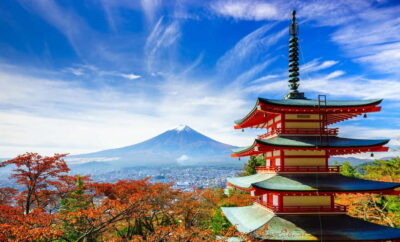 ★ 4.5From Tokyo: Mount Fuji Full-Day Sightseeing TripFrom $684,970 reviews