
Review · TOKYO CITY TOURS
Tokyo Great Cycling Tour
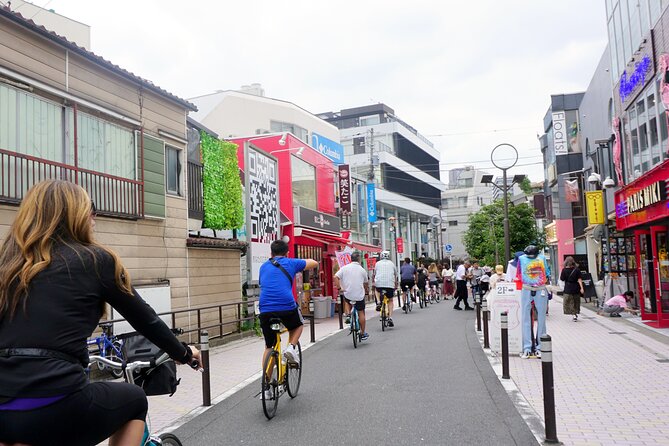
Tokyo is faster by bike. In one 6-hour ride, you connect classic neighborhoods and big landmarks in a way that walking just cannot match. I love that you get free entry at the main stops, so the day feels like sightseeing time, not ticket time, and the small group cap of 12 keeps the pace human.
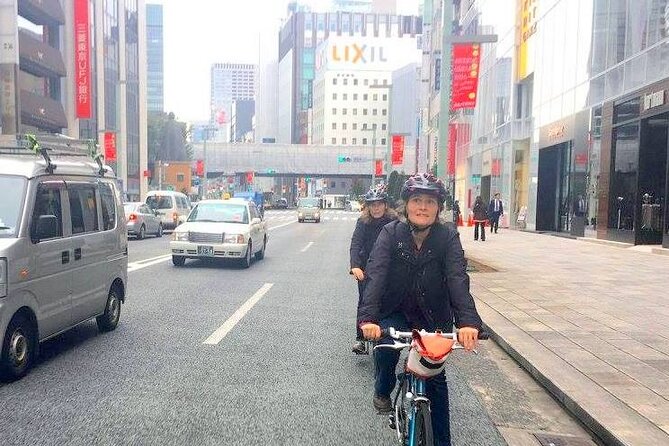
You’ll also be riding where buses can’t reach, which means you see street-level Tokyo traffic, storefronts, and side streets up close. One thing to consider: this is for people with moderate fitness, and you’ll be cycling through real roads, so it is not the best fit if you hate traffic or tight turns.
Key highlights to know before you go
- Small group limit of 12 keeps the ride more personal and easier to manage
- Six hours is long enough to cover major areas, short enough to stay fun
- Free admission at key stops means less hassle and more time looking around
- You’ll pass through high-rise office and apartment zones plus a cemetery tucked into fashion districts
- Weather matters for the cycling format, with alternatives if conditions are poor
- Guided safety and route care, with bikes staying in good working order for the day
Why pedal through Tokyo’s landmarks on two wheels
A Tokyo cycling tour is one of the few ways to see a lot without feeling like you are sprinting. On this Tokyo Great Cycling Tour, the setup is built for movement: bicycles can access places that larger vehicles cannot, and you move at a pace that lets you actually notice details along the way.
What makes it especially satisfying is the mix of scenes. You go from a lively food-and-shopping area at Tsukiji Jogai Market, to temple and shrine grounds, then into the more ceremonial and historic zone around the Imperial Palace. The day also includes in-between city views, like stretches of high-story apartment, shopping, and office buildings, plus a cemetery that sits among trendy surroundings. That contrast is very Tokyo: old and new occupying the same blocks.
I like that the tour does not try to cram in a dozen random stops. Instead, the time you spend is weighted toward the major landmarks, with short, purposeful visits that keep you cycling most of the day.
You can also read our reviews of more cycling tours in Tokyo
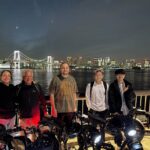
Small-group size, start point, and how the ride is paced
This is a maximum 12 travelers tour, which changes the experience. With fewer people, your guide can keep an eye on the group, and you are less likely to feel like part of a noisy school trip. The schedule is also structured, with about 15 minutes at Tsukiji Jogai Market and Zojo-ji Temple, and about 20 minutes at Meiji Jingu Shrine, so you get enough time to look around without dragging the ride.
The day starts at 9:00 am at Tokyo Great Tours, 1-chōme-3-2 Shinkawa, Chuo City, Tokyo 104-0033. It ends back at the meeting point, which is helpful for planning the rest of your evening in the city.
Because it is guided cycling, your real pacing comes from the group and traffic flow. The best way to enjoy it is to show up ready to ride and to follow the guide’s timing. If you tend to stop for photos every 30 seconds, you can still take pictures, just stay aware that the group ride needs rhythm.
And yes, the tour uses a mobile ticket, which saves you from printing anything before you head out.
Tsukiji Jogai Market: food streets, history shifts, and quick picture time
Tsukiji Jogai Market is where your day gets its energy. Even though the inner market moved to Toyosu, this area is still active with local shoppers and visitors. You get about 15 minutes here, which is the right amount for soaking up the atmosphere, grabbing a quick snack if that is your style, and photographing the lanes without turning your tour into a long food stop.
What I like about starting here is that it grounds you immediately in Tokyo’s everyday life. A lot of big-city tours start with a view or a monument. This one starts with a place where people are actually buying, selling, and moving.
Practical tip: if you are the kind of traveler who needs cashless convenience, plan to check what you can pay with before you rely on a quick purchase. The tour itself does not mention payment details for market vendors, so it is smart to travel prepared.
Zojo-ji Temple and Tokyo Tower: the classic contrast shot
Zojo-ji Temple is where you see Tokyo’s layered look in a single frame. You visit an old Buddhism temple, and the big visual payoff is the contrast between the temple buildings and Tokyo Tower in the background. The visit is about 15 minutes, which is plenty to walk the grounds at a respectful pace, pause for photos, and then get back on the bike for the next stretch.
This stop is a good example of why cycling works. You are not just arriving at one landmark, you are approaching it through the actual city. The roads and neighborhoods around Zojo-ji help you understand how close these symbols of tradition sit to modern infrastructure.
If you like cultural stops but worry about being stuck inside long guided lectures, this kind of short, focused site visit is a good compromise. You get the sense of place without losing the momentum of the day.
Passing offices, apartments, and a cemetery in fashionable Tokyo
Between major landmarks, you ride through sections that many walking tours skip. The route includes stretches with tall apartment, shopping, and office buildings, and then a surprising stop: a cemetery located in the middle of more fashionable areas.
I love when a tour does not treat Tokyo like a theme park made only of famous spots. These in-between scenes are what make the city feel lived-in. The high-rise blocks show you the vertical reality of Tokyo, while the cemetery stop reminds you that important cultural spaces exist right alongside shopping districts and upscale neighborhoods.
This is also a useful reset for your brain. After temples and shrines, your eyes need a breather. City panoramas, even brief ones, can make the later ceremonial areas feel even more meaningful.






Meiji Jingu Shrine: popular, peaceful, and worth the 20 minutes
Meiji Jingu Shrine is described as Tokyo’s most popular Shinto shrine, and that popularity makes it a serious destination. Your stop is about 20 minutes, which is enough to find your bearings, take in the shrine setting, and walk through at a comfortable pace without feeling rushed.
Shinto shrine areas often reward slow walking, and 20 minutes gives you that chance. You can stop for a quiet look, orient yourself with the main grounds, and then still have time to move on when your guide calls the group back.
A cycling tour’s biggest advantage is how it keeps you from waiting around in lines for hours. Instead, you get a defined visit window and then you are back outside, moving through Tokyo’s streets, seeing how neighborhoods change block by block.
Imperial Palace area: seeing the formal center without losing your day
Your final major landmark is the Imperial Palace area, where the Emperor and Empress live. The visit is about 15 minutes, and the value here is perspective. Even in a short stop, you get a sense of the formal and protected nature of this central Tokyo zone.
You do not want to treat a palace area like a museum with endless rooms. A shorter visit is often the right match for an outdoor, perimeter-focused experience. In 15 minutes, you can look around, take photos from appropriate viewpoints, and feel the shift from shrine calm to the ceremonial center of the city.
This timing also protects the flow of the day. With a total 6 hours riding and walking, you still finish with enough energy for dinner afterward, rather than dragging yourself back after a long, tiring final stop.
Fitness, traffic, and comfort: the real decision point
This tour asks for moderate physical fitness. That matters because Tokyo streets can feel intense even at slow speeds. The good news is that the stops are relatively short, and you are not cycling for the entire time without breaks. Still, you should expect to be active for most of the tour.
Bring what you need for a real outdoor morning. Even without the guide saying it directly, you are traveling in daylight across multiple areas. Plan for sun, hydration, and comfortable layers. If you are sensitive to heat, prioritize water and take the guide’s pace seriously.
One helpful detail from real-world operation: on very hot days, the plan can shift. For example, a picnic may be changed to lunch at an izakaya. That kind of adjustment tells me the operator is thinking about comfort and safety, not just checking boxes.
If you are worried about traffic anxiety, be honest with yourself. If you have not ridden a bike in busy urban settings before, you may find this experience more demanding than you expect.
Price and value: is $99.49 a fair deal for a Tokyo bike loop?
At $99.49 per person for about 6 hours, this tour sits in a sweet spot for value, especially if you like guided logistics. You are paying for route planning, a small-group format, and the ability to cover several major areas in one day without you coordinating trains, transfers, and walking distances.
The value strengthens because key sites have free admission during your scheduled stops. That means your cost is mostly for the time and transportation experience, not for entrance fees stacking up.
Another subtle value factor is time efficiency. One day in Tokyo can vanish fast if you spend it jumping between far-flung points. Here, you get a structured loop that covers Tsukiji Jogai Market, Zojo-ji Temple, Meiji Jingu Shrine, and the Imperial Palace area without turning your day into a transit marathon.
If you are the kind of traveler who already plans your own routes and hates guides, you might feel limited by a set schedule. But if you want a smooth, guided “see a lot, worry less” day, the price is easier to justify.
Who should book this Tokyo cycling tour, and who might skip it
I think this is ideal if you:
- want a small-group Tokyo cycling tour with short, meaningful stops at major landmarks
- like the city feel of riding through neighborhoods, not only visiting indoors
- can handle moderate activity and feel comfortable following a guide through urban streets
You might skip or choose a different format if you:
- have low comfort with bikes in traffic or narrow lanes
- want a purely relaxed pace with minimal cycling effort
- strongly dislike the idea of weather affecting an outdoor plan
Also, if you enjoy learning in context, cycling helps. You are not only hearing facts about shrines and temples, you are seeing how those places connect to the surrounding modern city.
Should you book the Tokyo Great Cycling Tour?
Yes, you should consider booking if your goal is a high-value, guided Tokyo day that covers the big name sites while still showing you what Tokyo looks like in motion. The max 12 group size, the bike access to places buses cannot reach, and the free admission at the core stops add up to a tour that feels efficient without feeling like a rush.
Book this if you can ride a bike comfortably and you are fine with about 6 hours outdoors, including streets and some heat. If weather is a concern for your dates, have a Plan B mindset, since this experience depends on good conditions and can shift to an alternative plan when necessary.
If you want Tokyo in one day, on two wheels, with a guide watching the details, this is a strong choice.
FAQ
How long is the Tokyo Great Cycling Tour?
The tour runs for about 6 hours.
What is the meeting point and start time?
The tour starts at Tokyo Great Tours, 1-chōme-3-2 Shinkawa, Chuo City, Tokyo 104-0033, Japan, at 9:00 am.
How many people are in the group?
The group size has a maximum of 12 travelers.
Do I need a printed ticket?
No. The tour uses a mobile ticket.
Is there a fitness requirement?
You should have a moderate physical fitness level.
Are admission tickets required for the main stops?
The scheduled major stops list free admission, including Tsukiji Jogai Market, Zojo-ji Temple, Meiji Jingu Shrine, and the Imperial Palace area.
What happens if the weather is bad?
The experience requires good weather. If it is canceled due to poor weather, you will be offered a different date or a full refund.
More Cycling Tours in Tokyo

More Tours in Tokyo
More Tour Reviews in Tokyo
Not for you? Here's more nearby things to do in Tokyo we have reviewed












Tokyo City Tours, side by side.
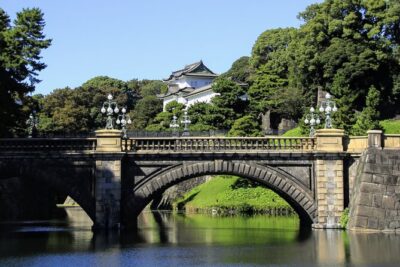 ★ 5.01-Day Tokyo Bus TourFrom $12914,250 reviews
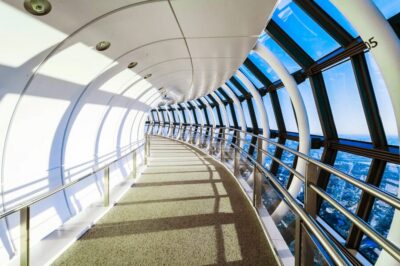 ★ 4.5TOKYO SKYTREE® Admission ticketFrom $1311,192 reviews
 ★ 4.6teamLab Planets TOKYO Digital Art Museum Entry TicketFrom $259,779 reviews
 ★ 4.0Mt Fuji & Hakone Cruise, Drum Show Bullet Train 1 Day from TokyoFrom $1497,413 reviews
 ★ 5.0Shinjuku Food Tour (13 Dishes at 4 Local Eateries)From $866,603 reviews
 ★ 4.4Tokyo Mt Fuji 5th St & Hakone Cruise Bus Tour w/Bullet TrainFrom $1545,024 reviews
 ★ 5.0Flagship 2-Hours Official Street Go-Kart Tour – Tokyo Bay ShopFrom $644,974 reviews
 ★ 4.5From Tokyo: Mount Fuji Full-Day Sightseeing TripFrom $684,970 reviews
This tour also belongs to