
Review · TOKYO FOOD TOURS
Tokyo West-Side Cycling & Food Tour
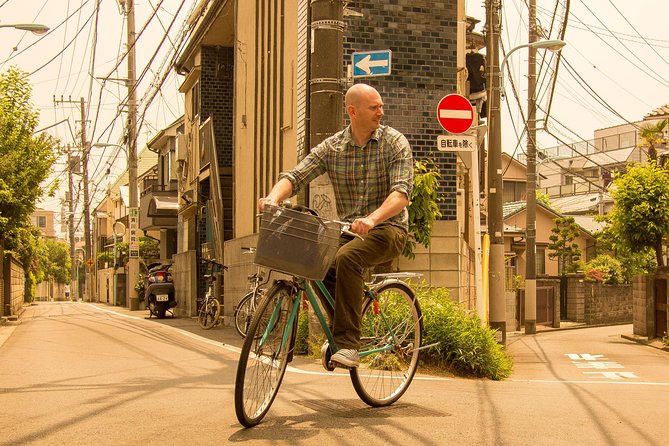
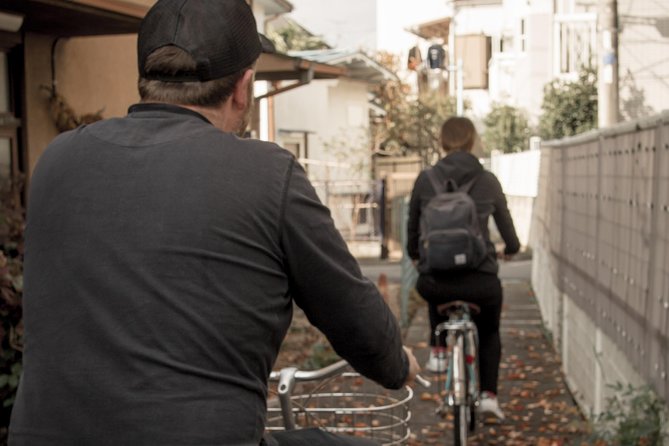
Pedaling through West Tokyo feels like time travel. On this small-group route, you ride mamachari bikes through Nakano, Koenji, and Asagaya, then swing by the Zenpukuji River to see a side of Tokyo most visitors never touch. It is a simple plan with a big payoff, Tokyo on two wheels, not on a crowded bus.
I especially like how the tour feeds you, street snacks plus a Japanese-style lunch. I also like the human scale, small groups up to 8, led by Andy, who shares practical context about neighborhood life and helps you read what you are seeing.
One consideration: you need to ride competently in an urban setting for about 12 to 15 km on narrow, occasionally crowded streets and uneven surfaces. Also, food is typical Japanese, with meat and seafood common, and it can be hard to meet allergies or strict dietary rules.
Key Points That Make This Tour Worth Your Time
- Small-group limits (max 8) keep it social and easier to follow on busy streets
- Salvaged mamachari bikes are Japanese-sized, with front baskets for a standard backpack
- West Tokyo neighborhoods: Nakano, Koenji, and Asagaya, away from the most visited zones
- Zenpukuji River riding adds a calmer pace and a scenic break from alley streets
- Street snacks plus a local-style lunch mean you do not leave hungry, or guess what to try
- Andy’s local perspective turns everyday details, like bike parking culture, into something you notice
Why West Tokyo Beats the Usual Tourist Loop
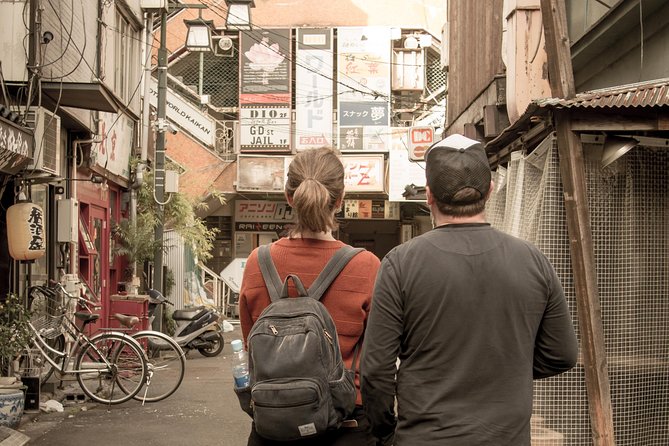
Most Tokyo itineraries do the headline sights. This one trades famous landmarks for the places where everyday life happens. You pedal through Nakano, Koenji, and Asagaya, neighborhoods known for their character rather than their postcard value.
That shift matters. You get to watch how Tokyo works on a human scale: how people move, how shops sit in residential lanes, and how the city feels when it is not performing for tourists. Several parts of the route are intentionally away from crowds, so you spend more time seeing, listening, and soaking in small scenes.
It also helps that the guide framing is about the neighborhood rhythm, not checklist tourism. Andy keeps the tone friendly and conversational, and that makes the facts land. You end up leaving with a clearer sense of Tokyo as a place people actually live.
You can also read our reviews of more food & drink experiences in Tokyo

Mamachari Bikes, Helmets, and What You Really Need to Know
The bikes are salvaged mamachari style, the everyday commuter bicycles Tokyo is famous for. They are Japanese-sized, and the good news is that they come with front baskets that can hold a standard-sized backpack.
These bikes are designed for city riding. In practice that means you will be navigating tight spaces and weaving through normal urban traffic patterns at a comfortable group pace. The ride is not a rugged trail adventure, but it is still an outdoor bike experience through real streets.
Helmets are available for participants on request. If you want one, ask ahead so you are not trying to sort it out at the last second. The tour is also clear that you should be over 140 cm tall to ride comfortably, which matters if you are traveling with smaller teens or adults who are on the shorter side.
One more thing to expect: you will hear your bike. The mamachari setup can be creaky or squeaky, depending on the bike you get. That is not a problem, just part of the charm. The important part is that the bikes are maintained well enough for a safe neighborhood ride.
Nakano, Koenji, Asagaya: Pedal Power Through Everyday Life
The core of the tour is the neighborhood sweep of West Tokyo. You are not just passing through, you are spending enough time that the streets start to make sense. Nakano brings a layered city feel, Koenji has a creative local energy, and Asagaya brings a more laid-back neighborhood vibe.
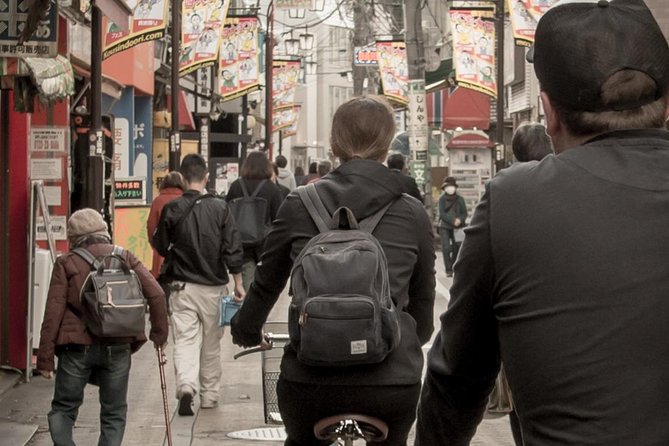
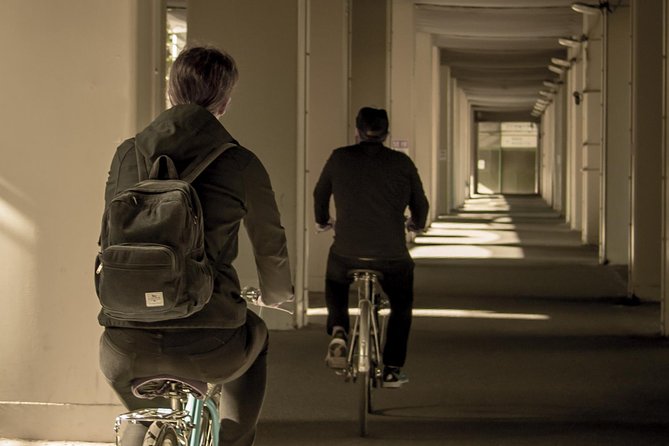
You pedal through twisting back streets. That is where the tour earns its value, because that is also where you find the real Tokyo texture: small storefronts, side streets that lead somewhere, and streets that feel lived in rather than staged. You also learn what to notice, like how the area’s culture shows up in daily routines.
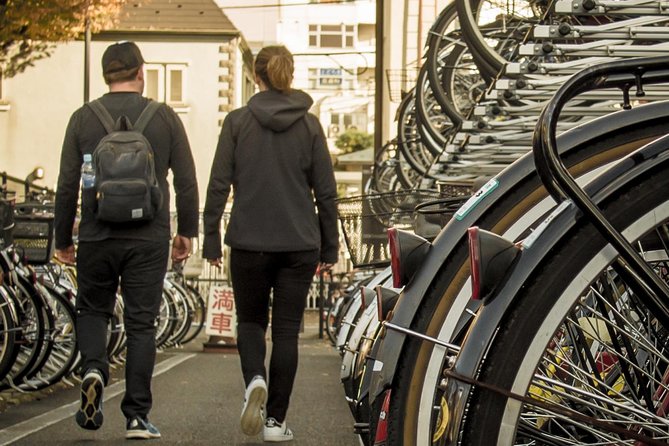
You also get a chance to try out something very Tokyo. The tour includes the bicycle parking system you will see around you, the organized way bikes get stored, often in tight spaces. One of the fun parts is that it is practical, you get guidance so you understand how it works and why it is so important in a dense city.
Andy’s role here is big. He is part explainer, part translator of what you are seeing. In multiple comments, people highlight his friendliness and how he answers questions without making it feel like a classroom. That is the difference between a bike ride and a cultural experience you can actually use later.
Zenpukuji River Riding and the Change in Pace
After alley biking, you coast along the Zenpukuji River. This is one of those stretches that helps your body recover and your brain switch gears. Instead of constantly scanning for turns and passing spots, you get a smoother rhythm along the water.
Riverside segments also tend to change the soundscape and the light. Even when the city stays close, the river gives you a break from the wall of buildings and small overhead wires. It is still Tokyo, just less compressed.
Group cycling style matters here. The tour is designed as a walking and cycling mix, not one long pedal session with no stops. You will have breaks, including times tied to snacks and refueling. That pacing helps first-time riders keep confidence, and it keeps everyone together.
Street Snacks and a Japanese-Style Lunch You Can Budget For
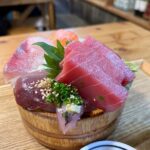
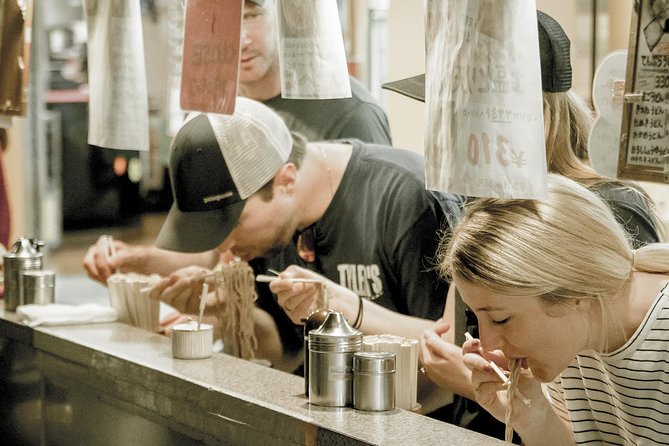
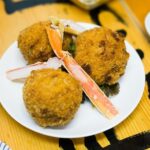
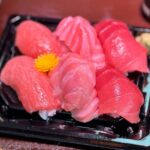
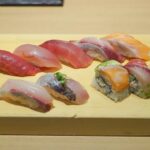
Food is not an afterthought here. Street snacks and a Japanese-style lunch are included, which is one of the reasons this feels good value at $99.49.
The tour does not promise fine dining. It is more interesting than that. You are sent to typical local eateries and snack stops where people actually eat. That means you get choices you would not automatically pick if you were relying on your Japanese alone.
You also learn what to do with common flavor foundations. Japanese cuisine often uses dashi as a base ingredient, which creates that savory depth many dishes share. If you are sensitive to certain flavors or strong broth notes, consider that the day will likely include those elements.
Dietary restrictions are the only real catch. The tour notes it can be difficult to cater to personal tastes, dietary requirements, and food allergies because you are eating at typical local places. If you have a serious allergy, do not assume you can swap. If you are flexible, you will probably have a smoother experience.
A practical tip: treat this as a food discovery tour, not a controlled tasting menu. Go in curious. You are not just eating, you are learning what you ordered and why it works in that neighborhood context.
More Tokyo tours and experiences for the shortlist


Safety Rules: Riding Competently in Crowded West Tokyo
This tour expects you to be comfortable riding a bicycle in an urban environment. The distance is roughly 12 to 15 km, and the route can include narrow, potentially crowded streets plus uneven surfaces.
That sounds intense, but it does not mean the tour is technical or stunt-focused. Many comments emphasize that the route is mainly flat and that the guide plans breaks. Still, do not treat it like a casual Sunday ride in a park.
What I would do before you go:
- If you have limited bike time, practice a short ride first, especially turning and stopping in traffic-like conditions
- Wear shoes you can pedal comfortably, and avoid super loose sandals
- Carry a layer, even in warm months, because city bike rides can feel cooler near water
The tour also says that cycling liability insurance is included for the cycling portion, while you should have comprehensive travel insurance for unforeseen incidents. That is a reminder to be realistic. This is an outdoor active tour. You are moving through real streets with other people around.
Time on the Clock: 3.5 Hours, Stops Included
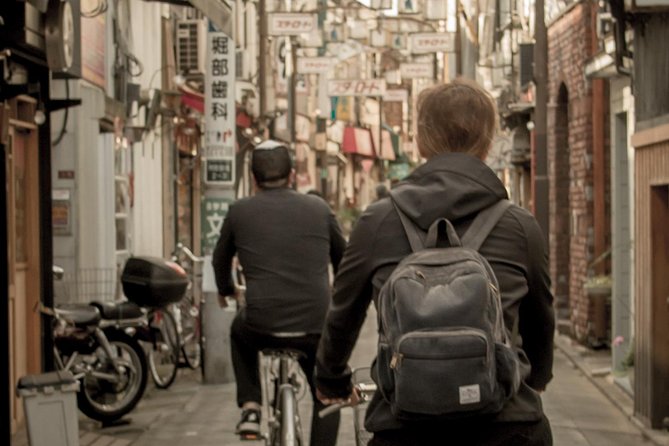
The duration is about 3 hours 30 minutes. That usually includes the cycling, walking portions, snack breaks, and lunch time. The tour also notes that finishing time can vary based on group speed, eating speed, and environmental factors.
From a traveler planning standpoint, this is a great length for a half-day slot. It is long enough to feel like you left the tourist zone for real, but not so long that it smashes the rest of your day.
If you want to stack your itinerary, keep the rest of the day light. Your legs will be fine for most people, but you might be tired after navigating busy streets. Plan one relaxed activity after, not another big transit-intensive plan.
Price and Value: Getting More Than You Pay For at $99.49
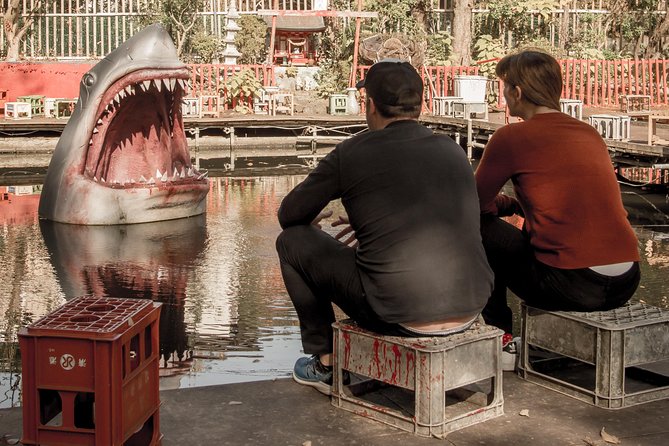
At $99.49 per person, you are paying for three things: guiding, a bike you do not have to source, and food. When snacks and lunch are included, the value equation changes fast.
In Tokyo, food add-ons add up quickly, especially if you are trying to explore without wasting time. Here, the included street bites and lunch remove that guesswork. You also get the benefits of a small group, up to 8, which typically means less waiting, easier conversation, and more attention on safety.
The other value piece is cultural noticing. Andy’s explanations are not abstract. People repeatedly point out his information about local life and culture, plus his ability to answer questions. That matters because it helps you interpret what you are seeing during the ride, not just after you get home.
You can think of it as buying time. Instead of researching neighborhoods and figuring out where to eat, you get a planned route with built-in discovery.
Who This Tour Fits Best, and Who Should Skip It
This tour is a great fit if you:
- Can ride a bike confidently in city traffic conditions
- Want to see West Tokyo neighborhoods like Nakano, Koenji, and Asagaya
- Like street food and a casual local lunch, not formal dining
- Prefer a smaller group where you can talk to the guide
It is probably not the best fit if you:
- Struggle with biking on uneven surfaces or narrow streets
- Have strict dietary needs or serious allergies
- Expect a classic sightseeing tour with major monuments
If you are traveling with kids, the tour states it is suitable for most travelers, with a height requirement of 140 cm. One family-friendly vibe comes through in the comments, especially the idea that it is laid-back and social. Still, if your child is not comfortable riding, this is not the day to learn.
Weather and the Real Outdoors Factor
Tokyo weather changes your plans. This tour is built to run in all-season and all-weather conditions. If it rains, basic ponchos are provided and the cycling generally continues as planned.
So you should pack for being outside. Even with ponchos, you can get splashed. Bring a small towel or extra bag for your phone and camera. If rain is heavy, your experience might shift slightly, but the tour is set up to keep momentum.
My Booking Call: Should You Book the Tokyo West-Side Cycling and Food Tour?
Yes, I would book this if your goal is authentic Tokyo neighborhood life. The biggest win is the combination of small-group biking plus included street food and lunch, all anchored in West Tokyo areas many visitors skip.
I would only hesitate if you are not confident riding in a dense city environment. The route expects real urban cycling for about 12 to 15 km, with uneven surfaces possible. And if your diet is complicated by allergies, treat the food inclusion as a joy for flexible eaters, not a guaranteed customization experience.
If you want Tokyo beyond Shibuya, Shinjuku, and the big-name sights, this tour is a smart way to spend a half day. It gives you stories you can still picture later, because you ride past the details, not just through them.
FAQ
Where does the tour start and end?
The tour starts at Kōenji Station, 4-chōme-48-2 Kōenjiminami, Suginami City, Tokyo 166-0003, Japan. It ends back at the meeting point.
How long is the tour?
The experience lasts about 3 hours 30 minutes, roughly 3.5 to 4 hours depending on group pace, food pace, and conditions.
What distance will I ride?
You should expect about 12 to 15 km (7.5 to 9.5 mi) total riding, plus some walking during the food stops.
What kind of bikes are used?
The tour uses salvaged mamachari bicycles, which are Japanese-sized and come with front baskets that can hold a standard-sized backpack. Helmets can be provided on request.
Do I need to be a strong cyclist?
You are expected to be competent riding in an urban environment through narrow and potentially crowded streets and on uneven surfaces. If you are not comfortable with city cycling, this may not be a good match.
What about food allergies or special diets?
Food is included, but the tour notes it can be difficult to cater to personal tastes, dietary requirements, and food allergies because you visit typical local eateries. If you have specific allergy needs, plan carefully.
What happens if it rains or the tour is canceled?
The tour requires good weather. If it is canceled due to poor weather, you will be offered a different date or a full refund. The tour also has free cancellation up to 24 hours in advance for a full refund. If a minimum number of travelers is not met, you may be offered a different date or a full refund.
More Food & Drink Experiences in Tokyo
More Tours in Tokyo



More Tour Reviews in Tokyo


Not for you? Here's more nearby things to do in Tokyo we have reviewed












Tokyo Food Tours, side by side.
 ★ 5.0Shinjuku Food Tour (13 Dishes at 4 Local Eateries)From $866,603 reviews
 ★ 5.0Tokyo Bar Hopping Tour in Shinjuku (All-You-Can-Drink + Dinner)From $1063,587 reviews
 ★ 4.9Shinjuku Food Tour (15 Dishes and 4 Eateries)From $852,033 reviews
 ★ 5.0Best of Shinjuku: Izakaya Food Tour (4 Stops, 14+ Tastings)From $921,863 reviews
 ★ 5.0Shibuya Meltdown Nightlife Tour: All-You-Can-Drink Bar HoppingFrom $1061,058 reviews
 ★ 5.0Eat and Drink Like a Local: Tokyo Ueno Food Tour-Taverns&RamenFrom $95957 reviews
 ★ 5.0Ramen & Gyoza Cooking Class in Tokyo with Local Supermarket VisitFrom $122823 reviews
 ★ 5.0Shibuya Food Tour (13 dishes and 4 Eateries)From $77770 reviews
This tour also belongs to