
Review · TOKYO CITY TOURS
Traditional Japanese Comedy, Juggling & Magic Live Show in Tokyo
Three arts in one small Tokyo theater.
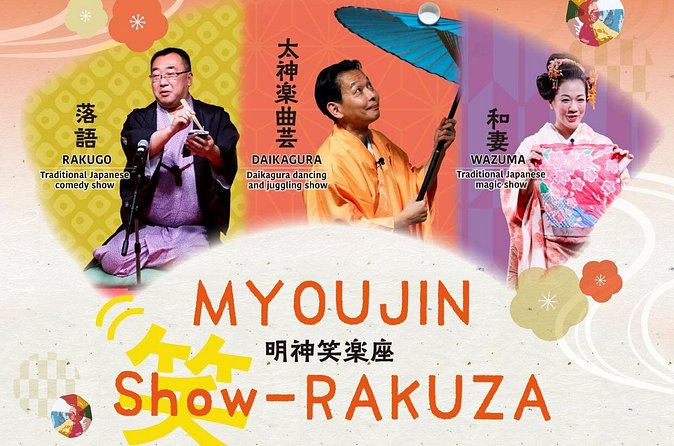
This show strings together Rakugo storytelling comedy, Daikagura acrobatics, and Wazuma magic in one 1.5-hour sitting at EDOCCO STUDIO inside Kanda Myoujin Shrine. I like that you do not need Japanese skills, and you get hands-on moments where you can try the tricks instead of just watching.
My only real caution is practical: seating is limited and performances can sell out, so you want to grab tickets sooner rather than later. The venue is indoor, so weather is less of a problem, and the show runs on a tight schedule with doors opening about 30 minutes before start.
Key highlights worth your attention
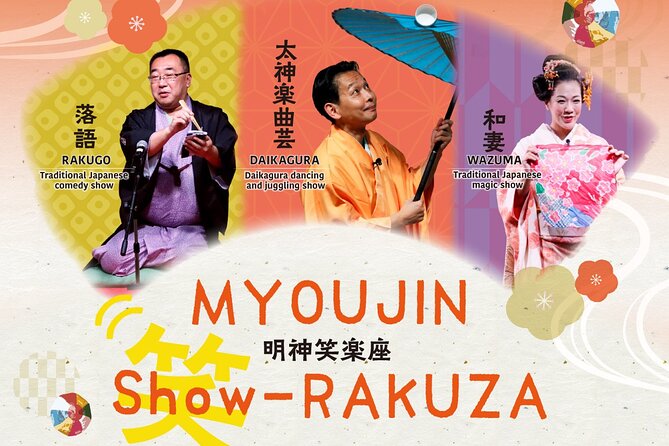
- Three traditional performance styles in one ticket: Rakugo, Daikagura, and Wazuma
- You get to try parts of the acts, not just sit back
- No Japanese required, with staff help and interpretor support
- A real shrine setting, but in a modern indoor studio (good year-round)
- Take-home props like tenugui towels, folding fans, and paper balloons (examples included)
- Small-group feel, with a maximum of 100 travelers
Why This Rakugo and Magic Show Fits First-Time Tokyo Visitors
Tokyo can feel big and loud on day one. This is the opposite. In about 90 minutes, you get a compact sampler of Japanese stage entertainment, with enough variety to keep you engaged even if you do not know the cultural background.
What I like most is how the show lowers the usual barrier. You get the humor of Rakugo, the physical skill of Daikagura, and the showmanship of Wazuma magic, all presented in a way that works for international visitors. The audience interaction also helps you stay present, because you are not just decoding language, you are watching timing, gestures, and reaction cues.
One more thing: it feels modern, but the location keeps it grounded. EDOCCO STUDIO sits within Kanda Myoujin Shrine, so you are not in some generic theater building far from real Tokyo life. You get that small moment of contrast, shrine calm mixed with a performance space built for visitors.
More Tokyo tours and experiences for the shortlist

EDOCCO STUDIO and Kanda Myoujin Shrine: The Location Angle That Matters
Your meeting point is EDOCCO2-chōme-16-2 Sotokanda, Chiyoda City, Tokyo 101-0021. The activity ends back at the meeting point, so you are not stuck figuring out where to go after the show.
This matters for two reasons. First, you are in central Tokyo, close to Akihabara, so it is an easy add-on to a day of wandering and shopping. Second, the show is indoors, inside a studio connected to a historic shrine. That combo is unusually convenient: you get a traditional backdrop without having to gamble on outdoor conditions.
In reviews, people also emphasize how welcoming the staff felt and how the interpretor helped the flow of the show. That is a big deal in a short performance, because you do not want to miss the key beats while waiting for context.
What Happens in the 1.5 Hour: Rakugo, Daikagura, Wazuma, Then You Get Involved
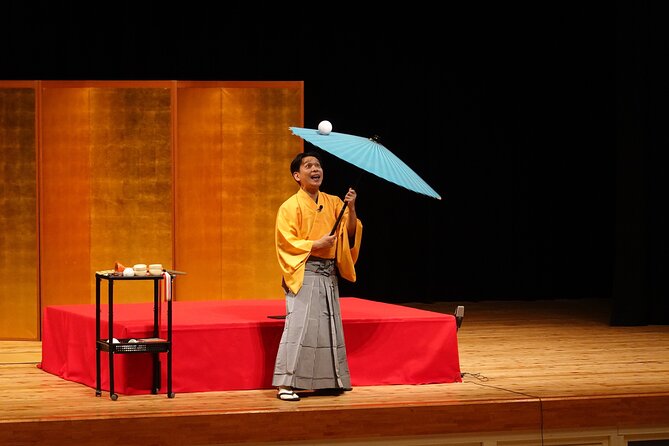
The schedule is simple. Doors open around 13:30 and the show starts around 14:00. It runs approximately 1 hour 30 minutes.
The program follows a three-part rhythm:
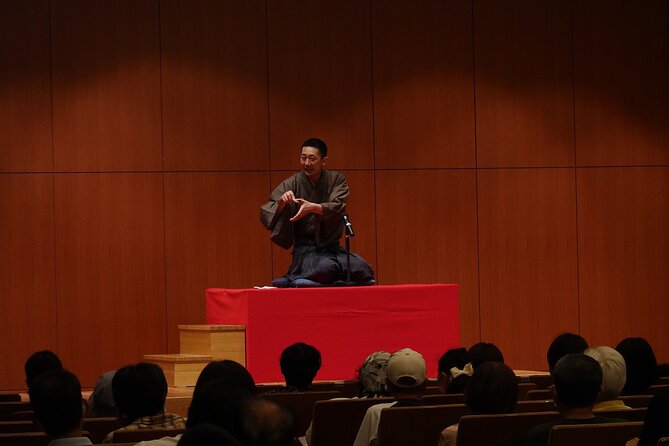
Rakugo comedy: the storytelling you can follow
Rakugo is a classic Japanese form built around a performer delivering a story in a seated style. Even if you do not speak Japanese, the pacing and physical acting do a lot of the work. You are watching timing, expressions, and the way the performer shifts character energy.
What I would watch for: the transitions. Rakugo often feels like it moves in waves, not straight lines. When you notice the rhythm, the laughs land more cleanly, even without full language coverage.
Daikagura acrobatics: skill and audience energy
Daikagura brings acrobatics into the mix. It is more physical, more visual, and it changes the tempo fast after the quieter storytelling moments. The style also has a participatory angle, since the experience includes trying Daikagura firsthand.
That is one of the best parts of this show for visitors. You do not only watch athletic moves, you get a chance to understand what makes the performance controlled and repeatable.





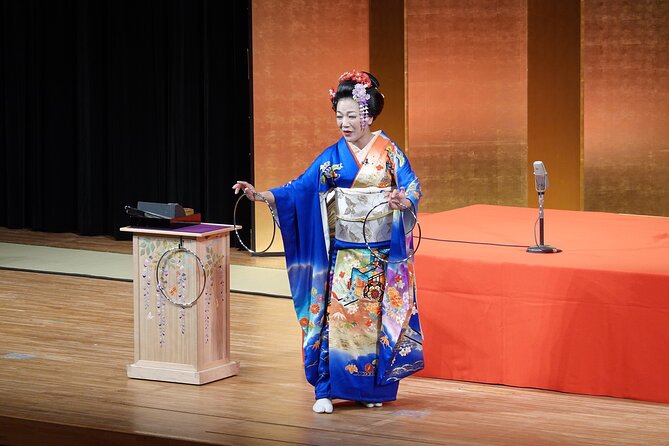
Wazuma magic: learn the method, not just the result
Wazuma is the magic component. The experience is described as interactive, and the goal is not just to be amazed. You will actually learn the tricks of the trade and get a chance to try magic elements yourself.
If you like practical souvenirs, this is also where you can start connecting what you see to what you later try at home.
The Audience Participation Twist That Makes It Feel Personal
A lot of shows say interactive, but then it is mostly a quick nod to audience participation. Here, the emphasis is different. You are encouraged to try aspects of Daikagura and Wazuma, and you learn the mechanics behind the magic style.
This is where the interpretor support becomes extra useful. Participation does not work if you are constantly translating in your head. With help from the staff and clear guidance, you can participate without feeling lost.
Also, the interaction described in reviews sounds friendly rather than forced. People mention being involved in a fun way, and that matters because you should not have to be brave or extroverted to enjoy it. If you are traveling solo, that is especially comforting.
Practical note: if you get seated and realize you are in the participation zone, stay calm and listen. Most of the audience participation moments are about following cues quickly, not doing complicated choreography.
Language Support: How You Enjoy It Without Japanese
The big selling point is straightforward: you do not need Japanese language skills. That is backed by the way the show is handled, including interpretor support and staff guidance.
For international visitors, this matters in two ways.
First, Rakugo and magic are easy to enjoy when you get the meaning in real time. Storytelling humor often depends on setup and payoff. If you only catch one sentence at random, you miss the punchline.
Second, participation becomes realistic when someone explains what is happening. Instead of guessing, you get instructions at the right moments.
If you do enjoy learning, this is also a fun way to pick up a few cultural expressions connected to Rakugo, since the show includes lessons related to the performance style.
Take-Home Props and Mini Gifts: What You Actually Get
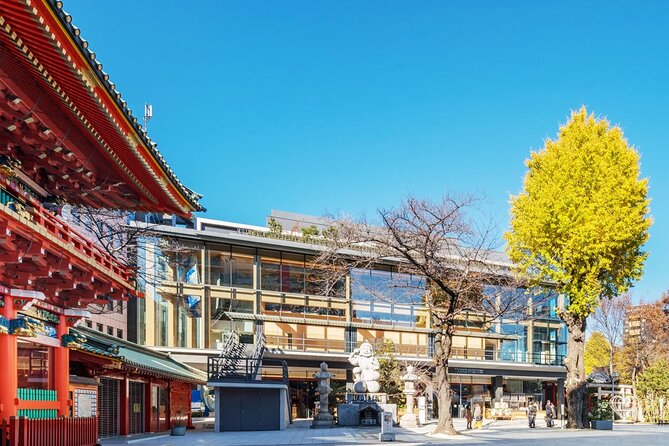
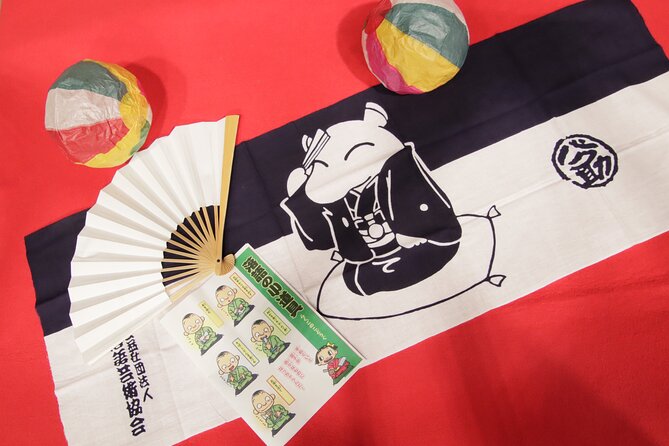
This experience includes admission plus a mini gift. In addition, the description highlights traditional props featured in the show, with examples like tenugui hand towels, folding fans, and paper balloons.
These small items do more than decorate your photo. They give you a physical reminder of what you did in the theater. The tenugui towel and folding fan especially work as souvenirs you can use, not just tuck away.
One more bonus: when magic is involved, souvenirs tied to the tricks can turn your performance into something you share later. Reviews mention leaving with magic trick souvenirs and mini lessons, which is exactly the type of thing that makes an experience feel like it lasts longer than the hour and a half.
Timing and Getting There: A Simple Plan for a Smooth Show Day
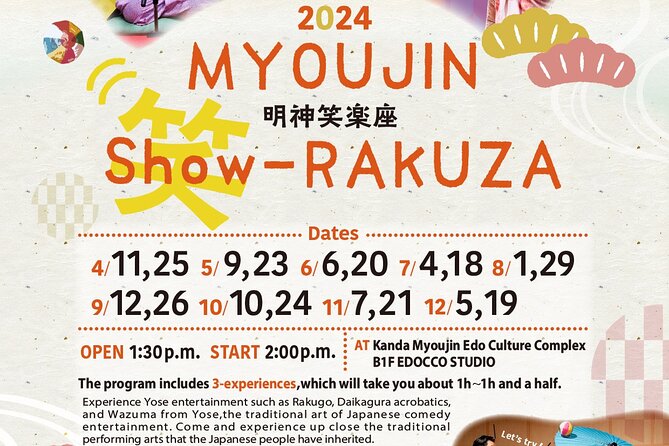
The posted schedule indicates Thursday, with doors opening at 13:30 and the show starting at 14:00. Your listed start time is 2:00 pm, which lines up with that show start.
Here is the practical approach I recommend:
- Arrive at the meeting point before doors open if you can.
- Use the half hour for bathroom breaks and to settle in.
- When in doubt, sit closer than you think you need. It is an indoor studio, and participation moments can depend on visibility.
Because the venue is near public transportation, you can also treat this as a flexible plan. If you are coming from Akihabara, you can often build your day around it without backtracking across the city.
Group size is capped at 100 travelers. That usually keeps things manageable, with less scrambling than big theater events.
Price and Value: Is $36.24 a Fair Deal?
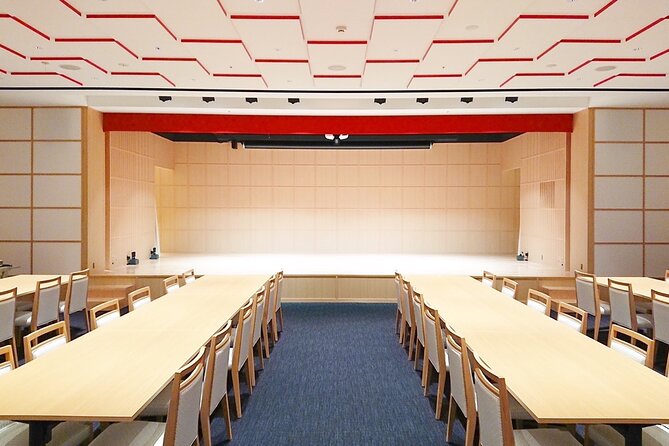
At $36.24 per person, this is not the cheapest thing in Tokyo. But it is also not a luxury production. The value comes from the combination of formats and the interaction.
You are paying for:
- Three traditional performance styles in one ticket
- A show designed for international visitors, including language support
- Hands-on participation where you try parts of Daikagura and Wazuma
- A mini gift, plus traditional props connected to what you see
If your goal is cultural variety without a long day of museum hopping, this checks the boxes. It is compact. It is structured. And it is guided in a way that helps you understand what is happening while you are in the room.
If you already know the specific performance styles deeply and only want one of them, you might feel you are paying for breadth. But for most first-time visitors, breadth is the point.
Who Should Book This Tokyo Performance
This is a strong fit if you:
- Want a short, scheduled cultural activity that does not require Japanese
- Like interactive events where you can try the magic or performance elements
- Are traveling with family or a mixed group, since the show is described as fun and family friendly
- Are based near central Tokyo and want something easy to reach from the Akihabara area
- Want a memorable souvenir that is connected to a moment you experienced live
It is also a good solo option. Reviews mention people going alone and still feeling comfortable during the experience.
Small Caveats to Keep in Mind Before You Buy
Two practical things deserve your attention.
First, shows are limited and can sell out. If you are set on a specific day, plan ahead. The average booking window listed is about 62 days in advance, which is a hint that this does not always stay available late.
Second, the provider lists a good-weather requirement in the cancellation terms. That can sound odd for an indoor show, but it usually means the operator may still rely on conditions for the overall experience plan. Check conditions close to your date if you are booking far out.
Should You Book This Traditional Japanese Comedy, Juggling, and Magic Show?
I think you should book it if you want one simple ticket that delivers three styles of Japanese entertainment, with real audience participation and language help built into the show. The shrine location gives it an authentic feel, while the indoor studio keeps it easy and weather-resilient.
Skip it only if you already have a strong preference for a single format and do not care about the other two, or if you strongly dislike interactive moments. Otherwise, this is the kind of evening activity that makes Tokyo feel personal, not just busy.
If your trip schedule is tight, take the 1.5-hour slot. It is short enough to fit almost anywhere, and it gives you a clear Japan performance story to tell afterward.
FAQ
How long is the show?
The show lasts about 1 hour 30 minutes (approx.).
Where does the experience take place?
It takes place at EDOCCO STUDIO, located within Kanda Myoujin Shrine, in central Tokyo. Your meeting point is EDOCCO2-chōme-16-2 Sotokanda, Chiyoda City, Tokyo 101-0021, Japan.
What time should I arrive?
The posted schedule shows doors open around 13:30 and the show starts around 14:00. Your start time is listed as 2:00 pm.
Is the show in Japanese, and do I need to speak the language?
You do not need Japanese language skills. The experience includes interpretor support, and the show is set up for international visitors.
Will I get to participate or only watch?
You get interactive moments. The experience is described as including learning the tricks of the trade and trying Daikagura and Wazuma firsthand.
What souvenirs or gifts are included?
Admission is included, along with a mini gift. The description also mentions traditional props featured in the show, such as tenugui hand towels, folding fans, and paper balloons.
Is it family-friendly?
Yes. The show is described as fun and family friendly in the information and feedback provided.
How big are the groups?
The experience has a maximum of 100 travelers.
What is the cancellation policy?
Free cancellation is available up to 24 hours in advance for a full refund. If you cancel less than 24 hours before the start time, the amount paid is not refunded.
More Shows & Entertainment in Tokyo

More Tour Reviews in Tokyo
Not for you? Here's more nearby things to do in Tokyo we have reviewed












Tokyo City Tours, side by side.
 ★ 5.01-Day Tokyo Bus TourFrom $12914,250 reviews
 ★ 4.5TOKYO SKYTREE® Admission ticketFrom $1311,192 reviews
 ★ 4.6teamLab Planets TOKYO Digital Art Museum Entry TicketFrom $259,779 reviews
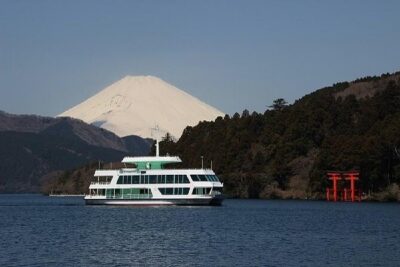 ★ 4.0Mt Fuji & Hakone Cruise, Drum Show Bullet Train 1 Day from TokyoFrom $1497,413 reviews
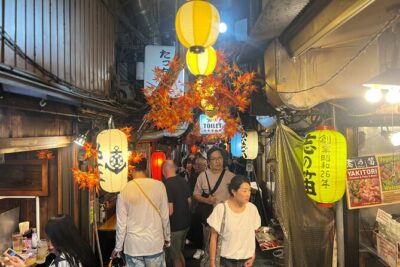 ★ 5.0Shinjuku Food Tour (13 Dishes at 4 Local Eateries)From $866,603 reviews
 ★ 4.4Tokyo Mt Fuji 5th St & Hakone Cruise Bus Tour w/Bullet TrainFrom $1545,024 reviews
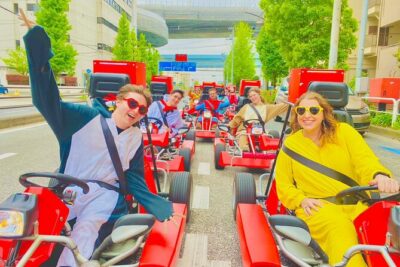 ★ 5.0Flagship 2-Hours Official Street Go-Kart Tour – Tokyo Bay ShopFrom $644,974 reviews
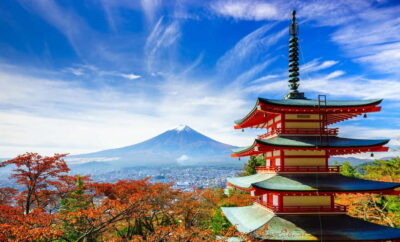 ★ 4.5From Tokyo: Mount Fuji Full-Day Sightseeing TripFrom $684,970 reviews