
Review · COOKING CLASSES
Private Home Cooking in Yanaka – Local Flavors in a Warm Setting
Two hours, one real Tokyo kitchen. I like the private, hands-on setup and the English friendly coaching from Ms Yajima. One catch is that the area can feel tricky to find at first, so arrive a few minutes early and have a quick way to call for help.
You’ll start at the Yanesen Tourist Information & Culture Center, then head to a small home about 100 meters from Yanaka Ginza. I like pairing cooking with a walk in Yanaka and Yanesen, because it feels like everyday Tokyo, not a stage set.
Your menu is flexible: pick lunch or dinner, then choose your class style in advance. If you want special menus or dietary needs, you need to request them early, ideally by contacting them at least 2 days before your cooking day.
Key things to know before you cook
- Private class feel with personalized attention, only your group participates
- English coaching from Ms Yajima, who has strong ties to the Yanesen area
- Plan A or Plan B menu choices so you can match your cravings and comfort level
- Yanaka Ginza location nearby, plus a chance to walk the Yanesen neighborhood
- Plenty of practical technique, from knife work to making staples like dashi and noodles
Why Yanaka home cooking feels more real than a restaurant meal
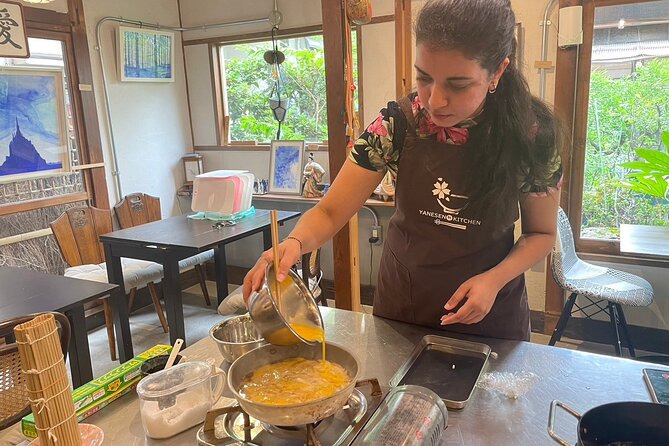
Yanaka has a slower pace than central tourist Tokyo. This class leans into that vibe. You’re not just ordering dishes, you’re learning how everyday households build flavor step by step, with local ingredients and local habits.
The instructor, Ms Yajima, was born in the Yanesen area and loves cooking Tokyo style the way her community cooks. That matters because you get more than recipe steps. You get the small choices that make the food taste right, like how you handle seasoning, how textures should look while you cook, and how to fix things when something is off.
Another big win is the conversation. You may also learn about Yanaka life lifestyle and trends. Even if you only catch bits of the talk, it gives your meals context. You understand what you’re eating and why it is made that way.
This is also hands-on in a way restaurant dining cannot match. You chop, mix, and cook with live guidance. If you want to go home with skills, not just photos, that’s where this experience delivers.
The meeting point at Yanesen Tourist Information, and the short walk to the kitchen
Check in at the Yanesen Tourist Information & Culture Center, 3-chōme-13-7 Yanaka, Taito City. The activity ends back at the meeting point, so you do not need to figure out a second drop-off.
From there, the cooking happens in a small house around 100 meters from Yanaka Ginza. That distance is perfect for a calm neighborhood walk. You can arrive, settle in, and keep your energy for cooking, not for transit gymnastics.
Practical note: the location can be a little hard to spot at first. Past participants recommended calling for help if you get lost, and one mentioned checking in at a small coffee shop called ko hi ko jo. So I suggest you save the contact details after booking and treat navigation like part of the fun, not a stress test.
Good to know: it is near public transportation. Confirmation is received at booking time. You also get a mobile ticket, which is handy if you prefer less paperwork.
You can also read our reviews of more private tours in Tokyo
Plan A main course or Plan B appetizers, and how to request your perfect menu
You do not show up empty-handed on choices. In your reservation request form, you tell them what you want to cook, and you pick a class plan.
Plan A means you choose 1 from the main options. Plan B means you choose 2 from the appetizer options. That setup is practical because it lets you control how “main course heavy” your session feels.
Think about what that means for you:
- If you want one signature dish you can recreate later, Plan A is a great fit.
- If you want variety, side dish skills, and more tasting moments, Plan B gives you more range.
Special requests are supported if you tell them ahead of time. That includes allergies, and vegetarian and vegan needs. You can talk about menu and requests through the contact form until 2 days before your cooking day.
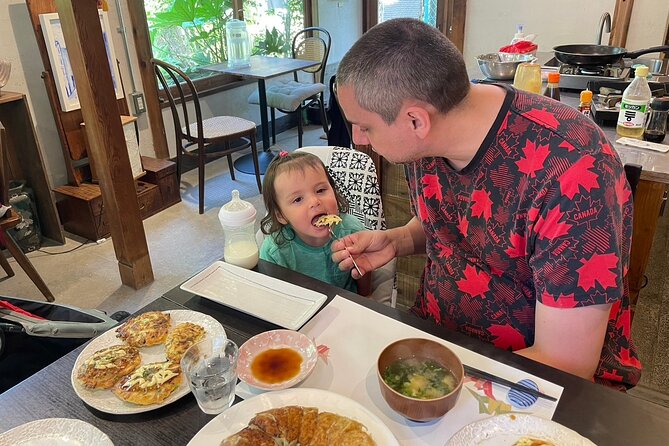
If you have kids, dietary restrictions, or a small group with different tastes, this menu structure helps avoid a common problem in cooking classes: everyone ending up with dishes they did not ask for.
Cooking with Ms Yajima in a home-style kitchen, with real technique feedback
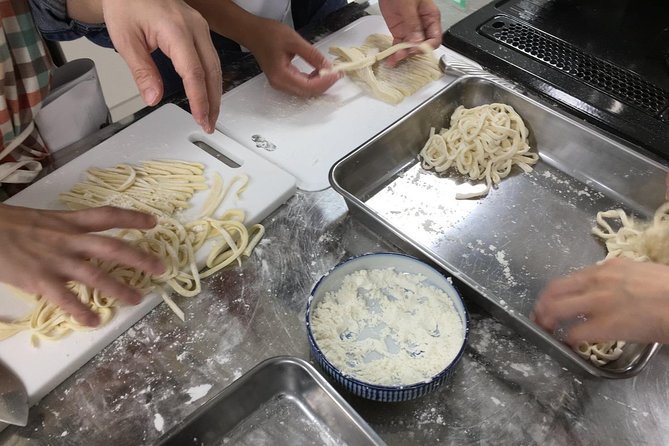
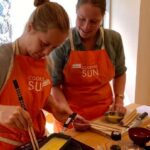
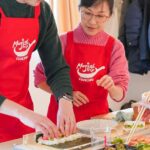
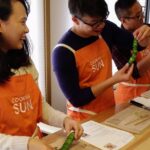
This is a private class in a home setting, not a big cooking school room. The “home in Yanaka” atmosphere shows up in the workflow, the pacing, and the way you get attention. You can ask questions as you go, and the instructor can correct technique before it turns into a bad result.
Ms Yajima teaches in English. That is not a minor detail. Clear English plus live guidance makes a difference when you are learning things like heat control, sauce balance, and timing. Cooking success in Japan often comes down to small differences you only notice when someone explains what to look for.
A few technique examples that show up in the kinds of dishes people make here:
- Homemade dashi using konbu and bonito flakes
- Deep frying with guidance on oil temperature
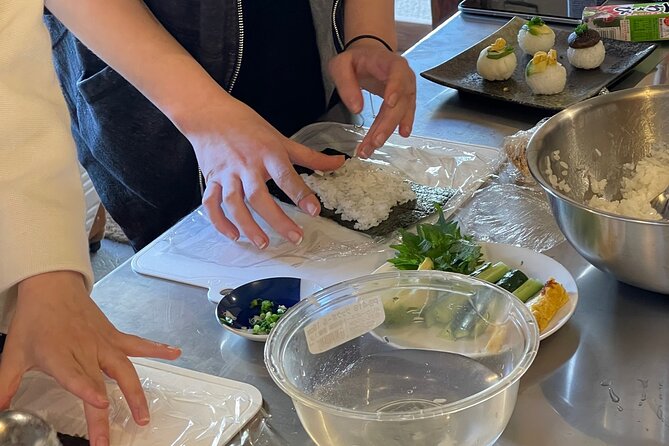
- Rolling foods like sushi, where the process matters as much as the filling
- Kneading noodles in the traditional way, sometimes even with a fun hands-on twist
Even when the exact menu changes, the lesson style is consistent: you learn the why, not just the what.
The dishes you might cook, from bento to noodles to miso glazed eggplant
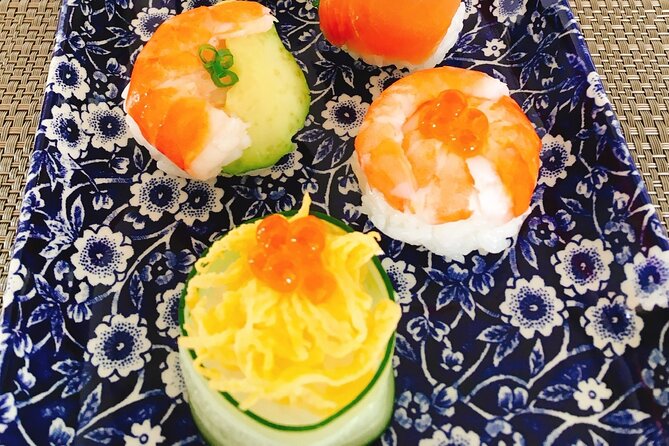
Your exact menu depends on what you choose, but the class has a strong record for classic Japanese dishes that people actually want to eat again.
Here are example dishes that have appeared in past sessions:
- Oyakodon (chicken and eggs over rice)
- Nikujaga (meat and potato stew)
- Bento box cooking
- Miso dengaku (often eggplant with miso glaze)
- Udon noodles from scratch
- Soba noodles and gyoza
- Miso soup, sometimes starting from homemade dashi
- Okonomiyaki
- Tempura
- Tonkatsu
- Sushi, including rolling techniques
- Onigiri rice balls
Why this matters for you: these are foods you can cook at home with ingredients you can find in Japanese markets, and many ingredients are also available in international grocery stores if you plan ahead.
You also get technique lessons you can transfer. For example, once you understand how to judge oil temperature for tempura or how to balance miso and dashi, you can apply that knowledge to new dishes without starting from zero.
And because it is taught as a private group, you get feedback for your specific pace. If you chop faster than expected, or you need extra time understanding a step, the class can flex.
Eating what you cook, learning the rhythms, and going home with usable notes
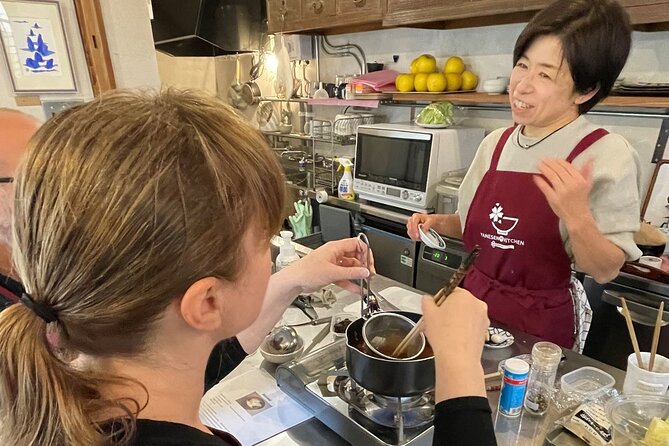
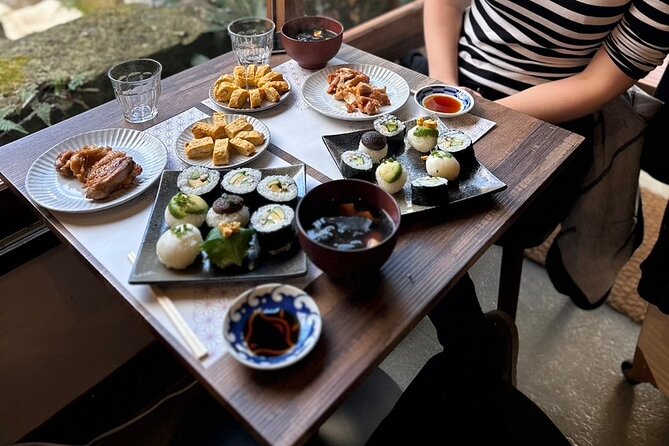
After the cooking, you sit down and enjoy the meal together. The biggest practical advantage is obvious: you taste the result of your own work right away. That makes it easier to connect the technique to flavor.
Many participants also emphasized that the dishes come out with enough food for the group, and that recipes are straightforward to repeat later. Some also noted they left with clear recipe plans and tips to write down, which is huge if you want to recreate your meal after jet lag fades.
If you want a class that helps you move from curiosity to confidence, this is the right pattern. You learn, you eat, then you can adjust. In other cooking classes, you learn steps and still feel unsure what success should look like. Here, the instructor’s live feedback helps close that gap.
Also, because the location is in a neighborhood like Yanaka, you can pair the class with light shopping and browsing before or after. One easy plan is to grab a few local items nearby and then use the class recipes as your shopping list starter kit.
You can also read our reviews of more cooking classes in Tokyo
Price and value in a private Tokyo kitchen
The price is $122.23 per person for about 2 hours. For Tokyo, that can sound high until you match it with what you’re buying: private instruction in a home-style kitchen, plus hands-on cooking and an instructor who can explain in English.
You’re not paying for sightseeing transport. You’re paying for teacher time, ingredients, and personalized coaching. And because special menu requests and dietary needs are supported, you can reduce the “we’ll just eat around it” problem that happens when group meals do not fit your needs.
Two more value notes:
- The program offers group discounts, which helps if you are traveling with friends or family.
- It uses a mobile ticket, which simplifies your pre-trip life.
Is it a bargain? It is not the cheapest way to eat in Tokyo. But it is a strong value if your goal is skills, not just a meal. If you want the kind of memory you can repeat at home, this price starts to feel fair.
Who this suits best, and who should think twice
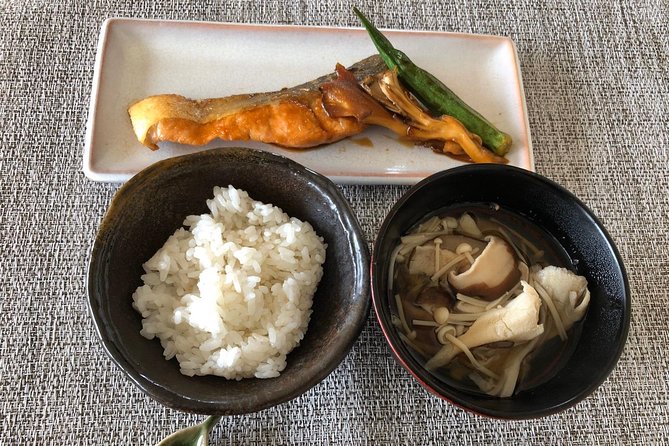
This experience fits best if you:
- Want to learn real Japanese home-cooking techniques
- Prefer a private setting where you can ask questions
- Are traveling with dietary restrictions, because allergies and vegetarian or vegan options are available when requested
- Want an English-friendly class with clear steps and live feedback
It also works well for first-time Japan visitors. Many people use the class as an icebreaker, because the instructor style and the hands-on format make you feel comfortable fast.
There are two “think twice” situations. First, if you hate finding places in residential neighborhoods, you may need extra patience for locating the check-in spot. Second, because the class is about 2 hours, it is not ideal if you want a long, multi-stop food tour day.
Should you book Private Home Cooking in Yanaka?
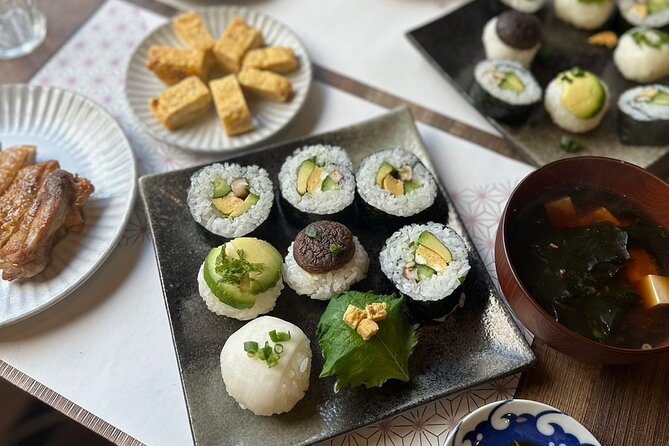
I think you should book it if you want something practical and memorable, a meal plus the skills to cook it again. The private format, English instruction from Ms Yajima, and the menu choices (Plan A main, Plan B appetizers) give you control. The Yanaka setting adds a neighborhood feel without turning the day into a big logistics puzzle.
Skip it only if your main goal is passive dining and wandering, not learning. Also, give yourself time for directions. Once you find the meeting point, the experience runs on a friendly rhythm and you’ll be cooking quickly.
If you do book, send your menu request early and include allergies or dietary needs as soon as possible. That is the difference between a class that fits you and one that compromises.
FAQ
Can I choose lunch or dinner for this cooking class?
Yes. You can choose between a lunch or dinner cooking class to match your schedule.
How does the menu selection work with Plan A and Plan B?
Plan A lets you choose 1 main option. Plan B lets you choose 2 appetizer options.
Will the instructor teach in English?
Yes. The instructor, Ms Yajima, can instruct in English.
Can they accommodate allergies or vegetarian or vegan requests?
Yes. Allergies and vegetarian, vegan, and other requests are available when you tell them during the reservation process.
Where do I meet, and where does the activity end?
Start at the Yanesen Tourist Information & Culture Center. The activity ends back at the same meeting point.
Is this a private activity?
Yes. It is private, and only your group participates.
Is there a mobile ticket?
Yes, a mobile ticket is included.
What is the cancellation policy?
You can cancel for a full refund up to 24 hours in advance. The experience may also be rescheduled or refunded due to poor weather or if the minimum number of travelers is not met.
More Cooking Classes in Tokyo
More Private Tours in Tokyo

More Tour Reviews in Tokyo






Not for you? Here's more nearby things to do in Tokyo we have reviewed












Cooking Classes, side by side.
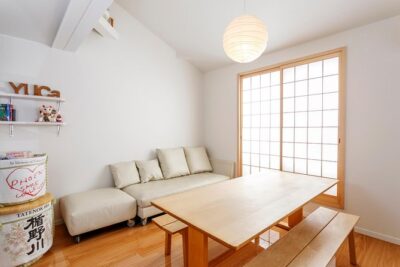 ★ 5.0Ramen & Gyoza Cooking Class in Tokyo with Local Supermarket VisitFrom $122823 reviews
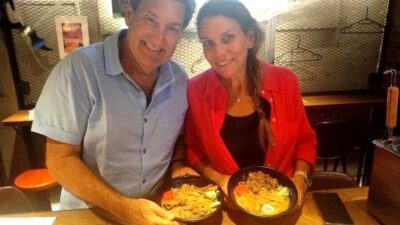 ★ 4.6Easy Ramen Cooking Experience in Kabukicho, ShinjukuFrom $29321 reviews
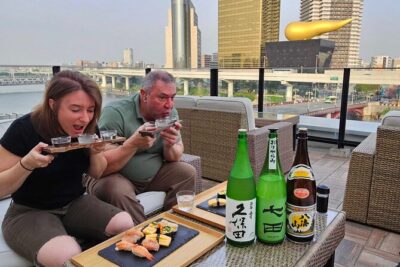 ★ 5.0Ramen and Sushi Cooking Class with Sake Pairing Set in TokyoFrom $79291 reviews
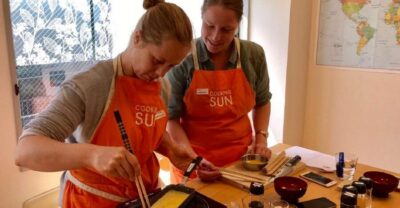 ★ 4.9Wagyu and 7 Japanese Dishes Cooking ClassFrom $67273 reviews
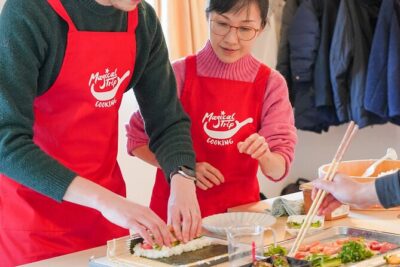 ★ 5.0Tokyo Washoku 4-hour Cooking Class: From Market to TableFrom $79253 reviews
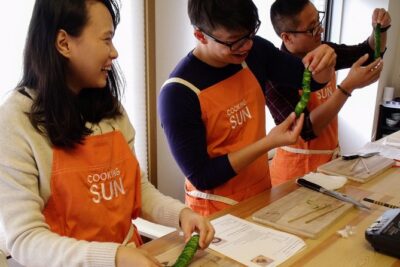 ★ 5.0Small-Group Wagyu Beef and 7 Japanese Dishes Tokyo Cooking ClassFrom $72190 reviews
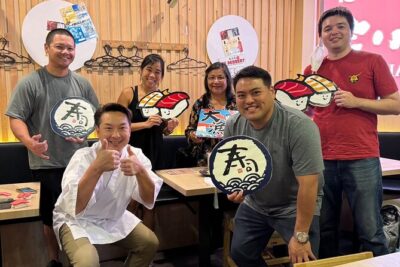 ★ 5.0Tokyo Sushi Making Experience & Japanese Cooking ClassFrom $59150 reviews
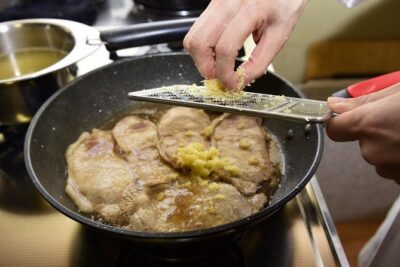 ★ 5.0Unique Private Cooking Class with a Tokyo Local EmiFrom $99131 reviews
This tour also belongs to