
Review · SHINJUKU TOURS
Tokyo: Easy Ramen Cooking Experience in Kabukicho, Shinjuku
Your hands will build a Shinjuku ramen bowl.
In a simple 60-minute class at Shinjuku Ale, you learn why ramen matters in Japan, then practice the steps hands-on, including boil your noodles, before eating in the same session.
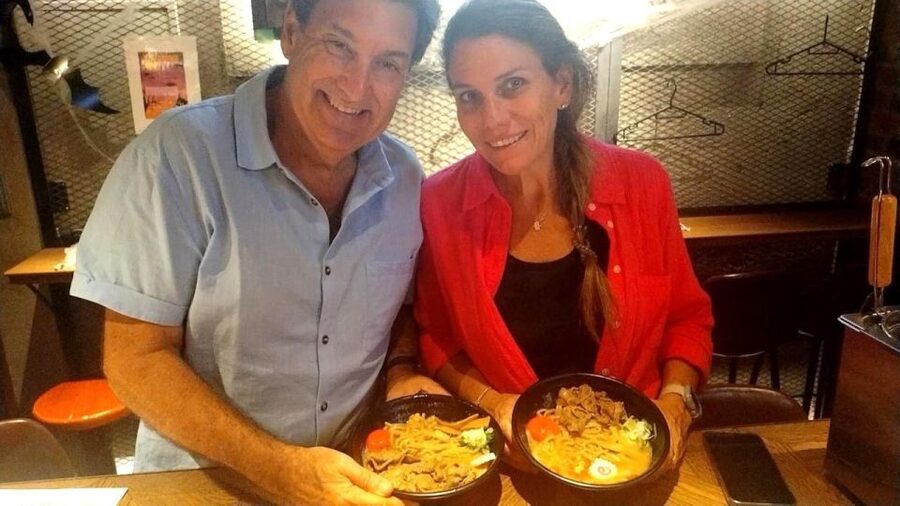
I like that the teaching style is step by step and easy to follow, with instructors such as Tak, Kai, and Hinata often leading groups through the process. I also like that you do not just watch, you eat the ramen you make, which turns the class from a demo into a real payoff meal.
One thing to note: this is a shortened ramen method, because making noodles and soup from scratch takes days, so you will not do every part of the traditional process here.
Key things that make this ramen class worth your time
Shinjuku Ale setting: a quirky upstairs space in Kabukicho, with the class meal served right after cooking
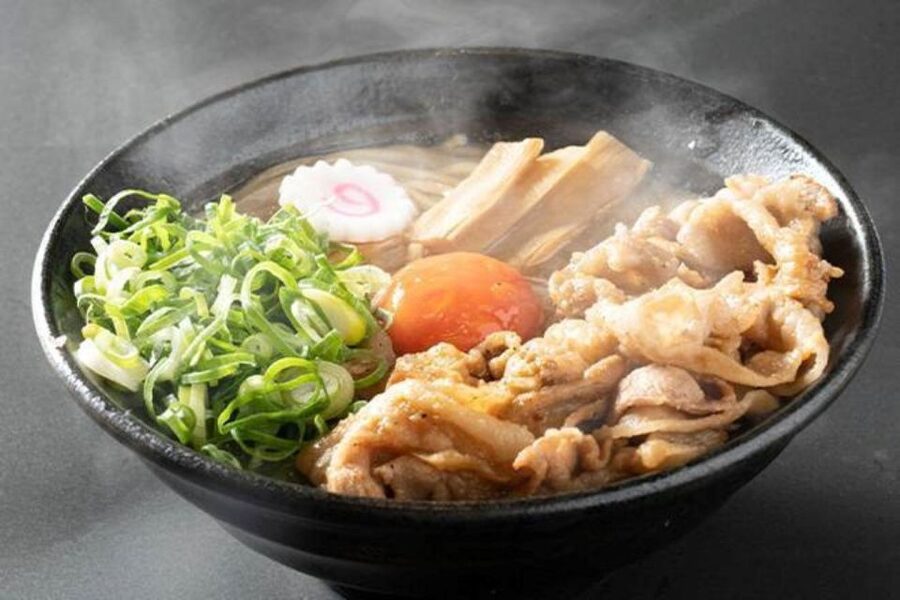
True hands-on cooking: pick soup, boil noodles, and assemble toppings, then eat what you built
Small group feel: a small-group format, so you get attention while you work
Guides support your language needs: some staff may use a translator machine, so you are not left out
Trial reservation tip: tell the staff you are making a trial reservation when you arrive
Shinjuku Ale: the easy place to start in Kabukicho
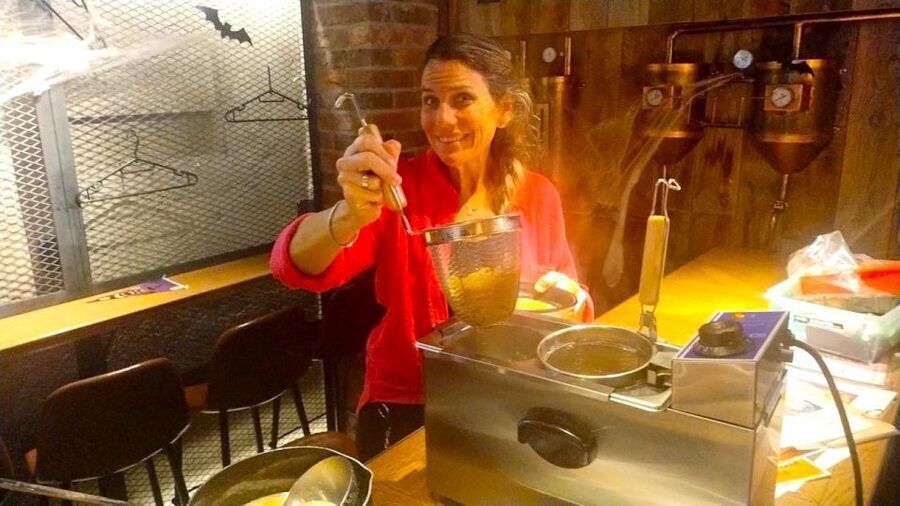
Shinjuku can be confusing at first, but this class gives you a clear starting point: Shinjuku Ale. Your Google Plus Code is https://maps.app.goo.gl/WFQbgLjFTVA9bwdL7, and when you get there, tell the staff you are making a trial reservation.
The experience takes place on the second floor, and there is no elevator. If you do not love stairs after a long day in Tokyo, plan a little extra time and energy before you go.
Kabukicho itself is a perfect match for this activity. Outside the venue you get the usual Shinjuku energy, including the Godzilla area vibe that makes the neighborhood feel like something you should experience beyond just passing through.
You can also read our reviews of more cooking classes in Tokyo


What you actually do in 1 hour (and what you skip)
This is a “short recipe” class designed for one big goal: cook, then eat. Yes, ramen takes real time to do properly, because making noodles and soup traditionally takes days. So you will be learning the technique and assembling your bowl, not doing the multi-day scratch process.
Here is how the 1 hour typically plays out in plain terms.
First, you get an easy-to-follow explanation of ramen, including the history behind the iconic dish. You are not stuck memorizing trivia. The story is meant to connect to what you will cook, especially how ramen is built as a bowl where components matter.
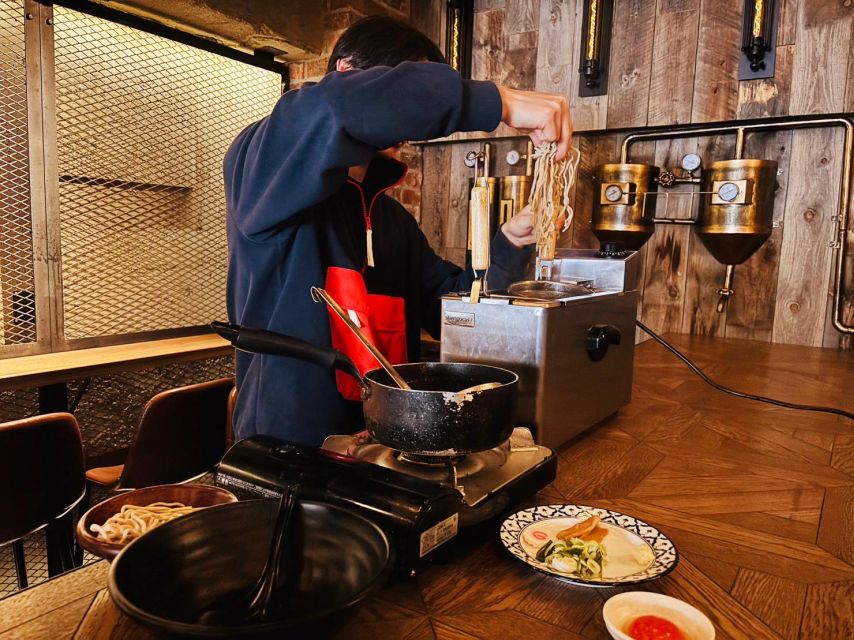
Then you get to the practical part. You choose your soup, boil your noodles, and add your toppings to your bowl. By the end, you sit down to eat what you made, and when you finish eating, the experience ends.
This format is ideal if you want a cooking win without turning your day into a lab schedule. If you are hoping for a full day of making broth and noodles from scratch, this class is not that. It is a smart, beginner-friendly shortcut.
Choosing soup, boiling noodles, and assembling toppings like a pro
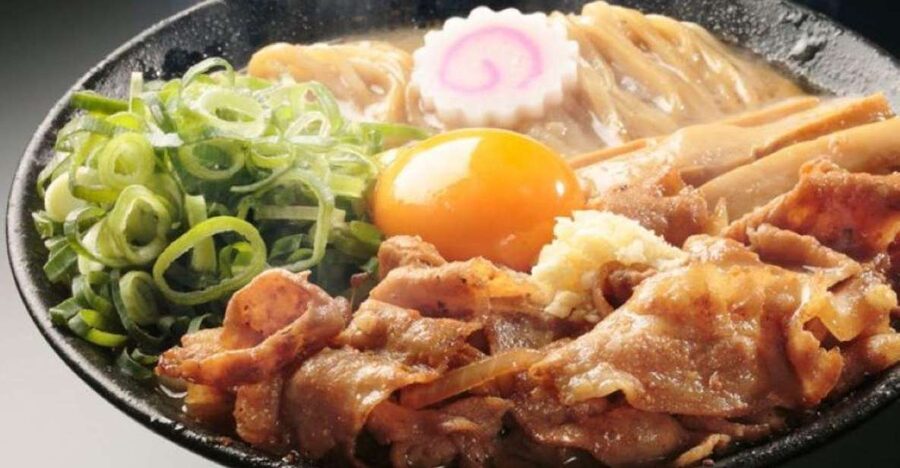
Your bowl is the centerpiece here. You get to choose your soup, handle the noodles, and select toppings that fit your taste.
A big part of the value is that ramen is not one thing. It is noodles plus soup plus toppings, and your choices affect the final flavor and texture. So even in a short class, you get to practice the idea that ramen is customizable, not one fixed recipe.
Boiling the noodles is the moment where most people suddenly feel confident. Noodles can be finicky in real life, and working with them during the class turns “I like ramen” into “I understand ramen.”
Then comes the fun part, assembly. You add the ingredients to your ramen bowl in the way your guide shows, so you learn how all the parts come together in the same dish.
When you finish, you eat right away. That timing matters, because you can immediately connect your choices to what tastes good on your own tongue.
How ramen history turns into real technique, not just facts
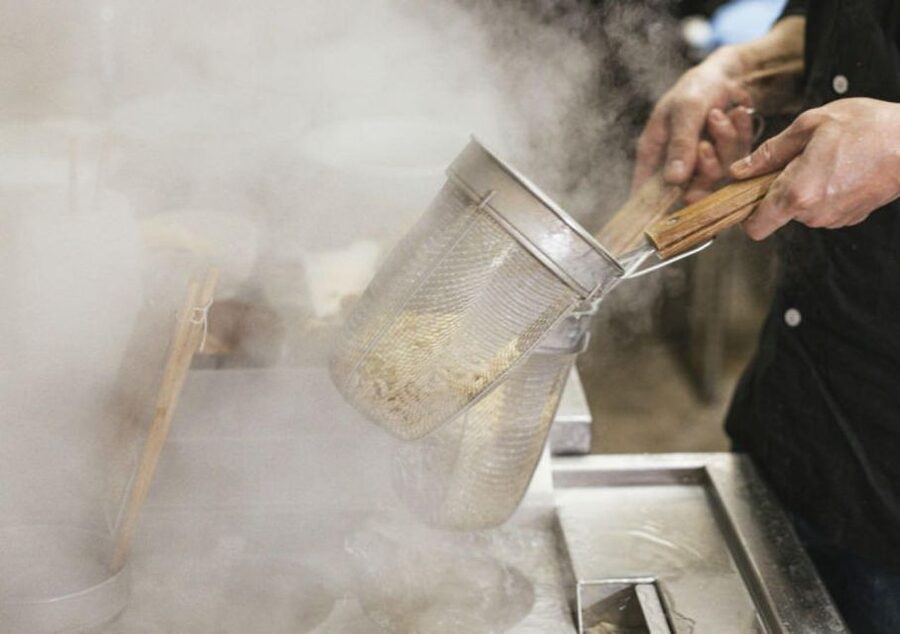
Ramen has become part of everyday life in Japan, and the class uses that idea to teach you how to think about the dish. The lesson includes the history behind ramen, but it does not treat history like a lecture you have to survive.
Instead, you learn enough background to appreciate why the components are built the way they are. Ramen is famous partly because it is flexible, and the bowl structure makes it easy to adjust for different preferences, from noodle texture to soup style and topping choices.
That is why the class works well for people who like food culture but do not want a museum pace. You get context for the dish while also doing the cooking actions yourself.
The soup situation: secret recipe, meat-based broth, and food limits
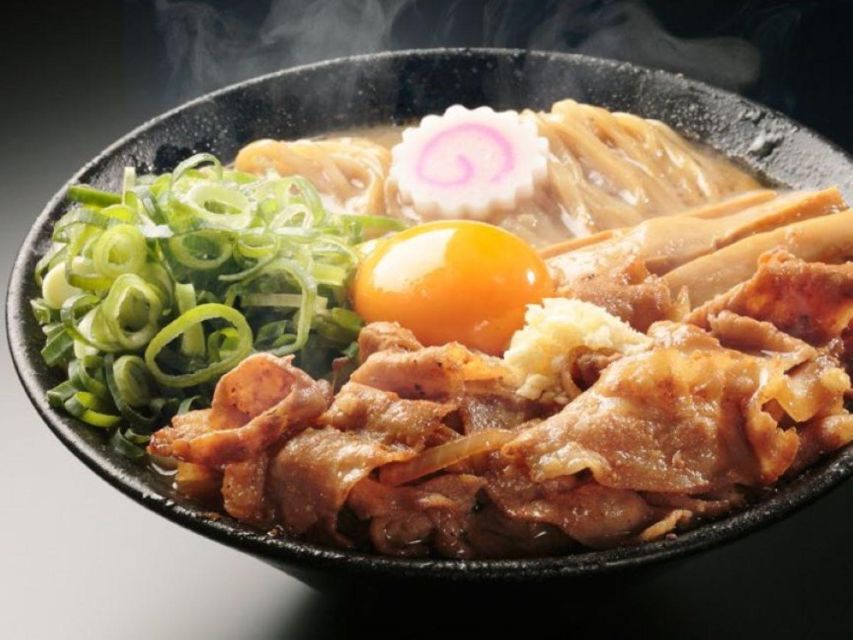
The soup is described as a secret recipe, and the class also notes that the ramen soup contains pork, chicken, and beef. They also say they cannot tell you what is in the soup, so do not expect ingredient transparency like you would get from a labeled packaged product.
That matters for diet planning. This experience is listed as not suitable for vegans and vegetarians, and it is also not suitable for people with gluten intolerance.
Even if you are not strictly vegan or vegetarian, this is a good place to be honest with yourself about what you can and cannot eat. If you have allergies or strict dietary rules, ask questions ahead of time where possible, because the class does not provide a full ingredient breakdown of the soup.
It is still a great experience for many people, but it is not the kind of activity that safely fits every diet.






Small group energy, step-by-step guidance, and language support
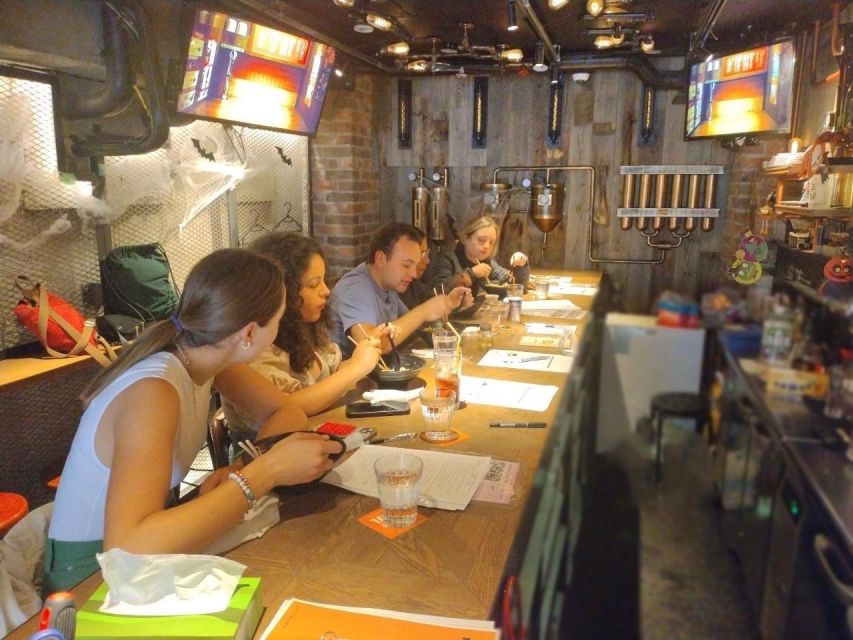
This class is set up for small groups, which is a huge deal in cooking. When the group is small, you do not lose track while you wait for help, and you can get your questions answered in real time.
Guides are a major reason it works. Names like Tak, Kai, Hinata, Mikhail, Nina, and Shuma show up as instructors in this experience format. The teaching approach is repeatedly described as interactive and supportive, with step-by-step instructions that help beginners keep up.
Language support is built in too. Some staff are not good at English, and a translator machine may be used. That means you can still follow along even if Japanese cooking terms are not your strongest area.
One practical bonus I like about this style of instruction is that you get recommendations beyond the kitchen. You can easily ask what neighborhoods to hit next, what to eat, or how to make your Shinjuku time smarter.
Extras you might find at Shinjuku Ale: gyoza, alcohol, and photos

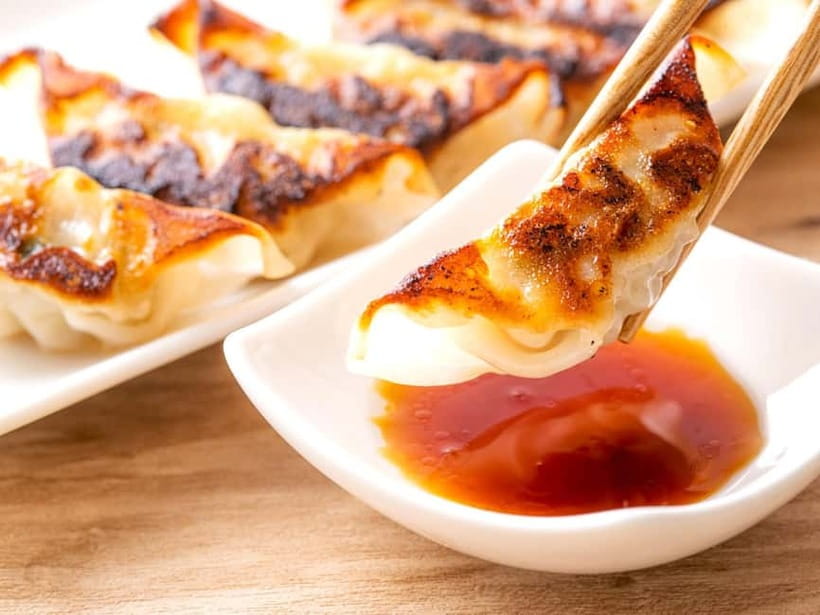
The core meal is included, but there may be add-ons depending on what option you book. Some sessions include choices like gyoza and an alcohol drink option, which can turn your cooking class meal into something closer to a full evening out.
If you are planning to drink, keep the rules straight. Drinking alcohol is prohibited by law for people under 20 years old, and participants under 20 must be accompanied by a parent or guardian.
Another detail that can improve the experience is the photo moment. One account notes a professional photo shoot during the class with an option to purchase photos at the end. If that is important to you, it is worth asking on arrival what the photo option looks like.
Also, this is a venue you can enjoy even before cooking. The upstairs bar atmosphere in Kabukicho adds a fun, local-feeling vibe, and it helps the class feel like part of your Tokyo day rather than a rushed stop.
Price and value: is $29 a fair deal in Shinjuku?
At $29 per person for a 1 hour hands-on cooking class with your meal included, the value is mostly about what you get for the time.
You get:
Guided ramen history and context
A structured ramen cooking workflow
Your own bowl at the end, not just tasting someone else’s
Small group attention
A location that is easy to pair with the rest of a Shinjuku evening
For Tokyo, that price is reasonable because the class is doing the heavy lifting for you. Ingredients, equipment, and instructions are all set up, so you do not have to figure out where to buy everything or how to manage cooking in a tiny kitchen.
The tradeoff is that it is not the full multi-day noodle and soup process. You are paying for the shortcut version, which is exactly what many people want when they only have one free hour.
If you want a quick skill plus a great meal, this price point makes sense. If you want a deep, full craft training session, you might feel like you are only skimming the surface.
Getting there and not losing time in Shinjuku
Shinjuku Station can be an intricate maze, so give yourself a buffer. Even if you are using the right route, it helps to arrive a bit early so you can find the building calmly and check in without stress.
Once you arrive at Shinjuku Ale, use the trial reservation instruction when you talk to staff. That small step keeps everything smooth.
Also remember the second-floor setup with no elevator. If you have mobility constraints, plan accordingly, or consider booking a different activity that does not require stairs.
The good news is that the venue location is described as very close to the Godzilla statue area. That means it is easy to connect this class to a Shinjuku walk afterward.
Who should book, and who should skip this ramen class
This class is a strong fit if you:
Want a beginner-friendly cooking experience
Like food culture and want the ramen background tied to what you cook
Prefer a meal included in the session, not an extra restaurant stop
Would enjoy a small group format with plenty of guidance
It is likely not a good fit if you:
Need a vegan or vegetarian-friendly menu
Have gluten intolerance
- Want to make every ramen component from scratch over multiple days
If you are traveling with kids, double check ages. The experience is listed as not suitable for children under 4, and under 20 participants must be accompanied by a parent or guardian. If you are bringing a family, this kind of hands-on cooking can be a hit, as long as you match the age rules and dietary limits.
Should you book this ramen cooking experience in Shinjuku?
Book it if you want a solid Tokyo food activity that finishes with a meal you cooked yourself. The biggest win is the balance: history plus practical steps, all delivered in about 1 hour without turning your day into a multi-day ramen project.
Skip it if your dream is hands-on, from-scratch ramen noodles and soup-making. This is a shortcut class, and the lesson focuses on assembling and cooking the ramen components you are given.
If you are comfortable with pork, chicken, or beef-based soup and you are not dealing with gluten intolerance, this $29 class is an efficient way to go beyond eating ramen and actually understand how a bowl is built.
FAQ
How long is the ramen cooking experience in Shinjuku?
The experience is listed as 1 hour. It ends when you finish eating your ramen.
Where do I meet for the class?
You meet at Shinjuku Ale. The Google Plus Code is https://maps.app.goo.gl/WFQbgLjFTVA9bwdL7.
What should I tell staff when I arrive?
When you visit, tell the staff that you are making a trial reservation.
Is bottled water or drinks included?
No. Bottled drinks are not included, and additional meals and drinks are also not included.
Does the class include making noodles and soup from scratch?
No. The notes explain that noodles and soup take several days to make, so this experience uses a shortened recipe. You will still learn techniques and do parts like choosing soup, boiling noodles, and assembling toppings.
Is this class suitable for vegans, vegetarians, or gluten intolerance?
No. It is listed as not suitable for vegans, vegetarians, and people with gluten intolerance. The ramen soup contains pork, chicken, and beef.
More Cooking Classes in Tokyo
More Tour Reviews in Tokyo
Not for you? Here's more nearby things to do in Tokyo we have reviewed












Shinjuku Tours, side by side.
 ★ 5.0Shinjuku Food Tour (13 Dishes at 4 Local Eateries)From $866,603 reviews
 ★ 5.0Tokyo Bar Hopping Tour in Shinjuku (All-You-Can-Drink + Dinner)From $1063,587 reviews
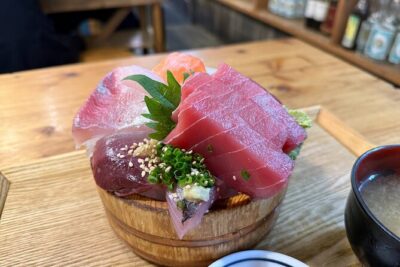 ★ 4.9Shinjuku Food Tour (15 Dishes and 4 Eateries)From $852,033 reviews
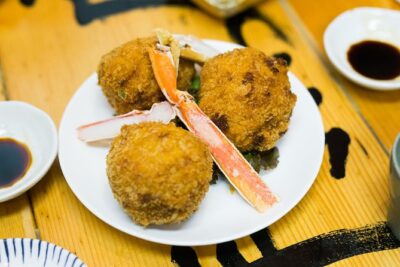 ★ 5.0Best of Shinjuku: Izakaya Food Tour (4 Stops, 14+ Tastings)From $921,863 reviews
 ★ 4.9Shinjuku Local Bar and Izakaya Guided Walking TourFrom $341,794 reviews
 ★ 5.0Tokyo Shinjuku Chopsticks Making ClassFrom $201,763 reviews
 ★ 5.0Tokyo Shinjuku Sumo Show & Experience with PhotoFrom $791,750 reviews
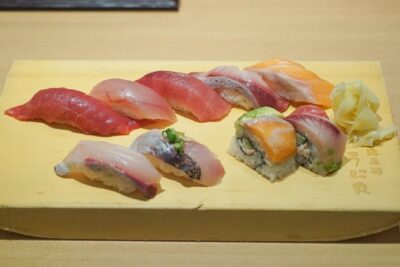 ★ 5.0Tokyo Night Foodie Tour in Shinjuku – Seasonal Sushi, Wagyu BeefFrom $1111,161 reviews
This tour also belongs to