
Review · SHINJUKU TOURS
Tokyo Shinjuku Sumo Show and Experience with Drinks and Photo
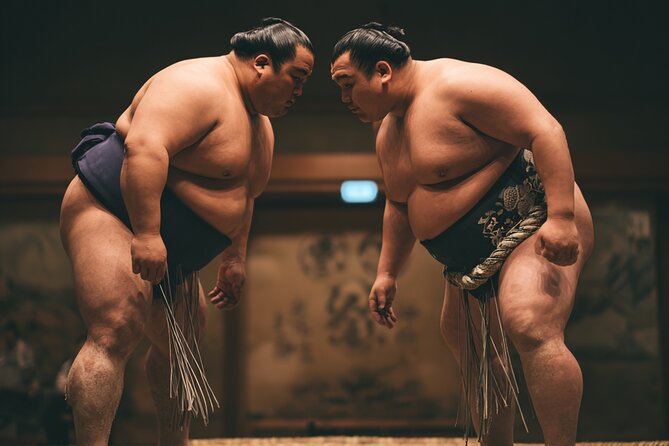
Sumo, close enough to feel it. The Shinjuku Sumo Club gives you dohyo-level views in a small room, with a bilingual MC walking you through what you are seeing and why it matters.
What I like most is how the night mixes real sport with real audience participation. The atmosphere stays fun and easy to follow, even if this is your first time learning sumo.
You will also get hands-on moments, not just a sit-down show. The Sumo Challenge lets you test your strength in the ring and join the photo moment with the wrestlers at the end. Still, set expectations: the program can feel shorter and more demo-like than a full tournament-style match day, and the included drink often amounts to just a bottle of water.
Key highlights worth knowing
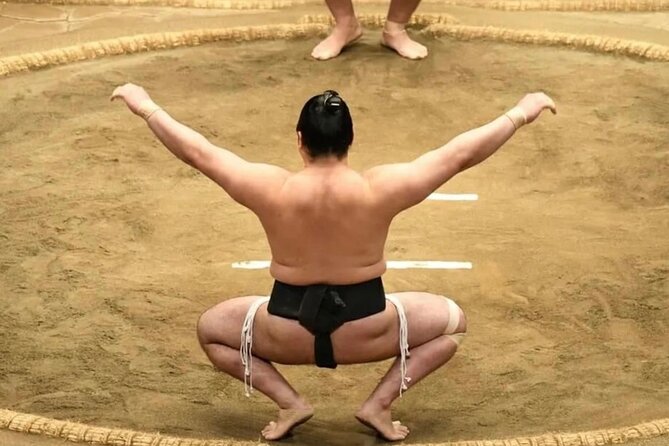
- Small seating around the dohyo keeps the show personal, with capacity around 50 people.
- Bilingual storytelling makes the rituals and rules easier to grasp fast.
- Live bouts plus audience participation includes a Sumo Challenge you can join.
- Photos and meet-and-greet happen at the end, with everyone getting a chance.
- The included drink is basic (often a bottle of water), with other drinks sold separately.
- The show can feel staged to some people, so think educational and interactive, not tournament length.
Inside Shinjuku Sumo Club: what the night actually feels like
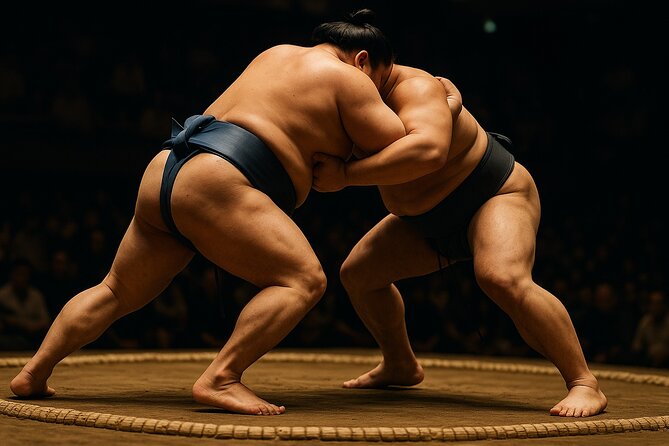
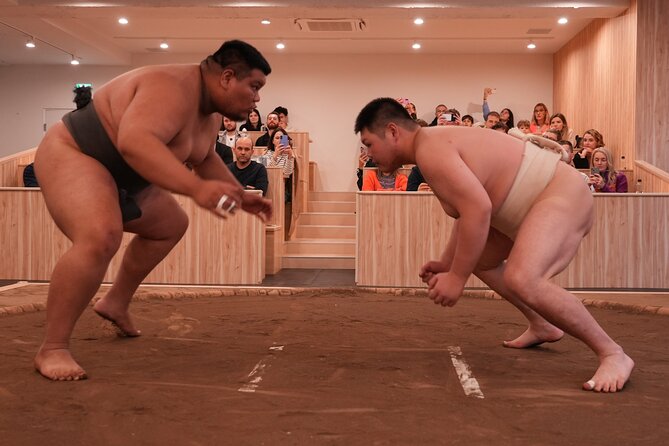
This is sumo designed for real people, not for screens. The Shinjuku Sumo Club is built around one core idea: you watch from very close to the ring. With limited capacity, nobody is stuck in the back row, and you can see details like footwork, grips, and that tense pause before a bout turns.
The tone is friendly and international-friendly. The MC runs things in two languages, so the traditions do not fly over your head. You get enough context to follow what matters, and then you get to try something yourself.
The vibe is also slightly theatrical, in a good way. Sumo has ceremony, discipline, and strong rules, but this setting keeps it accessible. If you want a big arena tournament where everything is strict and formal, this is different. Think “small venue, close up, learn as you watch.”
More Tokyo tours and experiences for the shortlist

Finding the meeting point near Ōkubo and getting seated fast
The show starts at a specific spot in Shinjuku’s Ōkubo area: SEKISAKU BLDG, 2-chōme 522, Ōkubo, Shinjuku City. It ends back at the meeting point, so you do not have to plan a separate finish.
The location is near public transportation, which is a big deal in Tokyo. You do not want a complicated trek after a long day of walking. Plan to arrive early enough to settle in before the MC starts, since seating around the ring is limited.
One practical note from real experience: there can be stairs, but an elevator is available to the floor. If you want to avoid stairs, look for the elevator route when you arrive.
Seating around the dohyo: why the limited size changes everything
This is not a huge arena setup. The club seats about 50 guests per show, which means you get a clear view from almost anywhere you sit. That matters because sumo is not just “two people collide.” It is balance, timing, and control, and those details get lost when the ring is far away.
Close seating also changes how you listen. When the MC explains a ritual or strategy, you can look at the wrestlers and connect the story to what you are seeing. You are less likely to think, “I understand the idea but not the action.”
If you are traveling solo, you still get the benefit. You are not hiding behind a large crowd, and you will notice the rhythms of the room. If you are with friends or coworkers, it is easier to stay together because the group stays in one compact space.
The bilingual MC and the rituals you will actually recognize
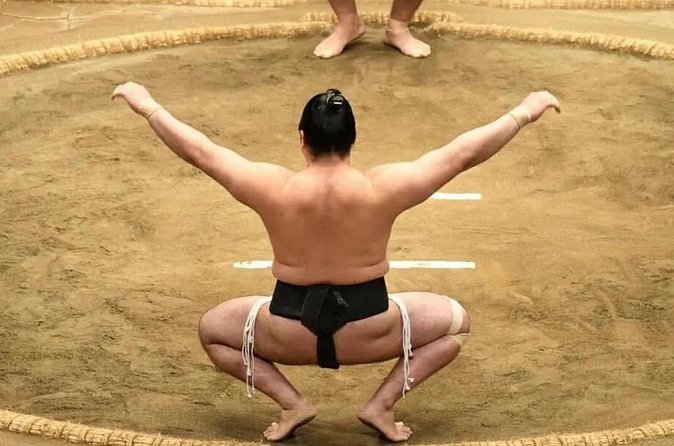
The best part of this experience is the instruction that comes with the performance. A bilingual MC brings the culture to life, and you get a quick path into what sumo looks like when you know the basics.
You will hear explanations tied to specific moments, including:
- salt and the idea of purification
- the training lifestyle behind the sport
- match strategies and what wrestlers try to do in key phases
- Q&A opportunities later, so you can ask what you still do not get
A real standout in the delivery is the announcer named Manny. His explanations land well because they are not just facts, they are timed to what is happening on the dohyo. You get the feeling of an informal lesson, not a lecture.
If you want the cultural side, this is where the value is strongest. You leave with a mental checklist for what you saw: the routines, the purpose, and how the wrestlers move.
Watching pro bouts: how to follow the action without getting lost
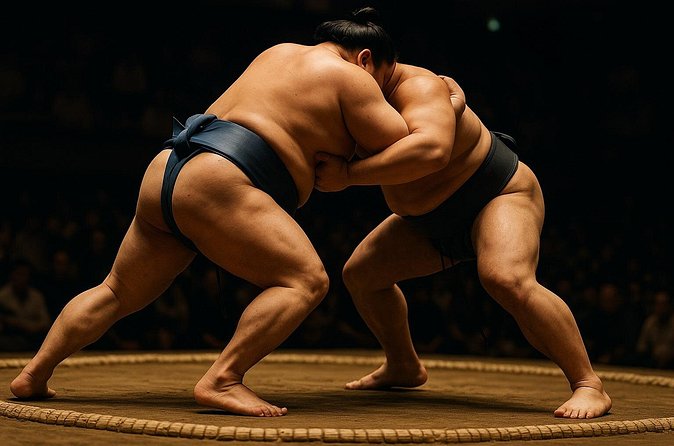
After the intro, professional wrestlers demonstrate bouts with live commentary. The commentary matters because sumo has its own language of movement. When you understand what to watch for, the sport becomes much more enjoyable.
Here is what helps you follow along during the match segment:
- Watch for positioning first, not impact. Many moments are about gaining leverage.
- Pay attention to how the wrestlers set their feet. Balance is the whole game.
- Listen to the commentary, because it tells you what the grips and stances are trying to accomplish.
The program continues with more matches and traditional ceremonies. The exact mix can vary by run of show, but the flow is consistent: explanation, demonstration, then audience participation.
One caution: compared with a tournament day, you may feel the bouts are more condensed. Some people come in expecting longer, full tournament-style contest time. If that is your priority, you might judge the night as shorter or more “demo-like.” If your goal is understanding plus interaction, it tends to land better.





The Sumo Challenge: your chance to step into the ring
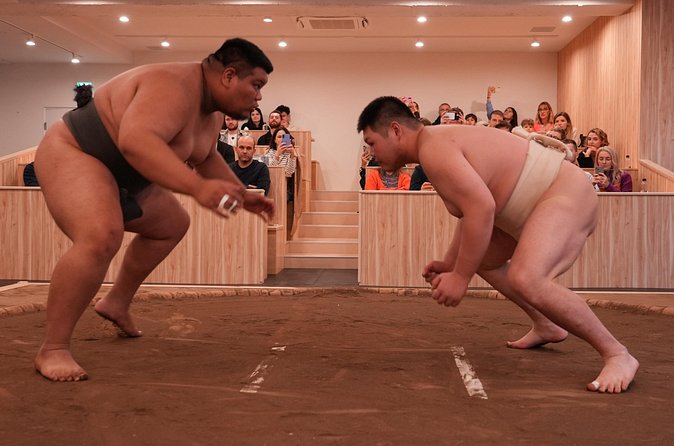
This is the part that makes the whole evening feel worth it. The Sumo Challenge puts you in the ring for a playful strength-and-balance test. It is not just a gimmick, either. Being that close makes you understand why sumo is hard, even in simple form.
There are audience participation elements built into the show. In one run, only a small number of volunteers got selected, and the choice felt like a lottery, so not everyone who wants to join will get picked. The good news is that the interaction does not end there. You can still watch, learn, and soak up the energy from ringside.
Also, pay attention to the photo moment that comes with it. The wrestlers are typically friendly and patient during these parts, which makes the challenge less intimidating and more fun. If you are the type who likes memorable “I did it” moments, this is where you get it.
Photos and meet-and-greet: what you get at the end
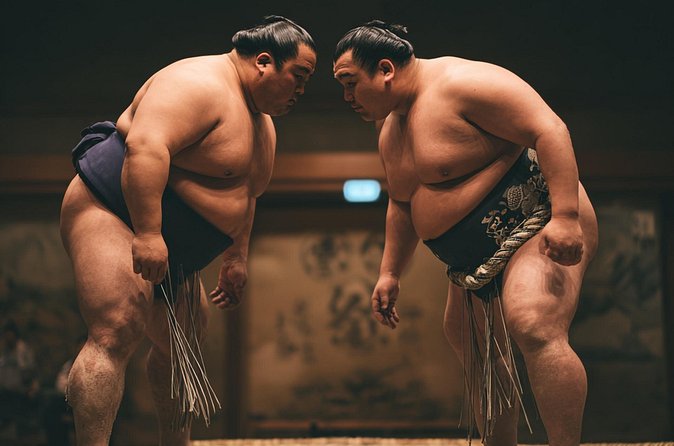
The show ends with a photo session and a meet-and-greet with the wrestlers. Multiple reviews point to the same outcome: you get a chance for photos with the wrestlers, and the friendliness helps it feel relaxed instead of stiff.
A practical way to get the best results:
- Keep your camera ready before the photo segment begins.
- Decide beforehand if you want solo shots or quick group shots.
- Stand where the staff indicates, so you are not rushing at the last second.
Photos are not just souvenirs here. They are a visible marker that you were part of the close-up experience, not just a spectator in a theater.
If you are traveling with a partner or a small group, this ending also gives you an easy way to collect everyone’s pictures without chasing different meeting times later in the night.
Drinks included and what that means for your budget
The price is $70 per person, and the included drink is often a bottle of water. That is fine if you just want something basic, but it is worth knowing so you do not feel surprised when you want something more.
Some people mention that other drinks are for sale, so if you want a soda, tea, or anything beyond water, you will likely pay extra.
This is a simple value question. You are not paying for a sit-down beverage and long tournament length. You are paying for:
- close seating around the ring
- bilingual explanation
- live bouts plus ceremonies
- the chance to step into the ring with the Sumo Challenge
- a photo moment with wrestlers
If you care about the interaction and photos, the price can feel justified for Tokyo. If you only want long, dramatic match time, it can feel steep compared with what you might expect from a traditional event day.
Price and logistics: how the 90 minutes shapes the value
The program runs about 1 hour 30 minutes. That timing is actually a plus for many visitors. It fits well into an evening in Shinjuku, and it avoids the “all night” commitment that can mess up dinner plans or other stops.
With a maximum of about 50 people, the show avoids that feeling of being swallowed by a crowd. The MC can speak to the group, volunteers can be selected without chaos, and photos can happen efficiently.
Your practical planning checklist is straightforward:
- Set aside enough time to arrive before the program begins.
- Bring a charged phone or camera for the photo segment.
- Expect a short, focused schedule that moves quickly from intro to action to participation.
If you are comparing options, do it based on your priorities. This show is about closeness, explanation, and doing something, not about hours of nonstop tournament bouts.
Who should book this Shinjuku sumo show, and who might skip it
I think this experience is best for three types of people:
- First-timers to sumo who want the rules and rituals explained right as they watch.
- Travelers who love interactive shows and want a real chance to step into the ring for the Sumo Challenge.
- Photo-minded groups who want a fun, structured end-of-night souvenir that feels more personal than a generic tourist stop.
You might want to think twice if:
- You only want the length and pace of a tournament. This club show can feel like demonstrations rather than a full-day bracket.
- You are very sensitive to the idea of a staged performance. Some people feel the format is designed for visitors.
- You are expecting an included drink that is more than a bottle of water.
The good thing is the trade-off is clear. You get closeness and participation in return for shorter match time.
Tips to make your evening smoother in Shinjuku
Tokyo can be a maze at night, so a few small choices help.
- Arrive a little early so you are not rushing to find your seat.
- Wear comfortable shoes. Even though you are seated, you may move for the challenge and photos.
- Bring cashless payment if you plan to buy drinks, since non-water options are sold separately.
- If you prefer lower-stress stairs, use the elevator route if you see it.
- During the MC segment, watch the ring first, then listen. The explanations land better when you can connect words to movement.
Also, keep your expectations realistic. This is a night where you learn and participate. It is not a full-length tournament experience.
Should you book this Shinjuku sumo show
If you want an easy, high-value intro to sumo with a bilingual MC, close seating, and an actual chance to try the sport, I say book it. The format is designed to be understandable fast, and the end photo moment makes it feel like more than just entertainment.
I would skip it only if your main goal is long, tournament-style match time, or if you strongly dislike any sense of showmanship. In that case, you might feel the program is too short and too structured.
For most visitors, the best way to judge it is this: you are paying for proximity, explanation, and participation in about 90 minutes, and you come away with both understanding and photos with real wrestlers.
FAQ
How long is the Shinjuku sumo show?
The experience runs about 1 hour 30 minutes.
How many people are in each show?
The maximum group size is 50 travelers.
What is the price per person?
It costs $70.00 per person.
Where do I meet for the tour?
The meeting point is SEKSISAKU BLDG, 2-chōme 522, Ōkubo, Shinjuku City, Tokyo, 169-0072.
Is there a mobile ticket?
Yes, the ticket is a mobile ticket.
Will there be English or bilingual guidance?
The MC is bilingual, so you get explanations in more than one language.
Can most people participate in the activities?
Most travelers can participate.
Do I get a drink included in the price?
The included drink is often described as a bottle of water. Other drinks may be for sale.
Is there a photo session at the end?
Yes, the experience includes a photo session and a meet-and-greet with the wrestlers at the end.
Is free cancellation available?
Yes. You can cancel up to 24 hours in advance for a full refund.
More Shows & Entertainment in Tokyo

More Tour Reviews in Tokyo
Not for you? Here's more nearby things to do in Tokyo we have reviewed












Shinjuku Tours, side by side.
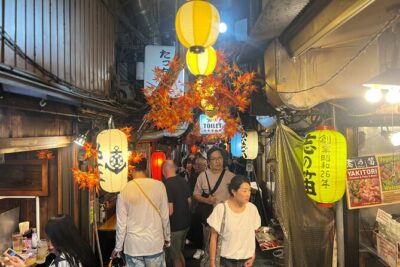 ★ 5.0Shinjuku Food Tour (13 Dishes at 4 Local Eateries)From $866,603 reviews
 ★ 5.0Tokyo Bar Hopping Tour in Shinjuku (All-You-Can-Drink + Dinner)From $1063,587 reviews
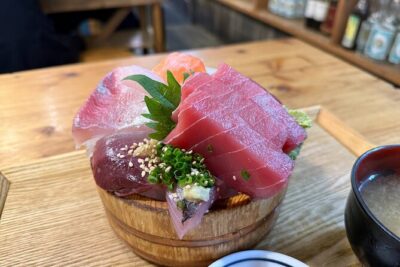 ★ 4.9Shinjuku Food Tour (15 Dishes and 4 Eateries)From $852,033 reviews
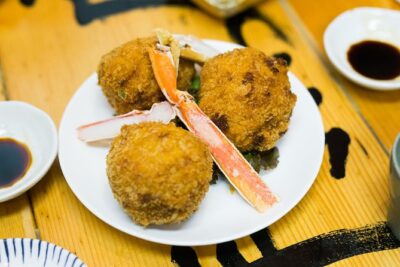 ★ 5.0Best of Shinjuku: Izakaya Food Tour (4 Stops, 14+ Tastings)From $921,863 reviews
 ★ 4.9Shinjuku Local Bar and Izakaya Guided Walking TourFrom $341,794 reviews
 ★ 5.0Tokyo Shinjuku Chopsticks Making ClassFrom $201,763 reviews
 ★ 5.0Tokyo Shinjuku Sumo Show & Experience with PhotoFrom $791,750 reviews
 ★ 5.0Tokyo Night Foodie Tour in Shinjuku – Seasonal Sushi, Wagyu BeefFrom $1111,161 reviews
This tour also belongs to