
Review · TOKYO SUMO EXPERIENCES
Tokyo Sumo Morning Training/ Sumo Practice with Wrestlers
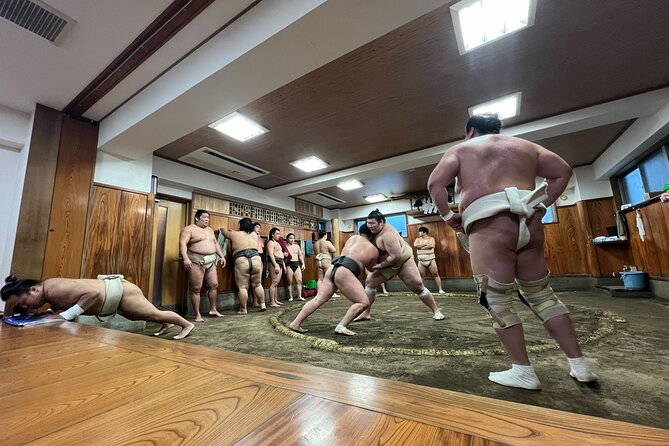
Sumo feels closer than you think. This Tokyo visit gets you into a real sumo stable to watch daily practice up-close, with a guide along the way and chances to ask questions. I also like that you finish with a photo with a sumo wrestler, which makes the experience feel memorable, not just observational.
The trade-off is comfort and timing. The morning session can run a bit shorter or longer depending on what’s scheduled, and some stables have no chairs, meaning floor sitting in a quiet, concentrated setting. Dress for early-morning chill and be ready for strict etiquette.
Key things to know before you go
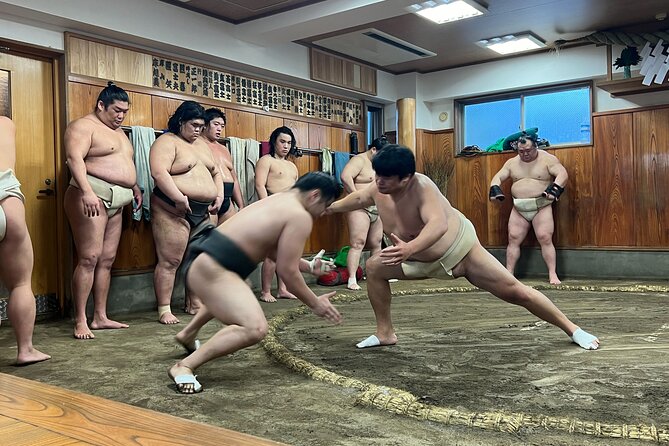
- Real stable access to watch training at a sumo stable in Tokyo, not a staged demo
- Guide-led explanations and Q&A while you’re in the flow of practice
- Photos are allowed without flash or disruptive camera sounds, but videos are not allowed
- No leaving mid-practice, and once you exit the stable area, you cannot re-enter
- Women can watch fully, but not enter the dohyō (the ring), from designated seating
- Men remove shoes before stepping onto the dohyō
A Morning at a Real Sumo Stable, Not a Scripted Show
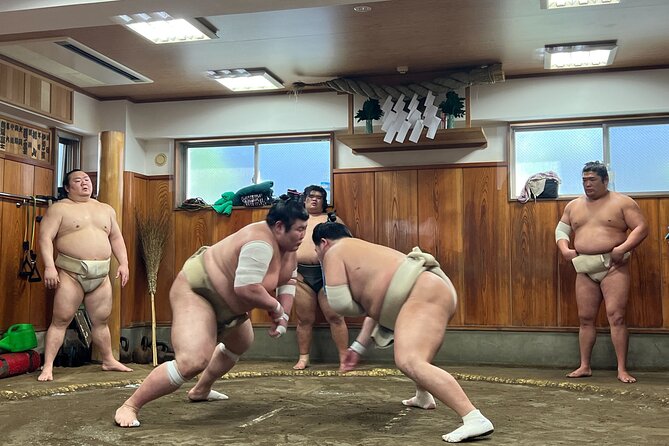
If you like sports, this kind of tour hits differently. You’re not watching a match, you’re watching the work. The best part is that the setting is the stable itself, where training happens daily, and you get a guide to help you understand what you’re seeing.
I also appreciate how respectful the format is. You’re asked to watch quietly, keep your phone silent, and avoid anything that would break a wrestler’s focus. That turns it from a sightseeing stop into something closer to learning a discipline.
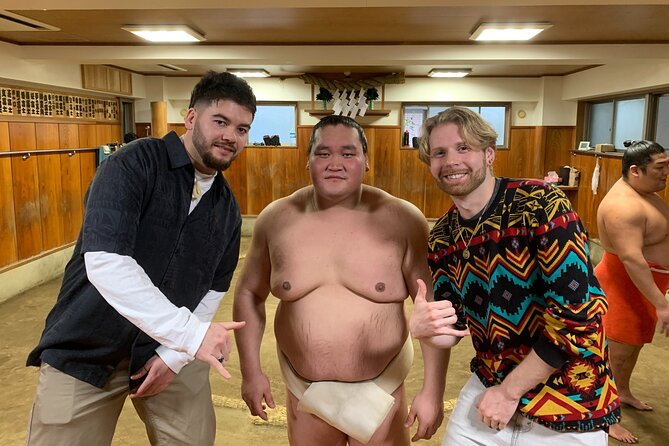
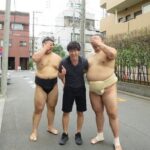
And yes, the photo at the end matters. Several tour highlights point to wrestlers posing afterward, so you leave with proof that you were there, not just a few blurry “I think it was sumo” pictures.
More Tokyo tours and experiences for the shortlist
Where You Meet in Sumida and Why Timing Can Shift
You meet at 1-chōme-2-8 Chitose, Sumida City, Tokyo 130-0025, Japan, and the tour ends back at the same place. It’s described as near public transportation, which is exactly what you want for an early-morning activity.
One practical detail: the exact location and start time can vary by tour date. After booking, you should receive the specific meeting point and time, so don’t assume every departure is identical. If you don’t get a message from Japan Wonder Travel, the guidance is to contact them.
Also plan for length changes. The experience is listed at about 1 hour, but the practice content can make it slightly shorter or longer, especially around a Grand Tournament period. Translation: don’t schedule a super tight train connection right after, and keep your morning flexible.
Stop 1: The Sumo Intro Before You Head to the Stable
In the first stretch, you meet your guide and listen to an explanation about sumo, then you head toward the stable. This briefing matters more than it sounds. When you know the basics, you notice the details: the pacing, the intensity, and the discipline that makes sumo more than just a single bout.
There’s also a “start strong” rule built into the logistics. You’re told to use the restroom before arriving at the meeting point. That’s not trivia. It prevents a rushed scramble that could mess up your seat timing once you’re inside.
And because the tour is short, the briefing is meant to get you oriented quickly. That can be great if you want a focused experience, but it also means you’ll get the most value if you show up on time and attentive.
Stop 2: Watching Training Inside the Stable, Up Close
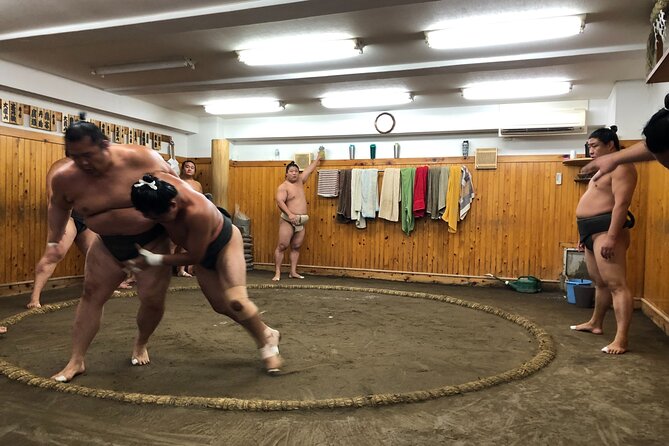
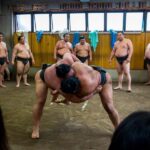
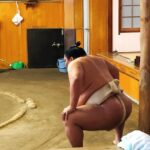
Then comes the main event: you enter the sumo stable and watch the wrestlers go through their daily routine. The emphasis is on quietly observing with respect. You’re in a working space with athletes preparing for their day, so the tone is calm and controlled.
What makes this part special is the “close-up” factor. You’re not standing behind barriers from far away. You’re positioned to see training as it happens, and your guide is there to help connect what you’re seeing to the sport’s rules and culture.
That said, keep your expectations realistic. Sumo practice is training, not a highlight reel. Some feedback complained about limited action or not feeling like a full tournament moment. If your goal is non-stop dramatic bouts, you might find practice less explosive than you imagined. If your goal is to understand the craft behind the sport, this is the right mindset.
Stable Etiquette Rules You Really Do Need to Know
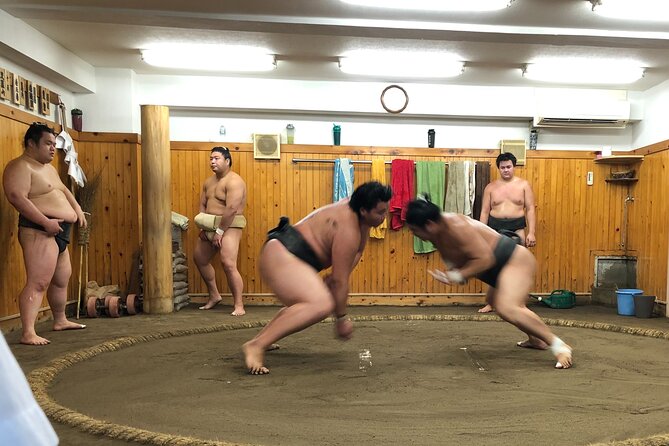
This tour runs on good manners, and the rules are clear for a reason. Break them and you risk disrupting the session, which is exactly what the stable culture tries to avoid.
Here are the big ones to lock in before you go:
- Phones must be on silent. Not vibrate, not ring, silent.
- Eating is not allowed inside. Water and sports drinks are allowed.
- No leaving the stable during practice. Once you leave, you cannot re-enter.
- Be careful not to interfere with the wrestlers’ concentration.
- Do not stretch your legs toward the ring. Showing the soles of your feet is considered impolite.
- Photos are OK, but without flash or shutter sounds. Videos are not allowed.
One more comfort note comes up in the rules. Some stables may not have chairs, and you may have to sit on the floor. That’s not a small detail. Plan your clothes and footwear to handle quiet sitting. If you have knee or back issues, this is the kind of activity where you’ll feel it.






Shoes and the dohyō rule (ring access)
For a lot of visitors, the most important cultural detail is the dohyō entry rule.
- Men must remove their shoes before stepping onto the dohyō.
- Women are welcome, but female participants are not permitted to enter the dohyō due to cultural and religious traditions at the facility. Women can fully participate from designated seating areas.
So even if you can’t step into the ring, you can still take part in the training experience and watch with the rest of the group.
The Guide Experience and Q&A Along the Way
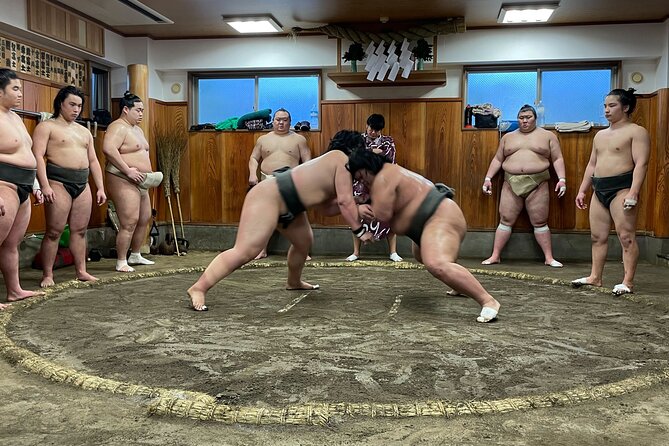
A major reason this tour scores so well is the human part. The format is guide-led from start to finish, with explanations before you watch and support while you’re inside.
Several highlights emphasize that the guide helps you understand the sport, including history, rules, and what daily training looks like. In one example, English commentary was delivered through a headset, which can be a lifesaver in the kind of spaces where noise and timing make normal conversation hard.
Even better, you’re encouraged to ask questions as you go. That turns the visit into something interactive, not just passive observation. If you’re a sumo fan, it helps you connect details you might not catch on your own. If you’re new, it prevents the experience from feeling like random tradition with no meaning.
The one drawback to watch for is that some guests found the pre-practice briefing hard to hear if it’s done somewhere noisy. That’s not something you can control, but you can control your approach, arrive a few minutes early when possible, and be ready to focus.
The Photo With a Wrestler: What to Expect and How to Prepare
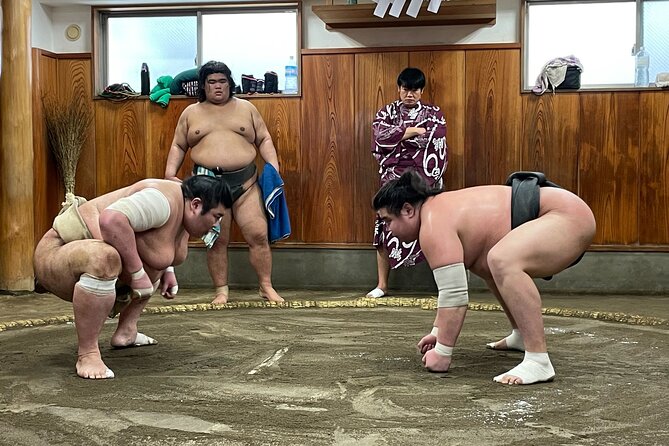
This tour includes a photo moment with a sumo wrestler, and that’s one of the most praised parts. The experience typically ends after the practice with a chance to connect and get that memory.
To make this run smoothly, think ahead about camera behavior. Photos are allowed as long as you avoid flash and disruptive camera sounds. No videos. So set your phone or camera to silent shutter mode, or use whatever settings your device offers to reduce noise.
Also, keep in mind the “no leaving and re-entering” rule. It reinforces the idea that you should stay through the full session until it’s time for the photo portion. Treat the stable visit like a single continuous event.
Price and Value: Is $99.10 Worth It?
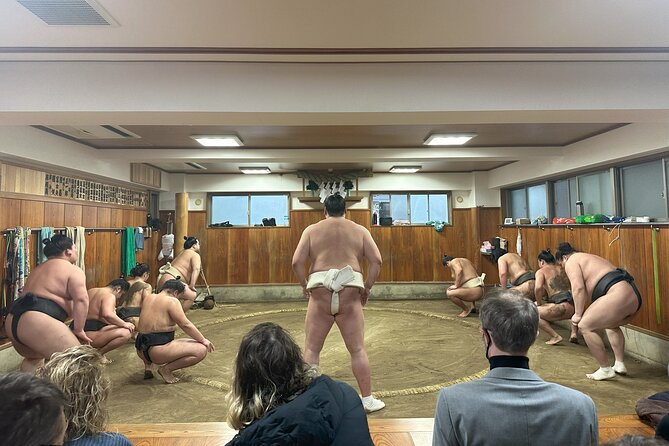
At $99.10 per person, this is not a cheap add-on. You’re paying for access to a real stable and for someone to translate the experience in a respectful, organized way.
Here’s what you’re buying for the money:
- Stable entry and guided observation during practice
- English support through explanations and live Q&A
- A photo with a wrestler afterward
- A small group limit, maximum 25 travelers, which helps keep the experience controlled
So when does it feel like good value? When you want authenticity and you’re interested in learning how wrestlers train. Several very strong ratings highlight watching training up close, learning the rules and training routines, and feeling the intensity and discipline of what they do.
When might it feel overpriced? The criticisms are consistent: if you expect a long stretch of full-on sparring, if you want more time in the ring, or if the day’s practice content feels different than you hoped, you may feel the balance is off. Also, one cancellation complaint shows that schedule changes can happen and disrupt plans.
My practical take: this is worth it if you show up with the right expectations. Treat it like a behind-the-scenes training observation with cultural context, not as guaranteed tournament action.
Who This Tour Fits Best (and Who Might Not Love It)
This is a strong fit if you:
- Like sumo as a sport and want to see how practice works
- Enjoy small cultural experiences with strict etiquette and clear rules
- Prefer guided explanations over wandering without context
- Want a real Tokyo-stable interaction and a photo afterward
It may feel less ideal if you:
- Want lots of flashy action rather than practice routines
- Hate sitting on the floor, especially for any length of time
- Need constant movement to stay engaged, since the format is intentionally quiet
- Are very sensitive to comfort and early-morning chill
Should You Book This Tokyo Sumo Training Tour?
Book it if you want the closest thing to “watching training in real life” without the guesswork, and you’re happy to follow the stable rules and etiquette. The combination of stable access, a guide who explains what you’re seeing, and the photo moment is exactly the kind of value that makes sumo tours memorable.
Skip or reconsider if your top priority is tournament-style bouts and non-stop wrestling. Practice can be intense but it’s still training, and on some days the amount of visible action may not match what you hoped. Also factor in comfort, because floor seating and early-morning timing can be the biggest test.
If you’re flexible, curious, and respectful, this is the kind of morning Tokyo trip that gives you stories you’ll actually tell.
FAQ
How long does the sumo morning training tour last?
The experience is listed at about 1 hour. The practice content can make it slightly shorter or longer, and it may end earlier than usual around Grand Tournament timing.
Where is the meeting point in Tokyo?
The meeting point is 1-chōme-2-8 Chitose, Sumida City, Tokyo 130-0025, Japan, and the tour ends back at the same location.
Do I get a ticket by phone?
Yes, it uses a mobile ticket.
What are the photo and video rules?
Photos are allowed without flash or shutter sounds. Videos are not allowed.
Can I eat during the stable visit?
Eating is not allowed inside the stable. Water and sports drinks are allowed.
What happens if I leave during practice?
You cannot leave the sumo stable in the middle of the practice. Once you leave the stable, you cannot re-enter.
Are women allowed, and can they enter the dohyō?
Women are welcome on the tour, but they are not permitted to enter the dohyō. Women can fully participate from designated seating areas.
Is there free cancellation?
Yes. You can cancel for free up to 24 hours in advance for a full refund.
More Morning in Tokyo
More Tour Reviews in Tokyo
Not for you? Here's more nearby things to do in Tokyo we have reviewed












Tokyo Sumo Experiences, side by side.
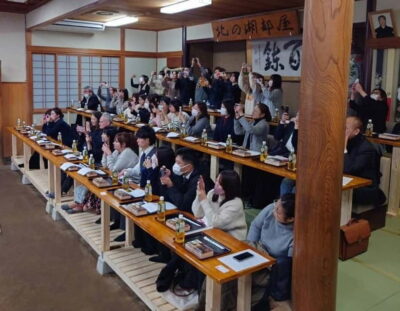 ★ 4.8Sumo Show and Dining ExperienceFrom $792,742 reviews
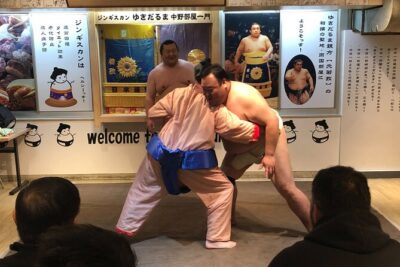 ★ 5.0the SUMO showFrom $891,960 reviews
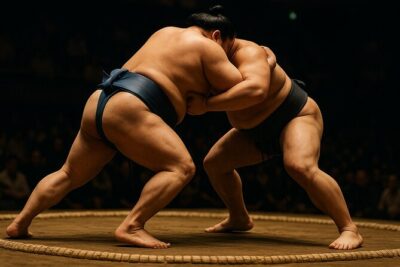 ★ 5.0Tokyo Shinjuku Sumo Show & Experience with PhotoFrom $791,750 reviews
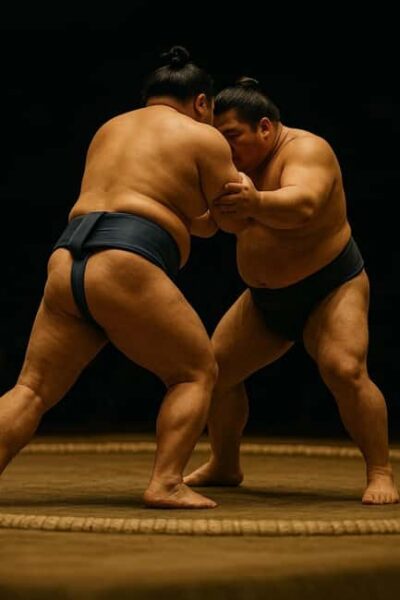 ★ 4.8Sumo Show and Experience in ShinjukuFrom $691,001 reviews
 ★ 4.7Luxury Sumo Show Experience & Japanese cuisine & DrinkFrom $103577 reviews
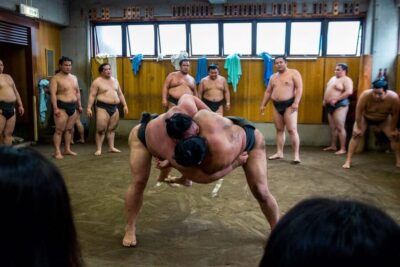 ★ 4.8Sumo Morning Practice Viewing TourFrom $81570 reviews
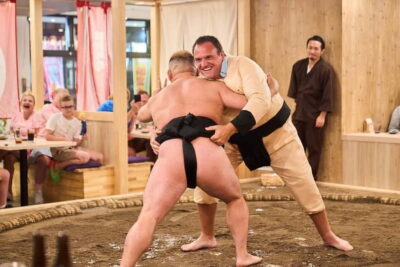 ★ 4.8Tokyo Sumo Experience: Chanko & Mochi with a Former ProFrom $103567 reviews
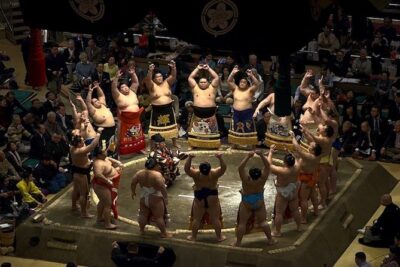 ★ 5.0Ultimate Sumo Tournament: Tokyo, Osaka, Nagoya, FukuokaFrom $184468 reviews
This tour also belongs to