
Review · TOKYO SUMO EXPERIENCES
Tokyo Sumo Experience with Live Show & Audience Challenge
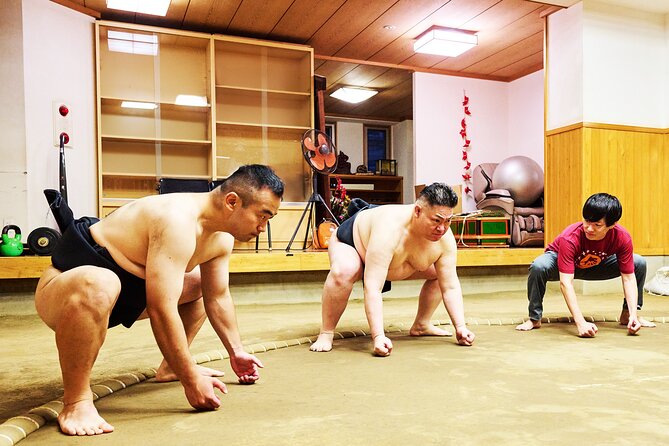
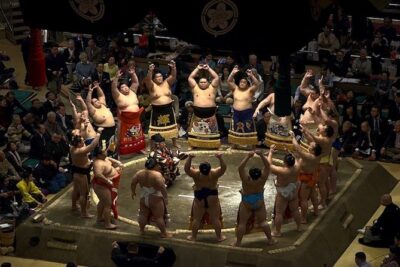
First, sumo feels louder when you’re this close. This Tokyo experience brings you inside an authentic stable run by retired wrestlers, where you learn the meaning behind the rituals and then get a chance to try sumo yourself. I especially like the cultural focus (not just action), and I love that you can jump from watching to participating. One thing to consider: it’s not a big wrestling show. You’re there for tradition and explanation, and that’s the real payoff.
You’ll also want to plan for the stable rules. Photos are allowed, but respect the culture by avoiding online posting, and if you join the ring, wear clothes that can get dirty. Another practical note, important for planning with family: women can’t enter the ring as part of the tradition, so the audience challenge is mainly for those who are eligible.
Quick takeaways
- Authentic sumo stable setting with retired wrestlers preserving traditional customs
- One-round match plus live demonstrations that teach what to look for
- Audience challenge inside the ring for eligible participants, with clothes that may get dirty
- Culture-first learning with lots of history and context built into the show
- English-speaking guide (Ayaka) who makes it easy to follow along
- Small group size (max 40), which helps you actually participate
Inside a Real Tokyo Sumo Stable
Tokyo sumo can feel far away when you only see highlights online. What makes this experience work is the setting: it’s performed in an actual sumo stable, not a theater-style replica. The show is handled by retired sumo wrestlers, which changes the vibe. You get a more grounded, traditional feel, and you’re learning from people who actually lived the routine.
In this stable environment, the rituals matter. You’ll get time to understand why things are done in certain ways, not just what happens in the ring. That’s why this experience tends to land well with both adults and kids, as long as you’re open to learning as much as watching.
More Tokyo tours and experiences for the shortlist

The One-Round Match, Up Close
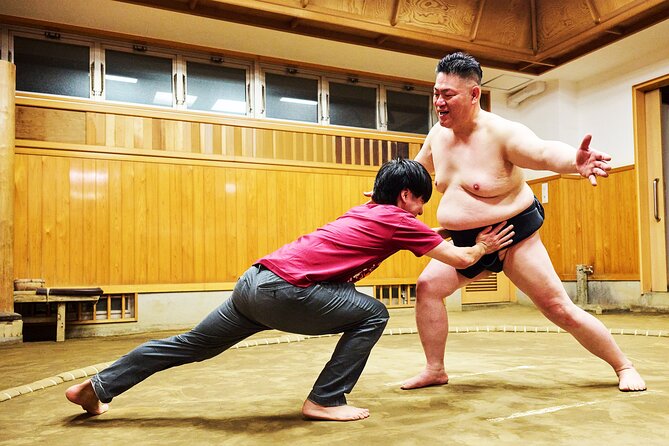
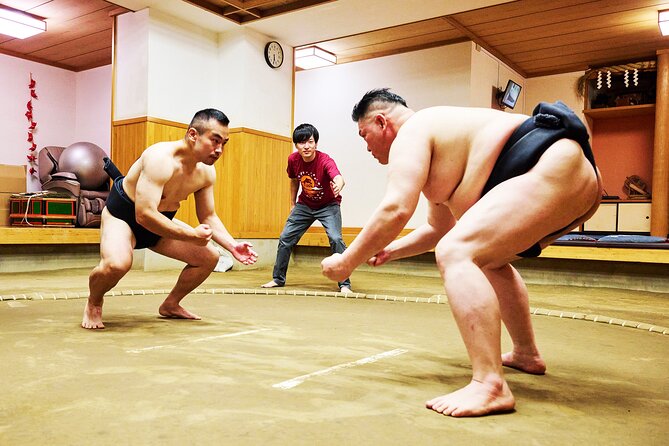
The core show is built around an intense one-round bout. Even if you’re new to sumo, you’ll have a clearer idea of what the match means once someone explains the fundamentals and the rhythm of the action. A one-round format also helps because it keeps the pace tight, and you’re not stuck waiting through long stretches where your attention drifts.
Up close, you also notice how physical it feels. Sumo isn’t just about size. You see how balance, timing, and foot placement drive the outcome. And when you know a bit about what to watch, you’ll find it more fun instead of just watching people shuffle.
A practical benefit for families: a shorter match style fits a group setting better. Kids often do well when they can track the storyline without sitting through too many slow segments.
Stepping Into the Ring: Audience Challenge Rules
One of the most memorable parts is the chance to enter the ring as part of the audience challenge. This is where the show stops being only educational and turns playful. If you’re the type who learns best by doing something, you’ll likely enjoy this most.
There’s a major rule to plan around. As part of tradition, women cannot enter the ring. So if you’re traveling as a mixed group, set expectations early so everyone knows what to expect. The rest of the audience can still watch and engage with the process, but the ring time is limited by custom.
If you do get the chance to participate, be ready for practical realities. The guidance is simple: wear clothes that can get dirty. That might mean staining from the ring area or just the nature of the activity. I’d rather you come dressed for a little mess than worry about “keeping things clean” on the day.
Culture and History That Makes Sumo Make Sense
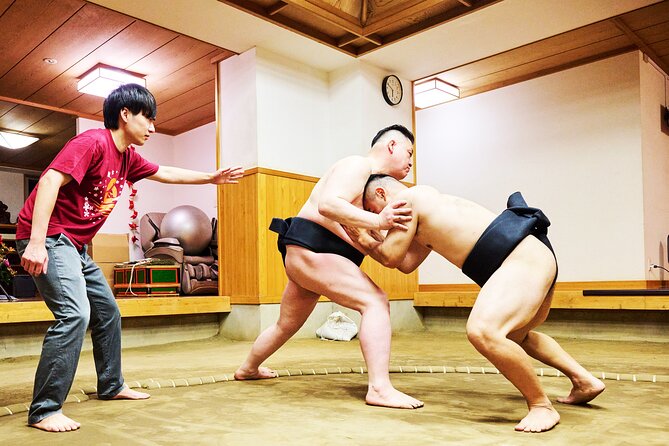
If you’re choosing this experience for pure match time, you might be slightly surprised. The best version of this tour leans hard into history and culture, not endless wrestling. The result is that you leave understanding why sumo is treated like national sport and tradition, with rules, etiquette, and meaning wrapped into daily practice.
This “more culture, less wrestling” approach is a real value, especially if you don’t already know sumo terms. You get context for everything you see, from the stable atmosphere to why the show feels ceremonial. For kids, that context helps the experience feel like a story. For adults, it makes the sport feel deeper and less random.
In other words, you’re not just watching people fight. You’re learning how sumo works as a system, with respect at the center.
The Guide Factor: English Support With Ayaka
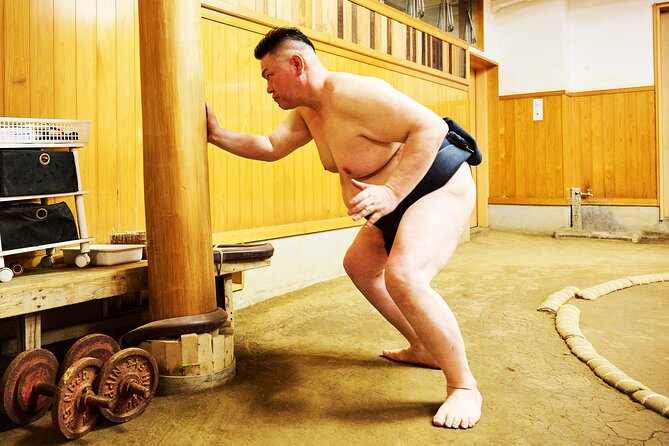
Having an English-speaking guide is the difference between “cool” and “I actually get it.” The experience includes a guide, and the reviews specifically praise the host experience, including Ayaka. When your guide explains what you’re seeing in plain language, it makes the rituals easier to follow and the ring challenge less intimidating.
I like that the guide doesn’t just narrate from the sidelines. The show is structured so your group can understand the flow, ask questions if you have them, and feel included in the learning. That matters because a stable environment has its own pace. Without support, you might miss the meaning behind what seems like small actions.
If you’re traveling with family, this kind of guide-led clarity is gold. Kids can’t always read between the lines, and adults get bored when they don’t understand the story. A good host keeps everyone tracking.





Price and Duration: Does $84.78 Feel Fair?
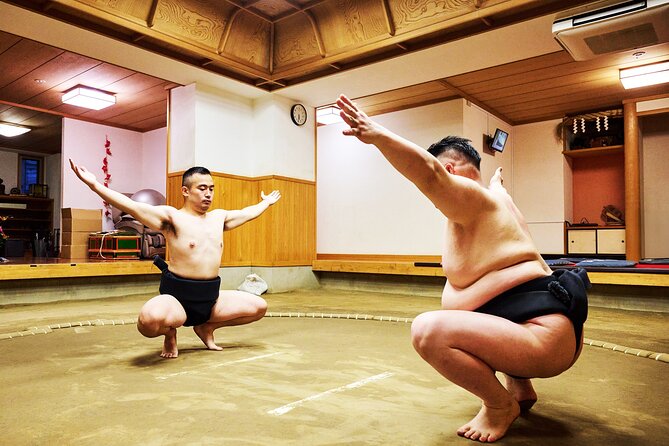
The price is $84.78 per person, and the experience runs about 1 hour 30 minutes. For a live show inside an authentic stable with an English-speaking guide and an audience challenge component, that price is easier to justify than you might expect.
Here’s the practical way to think about value:
- You’re paying for access to a real stable setting, with retired wrestlers and a guided experience in English.
- You get more than passive viewing because the audience challenge lets eligible participants step into the ring.
- Your time commitment is short enough that it fits easily into a Tokyo day.
What could affect your personal value calculation is your preferences. If you’re chasing a long, nonstop competition-style spectacle, this might feel short. If you want cultural context and a hands-on moment, 90 minutes is a sweet spot.
Also, the group size caps at 40 travelers. That matters because it usually means you can hear, see, and interact without the chaos you sometimes get in larger shows.
How the Stable Rules Affect Your Planning
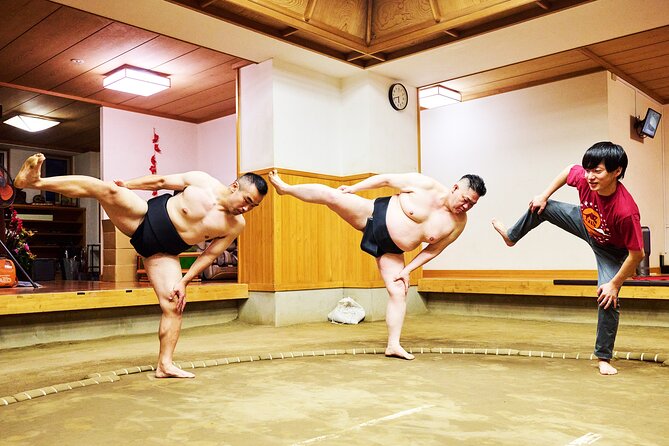
A few details can make or break your experience, especially if you’re bringing kids or you care about respectful behavior.
- Women can’t enter the ring. This is not a “maybe” rule. If ring participation is a key goal for your group, plan around it.
- Photos are allowed, but don’t post online. The guidance is to avoid uploading photos out of respect for culture. If you’re the type who loves Instagram, keep that urge in check during the show.
- If you join the ring, wear suitable clothes. You should expect the possibility of getting dirty.
These rules are part of why this experience feels authentic. You’re not in a theme park reenactment. You’re in a place with customs, and the tour is designed to respect them.
Meeting in Koto City and Using Your Mobile Ticket
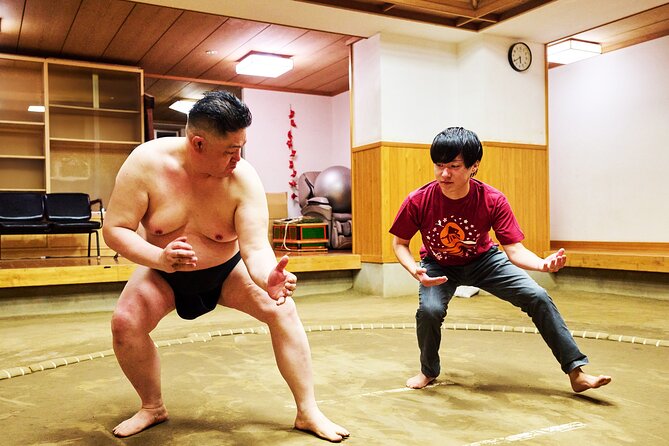
The experience meets at a specific address in Koto City, in Kiyosumi. It’s also described as being near public transportation, which is good news because Tokyo neighborhoods can eat time if you’re relying on taxis.
You’ll receive a mobile ticket, which makes it simple on arrival. Mobile tickets are useful when you’re walking around with a phone anyway, and it avoids the hassle of printing or finding a paper voucher.
One more thing: the reviews mention it can be easy to find when you have a helpful host. That lines up with what you want from a meeting point in a working neighborhood. If you arrive a bit early, you’ll likely settle in faster and avoid the stress that can dampen a family outing.
Who This Sumo Experience Fits Best
This is a great choice if you want sumo to feel like culture, not just a sport event. It also fits well if you like activities that give you one memorable moment of participation rather than an all-day commitment.
Here’s who will likely love it:
- Families with kids who benefit from story and explanation
- First-timers who want a quick, understandable introduction to sumo
- People who enjoy hands-on challenges, with a clear activity-based payoff
- Travelers who want something that feels local and traditional, not just spectacle
If your travel style is “only competitive action,” you may find the emphasis on history and rituals takes more space than you expected. But even then, the one-round bout plus the ring challenge can still make the event satisfying.
Should You Book This Tokyo Sumo Show?
Book this if you want sumo up close inside a real stable, with English guidance, history context, and a chance to try the sport. The best reason to choose it is the balance: you get tradition and explanation, then you get a real, physical audience challenge moment for eligible participants.
Skip it only if you specifically want a long, wrestling-heavy spectacle, or if ring participation is essential for a member of your group who is not eligible under the stable’s customs. If your group can adjust to the ring rule, this is one of those Tokyo experiences that’s short enough to fit your schedule and memorable enough to feel worth the time.
FAQ
How long is the Tokyo sumo experience?
It runs about 1 hour 30 minutes.
Where does the experience take place?
It takes place in Tokyo at a real sumo stable, and it ends back at the meeting point.
What is included in the price?
You get the sumo show and an English-speaking guide.
What is not included?
Meals and private transportation are not included.
Can I enter the ring during the audience challenge?
The ring challenge is available, but women cannot enter the ring as part of the stable tradition.
Are photos allowed?
Photos are allowed, but you are asked to avoid posting photos online out of respect for the culture.
What should I wear if I join the ring?
Wear clothes that can get dirty.
Is there a cancellation policy?
Yes, you can cancel for a full refund up to 24 hours in advance of the experience start time. If you cancel less than 24 hours before, the amount paid is not refunded.
More Shows & Entertainment in Tokyo



More Tour Reviews in Tokyo
Not for you? Here's more nearby things to do in Tokyo we have reviewed












Tokyo Sumo Experiences, side by side.
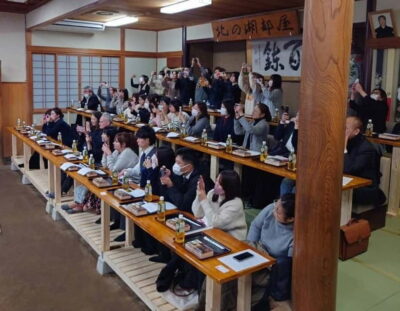 ★ 4.8Sumo Show and Dining ExperienceFrom $792,742 reviews
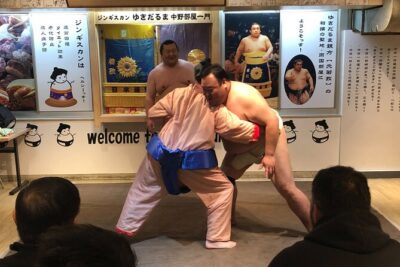 ★ 5.0the SUMO showFrom $891,960 reviews
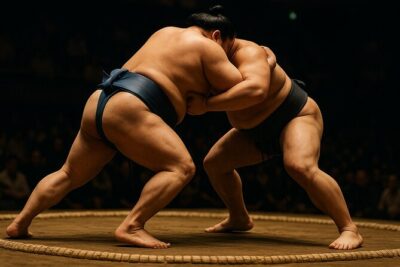 ★ 5.0Tokyo Shinjuku Sumo Show & Experience with PhotoFrom $791,750 reviews
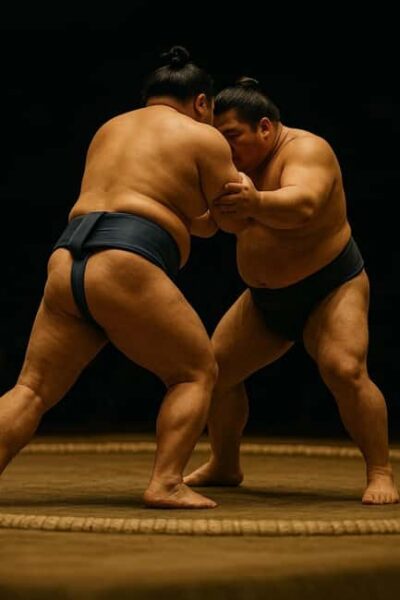 ★ 4.8Sumo Show and Experience in ShinjukuFrom $691,001 reviews
 ★ 4.7Luxury Sumo Show Experience & Japanese cuisine & DrinkFrom $103577 reviews
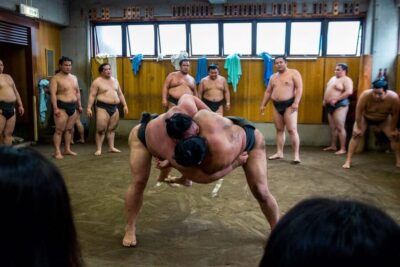 ★ 4.8Sumo Morning Practice Viewing TourFrom $81570 reviews
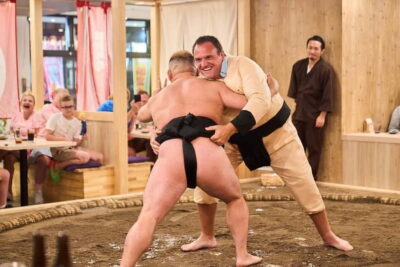 ★ 4.8Tokyo Sumo Experience: Chanko & Mochi with a Former ProFrom $103567 reviews
 ★ 5.0Ultimate Sumo Tournament: Tokyo, Osaka, Nagoya, FukuokaFrom $184468 reviews
This tour also belongs to