
Review · TOKYO CITY TOURS
Tokyo Pre Japan Planning Kit Itineraries, Food & Survival
Tokyo, mapped for your pace. This digital 4-day Tokyo planning kit lets you hit the big-name sights while still deciding when to start, slow down, or skip ahead, all from a simple mobile-friendly guide. I like that it blends classic landmarks with the kind of food direction that usually takes hours of searching.
Two things I really like. First, the plan is built for independent exploring, so you are not stuck to a rigid group schedule. Second, the kit includes Tokyo personal food recommendations plus a Japanese survival card, which is the kind of practical bonus that makes day-to-day moving around easier.
One consideration: there is no live tour guide. You get a smart itinerary, but if you want someone to answer questions in real time or troubleshoot on the spot, you will need to handle that yourself (or bring your own backup plan).
Key takeaways
- Start and stop on your schedule across four days, so you can adapt to crowds and your energy level.
- Local food recommendations are included, which saves you time deciding what to eat between major sights.
- A Japanese survival card helps you communicate when you need quick, simple answers.
- Highlight coverage without over-planning, from Tsukiji and Asakusa to Shibuya and Akihabara.
- Small group cap (up to 15) keeps the experience streamlined, even though you explore on your own.
- Shinjuku Gyoen is the one paid wildcard, since admission is listed as not included.
How this Tokyo planning kit feels in real life
This is not a traditional walking tour with a person leading the group. It is a self-guided digital itinerary you can use like a flexible route plan. That difference matters. It means you can walk faster when you are excited, linger when you find a side street you like, and skip anything that turns out to be less your thing.
The big win is pacing. Tokyo can feel like a buffet of choices. A clear 4-day structure helps you avoid the classic problem of spending your first two days just figuring out neighborhoods. Here, each day groups together areas that make sense geographically, so your transit time stays reasonable.
Also, the included extras are not just fluff. A local-oriented food plan plus a Japanese survival card can turn a day that starts with confusion into a day where you just act, order, and move on.
You can also read our reviews of more food & drink experiences in Tokyo


Price and value: what $26.06 per group buys you
At $26.06 per group (up to 15), this price is about access to planning, not about transportation or a guided service. For a city like Tokyo, that is where the value is. You are buying time back: the guesswork, the false starts, and the half-finished research tabs.
Even better, the kit focuses on a practical mix:
- major attractions that are easy to recognize
- neighborhoods that naturally reward wandering
- built-in suggestions for meals, so you are not stuck deciding every time hunger hits
If you are traveling with friends, the per-group pricing can be especially fair, because you can split it without needing extra people to justify the cost.
The one cost caution is this: the itinerary labels most stops as free admission, but it also notes Shinjuku Gyoen National Garden is not included. So plan a small extra budget for that garden day.
Getting started in Shinjuku City, and using the mobile ticket without stress
Your start point is Shinjuku City, Tokyo and the activity ends back at the meeting point. In practical terms, that is helpful because it gives you a home base. Tokyo is huge, but Shinjuku works like a hub. You can duck back there when you need a break, a snack, or simply a change of pace.
The experience runs every day, from 12:00 AM to 11:30 PM. That does not mean every stop is open all day, but it does tell you the guide itself is available whenever you want to use it. The smart move is to match each day to your priorities:
- mornings for markets and temples
- afternoons for neighborhoods and shopping streets
- evenings for city views and nightlife energy
You will also use a mobile ticket. This matters because you will be moving. Having your schedule and notes on your phone keeps you from pulling up a printed plan every time you switch trains.
Day 1: Tsukiji Fish Market, Asakusa, and Tokyo City views
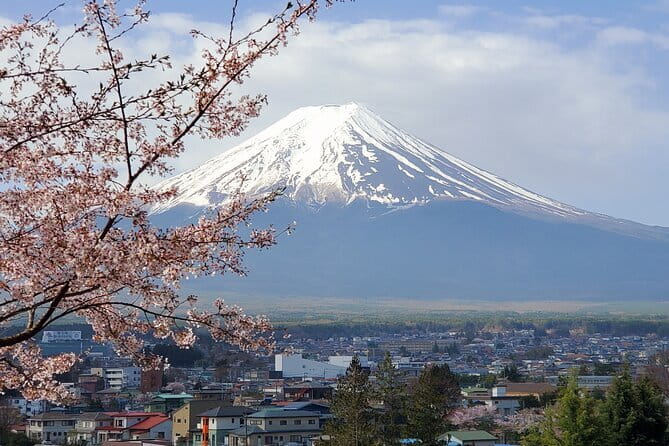
Day 1 is classic Tokyo, and it is a good way to calibrate your trip. You start with a sensory jolt, then shift to old Tokyo atmosphere, then top it off with a skyline view.
Tsukiji Fish Market (about 2 hours)
Tsukiji is listed as a free admission stop and is given about 2 hours. That timebox is realistic. You can walk the lanes, watch vendors, and sample seafood if you choose. The biggest tip here is simple: go earlier rather than later if you want the place at its most alive.
Also, budget your attention. Tsukiji can pull you in fast, but it is easy to spend 90 minutes just watching and not actually moving through. Use the itinerary’s 2-hour target as a guide, not a jail.
More Tokyo tours and experiences for the shortlist



Asakusa and Sensoji (about 2 hours)
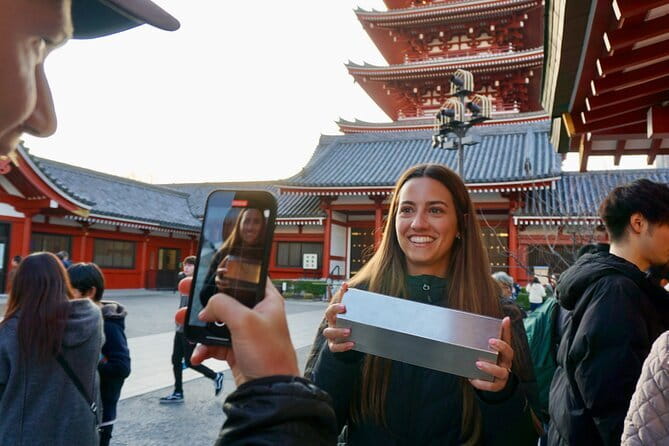
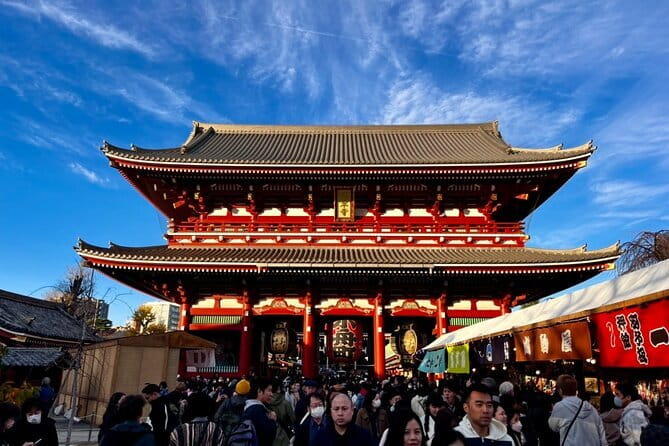
Next you hit Asakusa and Sensoji, Tokyo’s oldest and most iconic Buddhist temple, with Kaminarimon and the Nakamise shopping street. This is a strong contrast after a market morning. You shift from food bustle to traditional architecture and street-level shopping.
Two practical ways to enjoy this segment more:
- Walk the approach slowly. The gate area and main streets set the tone.
- Plan to buy small items here, not big ones. It is the kind of neighborhood where impulse snacks and souvenirs can snowball.
Tokyo Metropolitan Government Building Observation Decks (about 1 hour)
Finally, you finish with panoramic city views from the Tokyo Metropolitan Government Building observation decks on the 45th floor. That 1 hour slot is perfect. You get the big-photo skyline moment without turning the day into a glass-window marathon.
If you are the type who loves the city layout from above, do this near sunset. If your priorities are temples and street energy, do it earlier and keep the rest of the evening open.
Day 2: Imperial Palace Gardens, Harajuku fashion, and Shibuya crossing
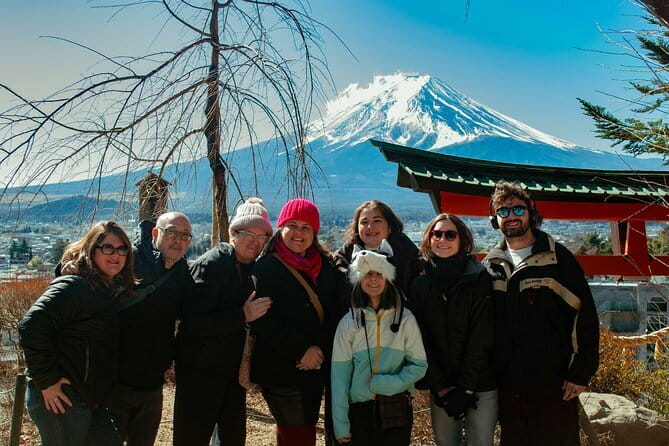
Day 2 balances calm and chaos in a way that feels right for most visitors. Start with history and gardens, then swing into modern style, then end with Tokyo’s most famous crossing.
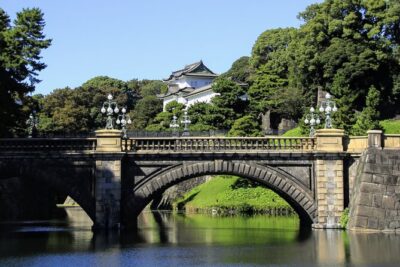
Imperial Palace (about 2 hours, free)
The Imperial Palace stop focuses on the East Gardens area and nearby structures. It is listed as free admission and about 2 hours. This is your decompression day. After a market and a temple area, you want a quieter reset.
This is also where good walking shoes pay off. Gardens make you slow down, but they still involve quite a bit of strolling.
Harajuku Station and street style (about 2 hours, free)
Then you move to Harajuku, known for its fashion-forward reputation and Takeshita Street. This section is about people watching and browsing. It is listed as free and given about 2 hours, which is the right amount of time to sample the scene and not get trapped in one shop too long.
If you love fashion trends, bring curiosity. If you do not, this is still a great photo stop because the street style gives Tokyo personality fast.
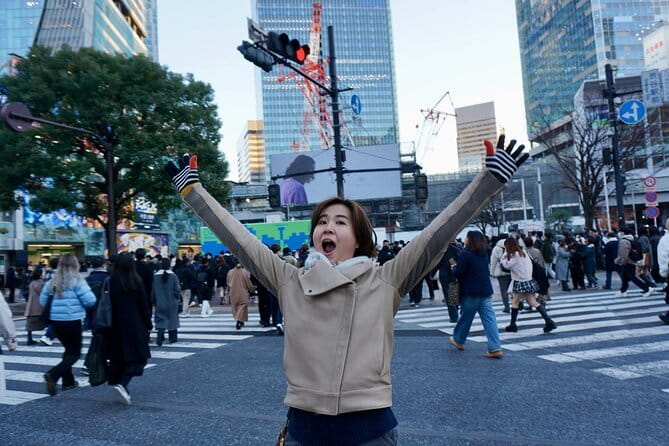
Shibuya Crossing (about 2 hours, free)
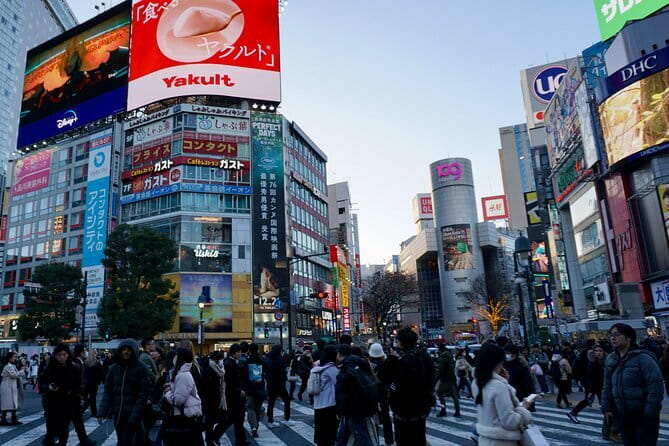
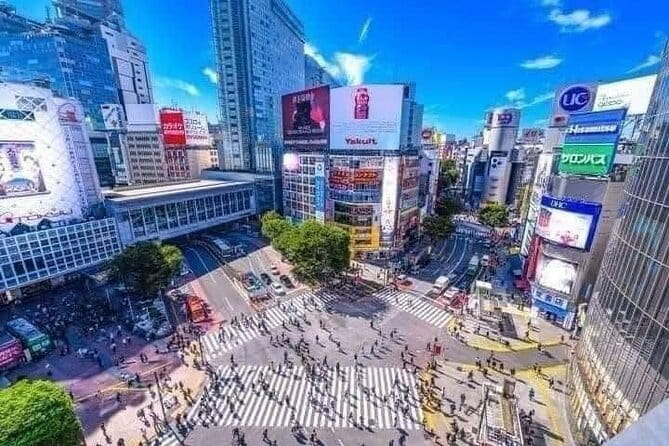
You end the day at Shibuya Crossing, described as one of the world’s busiest pedestrian intersections with simultaneous multi-directional crossing. The 2-hour suggestion is useful because it gives you room to:
- cross when you want
- grab a viewpoint from nearby streets
- circle back for the neon-lit atmosphere
Do not overthink it. Your goal is the moment plus a few minutes to soak it in. If you plan a long dinner right after, you will keep the night from feeling rushed.
Day 3: Ueno Ameyoko market street eats and Akihabara tech culture
Day 3 is where your Tokyo trip starts to feel like it has a personality. You get market energy, then you switch to electronics, anime culture, and gadget browsing.
Ueno, especially Ameyoko (about 3 hours, free)
The guide pairs Ueno with Ameyoko, an open-air market street with stalls and lots of food options. It is listed at about 3 hours and free admission.
This is a long stop by design. Market streets reward slow scanning. If you try to rush it, you will miss the little signs that point to what you actually want to eat.
I like this rule of thumb: plan two bites, not ten. Pick one savory item and one sweet or snack. If you still have energy, you can always add more.
Akihabara (about 2 hours, free)
Then it is Akihabara, Tokyo’s electronics and pop culture district. The itinerary gives it about 2 hours, also listed as free admission. This is long enough to:
- browse gadgets and game stores
- look for anime-related goods
- enjoy the neighborhood vibe without fatigue setting in
Even if you are not a hardcore electronics person, Akihabara is still fun because it is playful. You can treat it like a theme park of stores.
Day 4: Odaiba futuristic views, Shinjuku Gyoen calm, and night in Shinjuku
Day 4 is built around variety. You start with futuristic Tokyo Bay scenery, switch to a garden reset, then end in the neighborhood that never really turns off.
Odaiba District (about 2 hours, free)
Odaiba is described as a futuristic island in Tokyo Bay with ultramodern architecture and entertainment complexes. The itinerary calls out attractions like the giant Gundam statue and teamLab exhibits.
This section works best if you go in with flexible expectations. Odaiba is visually dramatic, so even if you only hit one or two highlights, you still get a different side of Tokyo.
Shinjuku Gyoen National Garden (about 2 hours, admission not included)
Then it is Shinjuku Gyoen National Garden for about 2 hours, with admission not included. The guide notes it features landscaped gardens blending Japanese, English, and French styles, plus tranquil walking among cherry blossom scenery when in season.
This is your slow-down day. Treat it as a reward after market and shopping. If you are the kind of traveler who gets museum fatigue, this is still a good fit. Gardens give you a break without forcing you to stand still.
Shinjuku at night (about 3 hours, free)
You finish with Shinjuku at night for about 3 hours. The itinerary frames it as neon-lit streets with izakayas and karaoke spots and lively crowds.
This is where the self-guided format shines. You can decide whether to do:
- a relaxed street stroll
- a late snack
- a casual drink stop
- karaoke, if that is your thing
The key is to start early enough that you are not sprinting to catch the vibe before you feel done.
What makes the included food and survival tools actually useful
Most digital itineraries only tell you what to see. This one tries to help you with what to do in between.
Personal food recommendations by locals
You get Tokyo personal food recommendations by locals. Even without live guidance, that can save you from the most common Tokyo mistake: eating whatever is closest in front of you instead of what fits your tastes.
Use those recommendations as prompts, not obligations. If a place is closed or the line looks too long, you can still use the direction to pick a nearby option.
Japanese survival card
The included Japanese survival card is the kind of practical item that can reduce stress fast. I like when a travel product gives you something you can glance at right in the moment, not just a list of phrases you have to recall from memory.
Even if your Japanese is limited, having a ready reference for basic situations can make buying, asking, and navigating feel calmer.
E-sim discount
There is also a discount on E-sim included. That matters more than people think for self-guided travel. You want reliable maps and translation access while you move between neighborhoods.
If you already have a plan for internet, you can treat this as a bonus. If you do not, it is a helpful way to keep costs down.
Who should book this, and who might prefer something else
This kit is a strong match if you:
- want a 4-day plan but hate strict schedules
- like mixing famous sights with room to wander
- want practical food direction without spending your trip researching everything
- prefer to move at your own speed and stop when you want
It is also good for first-time Tokyo visits because it covers the right range of neighborhoods: traditional, modern, shopping, markets, and skyline moments.
You might want a different option if you:
- rely on a live guide to explain what you are seeing
- need constant real-time problem solving
- get anxious when you have to make decisions without someone directing you
Tips to get the best results from a self-guided route
A digital itinerary works best when you treat it like a checklist, not a script.
Use time blocks, not fixed minutes
The itinerary assigns time amounts for each stop. Use them to guide your pace. If you are enjoying something, extend a bit. If you are not, move on without guilt.
Pair big sights with one small detour
In Tokyo, the best memories often come from the street you wandered to after your main stop. Keep one detour slot open each day. That way you do not feel like you are losing time when you find something interesting.
Choose your photo moments with intent
Tokyo views, gates, crossings, and skyline angles are where photos happen. Try to do them at the most photogenic times you can manage, then spend the rest of the time moving through the neighborhoods instead of standing around.
Should you book this Tokyo planning kit?
If you want a low-cost, high-structure way to experience Tokyo for four days, I think this is an easy yes. It is priced for practicality, it covers a smart set of areas, and the included local food direction plus Japanese survival card are exactly the kind of details that reduce travel friction.
Only pass if you know you need a live guide or you prefer a fully curated day-by-day plan with fewer choices. Otherwise, this gives you the best of both worlds: Tokyo’s highlights with enough freedom to make it yours.
FAQ
Is there a live tour guide with this experience?
No. This is a self-guided digital itinerary, with no physical tour guide provided.
How long is the Tokyo experience?
It is designed for about 4 days.
Where does it start and end?
It starts at Shinjuku City, Tokyo, Japan, and ends back at the same meeting point area.
What is included in the kit?
You get a self-guided PDF itinerary, Tokyo personal food recommendations by locals, a Japanese survival card, and a discount on an E-sim.
Is it a mobile ticket?
Yes, it features a mobile ticket.
Do the listed attractions have free admission?
Most stops are listed as free admission, but Shinjuku Gyoen National Garden is marked as admission not included.
Can I start and stop the plan whenever I want?
Yes. The itinerary is designed so you can start and stop whenever you like.
How many people is the maximum group size?
The experience has a maximum of 15 travelers.
What is the cancellation policy?
Free cancellation is available up to 24 hours in advance for a full refund.
More Food Experiences in Tokyo
More Food & Drink Experiences in Tokyo
More Tour Reviews in Tokyo





Not for you? Here's more nearby things to do in Tokyo we have reviewed












Tokyo City Tours, side by side.
 ★ 5.01-Day Tokyo Bus TourFrom $12914,250 reviews
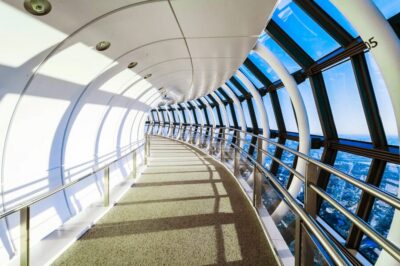 ★ 4.5TOKYO SKYTREE® Admission ticketFrom $1311,192 reviews
 ★ 4.6teamLab Planets TOKYO Digital Art Museum Entry TicketFrom $259,779 reviews
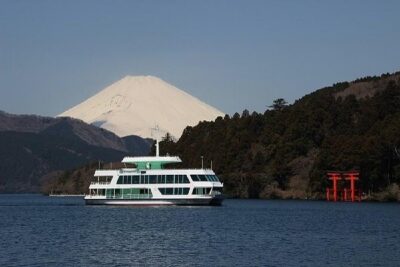 ★ 4.0Mt Fuji & Hakone Cruise, Drum Show Bullet Train 1 Day from TokyoFrom $1497,413 reviews
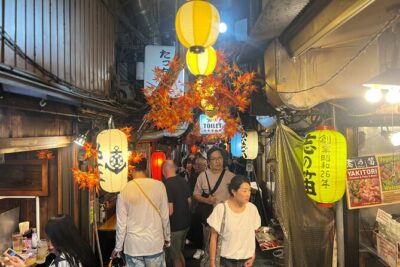 ★ 5.0Shinjuku Food Tour (13 Dishes at 4 Local Eateries)From $866,603 reviews
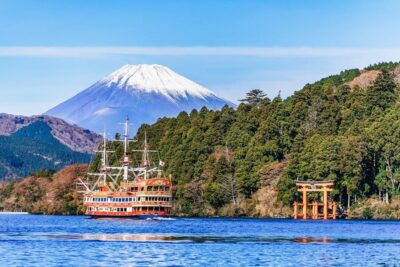 ★ 4.4Tokyo Mt Fuji 5th St & Hakone Cruise Bus Tour w/Bullet TrainFrom $1545,024 reviews
 ★ 5.0Flagship 2-Hours Official Street Go-Kart Tour – Tokyo Bay ShopFrom $644,974 reviews
 ★ 4.5From Tokyo: Mount Fuji Full-Day Sightseeing TripFrom $684,970 reviews
This tour also belongs to