
Review · TOKYO CITY TOURS
Shinto Shrine Tour: Explore Japanese Culture in Tokyo
Three shrines, one clear story. This 3-hour tour takes you through Meiji Jingu, Kanda Shrine, and Tokyo Daijingu with a guide who explains Shinto myths, practical etiquette, and how people pray for everyday goals. It also runs as an exclusive group experience, so you are not squeezed into a huge crowd.
I especially like the pacing and the value, because entrance fees are included and the guide handles the how and why, not just the where. The main thing to consider is that you will be walking and transferring between sites, so comfy shoes help, and the schedule may feel full if you want lots of slow wandering.
Key things to know before you go
- Three shrines, one guided plan, so you see more than you could easily fit on your own.
- Etiquette and prayer basics, including purification and how to approach a shrine respectfully.
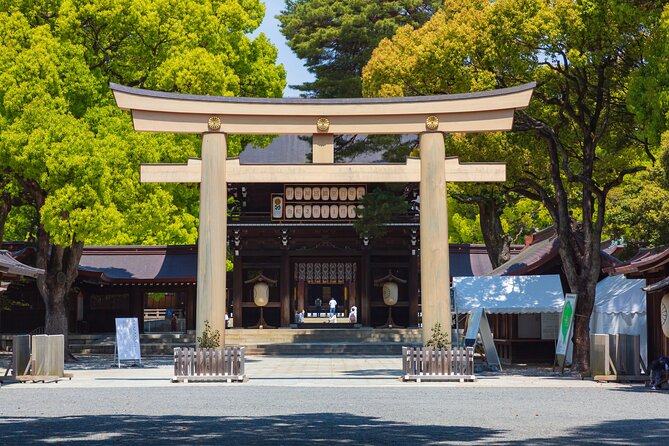
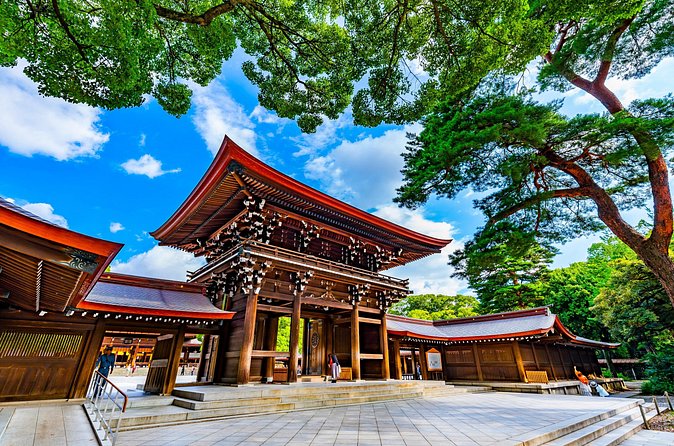
- Meiji Jingu’s forest setting, which changes the mood the minute you step in.
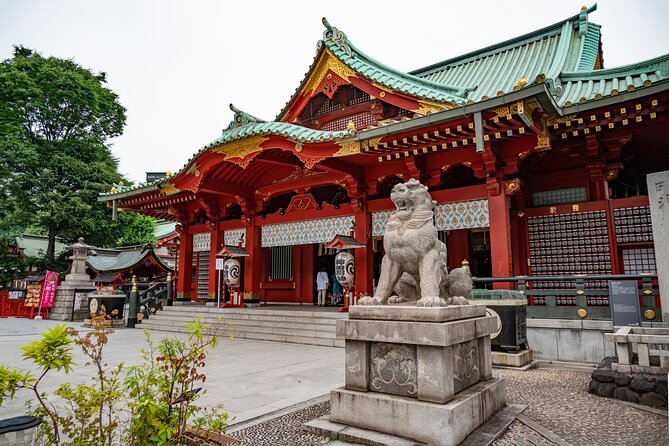
- Kanda Shrine’s long timeline, with a structure shaped by fires and earthquakes.
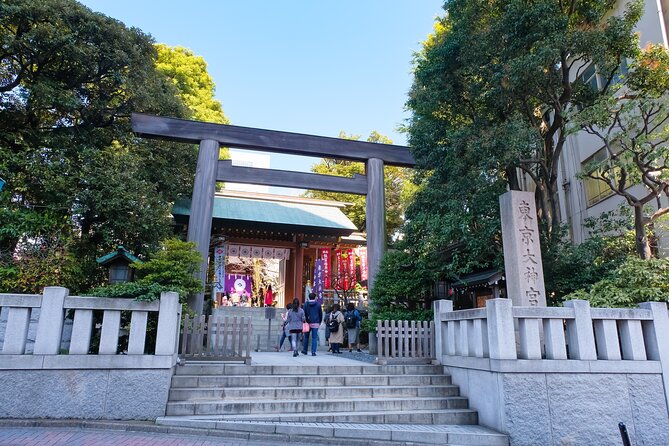
- Tokyo Daijingu’s marriage connection, a detail many first-timers love learning.
- Guides like Ami, Hitomi, Shunsu, Atsuko Kobayashi, Katsunori Fugiwara, Asami, and Ken, showing up in past group experiences.
Why three Shinto shrines makes sense in Tokyo
Tokyo can swallow your time fast. This tour is built for people who want the Shinto experience without turning your day into a transportation project.
You visit three famous shrines in about three hours, with a guide connecting the dots between mythology, rituals, and how the religion shows up in daily life. It is not just a photo stop circuit. You get context for what you are looking at and how to behave at the sites.
Also, you get a practical rhythm: arrive, learn the basics, see the shrine, then move on before the day gets too crowded.
You can also read our reviews of more tours and experiences in Tokyo.



Price and what you actually get for $206.26
$206.26 per person is not a budget lunch price. But when you compare it to what is included, it starts to feel fair, especially for a short, focused day.
You get a professional English-speaking guide, public transportation between shrines, entrance fees, and photo opportunities. Food and drinks are not included, so you will likely grab something near the end or before the tour.
The best value here is the time compression. Trying to visit three separate shrines on your own in the same morning takes extra planning, and figuring out shrine etiquette without guidance can feel awkward.
If you are the kind of traveler who wants meaning with your sightseeing, this price is easier to justify.
Where you meet at Harajuku and how the timing works
You meet at Harajuku Station, specifically at 1 Chome-18 Jingumae, Shibuya, Tokyo 150-0001, Japan. The start time is 9:00 am, and the tour runs for about three hours.
Your tour ends at a different location, so do not plan on returning to the exact same corner immediately after. If you like a clean schedule, you can plan a meal or another nearby activity once you know where you finish.
One small but important rule: although it is private for your group, the guide waits up to 30 minutes after the scheduled start time. If you show up later than that, the tour is considered cancelled. Build in a buffer, especially if you are transferring on the train.
Stop 1: Meiji Jingu Shrine, the forest-and-quiet shock
Meiji Jingu is a Shinto shrine dedicated to the souls of the late Emperor Meiji and Empress Shōken. The big wow factor is the lush forest around the shrine, with trees donated from different regions of Japan.
In practice, this stop is where the tour feels most dramatic. One minute you are in Tokyo’s energy, the next you are moving through a calmer, greener world. That change in atmosphere is exactly why this tour starts here.
Plan on the full hour. You will have time for the main views, plus your guide’s explanations. If you are the kind of person who likes learning about symbolism, this is a strong place to ask questions.
Possible drawback: the forest setting is peaceful, but it also means you should expect steady walking. If you have mobility issues, wear supportive shoes and let the guide know early so the pace works for you.
Stop 2: Kanda Shrine, 1,270 years in a rebuilt kind of way
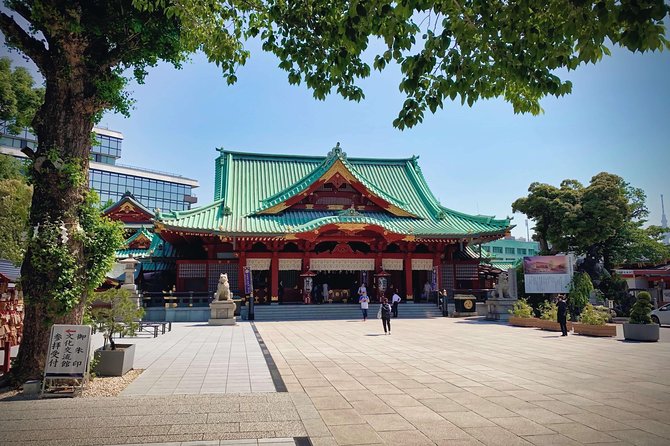
Kanda Shrine sits in Chiyoda, Tokyo. The shrine dates back 1,270 years, though the current structure has been rebuilt multiple times due to fire and earthquakes.
That detail matters. You are not just seeing an old building. You are seeing survival and continuity. Kanda is a good stop if you want Shinto to feel connected to real Japanese history and the way places endure.
Your guide will likely point out elements you might otherwise pass by without noticing. Symbols and statues at shrines often come with stories, and the tour is designed to explain what they represent and what you should pay attention to.
What to watch for: Kanda is in a central area, so the surroundings feel more city-like than Meiji Jingu. If you want pure quiet, you may prefer to mentally treat this as the contrast stop, the one that brings you back toward modern Tokyo.




Stop 3: Tokyo Daijingu, the marriage-prayer connection
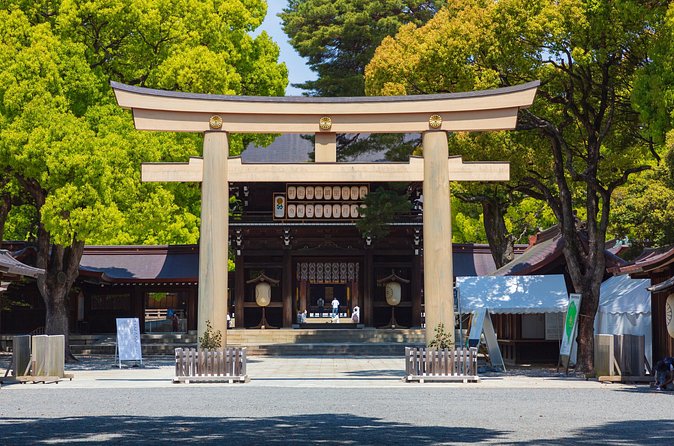
Tokyo Daijingu is affectionately called O-Ise-sama in Tokyo. It enshrines deities that make it one of the best-known shrines in the city, and it is especially famous for the god of marriage among girls.
That one fact is a great conversation starter at the shrine. It also makes your prayers feel more grounded, because you know what people associate the place with and what your guide is likely to talk about during the visit.
You have another full hour here. This is the best time to slow down a bit if you want photos, because the tour has already built your shrine-reading skills at the first two stops.
Possible drawback: if you are expecting only grand scenery, this stop may feel more emotionally specific than visually overwhelming. The payoff is in understanding why people come and what the shrine means to them.
What the guide teaches you about purification and praying
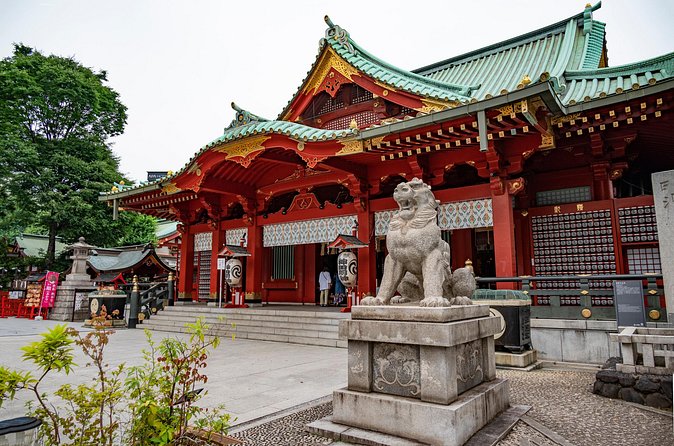
This tour is explicitly about learning Shinto culture through what people do, not treating it like a museum exhibit.
You will learn how to purify yourself, how to pray for good fortune, and how people seek success through shrine visits. Even if you have never practiced anything like this before, the guide’s job is to help you understand the basics and avoid awkward mistakes.
This is also where the tour’s best reviews tend to land: guides who make the information feel genuine and human, not scripted. Names that show up in past group experiences include Ami, Hitomi, Shunsu, Atsuko Kobayashi, Katsunori Fugiwara, Asami, and Ken, and the common thread is clear explanations plus a friendly pace.
One group even described a guide being patient when someone had an unexpected knee injury. That is a reminder that the tour involves walking, but the best guides adjust when they need to.
Transportation and crowds: the practical side you will feel
You move between shrines using public transportation, and that transit is included. This saves you from figuring out train routes while also trying to arrive on time and stay respectful at sacred sites.
Another practical win is that entrance fees are included, so you are not burning time and energy buying tickets on the spot. Also, the tour helps you avoid long visitor lines, which makes a big difference in Tokyo where lines can appear out of nowhere.
The tour is also private for your group. That usually means less jostling, more ability to ask questions, and a smoother pace for your whole party.
Walking expectations and what to pack
The tour is about three hours and covers three shrines. That usually means a fair amount of walking, plus transfers between locations.
Wear smart casual clothing, but prioritize comfort. This is not the day for stiff shoes or anything you regret after ten minutes.
Bring a small water bottle if you think you will need one. Food and drinks are not included, so plan to eat before or after. If you know you get hungry fast, consider a snack nearby to keep your energy steady between stops.
If weather is bad, the tour is subject to favorable conditions. If it is cancelled due to poor weather like typhoons or extreme conditions, you get an option for an alternative date or a full refund. That is the kind of flexibility you want in Tokyo.
Who this tour is best for
This tour is a great match if you:
- Have limited time and want three key Tokyo shrines in one morning
- Want Shinto explained in English with cultural context
- Prefer guidance with etiquette so you do not feel awkward
- Like structured sightseeing with enough meaning to remember later
It also works well for people who are curious about Japanese culture and mythology but do not want a heavy religious lecture. The tour frames Shinto as part of Japanese life, not just doctrine.
If you are traveling with children, they must be accompanied by an adult. Most travelers can participate, but if someone in your group has mobility limitations, talk with the guide and choose shoes and pacing that match the group’s needs.
Should you book this Shinto shrine tour?
Book it if you want a focused, respectful introduction to Shinto that includes the important etiquette and context, not just pictures. The value is strongest when you are short on time, want entrance fees and transit handled for you, and enjoy learning from a real guide like the ones named in past groups.
Skip it, or at least adjust your expectations, if you want a totally independent, slow, spend-as-long-as-you-want shrine day. This is a structured 3-hour plan with walking and transfers. You will get a lot, but you will not have unlimited flexibility at each stop.
FAQ
Which shrines are included in the tour?
The tour visits three Shinto shrines in Tokyo: Meiji Jingu Shrine, Kanda Shrine, and Tokyo Daijingu Shrine (O-Ise-sama in Tokyo).
How long is the Shinto shrine tour?
The duration is about 3 hours.
What time does the tour start, and where do I meet?
The start time is 9:00 am, and the meeting point is Harajuku Station (1 Chome-18 Jingumae, Shibuya, Tokyo 150-0001, Japan).
Is entrance fee included?
Yes. Entrance fees for the shrines are included.
Do I need to bring my own transportation?
No. Public transportation between the shrines is included, but transportation to and from the meetup point is not included.
What is the dress code?
The dress code is smart casual.
What happens if the weather is extreme?
If the tour is cancelled due to poor weather such as a typhoon or other extreme conditions, you are given an option for an alternative date or a full refund.
More Tours in Tokyo

More Tour Reviews in Tokyo
Not for you? Here's more nearby things to do in Tokyo we have reviewed







Tokyo City Tours, side by side.
 ★ 5.01-Day Tokyo Bus TourFrom $12914,250 reviews
 ★ 4.5TOKYO SKYTREE® Admission ticketFrom $1311,192 reviews
 ★ 4.6teamLab Planets TOKYO Digital Art Museum Entry TicketFrom $259,779 reviews
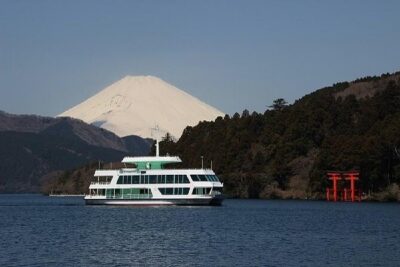 ★ 4.0Mt Fuji & Hakone Cruise, Drum Show Bullet Train 1 Day from TokyoFrom $1497,413 reviews
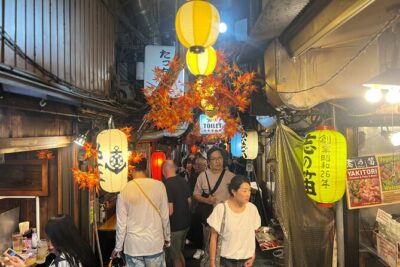 ★ 5.0Shinjuku Food Tour (13 Dishes at 4 Local Eateries)From $866,603 reviews
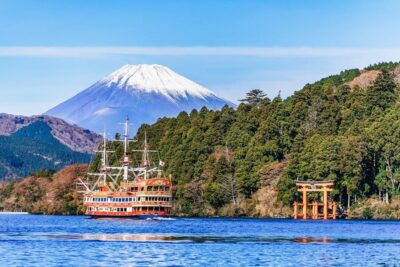 ★ 4.4Tokyo Mt Fuji 5th St & Hakone Cruise Bus Tour w/Bullet TrainFrom $1545,024 reviews
 ★ 5.0Flagship 2-Hours Official Street Go-Kart Tour – Tokyo Bay ShopFrom $644,974 reviews
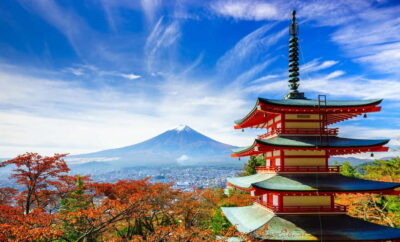 ★ 4.5From Tokyo: Mount Fuji Full-Day Sightseeing TripFrom $684,970 reviews