
Review · TOKYO SUMO EXPERIENCES
Watch Sumo Morning Practice at Stable in Tokyo
Quiet mornings in Tokyo, loud training inside. I love the close-up access to a sumo stable’s morning routine, from warm-up stretches to the first hard impacts, and I love that you get a clear photo moment with the wrestlers at the end. The tradeoff is you sit on the floor, often for up to 60 to 90 minutes (and it can run long), so go in ready for silence, stillness, and stiff legs.
This is also one of the easier traditional experiences to follow because you meet at a prearranged Tokyo spot and go as a small group (up to 10) toward Ryogoku Kokugikan. Still, stable schedules can change, and in Tokyo tournament season the practice can be much shorter, even though the price stays the same.
Key things to know before you go
- Up-close, not a show: you’re watching professional training, with strict quiet rules and no crowd-style entertainment.
- Small group size: up to 10 people, which usually helps your view more than big tours.
- Floor seating is real: plan for tatami-level comfort limits and bring your patience.
- Practice length can vary: expect 60 to 90 minutes, and much shorter sessions during tournament season.
- Photos at the end: included, but timing depends on how the practice runs that day.
Watching Sumo Morning Practice at a Tokyo Stable: the real deal
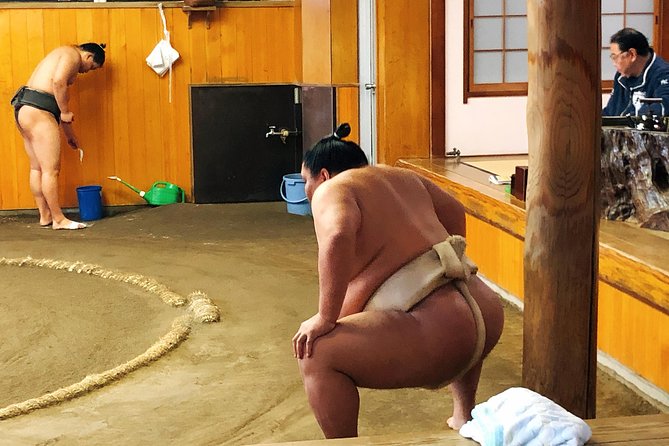
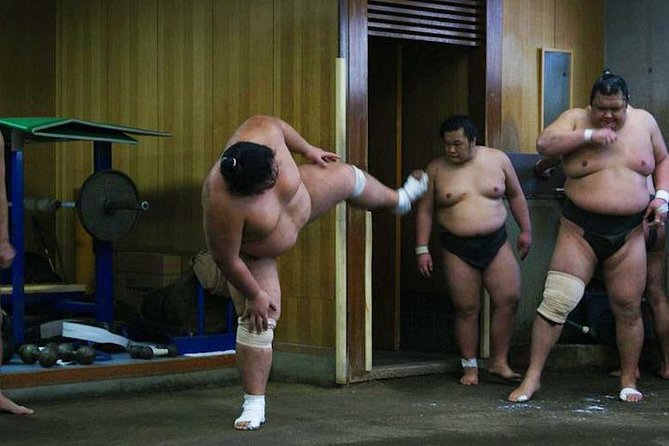
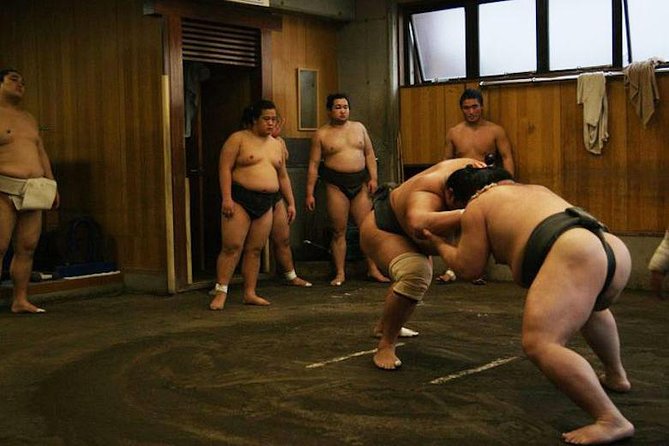
This is sumo practice, not sumo theater. The best part is how normal the training feels once you’re seated and quiet. You see the slow build, the preparation, the teamwork in the warm-up, then the serious contact once the session moves into sparring and rhythm drills.
If you’ve only seen sumo on TV, you’ll notice the physical details fast. The way wrestlers move in space, how they reset and re-grip, and how they practice balance and force over and over. It’s not about scoring points for an audience. It’s about repetition, discipline, and getting ready for competition.
You’ll also get a rare window into the stable world. Most visitors see arenas or highlight matches. Here, you see the earlier part of the routine, where form and tradition matter. And because the group is small, the atmosphere stays focused rather than chaotic.
One big thing to understand: explanations are not guaranteed in the same way every day. Some tours and guides provide a lot of context, while other sessions can feel more like watch and learn. So I recommend you go with two modes in your head. Mode 1 is silent observation. Mode 2 is light pre-reading on sumo basics, so you recognize what you’re watching even if you get limited commentary.
More Tokyo tours and experiences for the shortlist
Meeting in Tokyo and finding the stable near Ryogoku Kokugikan
You don’t need to figure this out alone. You’ll meet at a prearranged meeting spot in Tokyo, then head together to the stable area associated with Ryogoku Kokugikan.
Still, Tokyo logistics can be the difference between calm and stressful. The practice starts early, and you want to arrive before your body starts negotiating with your knees.
Here’s how to reduce friction:
- If you’re near Asakusa, consider a taxi to save time. One review specifically mentioned taking a taxi from Asakusa Station for about $10 Australian, which can be worth it on a cold morning.
- Taxi drivers may have trouble with English. Have the destination address in Japanese ready on your phone or paper.
- Plan extra time to reach the meeting point early. A front-row seat makes a big difference because everyone sits low and you’ll be looking through people.
Also note that the stable schedule can only be confirmed about one week ahead, and the activity is dependent on whether the stable is open that time of year. That affects timing certainty, not just logistics.
Inside the stable: warm-ups, the dohyo moment, and sparring rhythm
Once you’re inside, you’ll sit on the floor (tatami area) and watch. The session usually follows a pattern:
1) stretch and warm up
2) ring practice around the dohyo (the sumo ring)
3) engagement with one another as training gets more intense
4) sparring-like action, depending on the day
The tone is serious. Even when wrestlers look relaxed in warm-up, they’re still working. Then, when contact starts, you feel the intensity instantly. The moves are fast, then forceful, then controlled again. It’s the kind of training that makes it obvious why sumo is physical in a way that TV sometimes smooths over.
A couple of practical things matter a lot in this moment:
- Sit where you can see the ring and the wrestlers’ feet and grips. In this kind of setting, small changes in position create big changes in view.
- Watch who leads and who adjusts. Sumo practice includes hierarchy and role behavior, and you’ll start noticing patterns once you’re patient enough to watch the full arc of the session.
If you’re wondering what the group will be doing, it’s mostly simple: you’re there to observe. The stable rules emphasize quiet behavior and respect for the training. That means no loud talking, no eating during the session, and no camera flash or intrusive sound.
And about those rules: the goal is to keep the wrestlers focused. So treat this like you’re sitting in a training room, not a tourist viewing deck.
The floor seat reality: comfort tips for 60 to 90 minutes
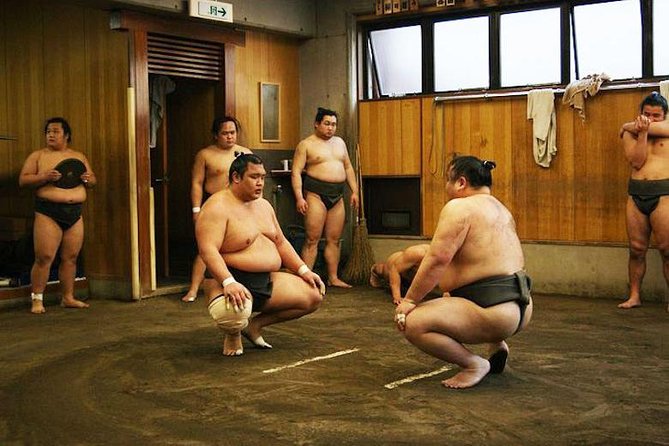
Here’s the part nobody should ignore. The activity requires sitting for extended periods on the floor. The tatami surface can be thin, and below it can be harder than you expect. On a chilly Tokyo morning, stiffness can hit faster than you think.
Expect two challenges:
- Your legs will go numb or tight in the common cross-legged positions.
- Your back and hips might start to complain before the practice ends.
The most useful survival strategy is to plan for body comfort before you plan for photos.
- Wear supportive shoes to walk there, then plan to take your time settling in once you’re inside.
- If you know you’ll have trouble sitting on the floor, ask in advance about any chair or stool option. Some seating is mentioned as being available on request, and limited seating can exist.
- Arrive early if you can. Better spots usually mean less twisting your body to see past others.
Also, don’t assume you can just switch seats whenever you want. Space can be tight, and once the session is underway, everyone is trying to stay still for view and respect.
One more hard truth: views can vary. If you’re unlucky with your spot, an adult sitting in front of you can block a chunk of the ring. So if your group is very close to the stable door when seats are assigned, be ready to choose the best angle you see immediately.
The included photo moment, and what happens if timing shifts
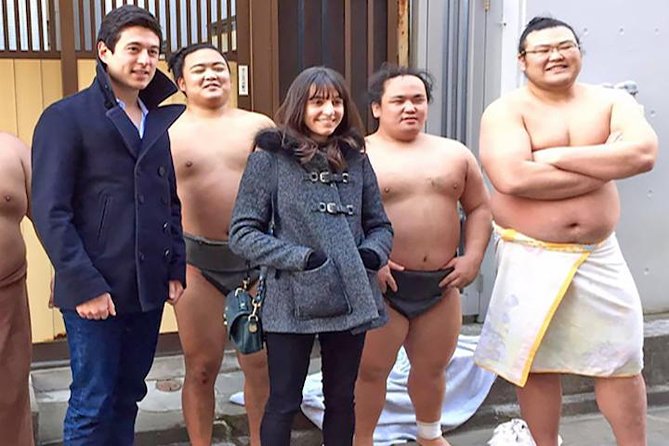
Good news: you get photos with sumo wrestlers at the end, and it’s included. That’s a major value add, because it gives you a concrete souvenir from a setting that otherwise feels very “watch only.”
Timing, though, is not perfect. Practice ending time varies by day, and the session length is often between 60 and 90 minutes. During tournament season in Tokyo, practice can be even shorter, around 30 to 40 minutes, and that can affect how quickly things move to the photo part.
So what should you do?
- Stay alert right through the end. Don’t plan to leave early, even if you think you’ve seen the highlights.
- If you have any strict time constraint after the tour, build in buffer time.
Also remember, no food or beverages are included. So if you’ll want water or a snack, handle it before you start the session.






Timing matters in Tokyo: regular days vs tournament season short practice
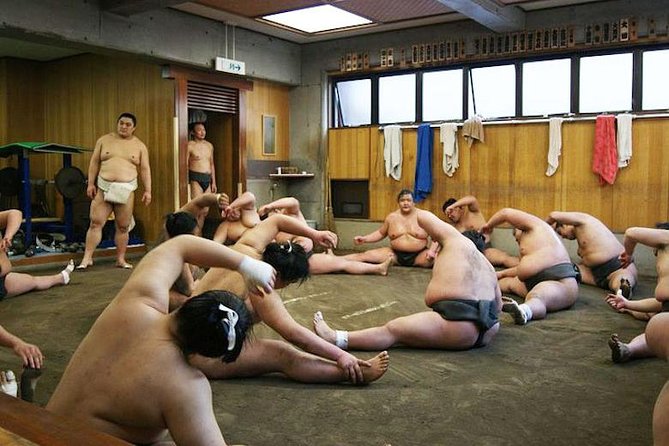
Sumo schedule in Tokyo is seasonal, and this stable practice tour reflects that. The stable can be closed in tournament months or other months, depending on the year, and the exact dates vary.
Here’s the part you should actually plan around:
- Typical practice sessions are about 60 to 90 minutes.
- In Tokyo tournament season (January, May, September, around the 15th to 25th), practice duration can drop to around 30 to 40 minutes.
- During those short-session days, the price stays the same.
That doesn’t make the experience bad. It changes the pace. You’ll see less of the full arc from warm-up to longer sparring stretches, because the schedule compresses.
If you can choose dates, aim for a non-tournament window when the stable is open and you’ll likely get closer to the full morning routine.
Etiquette and what to focus on so it feels meaningful
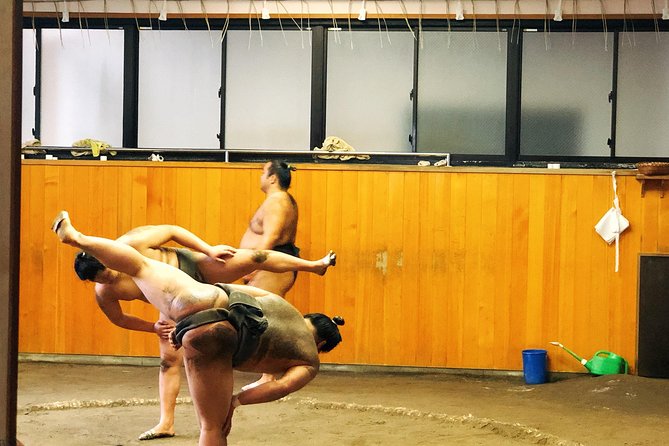
This is the quiet culture part of the experience. The rules are pretty clear:
- Don’t eat during the practice.
- Don’t talk loudly.
- Don’t use camera flash.
- Avoid intrusive sound.
You’ll see why when you’re seated. It’s hard to relax if you’re expecting a live show. The wrestlers are working. You’re there to be respectful and attentive.
Here’s what makes the watching more rewarding than just staring:
- Focus on transitions. Watch how warm-up leads into ring work.
- Watch footwork and grip changes. That’s where balance and control show up.
- Notice the coaching and partner dynamics. Even in a silent session, the way wrestlers adjust to each other tells a story.
If you want more context, use your pre-trip prep. Even a small amount of reading on sumo traditions and rank behavior can help you recognize what matters in the training, especially during the ring work.
And if you do get a guide with English explanations, that can be a bonus. Some groups have been guided by people with names like Hiroko and Ricko in related experiences, but I can’t promise a specific name for your date. Your best move is to ask what kind of commentary you’ll receive, and what language support is available.
Price and value: is $95.77 worth it for this kind of access?
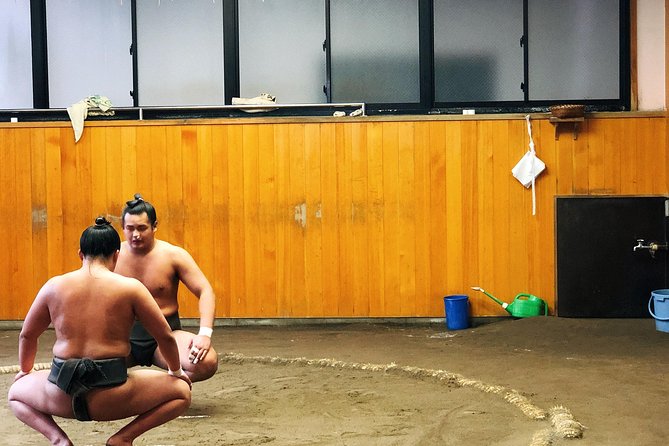
At $95.77 per person, this isn’t a cheap “sit and watch” activity. So the key question is value, not just price.
What you get that pushes it toward good value:
- You access a sumo stable morning practice, which most tourists never see.
- Small group size (max 10) helps your viewing and overall experience quality.
- The entrance fee is included.
- Photos with sumo wrestlers at the end are included.
- You have a prearranged meeting point in Tokyo, so you’re not stuck guessing directions at 8 a.m.
What can reduce value for some people:
- You spend time sitting on the floor, sometimes with limited comfort and potentially limited viewing angles depending on where you end up.
- There’s limited entertainment. If you want constant narration or hands-on interaction, this is more observation-focused.
- In tournament season, practice duration can be shorter, though the price stays the same.
My take: it’s worth it if you genuinely want the real feel of sumo training. It’s less worth it if you expect a show with standing viewing, lots of speaking, or flexible seating comfort.
If you book early, which many people do (on average 62 days in advance), you also raise your odds of getting a date that’s open and gives you a fuller session.
Should you book this Tokyo sumo morning practice tour?
I’d recommend booking if you match the vibe. This is for you if you want:
- an authentic Tokyo cultural moment that is not centered on match-day spectacle
- a quiet, up-close look at how wrestlers prepare
- the included photo moment with the wrestlers
- a small-group experience where you watch serious training with focus
I would think twice if:
- you hate sitting on the floor for up to 90 minutes (or more on some days)
- you want lots of explanations during the practice
- you need a very predictable ending time, because practice end time can vary
If you book, do it with the right expectations. Show up early, sit ready, stay quiet, and watch the full arc. That’s where the magic lives.
FAQ
How long is the sumo morning practice?
The duration is typically between 60 and 90 minutes. During Tokyo tournament season in January, May, and September (around the 15th to 25th), practice duration can be around 30 to 40 minutes.
What time does the activity run?
In the listed date ranges, the operating window is Monday to Saturday from 8:00 AM to 10:00 AM. The exact ending time of practice varies day to day.
Where is the stop during the tour?
Ryogoku Kokugikan is listed as the stop during the experience.
Do I get photos with the wrestlers?
Yes. Photos with sumo wrestlers at the end are included.
Is food or drink included?
No. Food and beverages are not included.
Do I need to sit on the floor?
Yes. The activity requires sitting for long periods on the floor, and you should be prepared for that before you book.
Are cameras allowed, including flash?
You should avoid bright flashes and intrusive sound. The stable rules emphasize being mindful and not distracting the wrestlers.
Is there a minimum age?
The minimum age is 13 years.
What if the stable timing is shortened during tournament season?
During Tokyo tournament season, the practice duration can be 30 to 40 minutes. The price stays the same even when the session is shorter.
What if bad weather cancels the experience?
The activity requires good weather. If it is canceled due to poor weather, you’ll be offered a different date or a full refund.
More Morning in Tokyo
More Tour Reviews in Tokyo
Not for you? Here's more nearby things to do in Tokyo we have reviewed












Tokyo Sumo Experiences, side by side.
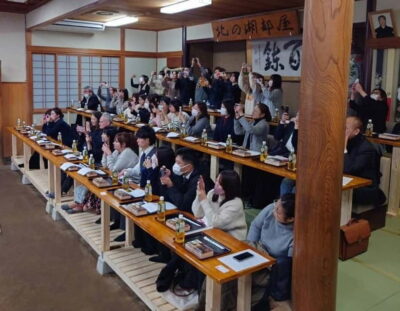 ★ 4.8Sumo Show and Dining ExperienceFrom $792,742 reviews
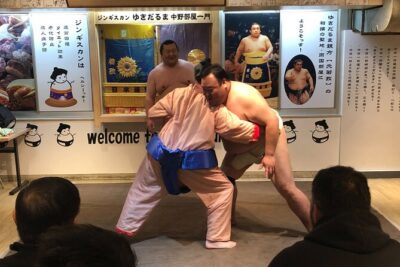 ★ 5.0the SUMO showFrom $891,960 reviews
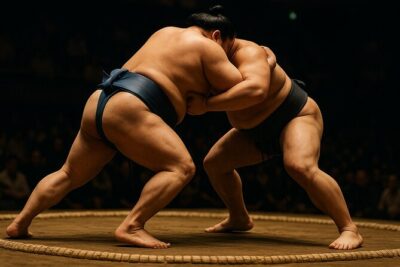 ★ 5.0Tokyo Shinjuku Sumo Show & Experience with PhotoFrom $791,750 reviews
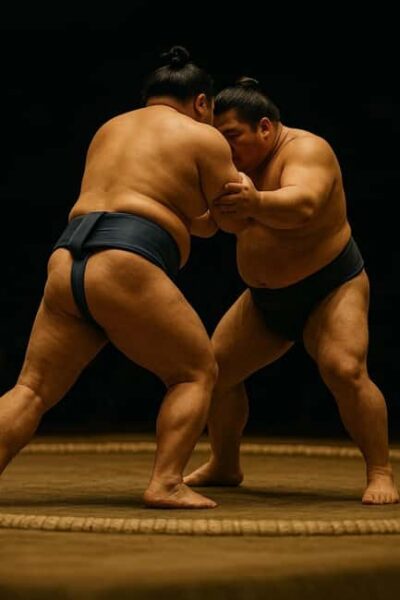 ★ 4.8Sumo Show and Experience in ShinjukuFrom $691,001 reviews
 ★ 4.7Luxury Sumo Show Experience & Japanese cuisine & DrinkFrom $103577 reviews
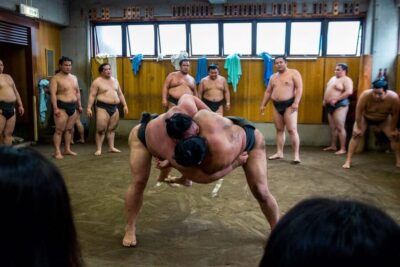 ★ 4.8Sumo Morning Practice Viewing TourFrom $81570 reviews
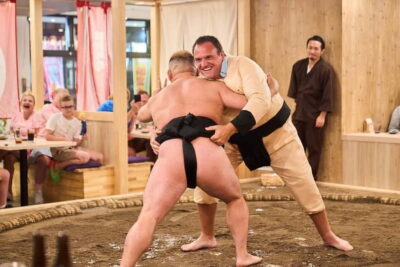 ★ 4.8Tokyo Sumo Experience: Chanko & Mochi with a Former ProFrom $103567 reviews
 ★ 5.0Ultimate Sumo Tournament: Tokyo, Osaka, Nagoya, FukuokaFrom $184468 reviews
This tour also belongs to