
Review · COOKING CLASSES
Half-day Cooking Class in Yokohama Local Shopping District
Food shopping in Yokohama can feel like a game. This is a half-day tour that starts in a local shopping district with fishmongers and specialty shops, then moves into a clean kitchen studio to make classic Japanese dishes.
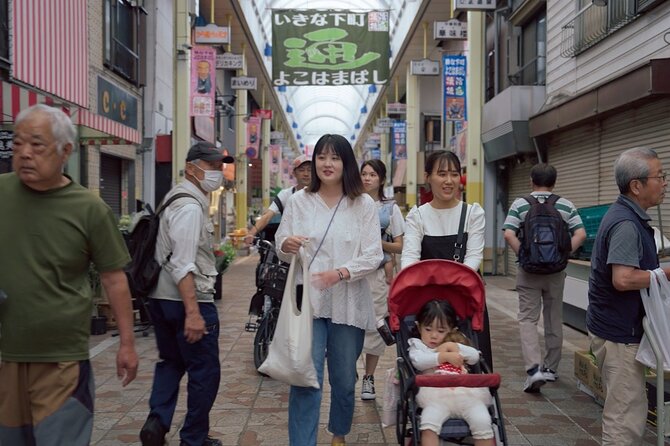
I especially love the shopping focus. You are not just passing through. You are picking ingredients in a covered street with nearly 130 specialty stores along more than 300 meters, then using those same items in class.
My other favorite part is the small, private-style instruction. Ichiho, the instructor in one review, was patient and guided guests step by step in English, and the hands-on results were very good. One possible drawback: this is an instructor-led class with no guarantee of fluent English, so if you need very precise language, you should expect some translation gaps and plan to ask lots of questions.
Key things to know before you go
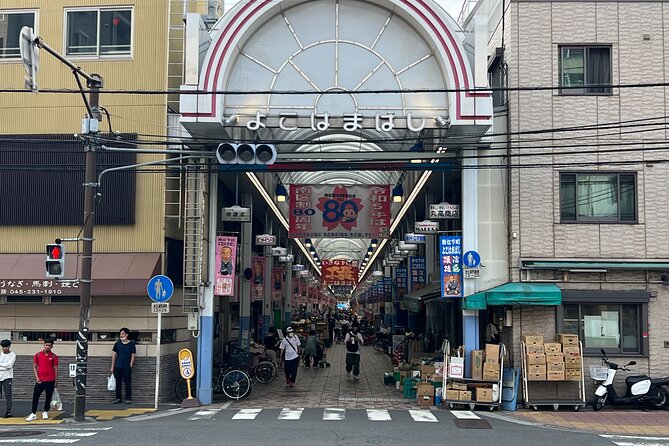
- Covered shopping street time: You will walk the lanes lined with about 130 specialty stores, plus stops like fish, vegetables, and rare meat cuts.
- Cook with ingredients you buy: What you purchase becomes your pantry for the dishes you make.
- Hands-on dishes: You can expect sushi roll making and Japanese fried chicken (karaage), and your class may include other favorites like teriyaki chicken.
- Small group attention: The setup is designed so you can ask questions and get real help.
- Vegetarian menu available: If you do not eat meat or fish, you can request a vegetarian option.
- Private tour: Only your group participates, so it feels less like a show and more like a lesson.
Yokohama’s shopping lanes, the ingredients that actually matter
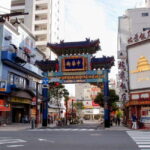
This tour starts where local food culture shows up in everyday detail. Your meeting point is in Naka Ward at 3-chōme-35 Yayoichō, Yokohama, Kanagawa 231-0058. From there, you head into a covered shopping district with over 300 meters of shops and nearly 130 specialty stores. It is the kind of street you can feel in your feet, even before you taste anything.
I like this approach because it keeps the class grounded. You are not learning cooking trivia. You are learning how Japanese shoppers choose ingredients, and then you use those choices for real results later. If you are the type who forgets recipes at home, this method helps you remember what good ingredients are supposed to look and feel like.
You should also know what kind of stops you will likely see, based on the description. Expect a fishmonger with fresh fish sourced from across Japan, a grocery section with sweet and tasty vegetables, and a butcher shop selling cuts that many supermarkets do not carry. That last part matters. Even if you do not buy meat yourself, the instructor’s guidance can help you understand how Japanese butchers think about cuts.
You can also read our reviews of more tours and experiences in Yokohama.



The shopping stops: how this becomes a cooking lesson
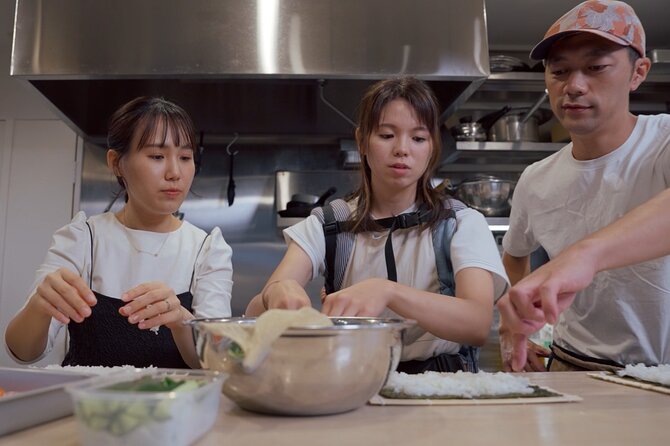
The tour is structured as two parts that support each other. First comes shopping, then cooking. The value is in the bridge between them, because you learn what to buy and why. That is a rare thing on food tours where you just snack and move on.
Here is what each stop is for, practically:
Fishmonger stop
You get a look at fresh fish selection. If you eat fish, you learn how to talk with vendors and what to look for when ingredients are meant to be eaten soon. If you do not, the fish section still teaches you how Japanese markets treat seafood as a normal, everyday ingredient, not a special occasion item.
Vegetable grocery stop
The description calls out sweet and tasty vegetables. This is your chance to see Japanese produce in a more curated way than what you might find at home. Even if the cooking later uses a specific set of vegetables, you will come away with a sense of what makes vegetables taste better in Japanese dishes: freshness and correct prep.
Butcher shop with harder-to-find cuts
This is where you see that Japanese butcher counters are not always about “what is popular.” They carry cuts that do not show up often in standard supermarkets. If you want to recreate Japanese-style textures at home, this is useful context. If you are cooking vegetarian, this stop might be less central, but it still helps you understand how the dish structure is built around ingredients with different roles.
One thing to keep in mind: the instructor guides you through shopping, and your English may not be perfect. In one review, the instructor (Ichiho) still did a great job leading guests through both shopping history and cooking, but the point is simple. Ask questions as you go, and do not worry about having a perfect vocabulary.
Cooking class setup: clean studio, real technique
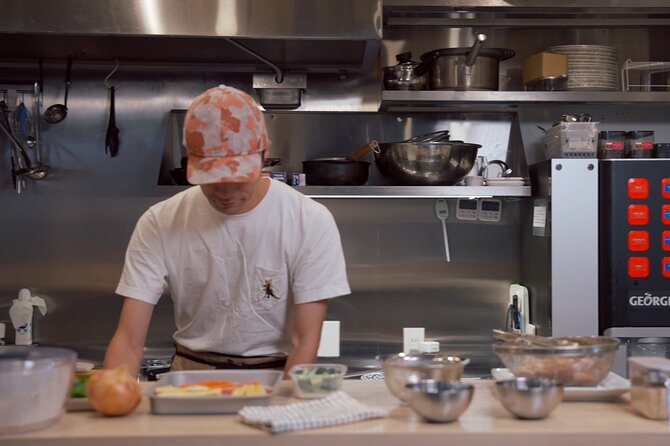
After shopping, the tour shifts to the kitchen time. The provided description says the kitchen studio has authentic equipment, is clean, bright, and easy to cook in. In a review, one guest mentioned going to the instructor’s home for a private class, which suggests the experience can feel personal and hands-on rather than like a factory-style cooking room.
Either way, what you care about is this: the space is meant for actual cooking. You are not standing around watching a demonstration. The class is designed so you participate and learn techniques you can repeat later.
What dishes you’ll likely make
The cooking menu centers on Japanese classics:
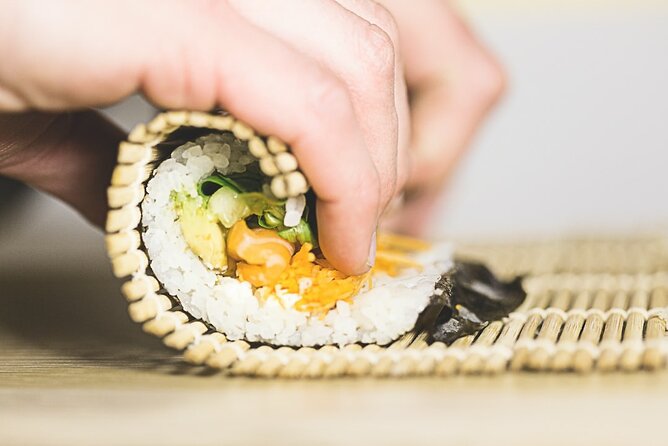
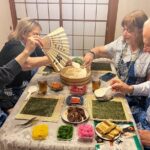
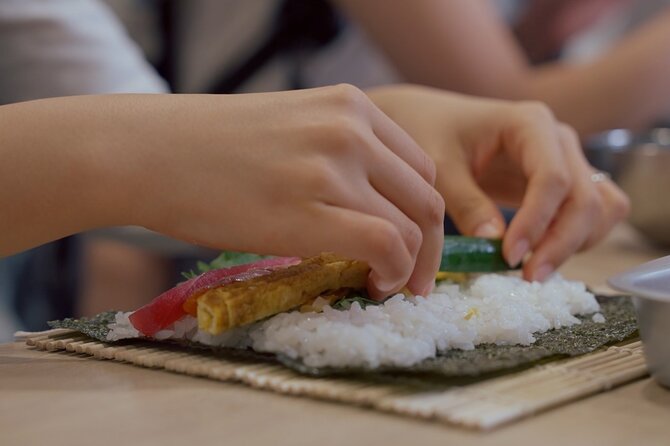
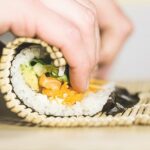
- Sushi rolls: You make rolls filled with a mix of seafood, egg, and vegetables, rolled with nori seaweed and rice. The instructor specifically frames it this way because the roll is a great platform for learning how ingredients are arranged, not just mixed.
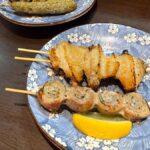
- Karaage: Japanese fried chicken. This is a favorite side dish for many people, and it is also one of the easiest dishes to recognize as “Japan” once you taste it.
- Other included dishes: One review mentions sushi, teriyaki chicken, and Japanese fried chicken. So depending on the group and menu, you might do extra favorites beyond the two core dishes described.
You will also be able to request a vegetarian menu. The tour explicitly says a vegetarian menu is available, so you do not have to try to negotiate once you arrive.
Step-by-step instruction, plus the patience factor
The reviews put a strong spotlight on teaching style. One guest wrote that the instructor was very patient and guided them through the process. That matters, because sushi rolling and frying can turn stressful quickly if nobody is watching your technique.
If you are worried about your knife skills or cooking confidence, this is a key reason to consider this tour. The description says it is suitable for all skill levels, and the class stays small so it is easier to ask questions during cooking.
You can also read our reviews of more cooking classes in Yokohama



Timing and pace: a true half-day, not a long tour trap
The duration is about 3 hours 30 minutes. That is a sweet spot. Long enough to shop, cook, and learn technique. Short enough that you can still plan an evening elsewhere in Yokohama.
I also like that the activity ends back at the meeting point. That gives you a clear finish line. No confusing end location where you need to re-navigate transit while hungry and slightly overcooked with excitement.
Because the tour uses a mobile ticket, you will likely want your phone charged and ready. It sounds basic, but on the day of, you will be focused on shopping and cooking, not troubleshooting screens.
Price and value: what you are really paying for
The price is $162.58 per person for a 3 hour 30 minute class, and the listing notes that it is booked about 33 days in advance on average. So yes, it is not a budget “snack and stroll” activity. But the value is built in.
Here is where the price makes sense for this experience:
- You get two parts: shopping and cooking, both guided.
- You buy ingredients that become your meal: That direct link is what many cooking classes miss. You are not learning in a vacuum.
- You get instruction time: A small group plus a patient guide means you are not just following along. You are building skills.
- Private tour format: Only your group participates. That typically reduces the awkwardness of waiting turns or trying to share attention with strangers.
If you compare this to a generic cooking class where ingredients are provided, this adds value because market shopping changes your whole understanding of the dish. If you compare it to a typical food walking tour, this costs more because it is longer and includes hands-on cooking.
My advice: if you are serious about recreating Japanese flavors later, this is the kind of class that pays off. If you just want quick tastings with no cooking effort, you might prefer something simpler. But if you want skills, this is priced closer to a workshop than to a sampler.
Language and comfort: what to expect if your Japanese is limited
The description states the instructor’s English is not perfect, and they will guide you in English as much as possible. That is honest, and you can work with it.
My practical tip: come with a few simple questions ready. Examples you might ask include what ingredient substitution works best, what to watch for during frying, or how to keep rice and nori from getting messy during sushi rolling. Even if you do not speak Japanese, the instructor can still explain with technique, and your questions help you get the details you need.
In one review, the instructor Ichiho did a great job guiding guests through both local food stories and the cooking. The lesson here is that you do not need perfect language. You need curiosity and willingness to ask.
Who this tour is best for (and who might not love it)
This experience fits travelers who want more than sightseeing calories. It is especially good if you:
- want a hands-on cooking skill session, not just a tasting
- like markets and local shopping patterns
- want a sushi-making experience that includes real technique
- want a small group setup where you can ask questions
It may be less ideal if you:
- are not interested in cooking at all and only want to watch
- get overwhelmed by new steps like rolling sushi or frying
- have very strict expectations for fluent English instruction without any workaround
Should you book this Yokohama cooking and shopping class?
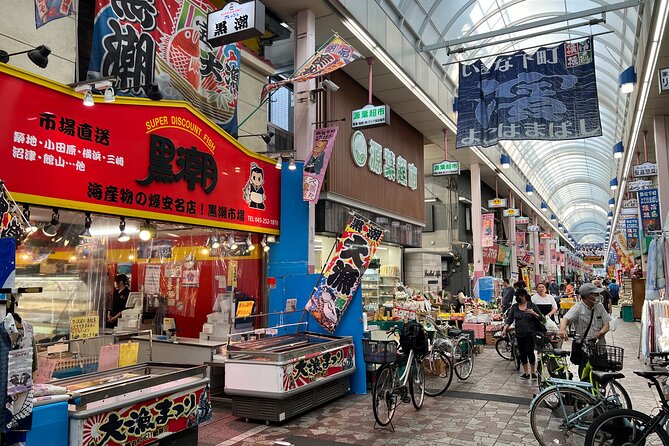
If you enjoy markets, and you want to bring home the ability to make Japanese dishes yourself, I would book this. The blend of ingredient shopping in a covered Yokohama street, then cooking with those ingredients, is the real win. The reviews also strongly point to patient teaching, which is exactly what you want when sushi rolling or frying gets tricky.
Book it sooner rather than later, since it is commonly reserved about 33 days out. And if you have dietary needs, plan to request the vegetarian menu ahead of time so you are not adjusting on the fly.
If you want a fun food memory that turns into skills, this is a great bet.
FAQ
How long is the Half-day Cooking Class in Yokohama?
It runs for approximately 3 hours 30 minutes.
Where is the meeting point?
The start point is 3-chōme-35 Yayoichō, Naka Ward, Yokohama, Kanagawa 231-0058, Japan. The activity ends back at the meeting point.
How much does it cost?
The price is $162.58 per person.
What kinds of dishes will I cook?
The class includes Japanese cooking such as sushi rolls and Japanese fried chicken (karaage). A vegetarian menu is also available, and some menus may include other dishes like teriyaki chicken.
Is this tour private?
Yes. It is a private tour or activity, and only your group participates.
Is there a vegetarian option?
Yes. A vegetarian menu is available.
How does ticketing work?
You receive a mobile ticket.
When do I get confirmation after booking?
Confirmation is received within 48 hours of booking, subject to availability.
Can I cancel for a full refund?
Yes. Free cancellation is available up to 24 hours in advance of the experience start time for a full refund. If you cancel less than 24 hours before, you will not receive a refund.
More Cooking Classes in Yokohama
More Tour Reviews in Yokohama

Not for you? Here's more nearby things to do in Yokohama we have reviewed


Cooking Classes, side by side.
 ★ 5.0Ramen & Gyoza Cooking Class in Tokyo with Local Supermarket VisitFrom $122823 reviews
 ★ 4.6Easy Ramen Cooking Experience in Kabukicho, ShinjukuFrom $29321 reviews
 ★ 5.0Ramen and Sushi Cooking Class with Sake Pairing Set in TokyoFrom $79291 reviews
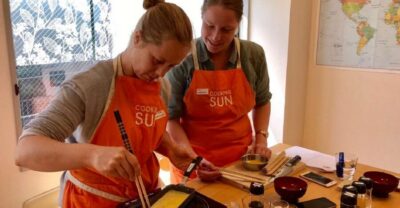 ★ 4.9Wagyu and 7 Japanese Dishes Cooking ClassFrom $67273 reviews
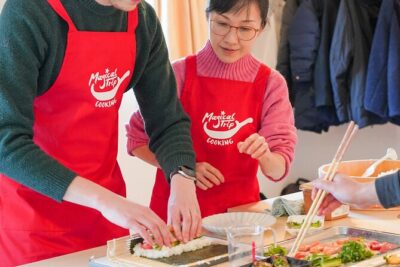 ★ 5.0Tokyo Washoku 4-hour Cooking Class: From Market to TableFrom $79253 reviews
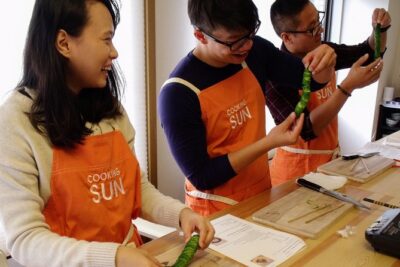 ★ 5.0Small-Group Wagyu Beef and 7 Japanese Dishes Tokyo Cooking ClassFrom $72190 reviews
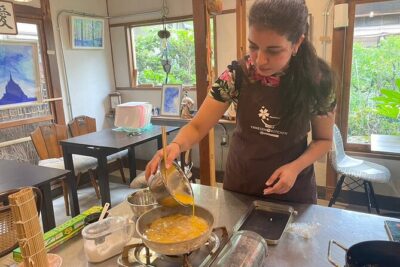 ★ 5.0Private Home Cooking in Yanaka – Local Flavors in a Warm SettingFrom $122173 reviews
 ★ 5.0Tokyo Sushi Making Experience & Japanese Cooking ClassFrom $59150 reviews
This tour also belongs to