
Review · COOKING CLASSES
Yokohama Manga Art & Japanese Cooking Experience
Manga pencils and gyoza, same night. This Yokohama experience pairs manga character drawing with hands-on sushi and gyoza in Yuka’s cozy, traditional home. The only real consideration is that it happens in a residential setting, so you’ll want to keep your schedule flexible and follow her pace.
I like that it’s designed for beginners, yet still feels like real instruction. You also get a proper meal at the end, with tea and snacks, so you’re not just learning, you’re eating what you made.
Key highlights you should care about
- Pro-led manga practice using authentic tools, plus step-by-step worksheets
- Your own original character to take home after the drawing session
- Sushi roll building with fresh, seasonal ingredients and hands-on technique
- Gyoza from scratch, from wrapping to cooking, with dipping sauces
- English and Japanese support, plus a host who responds to dietary needs
Why Yokohama Beats the Usual Japan Checklist for This Class
If your Japan trip has you bouncing between temples and train stations, this kind of activity is a smart pivot. It gives you Japan in two things people actually do, draw manga and cook everyday favorites. And it’s not staged like a demo at a big venue. It’s a real home experience, with real guidance, in Yokohama.
I especially like the pairing. You start with manga drawing, which is creative and visual, then you switch gears to cooking, which is tactile and practical. The result is a full, satisfying chunk of culture in about three hours, not a quick stop where you feel like you barely warmed up.
The location matters too. One simple truth, this is Yokohama, not Tokyo. If you’re basing yourself far from Yokohama, plan your route accordingly so you can arrive calm and ready.
You can also read our reviews of more cooking classes in Yokohama


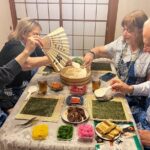
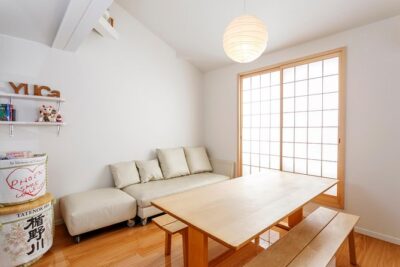
Meet Yuka and Settle Into a Traditional Home Setting
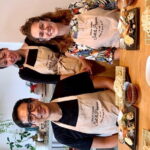
This experience is run by Sakura Sketch Japan, and your host is Yuka. In the feedback I saw, she comes across as friendly and attentive, and she answers questions without making you feel rushed. One reviewer even noted that Yuka is 25 and runs the program in her own home, which adds a personal, lived-in feel.
That home setting is more than just atmosphere. It shapes the pacing and the teaching style. A smaller, home-based environment tends to make people bolder about asking, and it also makes instructions easier to follow because you can actually see what the instructor is doing.
I also appreciate that Yuka checks in about your needs. One person specifically said she was sensitive to dietary requirements. The lesson here is simple: if you have dietary needs, tell her when you book, so the cooking parts match what you can eat.
The Manga Drawing Session: Make a Character, Not Just Copies
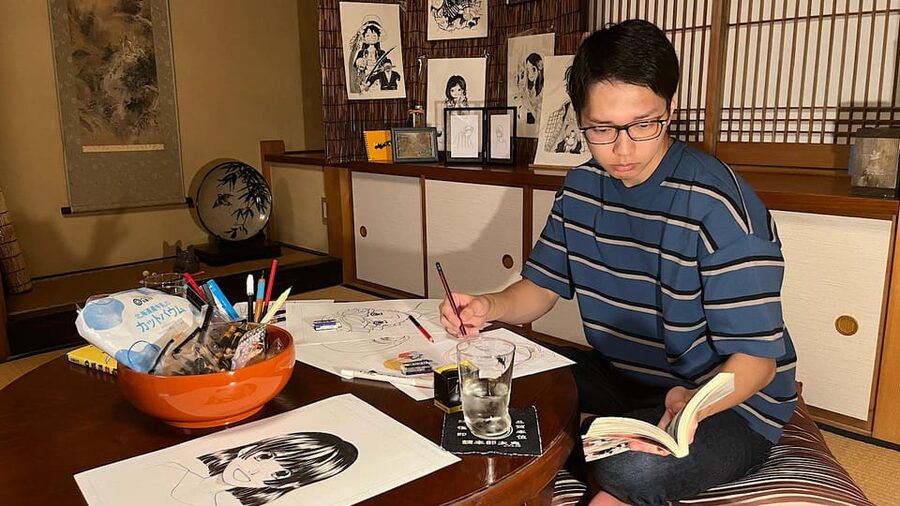
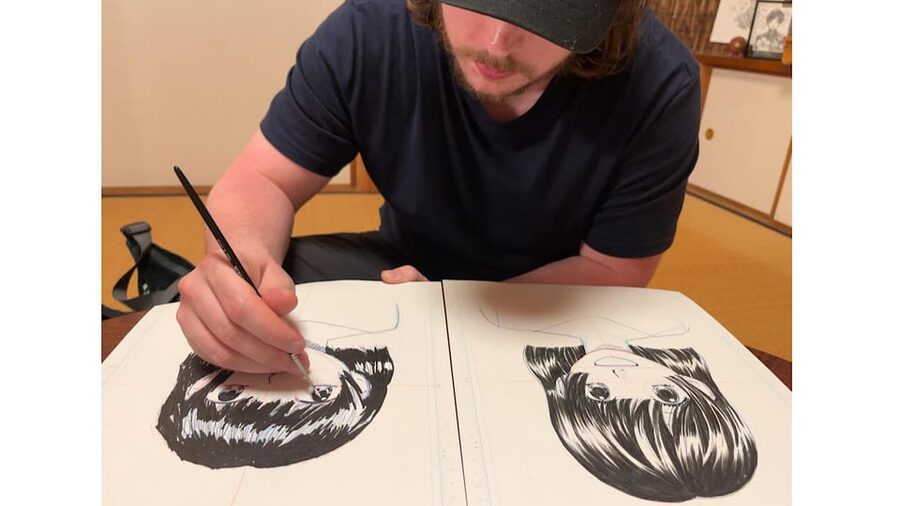
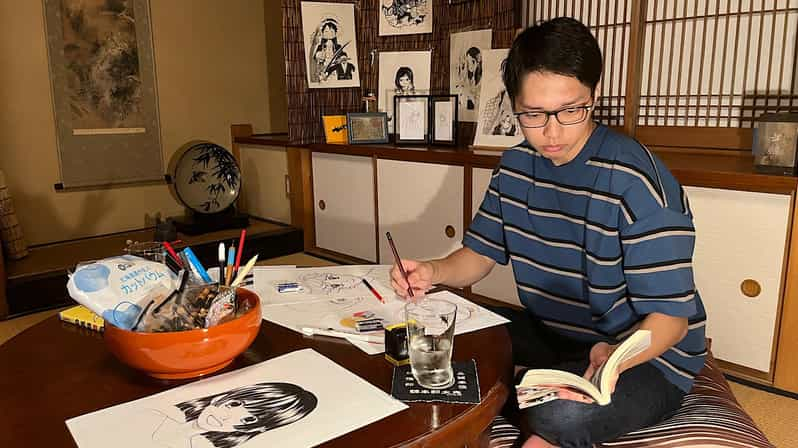
The first half focuses on manga illustration. You’ll work with a professional Japanese illustrator and learn the fundamentals in a way that makes sense even if you’ve never drawn before. This isn’t about being an artist. It’s about using a structure that helps your hand and your eye work together.
Here’s what you can expect during the manga session:
- You’re taught basics like linework, shading, and character design
- You use authentic manga tools, including pens and markers
- You follow step-by-step worksheets so you can progress one manageable step at a time
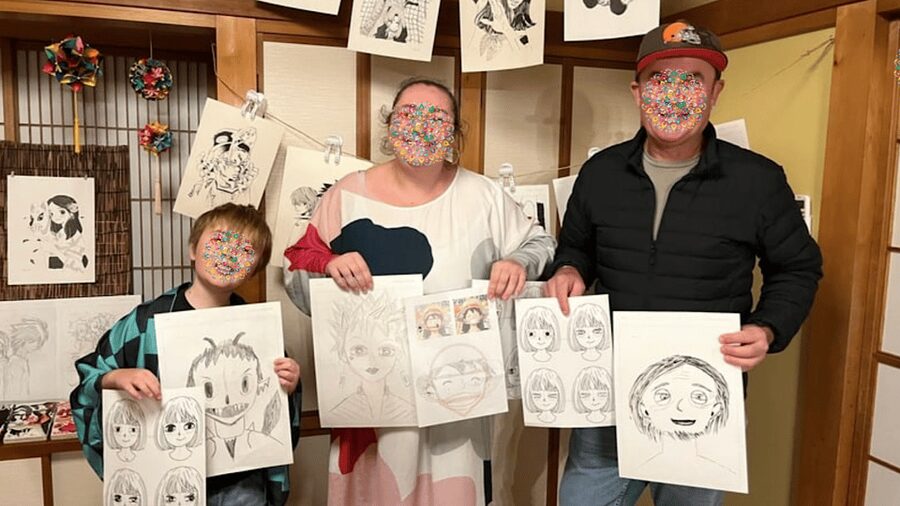
- You create an original character and can take your finished illustration home
I love how the class lowers the intimidation factor. One review basically said: if you can draw a line on paper, you can do this. That matches the worksheet approach. You aren’t improvising your way through a blank page. You’re building a character in a guided sequence.
Practical tip for you: bring curiosity, not art baggage. If you’ve spent your life thinking you’re not good at drawing, this setup is the opposite of that mindset. You’ll likely leave with something you can show without apologizing for it.
Sushi Rolls: Fresh Ingredients and Real Rolling Technique
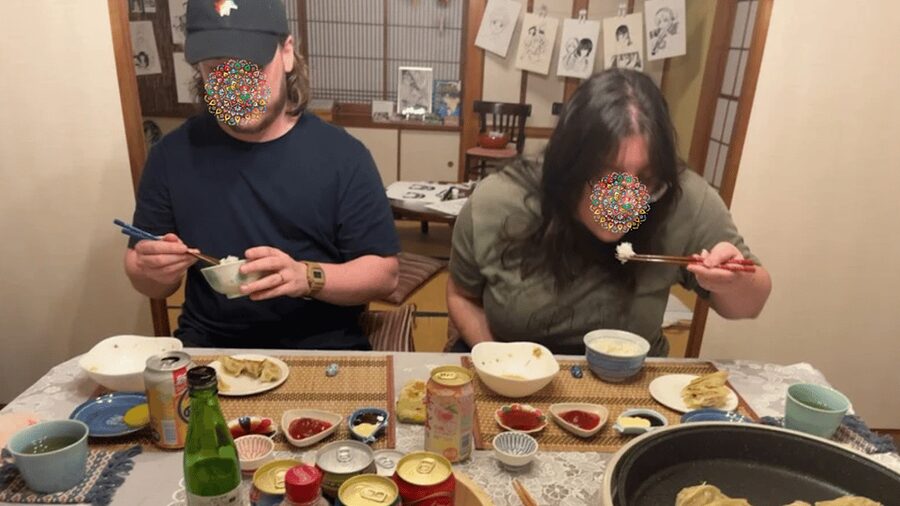
After drawing, you move into cooking. The sushi part is hands-on and structured, so you’re not just assembling random bites. You learn how to roll and shape sushi the way people actually do it, with step-by-step guidance.
The ingredients reflect what you’d hope for in Japan: fresh seafood, meat, and seasonal vegetables. There’s also rice, since sushi starts with the base. The class is designed so you can follow along even if you’ve never rolled sushi before.
What makes this valuable is the method. Rolling sushi sounds simple until you’re the one holding the mat. The class teaches you the mechanics, like how to distribute ingredients and how to keep the roll tight enough to slice cleanly. You end up with colorful rolls you helped create, which is a different kind of satisfaction than eating sushi and moving on.
Another helpful detail: you also get tools and instruction for shaping the rolls, not just ingredients. That means the learning sticks. You’re taking home a technique you can use later, even if you don’t buy the same exact fish at home.
And yes, the food quality matters. One reviewer said the sushi they got was honestly the best sushi they had in Japan. Even if you don’t rank meals that way, it’s a strong sign that the class doesn’t rely on cheap shortcuts.
Gyoza Making: Folding Skills Plus the Best Part, Cooking
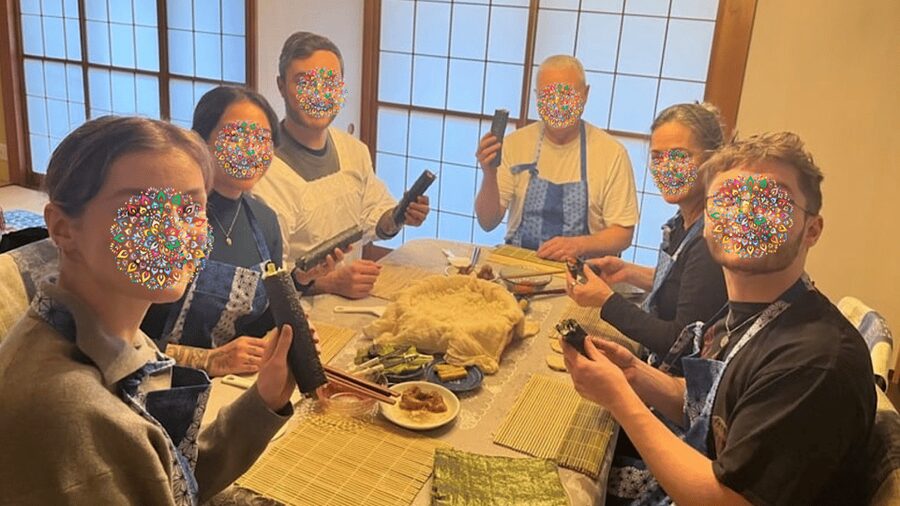
Gyoza is where you get to do something physical and satisfying. The class starts from scratch, so you learn the process rather than assembling pre-made dumplings.
You’ll practice:
- Wrapping the gyoza (this includes learning how to fold and seal)
- Cooking the dumplings with guidance
- Pairing them with dipping sauces
- Enjoying what you made as a handmade meal
This segment is especially rewarding because it takes skill you can feel. Even the first few dumplings give you a sense of progress. If a wrapper opens or a fold looks uneven, you see exactly what to adjust next time. That feedback loop is why people rate this activity so highly.
Also, gyoza is one of those foods where the difference between okay and great is obvious once you take a bite. Cooking technique affects crisping and texture. Since you’re cooking them yourself, you’re not just tasting. You’re learning what changes matter.





The Meal: Tea, Snacks, and the Calm Pace of a Home Table
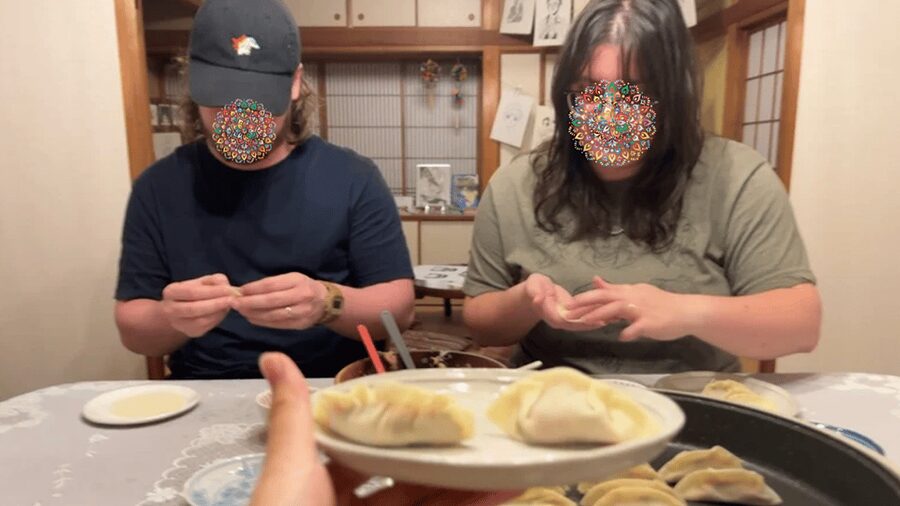
After the cooking, you sit down and enjoy a relaxed dining time. You’ll eat the sushi rolls and gyoza you made, plus snacks and Japanese tea.
This part matters more than it sounds. In many hands-on classes, you stand over a counter and then get told to eat something later. Here, the meal is part of the experience flow. That gives you time to ask questions, compare what you made, and actually taste the results while things are still fresh.
I also liked that there are snacks you might not otherwise try. One review mentioned they tried snacks they probably wouldn’t have chosen alone. That’s a real travel win. You get nudged beyond your comfort zone, but you still get supported in the process because you’re with a host who knows what the food is and how it should taste.
Languages, Comfort, and Beginner-Friendly Instruction
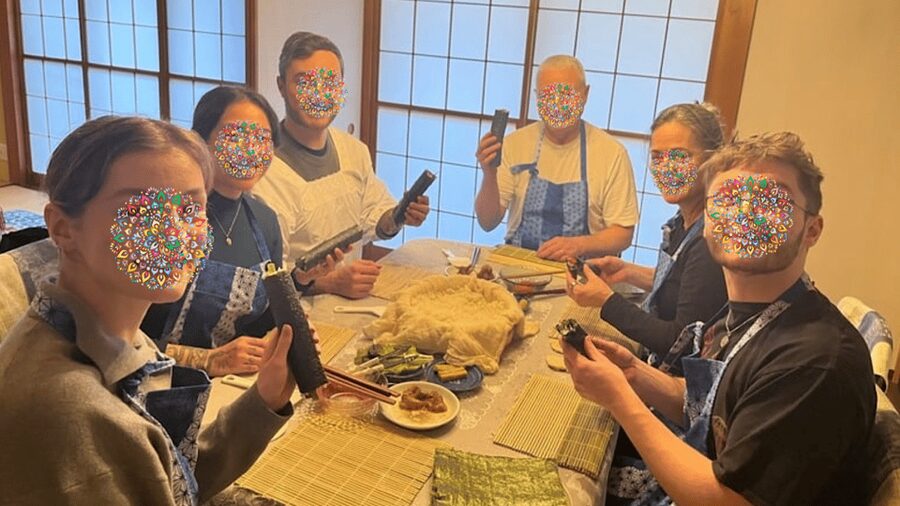
The class is available in English and Japanese, which is a big deal if your Japanese level is limited. Even if you understand only a little, having English support means you can follow instructions without guessing. Manga drawing and cooking both rely on clear steps, so language support directly improves your results.
On top of that, this is truly built for beginners. The experience is framed as beginner-friendly, with no prior drawing or cooking skills needed. And the feedback backs it up with straightforward confidence, especially around the step-by-step drawing process and the hands-on gyoza wrapping.
Still, here’s a practical consideration. You’ll get the best experience if you show up ready to participate. If you’re the kind of traveler who wants to watch from the corner, you might feel slightly more limited. This is a do-it-yourself class, even if someone is guiding you the whole way.
What $81 Buys You, and Why It Feels Fair
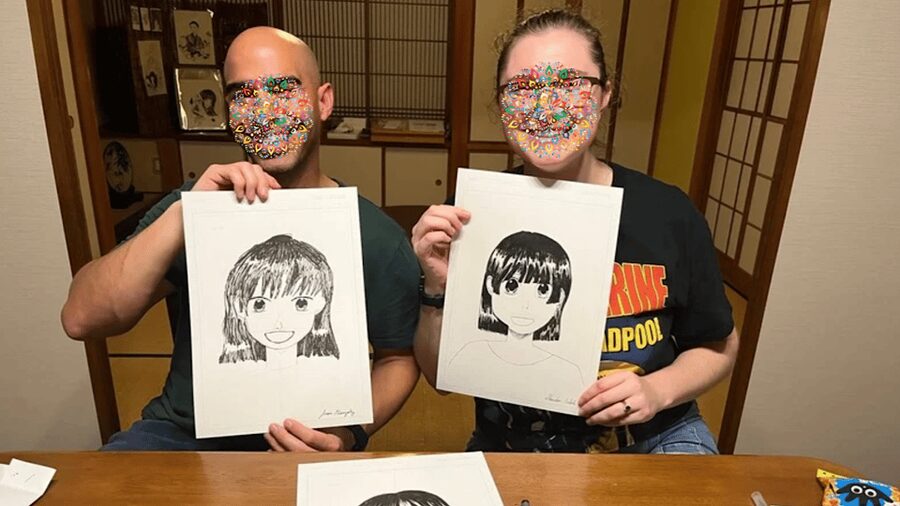
Let’s talk value in a grounded way. At about $81 per person, you’re not paying for a single demo. You’re paying for:
- A professional-led manga illustration session with tools and worksheets
- A take-home original character illustration
- A sushi roll class with fresh ingredients, tools, and step-by-step guidance
- A handmade gyoza class, including wrapping, cooking, and sauces
- Dining time with sushi, gyoza, snacks, and tea
That’s basically two skills plus a meal, delivered in a home setting. If you compare it to the cost of buying supplies for just one cooking workshop, or paying for a one-off art class that doesn’t include food, it starts to make sense.
Also, the take-home factor is real. You don’t leave with just photos. You leave with an illustration you made. For many travelers, that’s the part they end up looking at again months later.
One more value angle, this is an experience that teaches you how, not just what. You’ll likely remember the sequence of a roll or the feel of folding a gyoza wrapper. That’s practical knowledge you can reuse.
Who Should Book This (and Who Might Think Twice)
This is a strong fit if you:
- Love manga or want to try a hands-on drawing class in Japan
- Want Japanese food that’s not just sit-and-eat, you want to make it
- Prefer a cozy, traditional home setting over large group activities
- Travel with curiosity and don’t mind getting your hands busy
It may not be perfect if you:
- Want a high-energy, city-style sightseeing experience
- Prefer activities that are strictly observation-based
- Are scheduling very tight connections and can’t flex for a home-based time flow
If your goal is authentic daily-life culture, this checks that box in a way big-ticket sightseeing sometimes can’t.
Should You Book Sakura Sketch Japan in Yokohama?
If you want one activity that combines creativity and comfort food, I think this is worth booking. The ratings make sense because the experience hits multiple travel needs at once: skill-building, real hospitality, and a meal that comes from your own effort.
My decision checklist is simple:
- If manga art is a real interest, you’ll get a structured drawing process and a take-home result.
- If you want to eat Japanese food with a deeper connection, sushi rolls and gyoza are taught step-by-step and then served right away.
- If you value warm hosting, Yuka’s friendliness and question answering show up strongly in the feedback.
Book this when you can spend time in Yokohama without rushing. You’ll get more out of it, and the home-table calm makes the whole experience feel like a small slice of Japanese life rather than a stop on a checklist.
FAQ
How long is the Yokohama manga and cooking experience?
It lasts about 3 hours.
How much does it cost?
The price is $81 per person.
Where does the experience take place?
It takes place in Yokohama, Honshu, Japan, in a cozy traditional Japanese home.
What languages are available?
The experience is offered in English and Japanese.
Is it suitable for beginners?
Yes. You do not need prior drawing or cooking skills, and the class uses step-by-step guidance.
What will I make during the class?
You’ll make manga-style art by creating an original character, plus sushi rolls and handmade gyoza.
Are there any dietary accommodations?
The host is described as sensitive to dietary needs, so it’s best to share your needs when you book.
More Cooking Classes in Yokohama

More Tour Reviews in Yokohama



Not for you? Here's more nearby things to do in Yokohama we have reviewed



Cooking Classes, side by side.
 ★ 5.0Ramen & Gyoza Cooking Class in Tokyo with Local Supermarket VisitFrom $122823 reviews
 ★ 4.6Easy Ramen Cooking Experience in Kabukicho, ShinjukuFrom $29321 reviews
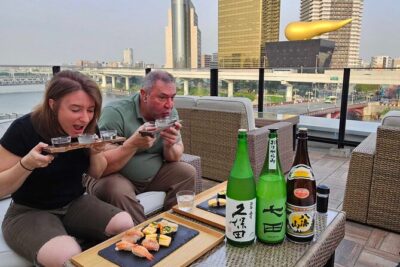 ★ 5.0Ramen and Sushi Cooking Class with Sake Pairing Set in TokyoFrom $79291 reviews
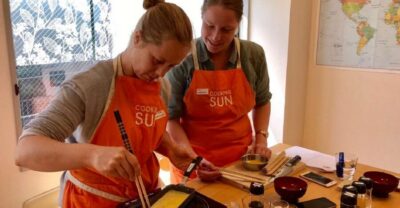 ★ 4.9Wagyu and 7 Japanese Dishes Cooking ClassFrom $67273 reviews
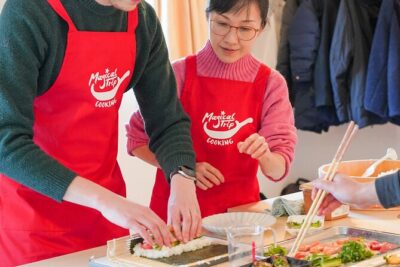 ★ 5.0Tokyo Washoku 4-hour Cooking Class: From Market to TableFrom $79253 reviews
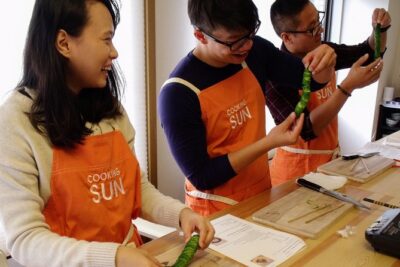 ★ 5.0Small-Group Wagyu Beef and 7 Japanese Dishes Tokyo Cooking ClassFrom $72190 reviews
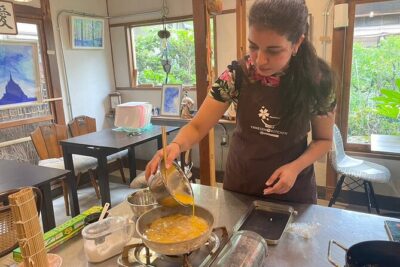 ★ 5.0Private Home Cooking in Yanaka – Local Flavors in a Warm SettingFrom $122173 reviews
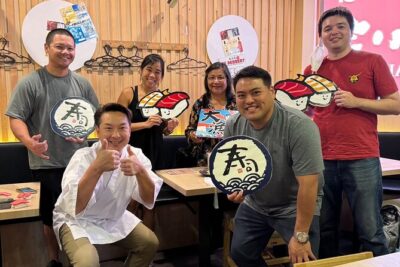 ★ 5.0Tokyo Sushi Making Experience & Japanese Cooking ClassFrom $59150 reviews
This tour also belongs to