
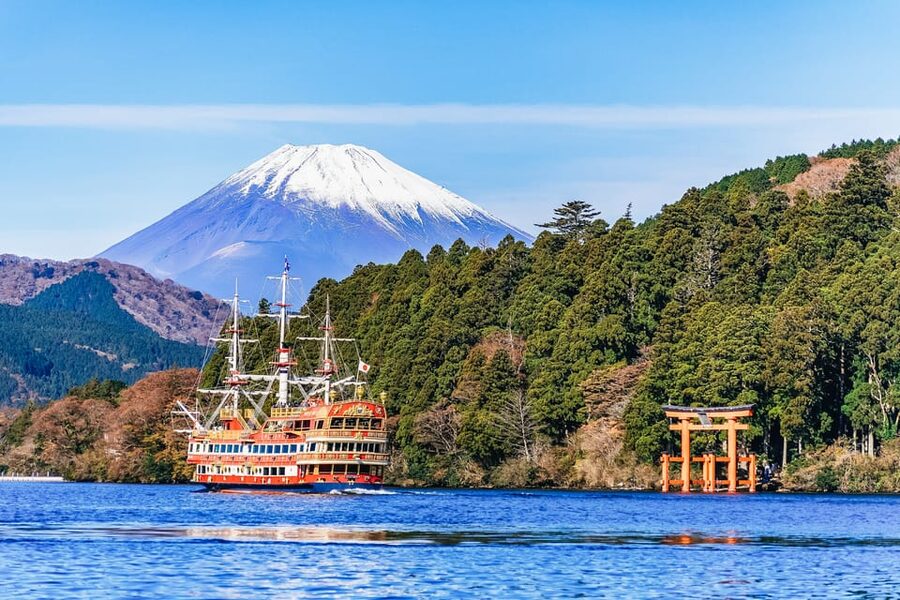
Review · MOUNT FUJI TOURS
Tokyo Mt Fuji 5th St & Hakone Cruise Bus Tour w/Bullet Train
Mt. Fuji in one packed day, plus Shinkansen speed. You get a guided route up to about 2,000 meters for the classic Fuji look, then pivot to Hakone for ropeway and a Lake Ashi boat. It is the kind of day where the plan matters, because weather and mountain access can change fast, and guides like Lisa or Yuta help keep the day smooth.
Two things I really like: the convenience of an air-conditioned coach with onboard Wi-Fi, and the way the tour strings together the big hits from Fuji to Hakone without you having to decode transit schedules. The big drawback to keep in mind is that Mt. Fuji access and some Hakone operations depend on weather, traffic, and safety limits, so you may get a smart alternative if the day turns cloudy or windy.
Key Things That Make This Tour Work
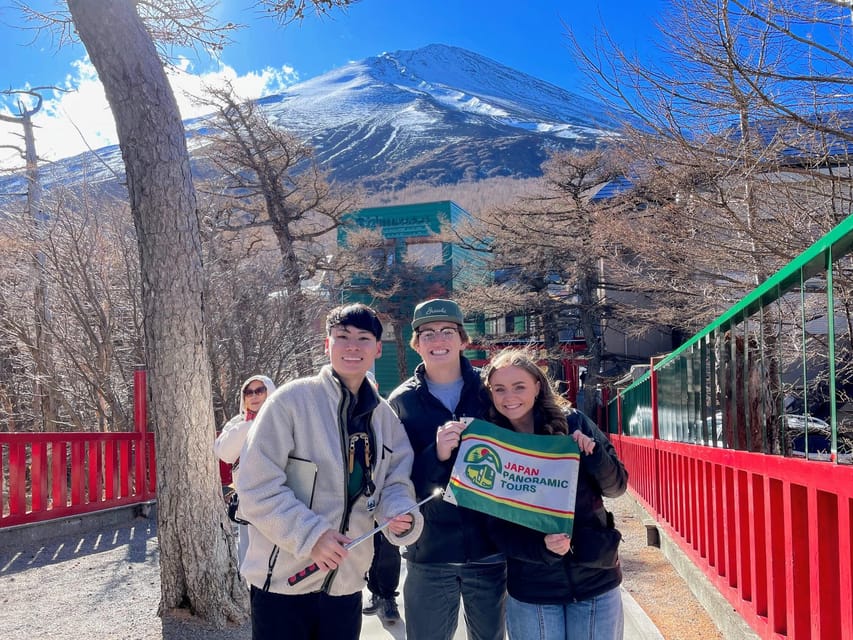
- English-speaking guide plus audio headsets in multiple languages to cut through confusion fast
- Mt. Fuji 5th Station area (or a substitute) with a Shinto shrine stop and real mountain atmosphere
- Hakone Ropeway with big panorama potential on clear days, then Lake Ashi cruise for the calm payoff
- One-way Shinkansen from Odawara back to Tokyo, so you ride the iconic train without extra figuring
- All-in-one logistics (coach, tickets, lunch option) that saves you time versus DIY connections
From Ginza and Shinjuku Pickups to the Fuji Start Line
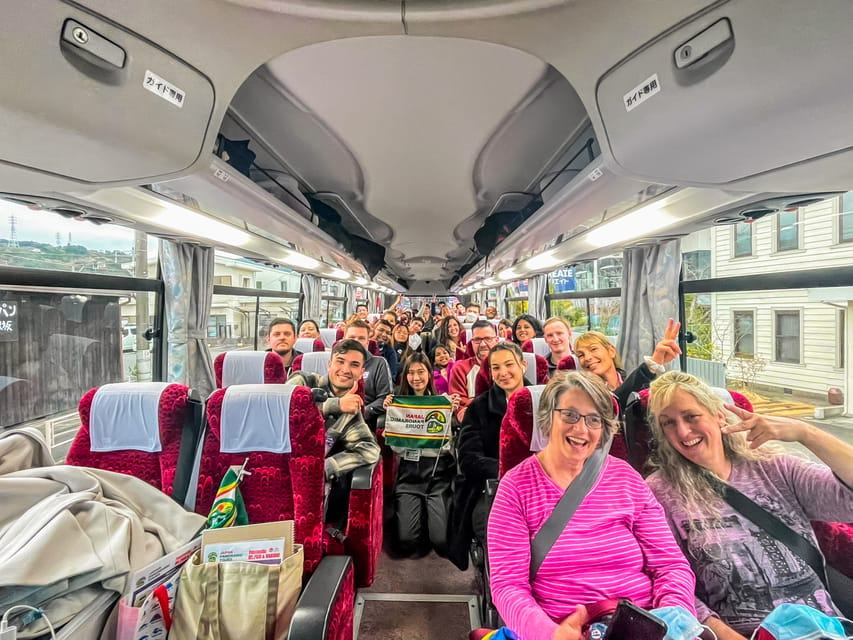
This day trip is built for people who want the highlights, without turning the day into a transit puzzle. You start from one of the listed meeting points near Ginza or the Robert Indiana LOVE sculpture area, or from the Matsuya Ginza pickup, depending on what you booked. The group then heads out by deluxe coach with air-conditioning and Wi-Fi, which is a big deal when you are leaving Tokyo for a mountain day.
The guide is not just there for narration. A good host is also there for flow, timing, and keeping everyone pointed the right way when crowds surge at ropeways and stations. Based on the guide names you will see for this tour, you can expect lively, helpful people such as Angela, Aya, Kazu, Levin, or Sora. Some days even feel extra smooth when the group is smaller, which helps when you want photos without sprinting.
One practical tip: wear shoes that work for uneven pavement and quick changes in footing. You are going to step out, walk to sights, and get back on the coach. It is simple, but the mountain day adds up.
You can also read our reviews of more boat tours in Tokyo


Mt. Fuji 5th Station: What You Actually Get at 2,000 Meters
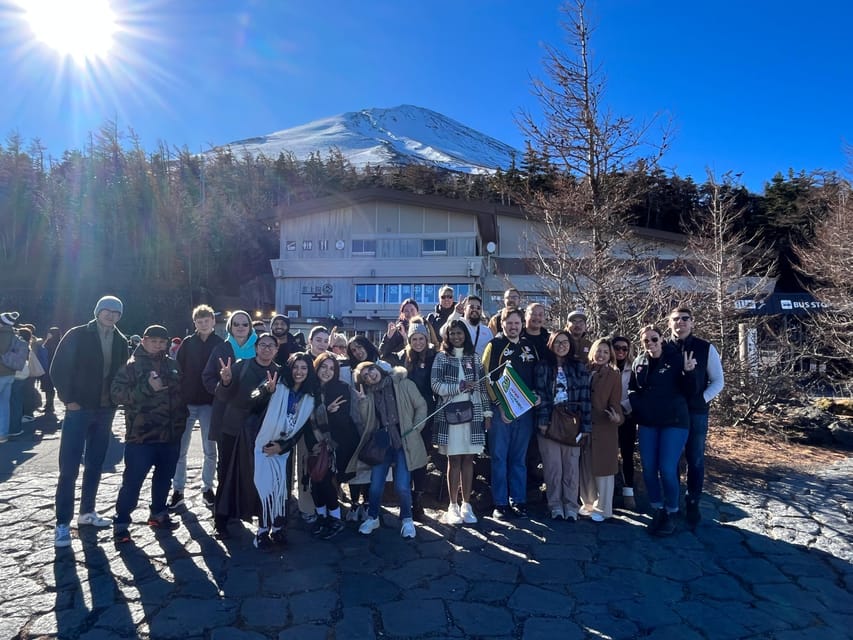
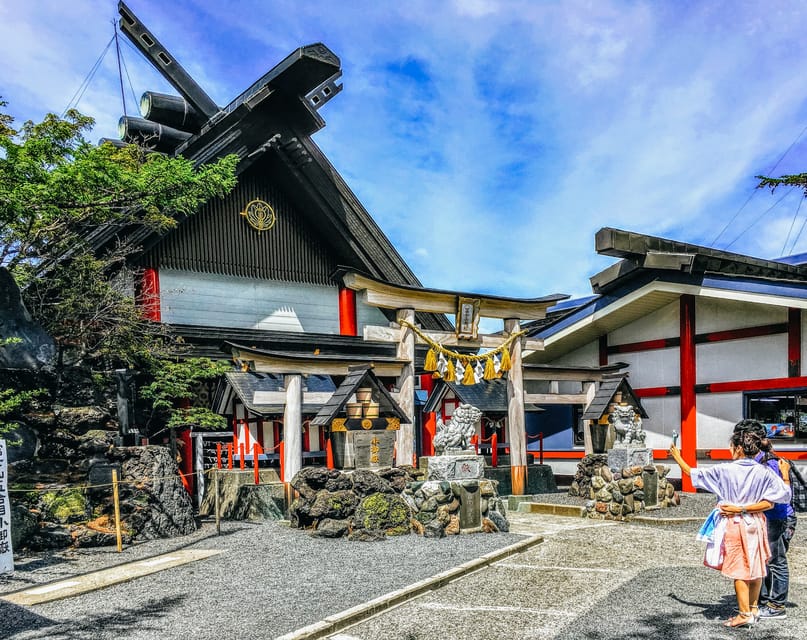
The tour’s main Fuji goal is a visit to the 5th station, listed at roughly 2,000 meters above sea level. Once you get there, you step into a colder, quieter world than the Tokyo streets. Even when the sky is not perfect, the high-altitude feel is part of the experience, and the Shinto shrine stop adds a more respectful, local mood than a straight viewpoint photo stop.
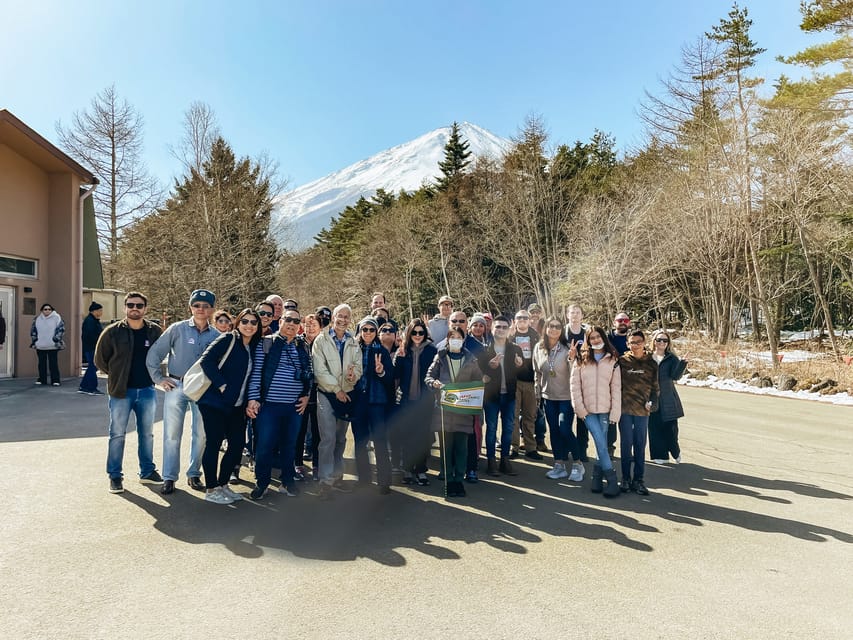
Here is the important part: Mt. Fuji access depends on conditions. If weather or safety rules stop you from going higher, the tour plans for an alternative rather than leaving you stuck. The alternative can include visits like Oshino Hakkai or another scenic spot, and the order of stops can shift based on traffic, weather, or operations.
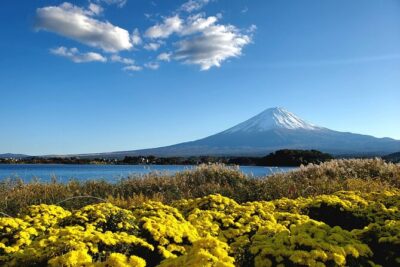
A real-world consideration: winter trips can be very cold up high. Warm layers matter, and so do gloves if you run cold. The good news is the day is designed so you still get meaningful scenery even when the mountain is playing hide-and-seek. If Fuji reveals itself, you’ll see why people chase this image for years.
Buffet Lunch With a View, Plus the Meal Reality Check
After the Fuji portion, the bus heads to a buffet lunch spot with a mountain view. The lunch is a Japanese buffet with fresh local ingredients, and there are vegetarian and Muslim-friendly options available if you request them in advance.
The menu rules are pretty specific, so I would plan around them:
- Vegetarian option is described as no meat, no alcohol, and no seafood.
- Halal and vegan meals are not available.
One more thing to watch: lunch timing can feel rushed depending on how the day goes. You are on a 10-hour schedule with multiple ticketed activities, so if you love slow meals, you might find this part tighter than a restaurant day in Tokyo. I suggest arriving hungry, then enjoying it without counting on long browsing time.
If you are flexible, the lunch fits the day well. You get fuel, you get a view, and then you head into Hakone’s ropeway and lake timing.
Hakone Ropeway and Komagatake or Hakone Mountain Choices
Hakone is where the tour turns from mountain icon to scenic, tourist-friendly nature. After lunch, you travel into the Hakone area and start at either Hakone or Komagatake mountain to ride a ropeway.
On clear days, that ropeway is where you get those wide panoramas that make the whole Fuji detour feel worth it. On cloudy days, it is still worthwhile for the motion, the views you do get, and the way Hakone’s terrain looks when you ride up high.
One key scheduling note: the specific pickup point depends on the day’s plan. The tour states you will visit Mt. Hakone or Mt. Hakone-Komagatake depending on schedule.
Also, ropeways can be affected by wind and operations. On some days, high winds may change what you can do, so do not treat the ropeway time as guaranteed perfection. The tour generally keeps moving with alternatives when operations change, so you still get a Hakone highlight instead of a wasted segment.
Lake Ashi Cruise: The Calm Break After Altitude
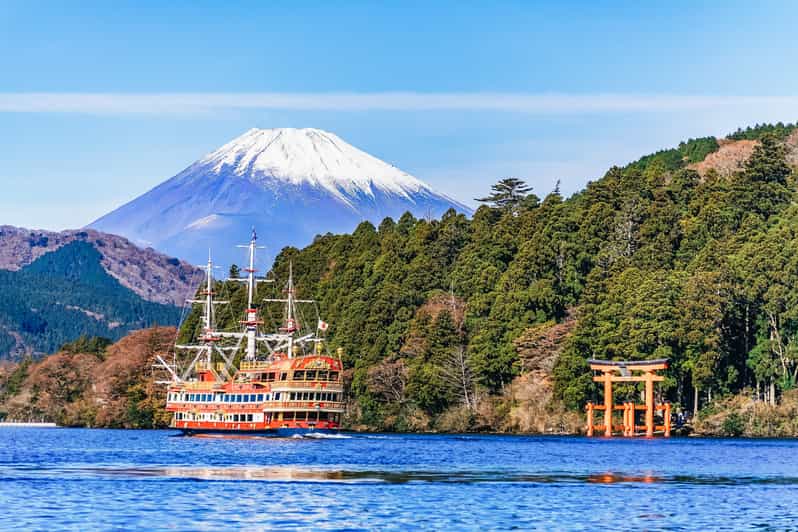
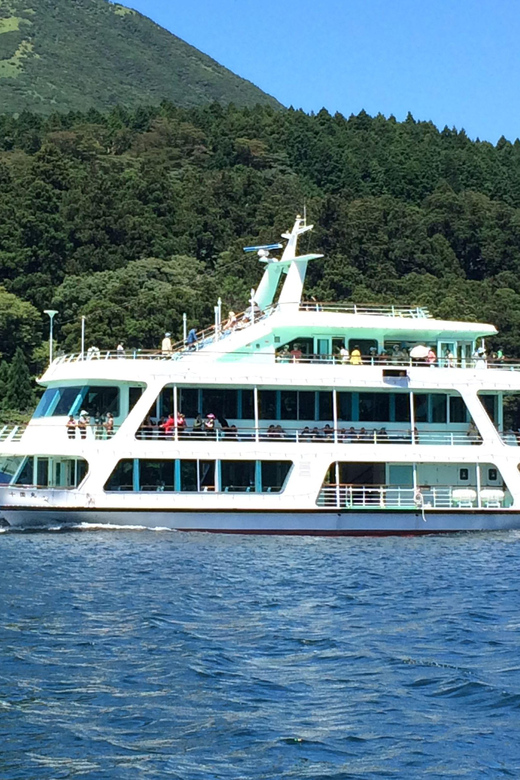
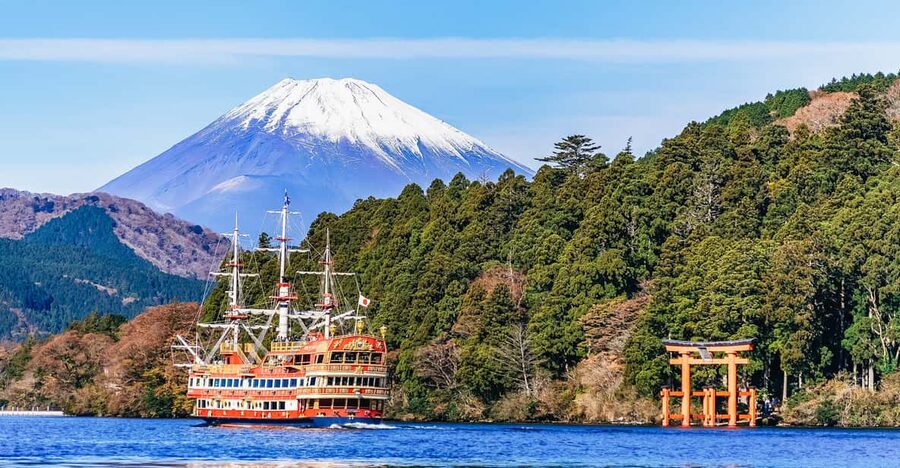
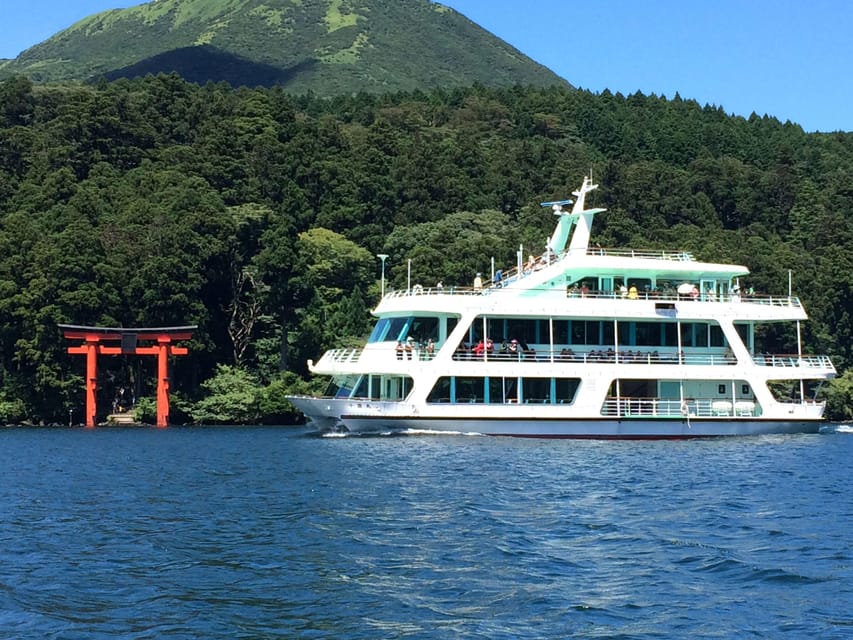
Once you reach Lake Ashi, you board the scenic cruise on the caldera lake. This is the “exhale” moment after the ropeway and mountain walking. Even when you do not catch Fuji in full view from the boat, the cruise itself is still a good contrast to the higher, colder air earlier in the day.
The cruise duration is limited by scheduling, so you will enjoy it, but you likely will not have an all-afternoon linger. That is normal for a day trip that also includes the train ride home.
If you love photography: go into this segment knowing visibility can change quickly. Clouds move. Light shifts. Sometimes Fuji appears later than you expect, and some days it shows itself when you are already on the water.
The tour is also set up with contingency options if an activity like a specific boat segment is not available. In those cases, the tour may substitute another lake boat experience such as Swan Lake on Lake Yamanaka or another sightseeing boat option, so you are not paying for nothing if operations change.




The Odawara Stop and Shinkansen Back to Tokyo
The return portion is a big part of the appeal. After Hakone, the coach drops you at Odawara Station, where you take a one-way Shinkansen ride to Tokyo Station. The train segment is about 40 minutes, and you land back in Tokyo around 6 PM.
This is the most practical “wow” moment of the whole day. Instead of figuring out transfers, ticketing, and platform navigation when you are tired, you get a pre-planned jump straight into the famous train experience.
One detail that matters: you are arriving at Tokyo Station, not some random stop far from where you want to end the day. That makes it easier to finish with food, a hotel visit, or an evening plan without extra friction.
Price and Value: What You Are Really Paying For
At $154 per person for a 10-hour tour, you are paying for more than transportation. Your ticket covers:
- Deluxe coach with Wi-Fi
- Professional English-speaking guide
- Hakone ropeway and Lake Ashi cruise tickets
- Optional buffet lunch
- Audio headsets in Spanish, French, Italian, German, Portuguese, and Ukrainian (when needed)
- One-way Shinkansen from Odawara to Tokyo Station
If you planned this yourself, you would still need multiple tickets and a plan for timing, plus someone to help you make calls if the weather shuts down access. Here, the tour structure handles the transitions. That can be a real value for first-timers who do not want to burn half their day on logistics.
I also like the way this tour builds in language support. The audio headsets and English guide together reduce the stress of “Will I miss the explanation?” That matters when you are learning what you are looking at, like the shrine stop or the Hakone area context.
Who This Tour Suits Best, and Who Might Want Something Else
This is a good match if you want a structured day with the biggest “greatest hits” around Fuji and Hakone. It is also a strong option if you are not comfortable managing Japan transit on a tight timeline.
This tour may not fit you if you:
- Are pregnant
- Have respiratory issues
- Have pre-existing medical conditions
Even if you are physically able to manage walking between stops, altitude and cold are part of the Fuji segment, and ropeway and boat steps add movement throughout the day.
If your travel style is slow and you hate schedules, this may feel like a sprint. Several guides do a great job making it fun, but it is still a packed route. If you want maximum chill time in Hakone or a longer Fuji hike, you would probably prefer a multi-day plan.
Should You Book This Mt. Fuji and Hakone Day Trip?
Book it if you want one day that delivers Fuji, then Hakone, then the Shinkansen payoff back in Tokyo, all with an English-speaking guide and ticketed activities handled for you. It is also a sensible choice if you want options when the mountain day goes sideways, because the tour uses alternatives like Oshino Hakkai or other scenic substitutions rather than calling the day a loss.
Skip or reconsider if you want lots of downtime, or if cold weather and altitude could be a problem. Also, if you have your heart set on always reaching the exact 5th station no matter what, know that weather, traffic, and safety rules can limit the summit approach. That is not unique to this tour, it is just how Mt. Fuji days work.
FAQ
What does the tour include?
The price includes pickup from Matsuya Ginza or the Love statue area, an air-conditioned deluxe coach with onboard Wi-Fi, a professional English-speaking guide, Hakone ropeway and Lake Ashi cruise tickets, audio headsets (Spanish, French, Italian, German, Portuguese, Ukrainian), and a buffet lunch if you select that option. It also includes a one-way Shinkansen ticket from Odawara Station to Tokyo Station.
Is hotel pickup and drop-off included?
No. Hotel pickup and drop-off are not included.
Where do I meet the tour?
Meeting points can vary based on the option booked. Options include Ginza Station near the Robert Indiana sculpture LOVE area.
What happens if the tour cannot reach the 5th station or activities are affected?
If weather or traffic prevents travel beyond the 4th station, the tour arranges an alternative such as Oshino Hakkai or another scenic spot. If operations are suspended or schedule changes, the tour may visit alternative places or provide compensation, and refunds are not given for those changes.
Is lunch included, and can I request vegetarian or Muslim-friendly options?
Lunch is included only if you select that option. Vegetarian options are available and described as no meat, no alcohol, and no seafood. Muslim-friendly options are also mentioned as available upon request. Halal and vegan meals are not available.
If I have a JR pass, can I use it on the Shinkansen?
The guidance is to book the Return by Bus activity if you have a JR pass.
What should I bring, and what is not allowed?
Bring comfortable shoes and warm clothing. Drones are not allowed.
Wrapping Up
If you want a single, well-organized day that covers Mt. Fuji access, Hakone ropeway and Lake Ashi, and then returns you to Tokyo by Shinkansen, this tour hits the right buttons. Just pack for cold, keep expectations flexible for weather, and you will get a day that feels like three trips stitched together into one smooth timeline.
More Boat Tours & Cruises in Tokyo

More Tours in Tokyo
More Tour Reviews in Tokyo
Not for you? Here's more nearby things to do in Tokyo we have reviewed












Mount Fuji Tours, side by side.
 ★ 5.0Mt Fuji and Hakone 1-Day Bus Tour Return by Bullet TrainFrom $16326,383 reviews
 ★ 4.0Mt Fuji & Hakone Cruise, Drum Show Bullet Train 1 Day from TokyoFrom $1497,413 reviews
 ★ 4.5From Tokyo: Mount Fuji Full-Day Sightseeing TripFrom $684,970 reviews
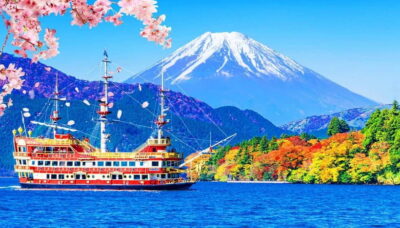 ★ 4.7Mt. Fuji Tour, Hakone Ropeway, Owakudani, Lake AshiFrom $544,002 reviews
 ★ 4.2Mt. Fuji 5th Station & Hakone Cruise 1-Day Bus TourFrom $1292,381 reviews
 ★ 4.7Mt Fuji Top 5 Spots Day Tour: Arakurayama Park,Oshino HakkaiFrom $532,066 reviews
 ★ 5.0Private Tour to Mt. Fuji and Hakone (Fully Licenced Operator)From $4971,910 reviews
 ★ 4.9Mount Fuji Full-Day Private Tour from Tokyo (Customizable)From $3931,470 reviews
This tour also belongs to