
Review · MOUNT FUJI TOURS
Mt Fuji Sightseeing Private tour with English Speaking Guide
A Fuji day is easier when someone else handles traffic. This private tour strings together the big icons, from Mt. Fuji 5th Station to Hakone’s geothermal wonders, with a guide who keeps the day moving smoothly. I also like that you get a flexible feel, with recent guides including Ali and Usman getting real praise for pace and care.
Two things I like a lot are the hotel pickup and drop-off (low stress from the start), and the mix of viewpoints plus quieter stops like shrines in the forest. One thing to keep in mind is Fuji visibility is weather-dependent, so you’ll want layers and a plan for cloudy conditions.
Key points before you go
- Private vehicle and driver, so you are not stuck riding the long way between viewpoints.
- Mt. Fuji 5th Station for classic high-elevation views when conditions cooperate.
- Lake Ashi cruise plus Hakone sightseeing for variety beyond one region.
- Owakudani Valley geothermal activity, including steaming vents and the famous black eggs.
- Real-life guide praise, including Ali, Usman, Zaman, and Hassan, often for timing and photo help.
- Customizable routing, so you can adjust what matters most to your group.
Why a Private Mt. Fuji and Hakone Day Feels Worth It
If you’ve tried to plan Mt. Fuji day trips from Tokyo, you already know the issue. It’s not just distance, it’s timing. Trains, buses, and crowd peaks can turn a simple day into a logistics puzzle.
This private format fixes that. A guide and private vehicle pick you up in Tokyo, then move you site to site at a pace that feels realistic for a 10 hour day. It also means you spend more time on views, shrines, and lakes, and less time watching the clock.
The other reason I’m a fan is the balance of famous stops and calmer moments. You get iconic Mt. Fuji framing points, then you slow down with forest shrines and geothermal steam. If you like photos, great. If you like atmosphere, you still win.
The Morning Start: Tokyo Pickup and Timing for Better Fuji Views
You start with pickup from your Tokyo hotel or apartment, and pickup is also possible from train stations. That matters because you avoid the awkward step of coordinating meeting points with everyone in your group.
Timing matters even more for Mt. Fuji. You can’t control the clouds, but you can control when you arrive at key viewpoints. Some guides have recommended early starts to help avoid Tokyo traffic and improve chances for clear skies. That’s smart, because the day can feel effortless when you’re not fighting rush-hour bottlenecks.
Also, because the tour is private, you’re less likely to get stuck behind a slow moving crowd the way group bus tours sometimes do. It still can get busy at viewpoints, but your guide can help you manage the order and time.
You can also read our reviews of more guided tours in Tokyo

Mt. Fuji 5th Station: The Closest You Can Feel
The day’s centerpiece is the drive up to Mt. Fuji 5th Station. Expect a guided stop of about an hour, with panoramic views depending on visibility. This is the point where Fuji stops being a postcard mountain and becomes something you can really study, from slopes and ridgelines to the way the clouds sit around it.
Why this stop is so valuable: it’s not just the view, it’s the altitude feeling. Even if you don’t climb further, standing at a high station changes your sense of scale. It’s one of the best ways to experience Fuji in a single day without doing a multi-day hike.
Practical note: weather at elevation can shift fast. Bring layers even if Tokyo feels warm. Comfortable shoes help too, because you’ll be on your feet at scenic areas.
Lake Kawaguchi and Oishi Park: Classic Fuji Framing
After the high-station Fuji moment, the itinerary shifts to the Lake Kawaguchi region. You’ll visit Lake Kawaguchi itself for about an hour, then continue to Oishi Park for another guided hour.
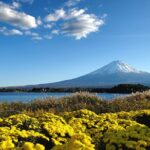
This is where the scenery style changes. Instead of high-elevation air, you move into lakeside viewpoints where Fuji often appears reflected or framed against water and surrounding hills.
Oishi Park is especially useful for photos because it’s built for people who want the mountain in frame without a complicated setup. It’s also a good reset after the busier feeling of Mt. Fuji access roads. You can take your time, look around, and grab a few angles.
If your group’s goals are mostly photos, this segment is where you’ll feel the payoff for choosing a guided day trip rather than trying to juggle multiple bus transfers.
Arakurayama Sengen Park and Chureito Pagoda: Photo Stops With Real Queue Reality
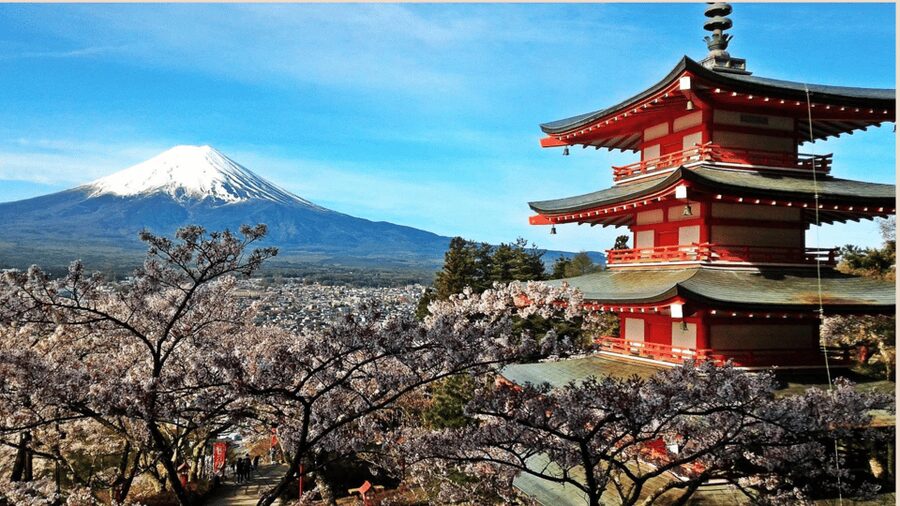
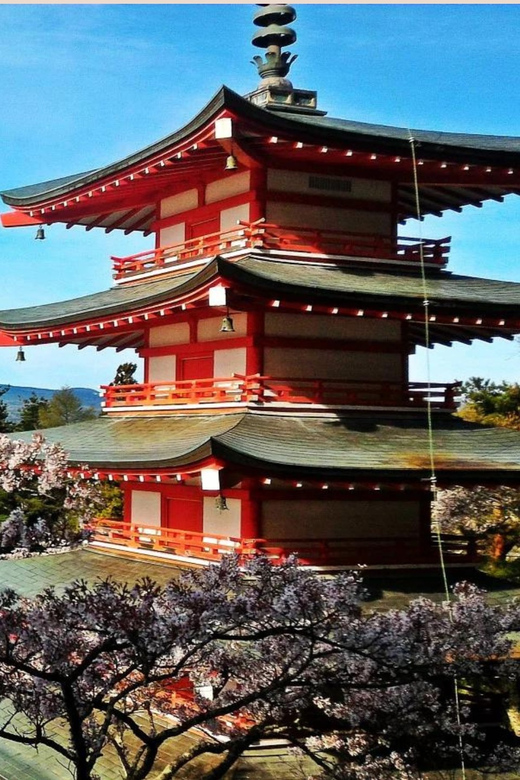
Next up are Arakurayama Sengen Park and Chureito Pagoda, two of the most famous Fuji-view pairings in the region. You get about an hour at Arakurayama Sengen Park, then time at Chureito Pagoda.
These are popular for a reason: the pagoda view with Fuji in the background is iconic. But popularity comes with a practical reality. Plan on lines at busy times, especially if you arrive later in the morning.
Your advantage is that you’re not managing this alone. Your guide helps you time the walking, keeps your group together, and helps with what to prioritize if the queue pace is slower than expected.
One more tip: wear shoes that handle steps and uneven ground. Even when the walks are short, you’ll appreciate traction. And bring your camera or smartphone fully charged, because the view angles can be repeat-friendly.
Oshino Hakkai: Clear Water, Quiet Details, Easy to Enjoy
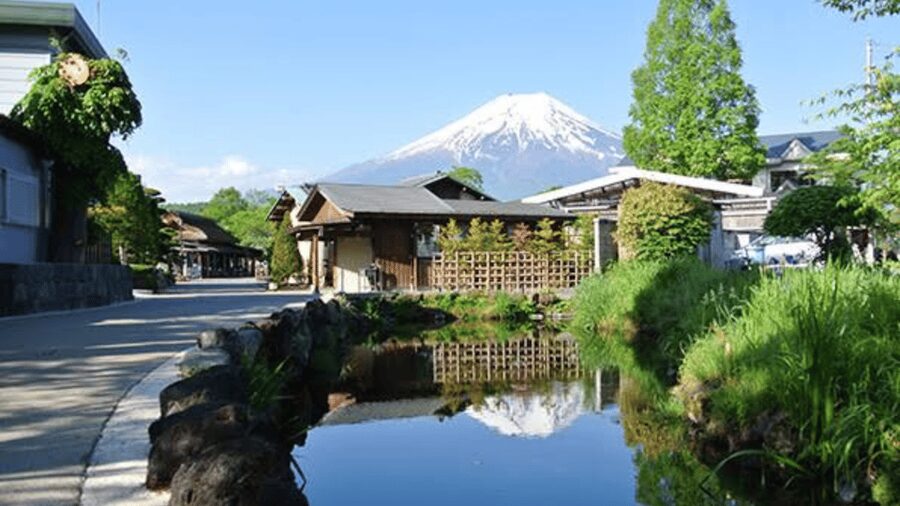
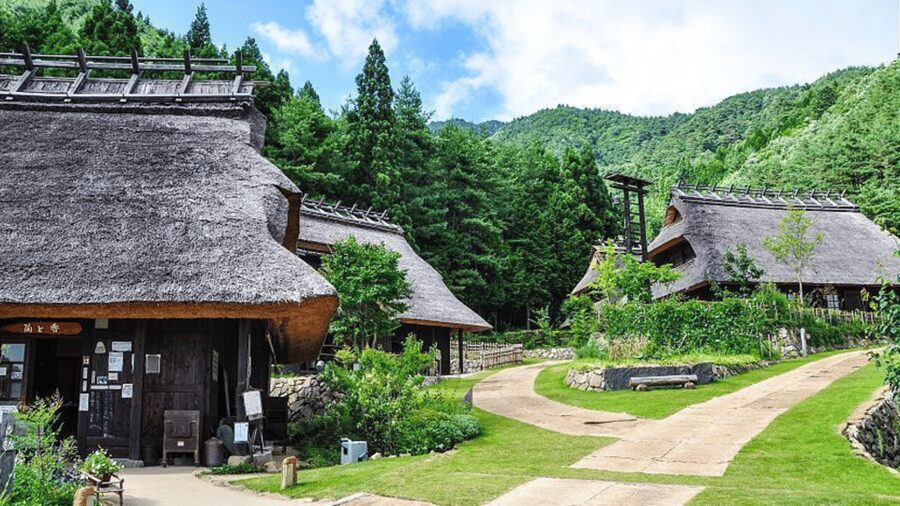
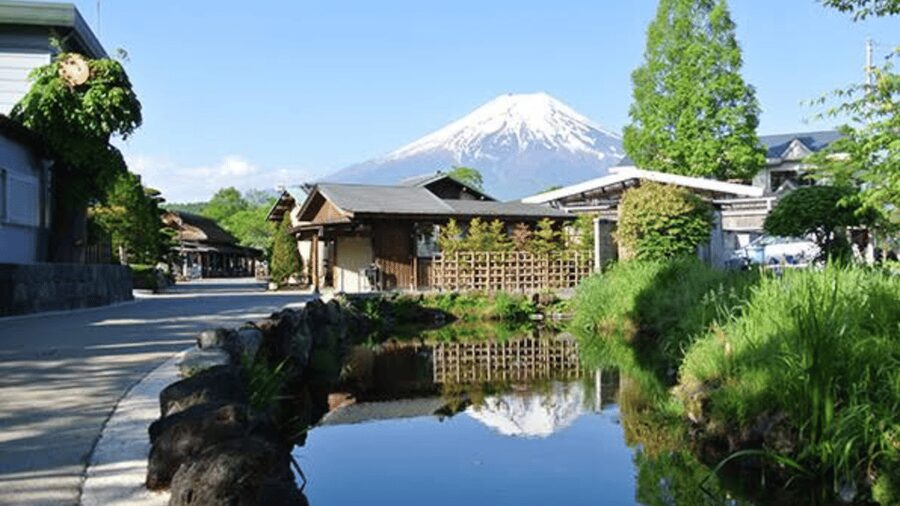
Then the tour heads to Oshino Hakkai, a guided hour in a historic area known for its spring-fed ponds. This is a different kind of Fuji experience. Instead of mountain framing, you’re looking at how Fuji affects the region’s water system.
What I like about Oshino Hakkai on a day trip is that it’s easy to enjoy even if Fuji is partially obscured. The water features still work visually, and you get a sense of how people settled and built around the mountain’s influence.
You also get a chance to slow down. After more viewpoint-focused stops, Oshino Hakkai feels grounded and walkable, like a cultural breath before the Hakone geothermal energy.
You can also read our reviews of more private tours in Tokyo
Hakone Shrine Time: Forest Calm at Kitaguchi-hongu Fuji Sengen Shrine
In Hakone, the itinerary includes Kitaguchi-hongu Fuji Sengen Shrine with about 40 minutes of guided time. This shrine stop is shorter than some others, but it’s meaningful.
Why it works: it breaks the pattern of pure sightseeing viewpoints. Shrines are part of how Japan frames the mountain conceptually. Even if you don’t read every sign, your guide can share how Fuji is treated through belief and tradition, and why this shrine location and design feel connected to the outdoors.
Look for the quiet details: the forest setting, the rhythm of walking paths, and the chance to get a break from the busiest traffic zones. If your group is a mix of photo fans and people who prefer slower moments, this stop balances the day.
Lake Ashi Cruise and Owakudani Geothermal Valley: The Day Turns Dramatic
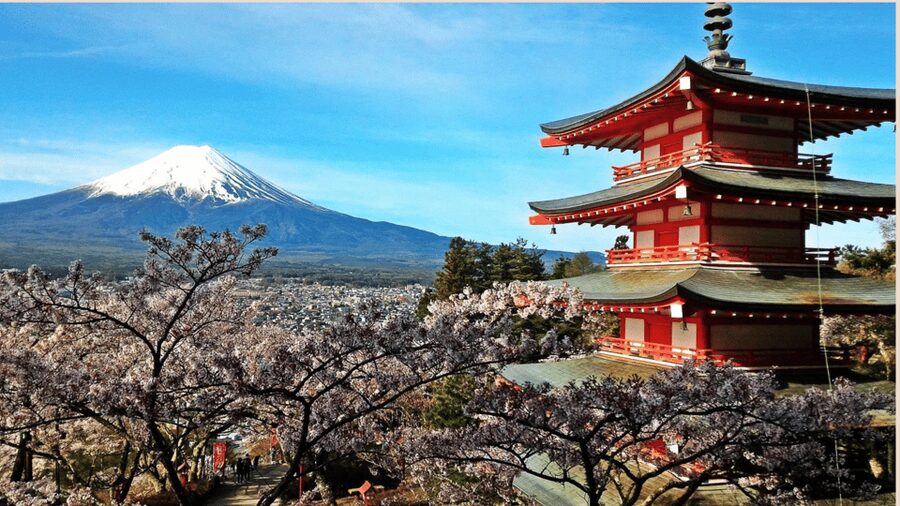
Hakone is where the tour shifts from scenic to dramatic.
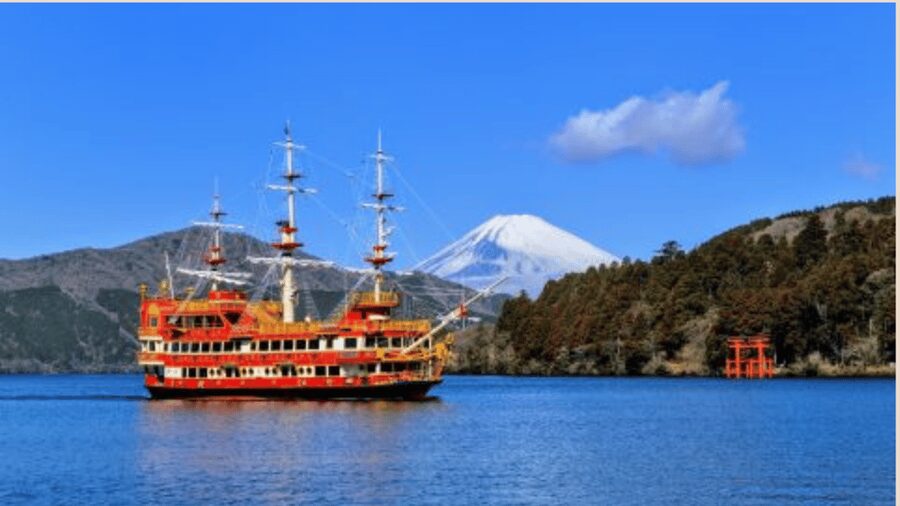
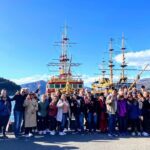
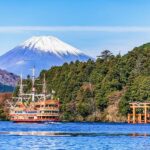
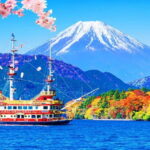
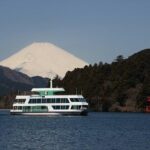
First comes the Lake Ashi cruise, described as a serene boat ride with Mt. Fuji as a backdrop. This stop is valuable because it changes your perspective. Instead of standing still at one viewpoint, you get movement, and the shoreline views shift naturally.
Then you hit Owakudani Valley, known for geothermal activity. Expect steaming vents and boiling pools, plus a chance to try the famous black eggs said to add years to your life. That part is both food and story, and it’s exactly the kind of experience that makes Hakone feel different from just another Fuji photo circuit.
A quick reality check: geothermal areas can feel stronger on scent and temperature than you expect. Wear shoes you’re comfortable in for walking on uneven ground, and keep your face covered lightly if you’re sensitive to sulfur smells.
If you’re traveling in a group, this is also where the private guide shines. They help you stay on schedule without making you rush the experience. In multiple feedback notes, guides like Ali and Usman get praised for exactly that, a relaxed but efficient pace.
Aokigahara Forest Walk: Short Time, Big Atmosphere
The itinerary includes Aokigahara Forest with free time and a short walk of about 30 minutes.
This is a very different feel from the rest of the day. You’re trading views for atmosphere and foot-level calm. It’s also a stop that people often remember for how it makes you slow down, even if your visit is brief.
Because it’s free time, you’ll want to set expectations with your group. Agree on how long you want to wander. Also, keep an eye on footing and bring a light layer, since forests can feel cooler than open areas.
Guides, Vehicles, and the Real Secret Sauce: Pace and Personality
The tour is private, but what really makes or breaks a day like this is the human factor. The recent feedback includes multiple guide names, including Ali, Usman, Zaman, Hassan, Qasim, and others, and the consistent theme is straightforward.
People liked punctual pickup, smooth driving, and clear communication. Many comments also highlight that guides took photos for guests, helped tailor the day to the group’s pace, and suggested smart timing moves, like starting earlier to beat traffic.
One practical detail worth noting: some guests reported a clean, well-maintained vehicle, and at least one mention called out a Mercedes Benz. You shouldn’t assume the exact model every time, but you can expect serious attention to comfort, because the vehicle is part of the value you’re paying for.
For you, this means less stress. You get guidance at each stop, and you’re not left figuring out where to go next. If your travel style is more relaxed, this setup fits.
Lunch, Shopping, and What to Budget Beyond the Base Price
The base price covers the private vehicle and guide, plus key stops and bottled water. Lunch is optional and not included in the tour price. You’ll have a local lunch option arranged at a restaurant in the Hakone area.
So what should you budget? Think of lunch plus snacks, plus any souvenirs you want to pick up at shops along the way. The itinerary includes time for sightseeing and shopping at places like Arakurayama Sengen Park, so having some spending cash helps.
If you’re food-minded, consider eating somewhere that your guide suggests, because you’ll often get a better match for local specialties and pacing than if you pick blindly.
Value Math: Is $381 a Good Deal for Up to 3 People?
Let’s talk value in plain terms. At $381 per group up to 3, you’re essentially paying for a private car, private guiding, and a full-day loop of major sights.
If you’re traveling solo, it’s pricier than shared transport. If you’re traveling as two or three, the math gets more convincing because the cost is spread across your group while you still get private convenience.
What makes it feel like value is the combination:
- A full day from Tokyo with hotel pickup and drop-off
- Multiple high-impact stops, not just one viewpoint
- Bottled water and guided time built into the itinerary
- Customizable routing, so you can adjust what you care about most
Also, you are saving time. Time is money on a day trip. Every hour you spend not transferring between buses is an hour you spend at Fuji, lakes, shrines, and geothermal areas.
Practical Tips to Make the Day Feel Smooth
Here are the things that will help your day go right, based on the tour’s style and the reality of these stops.
- Bring comfortable walking shoes. You’ll walk at multiple points, including viewpoints and parks.
- Wear weather-appropriate layers. Mt. Fuji conditions can shift quickly, and forests can feel cooler.
- Pack sunscreen and sunglasses. Lakes and open viewpoints can be bright even on cool days.
- Bring a camera or smartphone and make sure it’s charged before pickup.
- Carry extra cash or a card for lunch and personal shopping.
- Bring personal identification like a passport or ID.
One more thing: keep your must-see list short. The day is packed, even with a private route. If you tell your guide your top priorities early, they can help you protect your best moments.
Should You Book This Private Mt. Fuji and Hakone Tour?
Book it if you want a stress-light day from Tokyo with a private vehicle, a friendly English-speaking guide, and a structured route through the biggest Fuji and Hakone hits. It’s especially smart for couples or small groups who want flexibility and photo help without juggling public transport.
Skip this one if you prefer wandering slowly on your own schedule with no fixed order, or if your group is very sensitive to walking crowds at famous viewpoints. This itinerary hits iconic places, and those places can be popular.
If you want my quick decision rule: if you’re trying to do Mt. Fuji plus Hakone in one day and you value convenience, this tour is a strong match.
FAQ
How long is the Mt. Fuji and Hakone private tour?
The tour duration is 10 hours.
What does the tour cost and how big is the group?
It costs $381 per group and is up to 3 people.
Is the tour private?
Yes. It is a private group tour.
Does the price include pickup and drop-off from Tokyo?
Yes. Hotel pickup and drop-off are included, and pickup can also be from a train station in Tokyo. The tour ends back at the meeting point.
Is lunch included?
No. Lunch is optional and can be arranged at a local restaurant in Hakone.
What stops are included during the day?
The tour includes visits to Mt. Fuji 5th Station, Owakudani Valley, and Hakone Shrine. The overall itinerary also includes Lake Kawaguchi, Oishi Park, Arakurayama Sengen Park, Oshino Hakkai, Chureito Pagoda, Kitaguchi-hongu Fuji Sengen Shrine, and Aokigahara Forest.
Is there bottled water during the tour?
Yes. Bottled water is provided.
What language will the guide speak?
The live tour guide speaks English, and other available languages listed are Urdu, Hindi, Japanese, Punjabi, Nepali, and Vietnamese.
Where should I request pickup from, and is airport pickup offered?
Pickup is possible from your hotel in Tokyo (and also train stations). Airport pick and drop is not provided.
Is the tour suitable for very elderly travelers?
The tour is not suitable for people over 95 years old.
Can I cancel and get a refund?
Yes. Free cancellation is available up to 24 hours in advance for a full refund.
More Guided Tours in Tokyo

More Tours in Tokyo

More Tour Reviews in Tokyo

Not for you? Here's more nearby things to do in Tokyo we have reviewed



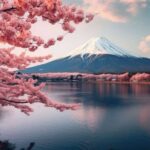

Mount Fuji Tours, side by side.
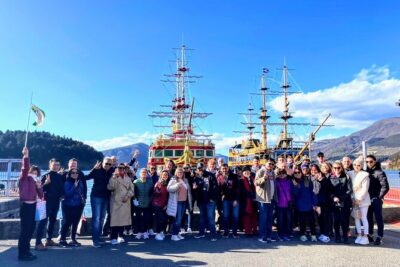 ★ 5.0Mt Fuji and Hakone 1-Day Bus Tour Return by Bullet TrainFrom $16326,383 reviews
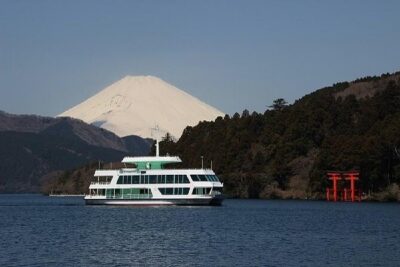 ★ 4.0Mt Fuji & Hakone Cruise, Drum Show Bullet Train 1 Day from TokyoFrom $1497,413 reviews
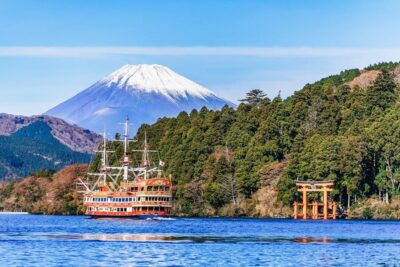 ★ 4.4Tokyo Mt Fuji 5th St & Hakone Cruise Bus Tour w/Bullet TrainFrom $1545,024 reviews
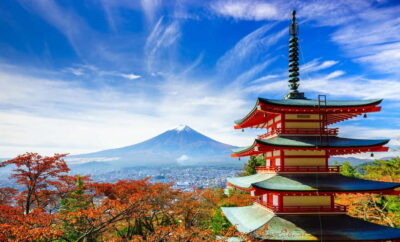 ★ 4.5From Tokyo: Mount Fuji Full-Day Sightseeing TripFrom $684,970 reviews
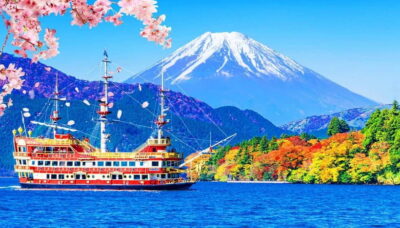 ★ 4.7Mt. Fuji Tour, Hakone Ropeway, Owakudani, Lake AshiFrom $544,002 reviews
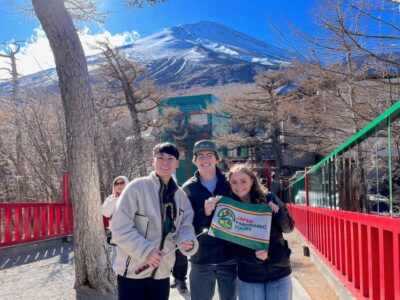 ★ 4.2Mt. Fuji 5th Station & Hakone Cruise 1-Day Bus TourFrom $1292,381 reviews
 ★ 4.7Mt Fuji Top 5 Spots Day Tour: Arakurayama Park,Oshino HakkaiFrom $532,066 reviews
 ★ 5.0Private Tour to Mt. Fuji and Hakone (Fully Licenced Operator)From $4971,910 reviews