
Go-karting in Osaka feels unreal. In this premium street-legal ride, you get to choose costumes before you start, then roll past top spots like Dotonbori while your guides help with photos. I especially like the combo of a fun outfit change and a guide who actually captures good shots, like Matt and Lucky did for groups on the last leg of the city. The big drawback is the driving paperwork, because you need a hard copy 1949 Geneva Convention IDP to drive.
You’re not stuck in a slow bus. This is a small-group experience, capped at 5 people, run in English with a professional guide who keeps things organized and safe. That matters because you are driving a real go-kart on real streets, following local traffic rules, not doing a video-game loop.
If you’re a first-timer to Osaka, or you already know the basics and want something more active, this tour is a strong fit. Just be ready for the practical part, read the IDP requirements carefully, and you’ll be set.
Key highlights you will actually feel
- Costumes included so you can match the Osaka night lights without planning ahead.
- Photo guidance built in with guides helping you get the shots, not just “good luck.”
- Small group size (5 max) for more attention during check-in and the ride.
- Street-legal, rule-following route that keeps the pace fun while staying safe.
- Big-name Osaka districts including Tennoji, Tsutenkaku, Nihonbashi, Shinsaibashi, and Dotonbori.
- 75 minutes of driving time that packs in iconic areas without turning into a full day.
A real street ride, not a theme-park detour
The best thing about this Osaka go-kart tour is that it treats you like a driver, not a passenger. The carts are described as street-legal, and the tour follows local traffic rules and regulations. That translates into a calmer experience on the road, because you are moving with a plan, not wandering.
The ride also stays short enough to keep your energy up. Seventy-five minutes is the sweet spot where you can feel the thrill, take a few photos, and still stay fresh. Plus, the group limit of 5 people means you are more likely to get quick help if anything feels confusing during the briefing.
One detail I like for practical travelers is the locker access. You can stash what you do not want bouncing around while you drive, so you can focus on the road and your costume look.
You can also read our reviews of more city tours in Tokyo


Where the tour starts and how the pacing feels
Your starting point is 6-chōme-2-13 Ebie. Plan to arrive a little early so you can handle the paperwork and get comfortable before helmets and carts come into the picture. When a tour has rules about who can drive, the start matters more than usual.
Timing is built around a smooth arc through central Osaka, with a mix of guided segments and at least some self-guided time. That structure is smart. The guide leads the route and makes sure everyone stays coordinated, then you get moments where you can focus on watching the city go by and lining up photos.
The schedule also references sunset and photo stops. Even if your exact time slot is not perfectly aligned with the “golden hour” you pictured, you should expect that the lighting will be part of the fun, especially in neon-heavy areas later in the route.
Costumes that make Dotonbori photos look like you planned it
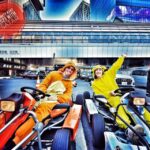
This is the tour’s headline for a reason. You choose from a range of costumes before you ride, and the experience is designed to be Instagram-ready without feeling forced. The costume part works best because it gives you an easy way to lean into Osaka’s street style and neon vibe, particularly around Dotonbori.
Costumes also help with comfort and confidence. If you are nervous about driving in traffic, having a fun outfit moment right before you start can make the whole experience feel lighter. It also gives you something visual to enjoy beyond the city itself.
What I find most useful is that photos are included and guided. You are not stuck trying to time your own shots while driving. The guide and photo moment planning help you get memorable images without turning your ride into a scramble.
Guides who actually steer, explain, and photograph
The guide experience is a major reason people feel happy afterward. Names show up clearly in the feedback, including Matt and Lucky, who are described as friendly and helpful while also capturing lots of photos.
There’s also a different kind of help that matters. One group specifically called out Matt being patient with a first-time driver who was not sure about being on open roads. That is exactly what you want from a tour guide, calm instructions and extra attention when someone needs a slower pace or a confidence boost.
Lucky’s role is also worth highlighting. In the feedback, Lucky is credited with capturing special moments and giving someone the chance to take in the city beauty as they rode. That means the guide is not only watching safety, but also thinking about your experience.
And yes, there is a safety briefing. The tour is described as safe and guided, and it follows local traffic rules. For you, that usually means clearer boundaries and less uncertainty on what you should do next.
The Osaka districts on the loop, and why each one matters
This tour is built around Osaka’s most iconic areas. You drive through Tennoji, Tsutenkaku, Nihonbashi, Shinsaibashi, and the world-famous Dotonbori district with its dazzling neon lights and lively atmosphere. Even if you only know Osaka from photos, those names connect to the city’s energy fast.
Here’s how those stops feel in real life.
Tennoji is a “gateway” neighborhood for getting your bearings. You’re building confidence early in the ride, learning the rhythm of the go-kart, then shifting from instructions into actual city driving.
Tsutenkaku is the kind of area that adds character quickly. The route is set up so you experience Osaka beyond one single shopping street, which helps your photos and your mental picture of the city.
Nihonbashi and Shinsaibashi are where the tour leans into central Osaka life. They are included as major districts, and the timing makes sense because they sit in the middle of the loop when you are fully warmed up.
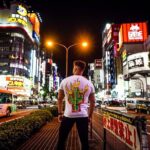
Then comes Dotonbori, the part most people are here for. The neon lights and lively atmosphere are explicitly part of what you will see, and the ride through there is the moment where the costume theme really pays off. This is also where photo stops make the most sense, because the visual payoff is immediate.
One more useful detail: the experience is designed for a best route and service. In practical terms, that usually means the drive is routed to show multiple key areas without turning into an inefficient zigzag.
You can also read our reviews of more photography tours in Tokyo


Value for $58: premium touches you can feel immediately
At $58 per person for a 75-minute street-legal go-kart tour, the best value is not just the kart. It is the extras that usually cost extra on other activities.
Included items that change the math:
- Costumes included (wide variety options)
- Photos included (your guide captures them)
- Fuel is included
- Locker access is included
- A professional English-speaking guide runs the experience
- The go-kart itself is included
If you’ve paid for city activities where you only get a basic ticket and then pay again for photos, this package is refreshing. You are paying for the experience and the memory parts together.
There are also add-on camera costs if you want to go further. A GoPro costs 3,500 JPY, and an Insta 360 with edit costs 13,500 JPY. If you are happy with the included photos, you can skip these. If you want action footage, plan that budget upfront.
One feedback note that helps when you are deciding: one group compared it favorably to similar Tokyo go-kart experiences and said it felt about half the price in their case. That’s not something you should treat as a universal pricing rule, but it does suggest Osaka can feel like a smart value play for the same style of fun.
Driving in Japan: the IDP rules are the real gatekeeper
This is the section that can make or break your day. You must possess a valid driving license for Japan, including a hard copy International Driving Permit issued under the 1949 Geneva Convention. Online copies or soft copies are not valid.
The tour also specifies that you need a hard copy paper booklet of your 1949 Geneva Convention IDP, issued by the official agency in your home country, such as AAA, AA, CAA, ATCUAE, and others. If your local license needs a Japanese translation, that physical translation requirement may apply depending on where your license was issued.
The rules are also very direct about what does not work. IDPs issued under the 1968 Vienna Convention, FIA, IDA, and IAA are not recognized in Japan. And the tour notes that permits from certain countries are not allowed to drive in Japan, so you should check that you are eligible before you book.
One important warning from real experience: a participant with a UK driving license found that it was not sufficient. The outcome was that they could not participate because an international license was required. So if your document setup is even slightly unclear, fix it before you travel.
Finally, you must be over 18. The tour is not suitable for pregnant women, and drivers under 18 are not allowed.
Practical tips to make the ride feel smooth
First, bring what the tour asks for: a passport or ID card, and your international driver’s license. If you have your IDP paperwork in order, the rest of the day is usually straightforward.
Second, plan your photo expectations. You are going to get included photos, and a guide will capture them, but it still helps to be ready to move quickly for costume and photo moments. Wear something comfortable and easy to wear under a costume change.
Third, be ready for route adjustments. The tour may be rescheduled due to rain. If you are visiting Osaka with limited flexibility, keep an eye on the weather and build in some buffer time.
Fourth, if you are a nervous driver, act like one, but do not hide it. The feedback shows that patient guidance can matter a lot, especially for first-time drivers. Communicate early, follow the instructions, and let the guide set your pace.
Who should book this go-kart tour, and who should skip it
This is a great fit if you want an active Osaka activity that still feels structured and safe. It works well for first-time visitors because you hit multiple iconic districts in one outing, and the guide helps you understand where you are going.
It also makes sense for couples and friends who want something shared and funny. Costumes turn the experience into a ready-made conversation starter, and the included photos give you something to take home beyond a selfie string.
It is not the right choice if you cannot meet the driving requirements. The IDP and licensing rules are strict, and the experience is not suitable for people who cannot legally drive in Japan.
Also skip it if you are pregnant, or if you are under 18. The tour rules clearly state those limitations.
Should you book the Osaka premium go-kart tour?
If you have the correct hard copy 1949 Geneva Convention IDP, this is an easy yes. You get a street-legal go-kart ride, costumes included, and a guide-led route that takes you through major Osaka districts with included photo support. That combo is hard to beat for the money.
You should think twice if:
- Your driving documents are unclear, or you are relying on an IDP format that might not be accepted.
- You want a quiet, low-effort sightseeing day. This is a driving experience, so you will be focused on the road and instructions.
- Rain could ruin your schedule, since the tour may be rescheduled.
If you match the requirements and you want a fun way to see Osaka after dark, book it. The guides, the included photos, and the costume factor are the kind of details that make this feel like more than just another city activity.
FAQ
Do I need an International Driving Permit to drive the go-kart?
Yes. You need a hard copy International Driving Permit issued under the 1949 Geneva Convention, following the tour’s stated requirements. Online or soft copies are not valid, and the tour also notes that some other IDP conventions are not recognized.
How long is the Osaka go-kart tour, and how many people are in the group?
The tour is 75 minutes long and is limited to a small group of up to 5 participants.
Where does the tour start?
The starting location is listed as 6-chōme-2-13 Ebie, Osaka.
What is included in the price?
Included items are a wide variety of costumes, photos, fuel, a professional tour guide, the go-kart, and locker access.
Which areas of Osaka will we drive through?
The tour describes driving through Tennoji, Tsutenkaku, Nihonbashi, Shinsaibashi, and the Dotonbori district.
Are extra cameras available if I want more footage?
Yes. A GoPro is listed at 3,500 JPY, and an Insta 360 with edit is listed at 13,500 JPY.
What should I bring on the day of the tour?
Bring a passport or ID card, and an International Driving Permit and international driver’s license as required by the tour rules.
What if it rains?
The tour may be rescheduled due to rain.
Is this tour suitable for everyone age-wise or during pregnancy?
The tour notes it is not suitable for pregnant women, and it also states it is for drivers over 18, with drivers under 18 not suitable.
More City Tours in Tokyo


More Tours in Tokyo




More Tour Reviews in Tokyo


Not for you? Here's more nearby things to do in Tokyo we have reviewed












Go-Karts, side by side.
 ★ 5.0Flagship 2-Hours Official Street Go-Kart Tour – Tokyo Bay ShopFrom $644,974 reviews
 ★ 5.0Official Street Go-Kart in ShibuyaFrom $763,435 reviews
 ★ 5.0Official Street Go-Kart Tour – AkihabaraFrom $611,578 reviews
 ★ 5.0Tokyo Go Kart: Asakusa, Skytree, and Akihabara **IDP MUST**From $99988 reviews
 ★ 5.0Shibuya Official Street Go-Kart in Shibuya AnnexFrom $69972 reviews
 ★ 4.7Asakusa, Skytree & Akhihabara Go-Kart City ExperienceFrom $96761 reviews
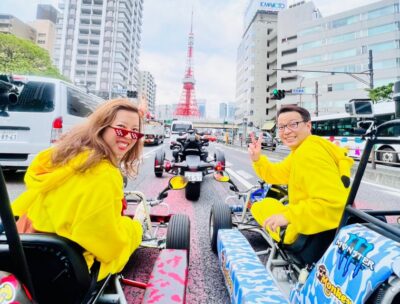 ★ 4.7Premium Go-Kart Tour with Tower & Shibuya CrossingFrom $116528 reviews
Shibuya Kart: Premium Go-Karting Tour through Shibuya, TokyoFrom $63463 reviews
★ 4.7Premium Go-Kart Tour with Tower & Shibuya CrossingFrom $116528 reviews
Shibuya Kart: Premium Go-Karting Tour through Shibuya, TokyoFrom $63463 reviews
This tour also belongs to