
Review · IMPERIAL PALACE TOURS
Tokyo: Imperial Palace, Sensō-ji Temple, & Tokyo Tower Tour
Tokyo can feel like a lot. This tour turns the chaos into a clean, efficient loop through three heavyweight sights, with an English-speaking guide and an eco-friendly hybrid bus. I especially like the combo of the Imperial Palace outer area with its calm bridgeside views, then pivoting to Asakusa’s temple grounds and street life, and finishing with Tokyo Tower views from 150 meters up. The one catch is that you do not enter the Imperial Palace itself, and the East Gardens are not included, so you will want to know what kind of Palace visit this is before you go.
You also get a guide who fills the bus rides with context, not just a running list of stops. In past departures, guides such as Grace, Junko, Kiki, Kumie, Atsushi, and Dhanu have been praised for clear explanations and good pacing, which matters when you only have four hours. The possible drawback to plan around is time: Sensō-ji has real depth, and some guests wanted a bit more time there, while the Palace portion is more about the exterior and surroundings than an inside visit.
The core idea: cover big Tokyo without the planning headache
For a flat price around $40 per person and a duration of about 4 hours, you get transportation, a guide, photo and walk time at key spots, plus Tokyo Tower entry ticket. That is solid value if you are trying to get your bearings fast, especially on a first trip or if you do not want to stack multiple transit connections on your own.
Quick highlights that actually help
- Imperial Palace outer area + Nijubashi Bridge photo stop: you get the classic postcard views without the hassle of hunting down the best angles.
- Masashige Kusunoki statue moment: a small stop that adds story and makes the Palace surroundings feel more than just scenery.
- Sensō-ji and Nakamise Street, with real free time: you hear commentary first, then roam independently for snacks and souvenirs.
- Tokyo Tower main observatory included: 150 meters up, with a chance to spot Mount Fuji when skies cooperate.
- English guide and guided bus commentary: even the transit time helps you understand what you are seeing.
- Comfort-minded transport: a highly rated hybrid bus, with wheelchair accessibility, though you should expect a few steps when boarding or leaving.
You can also read our reviews of more tours and experiences in Tokyo.



Price and Logistics: Is $40 a good deal for Tokyo?
At about $40 per person for a roughly 4-hour afternoon, I think this tour is best judged by what is included. You are paying for three things that normally cost you time and coordination in Tokyo: guided interpretation, a hybrid bus ride between areas, and an attraction ticket (Tokyo Tower). If you were to try to DIY this route, you would still need to figure out timing and transit, and you would likely lose some prime daylight because you spend it navigating.
So who does this suit? First-timers, families who want a simple plan, and solo travelers who are comfortable walking but want a guide to do the thinking for them. It is also a good fallback if you only have one afternoon and you want the big hits without overplanning.
One practical note: the meeting point is at the Hato Bus Tokyo office at Tokyo Station, just a short walk from the JR Tokyo station Marunouchi South Exit. That is convenient because Tokyo Station is a hub for most lines, and it reduces “where do we meet?” stress.
From Tokyo Station to Nijubashi Bridge: the first photo stop
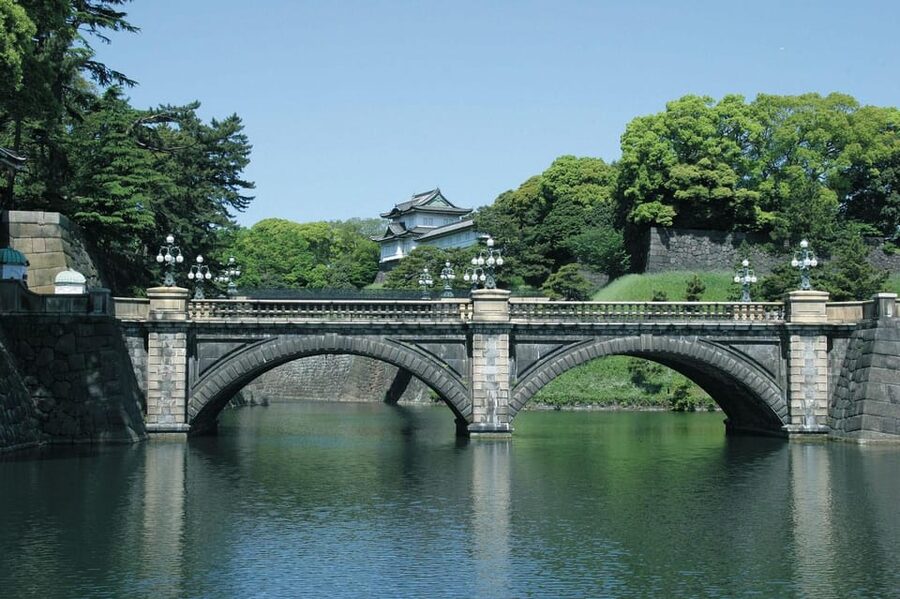
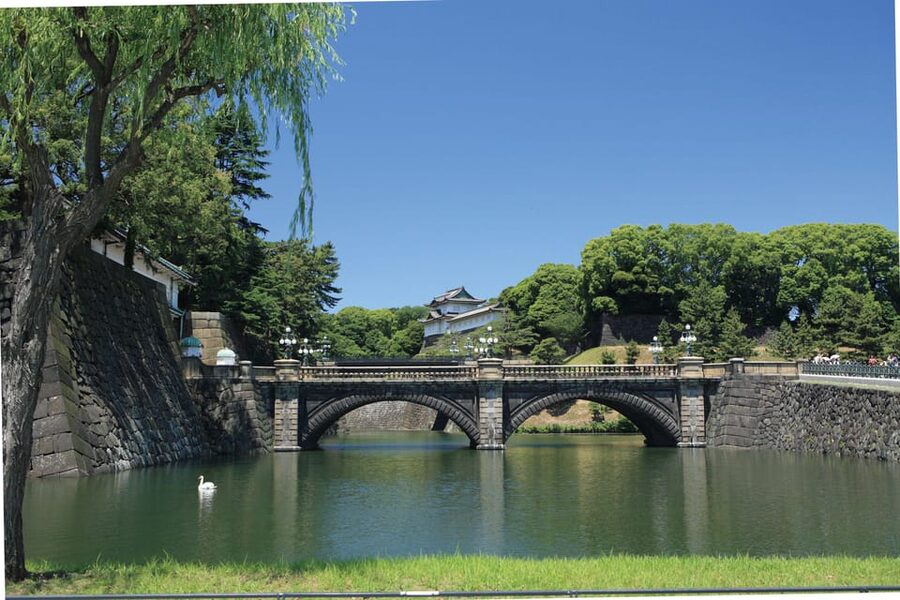
You start at the Hato Bus boarding point and office at Tokyo Station, then head toward the Palace area. The first real destination stop is Nijubashi Bridge, with about 40 minutes for sightseeing and walking, plus time for photos.
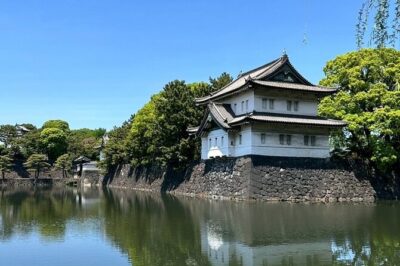
This is where the tour sets expectations correctly. You are not doing a deep Palace visit. Instead, you are getting the outside perspective that most people come to Japan to see: the bridge approach, the waterways, and the visual geometry of the Palace grounds.
You also get a specific moment after getting off the bus at the Imperial Palace Outer Area. There is a chance to view the statue of Masashige Kusunoki, then walk around the Nijubashi Bridge area. That kind of detail matters because it turns a “look at the postcard” stop into a “here is why this place matters” moment.
What I’d watch for here
- This part is mostly walking and photo time. If you are traveling slowly, wear comfortable shoes.
- It can be crowded around Tokyo Station and central sights. Arriving with a time buffer helps.
- If rain hits, outdoor visibility changes fast. Tokyo tours still run, but views from the city can feel muted.
Imperial Palace Outer Area: what you see, what you skip
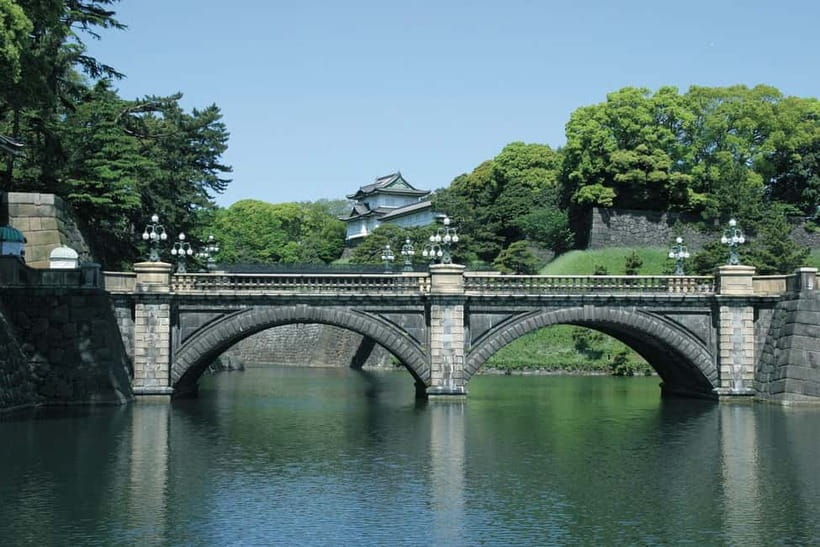
The Imperial Palace portion is worth understanding up front. You can enjoy the historic architecture and scenic surroundings from the outer area, including the outer garden, but entry into the Palace itself is not permitted. The East Gardens are also not included for this tour.
So think of it as a “Palace perimeter experience.” You will get the atmosphere, the scale, and the iconic bridge viewpoints. You will not get the kind of interior garden wandering you might imagine from word-of-mouth about the Palace.
This is also why pacing is important. Guests who wanted more time at the Palace likely were hoping for a longer, more inside-focused visit. If you are truly Palace-obsessed, you may need a separate itinerary for the East Gardens and specific gates.



Why the outer area still works
Even without entry, the Palace grounds are one of Tokyo’s best places to feel the city’s old pulse. Standing near Nijubashi Bridge, you get a sense of the capital’s layout and the way nature and stonework frame the space. It is a good reset after you leave the station and before you hit a high-energy temple neighborhood.
Sensō-ji Temple and Nakamise Street: the main event
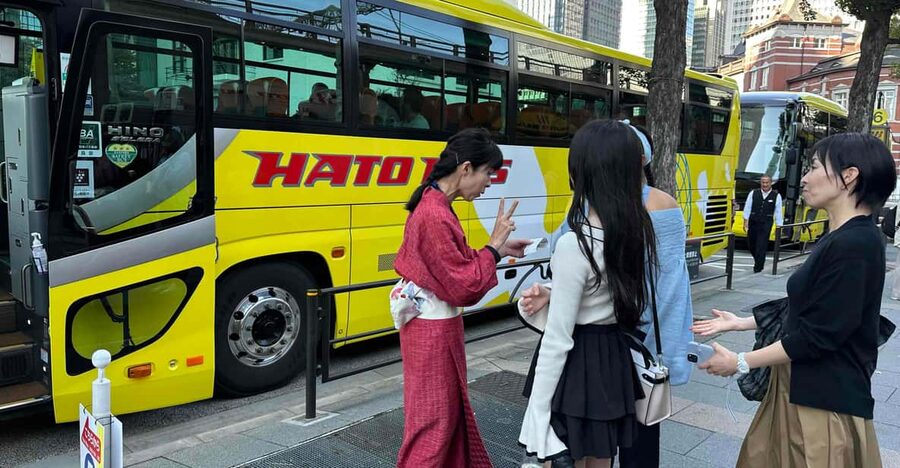
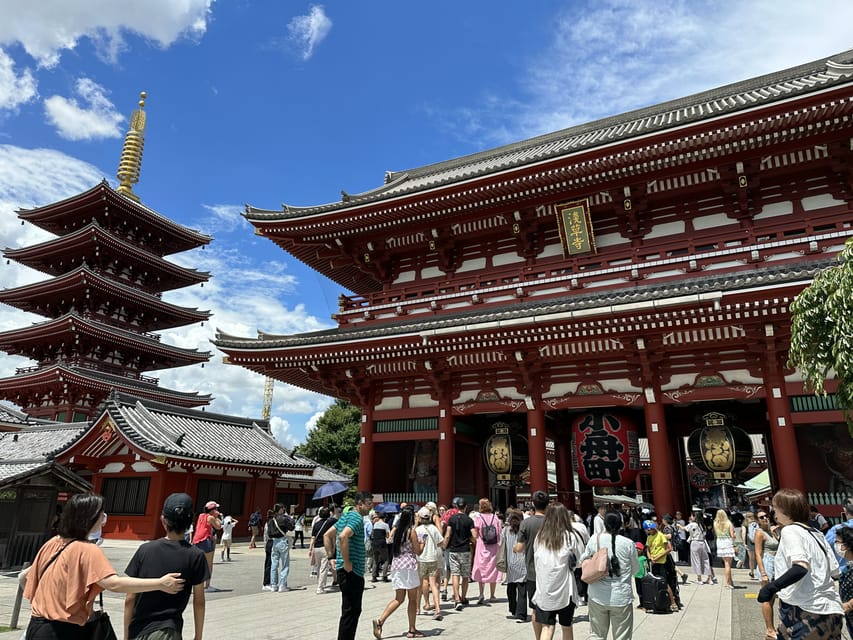
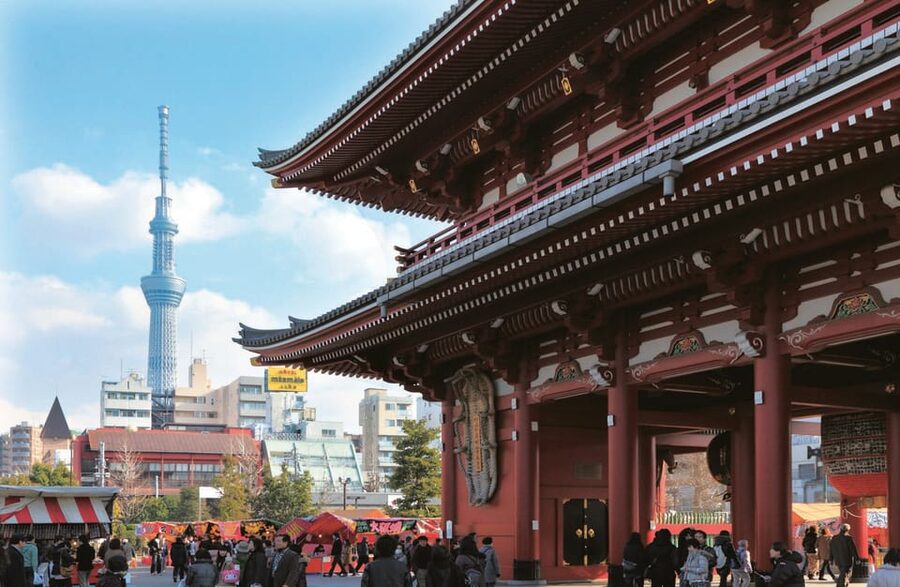
After the Palace area, you head to Asakusa for Sensō-ji, also known as Asakusa Kannon Temple. This stop is about 1 hour, and it is the heart of the cultural contrast in the tour: from controlled grounds to a temple complex that feels alive and loud, even when you are just walking through it.
You begin with your guide’s commentary, including talk about the temple’s ancient craftsmanship. Then you get free time to explore independently, which is exactly what you need here. Sensō-ji is not something you just speed through, because the details are everywhere: the approach area, the temple structures, and the everyday rhythm of people moving through the space.
Nakamise Street: snacks and souvenirs at your own pace
Part of the Sensō-ji complex area includes Nakamise Street, a traditional shopping stretch about 200 meters long. This is the practical fun part. You can shop for souvenirs, pick up small gifts, and try local snacks and meals at your own expense.
I like Nakamise time because it is low-stakes. You can spend five minutes or fifty. If you want photos, you can angle yourself between foot traffic. If you want snacks, you can do it without feeling rushed by a strict schedule.
Realistic expectations for time
One of the most common feedback themes is that the temple is big enough to deserve more time. If you arrive wanting to linger, you will feel the clock. Still, the tour’s strength is that it gives you enough structure to make sense of the place, then leaves you room to wander and choose your pace.
Tokyo Tower: 150 meters up, and weather matters
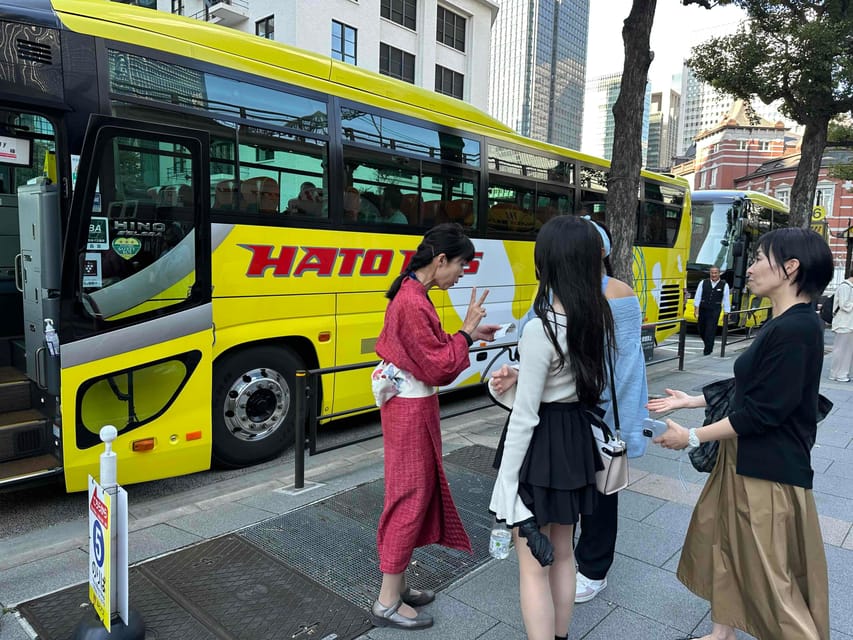
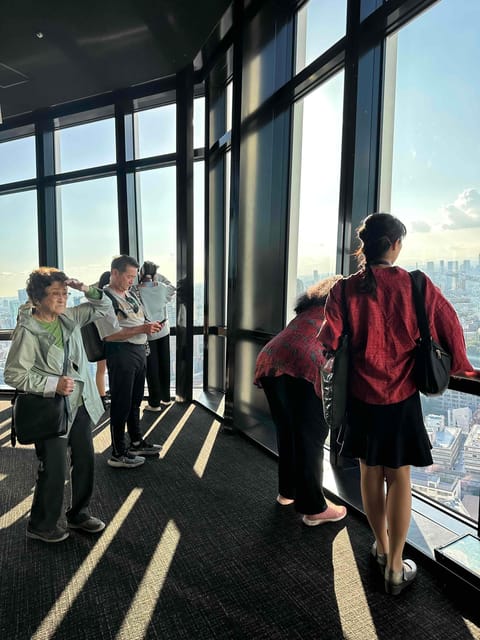
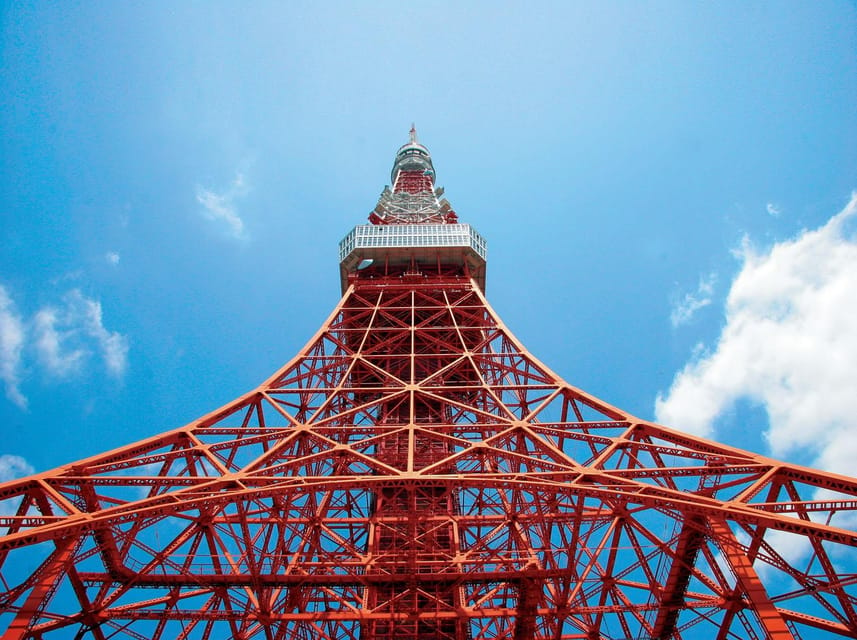
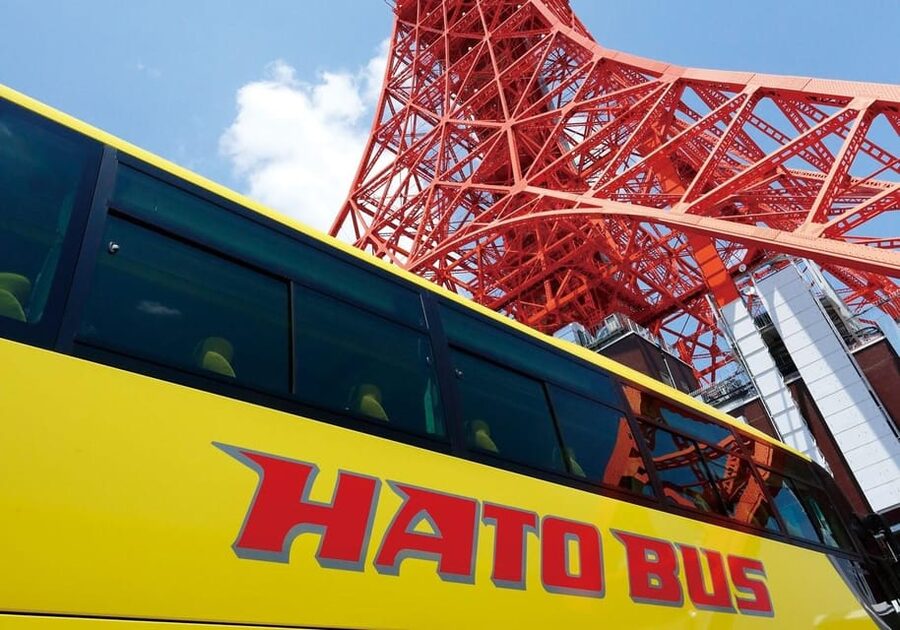
The final stop is Tokyo Tower, one of the most recognizable symbols of the city. You get about 40 minutes for sightseeing and the main observatory. The tour includes the Tokyo Tower entry ticket, so you do not have to juggle lines and ticket purchasing on your own.
From 150 meters above the ground, you get serious city scale. On clear days, you can even spot Mount Fuji. That is not guaranteed, but this is one reason Tokyo Tower is a smart finale: you are in central Tokyo, your view is elevated, and conditions can make the skyline feel completely different hour to hour.
Some guests noted that when it was raining or visibility was poor, Tokyo Tower views felt less dramatic. That is not a reason to skip it, but it is a reason to keep your expectations flexible. If the sky is clear, you will likely think it was worth the ticket. If not, you still get a great sense of urban layout.
Timing tip that actually helps
If your departure gives you the choice of afternoon timing, try to favor later in the day when possible. More guests tend to prefer softer light for skyline photos, even if the tour does not promise sunset.
What makes the tour feel worth it: the guide factor
This tour is a “three stops in one loop” product. What makes it more than just transport between sights is the guide. The reviews on this point are extremely consistent: guides are praised for explaining what you are seeing, keeping the group together, and sharing extra context during the drive between destinations.
Names that have shown up in highly rated tours include Grace, Junko, Kiki, Kumie, Atsushi, Haruhi, Dhanu, and teams like Aki and Mr. Mori. The pattern you want to look for, regardless of the guide, is whether they give useful context and keep timing tight without feeling frantic.
In practical terms, a good guide helps you:
- understand why a place looks the way it does
- know where the best sightlines are for photos
- avoid losing time when streets get crowded
- feel confident shopping or snacking on your own afterward
Walking comfort, crowd rhythm, and who should book
This tour is easy to join if you are comfortable walking. You should expect some steps when boarding and leaving the bus. The good news is that the tour is wheelchair accessible, but you will still want to consider those step moments.
You will do a mix of:
- photo stop walking around Nijubashi Bridge
- Sensō-ji free-roam time (including Nakamise Street)
- Tokyo Tower indoor observatory time (less walking, more viewing)
Who will enjoy this most:
- First-timers who want an easy afternoon plan
- People who want Imperial Palace area views plus a major temple plus Tokyo Tower
- Anyone who prefers an English guide to make sense of the details
- Families and mixed-age groups who want a guided structure but still get some free time
Who might want a different option:
- People who expect to enter the Imperial Palace grounds themselves
- Palace fans who want the East Gardens specifically
- Travelers who want to spend most of the afternoon deep inside Sensō-ji without any clock pressure
Should you book this Tokyo Imperial Palace, Sensō-ji, and Tokyo Tower tour?
If your goal is to see three major Tokyo icons in one afternoon without juggling transit and ticket decisions, I think it is a smart buy. The value is strongest because Tokyo Tower admission is included, and the guide adds meaning during both stops and travel time.
Book it if you want a “best-of” loop: outer Palace views and bridges, Sensō-ji and Nakamise Street roaming, then a panoramic finale at Tokyo Tower. Skip it if you want an inside Imperial Palace experience, or if you already have a plan to linger at Sensō-ji for a long, slow, details-first visit.
If you are flexible with weather and comfortable with some walking, this is one of those tours that helps you get oriented fast, then gives you confidence for the rest of your Tokyo days.
FAQ
What is included in this tour?
It includes transportation in an eco-friendly hybrid bus, a tour guide, access to the Nijubashi Bridge area and the Imperial Palace outer garden, and a Tokyo Tower entry ticket.
Does this tour include entry to the Imperial Palace?
No. Entry into the Imperial Palace itself is not permitted on this tour. The East Gardens are also not included.
How much time do you spend at Sensō-ji Temple?
You get about 1 hour at Sensō-ji, with free time to explore and shopping time along Nakamise Street.
How much time do you spend at Tokyo Tower?
You get about 40 minutes at Tokyo Tower, including time at the main observatory.
Where is the meeting point?
The tour meets at the Hato Bus Tokyo office at Tokyo station. It is listed as a 2-minute walk from the JR Tokyo station Marunouchi South Exit.
Is the tour in English?
Yes. The tour is conducted in English by an English-speaking guide.
Is the bus wheelchair accessible?
Yes, the tour is wheelchair accessible, but you should expect to navigate a few steps when getting on and off the bus.
Is hotel pickup and drop-off included?
No. Hotel pickup and drop-off are not included. You meet at the Tokyo Station bus office.
How long is the tour?
The tour duration is about 4 hours.
Are kids free to join?
Children aged 0 to under 6 can travel for free, but seats are not provided.
More Tours in Tokyo


More Tour Reviews in Tokyo
Not for you? Here's more nearby things to do in Tokyo we have reviewed












Imperial Palace Tours, side by side.
 ★ 5.0Imperial Palace and Shogun Historical Walking TourFrom $222,251 reviews
 ★ 4.9Imperial Palace Japanese History Walking TourFrom $32987 reviews
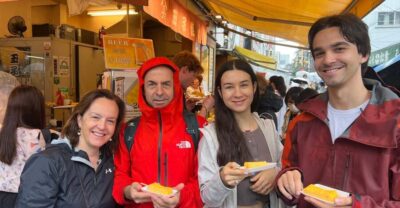 ★ 4.9Imperial Palace and Shogun Walking TourFrom $16935 reviews
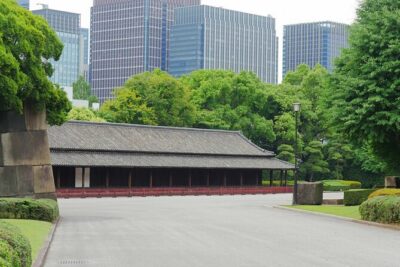 ★ 5.0Imperial Palace East Garden and Edo Castle Walking Tour in TokyoFrom $25510 reviews
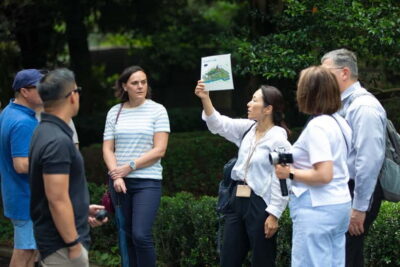 ★ 4.8Imperial Palace East Gardens Walking TourFrom $19353 reviews
 ★ 5.0Tokyo Castle, Imperial Palace, Shogun & Garden Walking TourFrom $31211 reviews
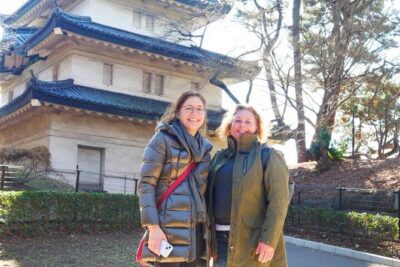 ★ 4.7Edo Castle & East Garden of the Imperial Palace TourFrom $42112 reviews
 ★ 5.0Tokyo Private Tour! Edo Castle & Imperial Palace East GardensFrom $65105 reviews
This tour also belongs to