
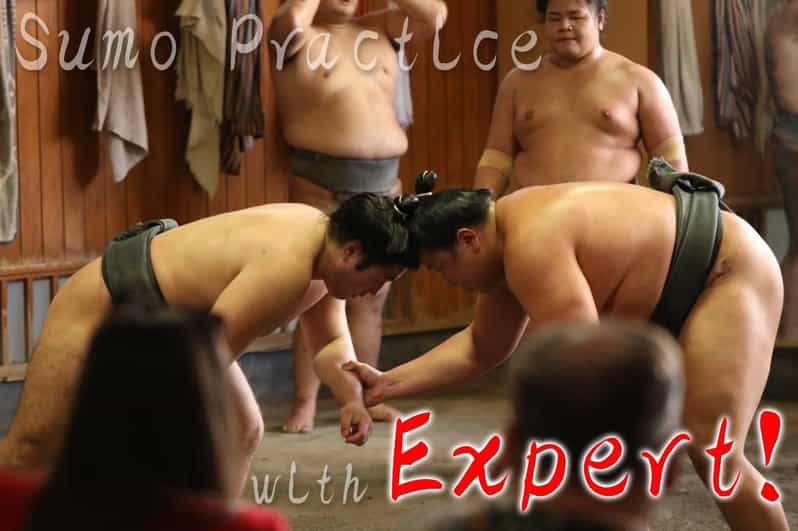
Review · TOKYO SUMO EXPERIENCES
Tokyo: Not a show- a professional sumo practice with experts
Pro sumo training feels close in Tokyo. You get live morning practice at Takasago-beya, plus a photo with a wrestler and Q&A with Shinya, a long-time sumo specialist. The one real catch is that you sit on the floor, so comfort matters after about 90 minutes.
This is a small-group, English-friendly experience (max 10 people) in Ryogoku, Tokyo’s sumo district. You’ll walk through the rhythm of stable life, then finish near Ryogoku Station, with a quick guided look at the Kokugikan and Edo Noren.
Key highlights at a glance
- Takasago-beya stable access for a real professional morning practice (not a performance)
- Photo with a sumo wrestler, plus plenty of time to watch techniques up close
- Q&A with Shinya, who brings a journalist’s perspective on tournaments and wrestlers
- Ryogoku Kokugikan guided visit for context around modern sumo
- Edo Noren shopping and sightseeing for a little extra time in the area
A Real Sumo Morning at Takasago-beya (Why This Feels Different)
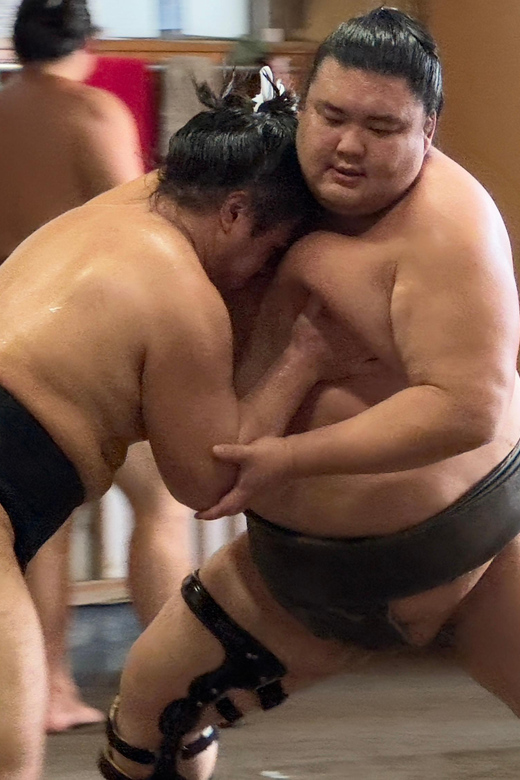
If your mental picture of sumo is a stage show, this tour flips the script. You’re invited into a working sumo stable for training, the kind that exists to build bodies, timing, and discipline, not entertainment.
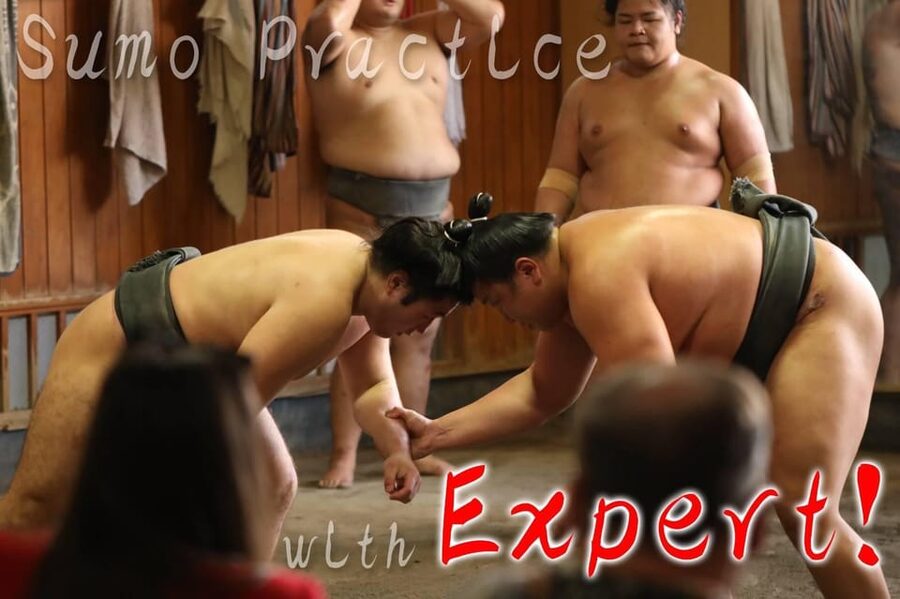
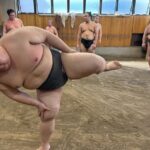
The heart of the experience happens at Takasago-beya Sumo Stable. You’re guided into what feels like a living routine: warm-ups, practice patterns, and the steady back-and-forth that looks simple until you see how hard it is. The benefit for you is that you get to understand sumo as a craft. You’re not just watching motion, you’re watching how routines shape technique.
Also, the tour is built for closeness. You sit where you can see footwork and posture details, and you get access to talk with the specialist after. That combination matters. Sumo becomes much easier to understand when someone explains what you’re seeing in plain language.
One practical note from real-world experience: you should plan for floor seating. There are floor cushions available, but if you’re not great with long periods sitting low, bring extra patience (and consider asking for what you need when you arrive).
More Tokyo tours and experiences for the shortlist
Ryogoku, Tokyo’s Sumo Town: Kokugikan and Edo Noren
Ryogoku is where modern sumo lives. The tour gives you a quick but useful orientation after the stable practice, so you leave with geography and context, not just a cool memory.
Next stop is Ryogoku Kokugikan, Japan’s famous sumo arena. You get a short guided tour, long enough to connect what you saw in training with where the sport culminates during tournaments. Even if you’re not attending a match, this is the way to connect the daily work you just watched to the bigger stage.
Then you head to Ryōgoku Edo Noren. First you get another guided segment, then you have time for shopping and sightseeing. This part is less about sumo technique and more about atmosphere. You can use this 30-minute window to grab small souvenirs, browse local stores, and soak up the Ryogoku feel while it’s fresh in your mind.
A small but smart bonus of this pacing: you’re not rushed from practice to a generic photo stop. You get time for understanding first, then browsing. That helps the day stick.
Starting at 両国 HANA WAビル and Finishing at 両国駅
Logistics matter more than people admit. This itinerary is designed around Ryogoku’s transit connections, which is good news if you like to keep your day simple.
You start at 両国 HANA WAビル, and after the walking portion you reach the stable for the main 2-hour block. After the Kokugikan and Edo Noren stops, the tour wraps at 両国駅, which makes it easy to continue your Tokyo day without getting stuck in the middle of nowhere.
The meeting point instructions are very clear: meet at Subway Toei Oedo Line, Ryogoku Station (E12), Exit A2 (ground level), and it’s about a 5-minute walk from the east exit of JR Ryogoku Station. If you’re using transit in Tokyo anyway, this is one of those tours that doesn’t add unnecessary stress.
If you want a smooth start, I’d suggest building in a little buffer. Ryogoku mornings can be busy, and you’ll be happier if you arrive early enough to settle before the group heads out.
Who Runs This: Shinya and the Power of Real Context
This is not just a guide who points and translates. You’ll likely meet Shinya, a long-time sumo specialist with experience as a journalist and reporter covering sumo.
That background changes the tone. You don’t just get a history lecture. You get answers that connect training habits to tournament life, and you hear how wrestlers are discussed in real media culture, not simplified for tourists.
I like that the Q&A time is treated as part of the experience, not an afterthought. When you can ask questions like how rankings work in practice terms, what certain drills mean, or why tradition matters to stable culture, you come away understanding the sport at human scale.
It also helps that the guide is excited. In a place like a sumo stable, energy matters, because the pace can feel different from tourist sites. A lively, respectful guide keeps you focused on what’s important: technique, routine, and etiquette.
Photo With a Sumo Wrestler, Then Q&A That Lets You Ask Anything
One of the most satisfying moments here is the photo with a sumo wrestler. It’s the kind of memory you can’t get from a generic souvenir shop or a distant arena shot. The tour sets you up so you’re not just taking a picture, you’re capturing it while you’re already in the middle of training context.
Then comes the part that makes the day useful: Q&A with the sumo specialist. This is where the tour becomes more than a look-see. You can ask what you noticed in the practice and connect it to meaning. And because the specialist has long-time experience, your questions don’t feel like they’re hitting a wall.
Here’s a tip that will help you get more out of the Q&A: write down your questions during the practice. Even simple ones, like why certain drills happen in sequence, can lead to better explanations when you ask them immediately while details are fresh.
If you’re worried about not knowing enough to ask good questions, don’t. You’re in the right place, and the specialist is there to explain. Just be ready with a few curiosity prompts.

Timing, Duration, and What the 3 Hours Actually Means
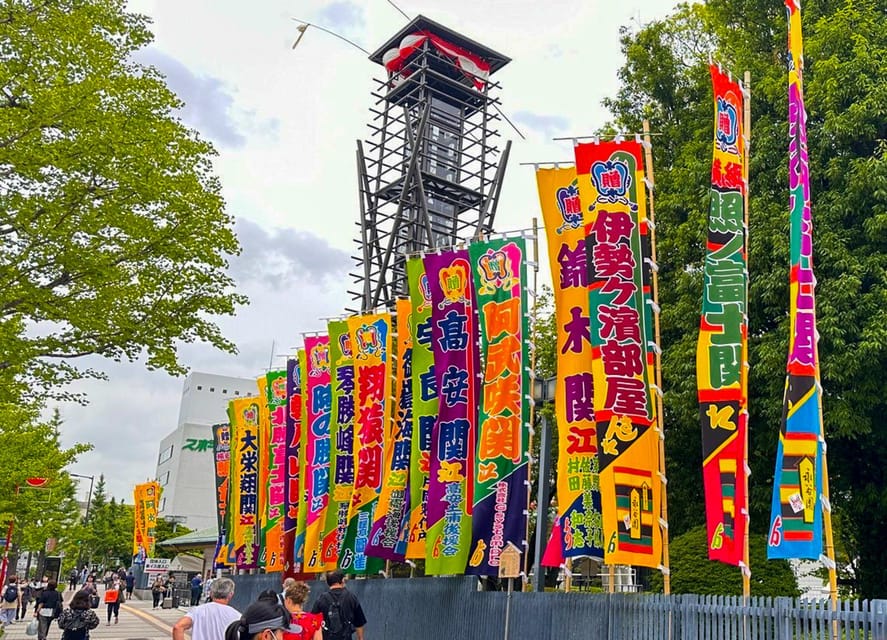
This is a 3-hour experience, with the main content taking place during the stable visit. Think of it as one focused block, plus two context stops.
The schedule structure is straightforward:
- Stable visit takes about 2 hours
- Ryogoku Kokugikan guided tour is about 15 minutes
- Edo Noren guided tour is about 15 minutes, followed by 30 minutes for shopping and sightseeing
- The tour ends at Ryogoku Station
That pacing is practical. It respects the fact that stable practice is a real routine with its own flow. It also prevents the day from dragging. In less than half a day, you get stable access plus Ryogoku context.
One small consideration: because the stable segment is the core, the most important window to absorb explanations is during that block. If you want the strongest learning payoff, be attentive when you’re shown what to look for and ask your questions at the time that fits the flow.
Etiquette and Comfort: Floor Seating, Phone Use, and Quiet Respect
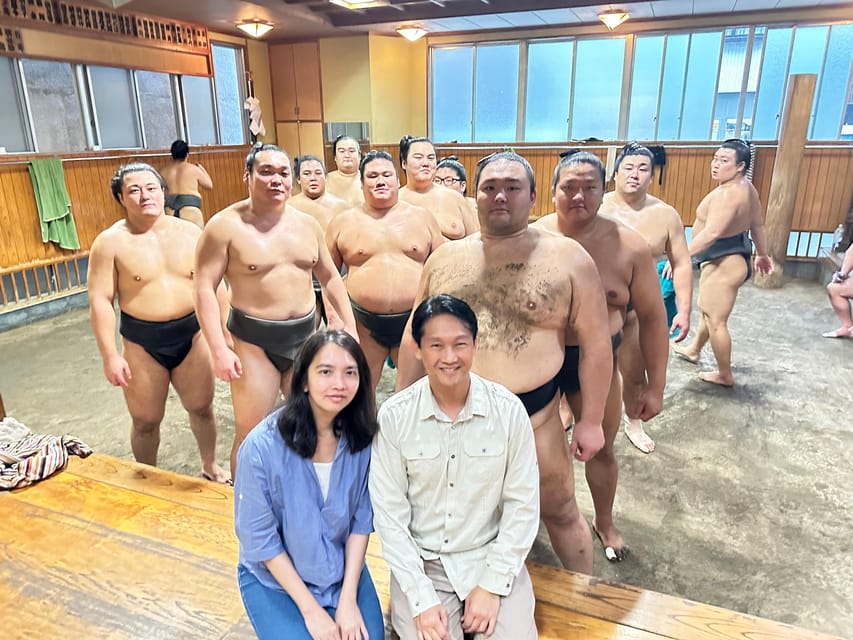
In a stable, your behavior matters. The good news is that the rules are simple.
- No smoking indoors
- Be quiet and respectful
- You’ll sit on the floor to watch. Floor cushions are available
That floor seating detail is not minor. If you know your body needs support for long periods, plan for it. A cushion helps, but your best strategy is to prepare mentally and physically. Consider wearing supportive shoes and layered clothing, since stable conditions can vary.
Phone behavior is also part of the etiquette. When you’re near professional athletes training seriously, you’ll be happiest if you keep your camera use polite and keep your attention on what’s happening.
If you’re bringing a group, remember it’s a small group experience (up to 10). That means your actions affect others, so staying calm and considerate keeps the vibe good.
Is $103 Good Value for This Tokyo Sumo Practice Tour?
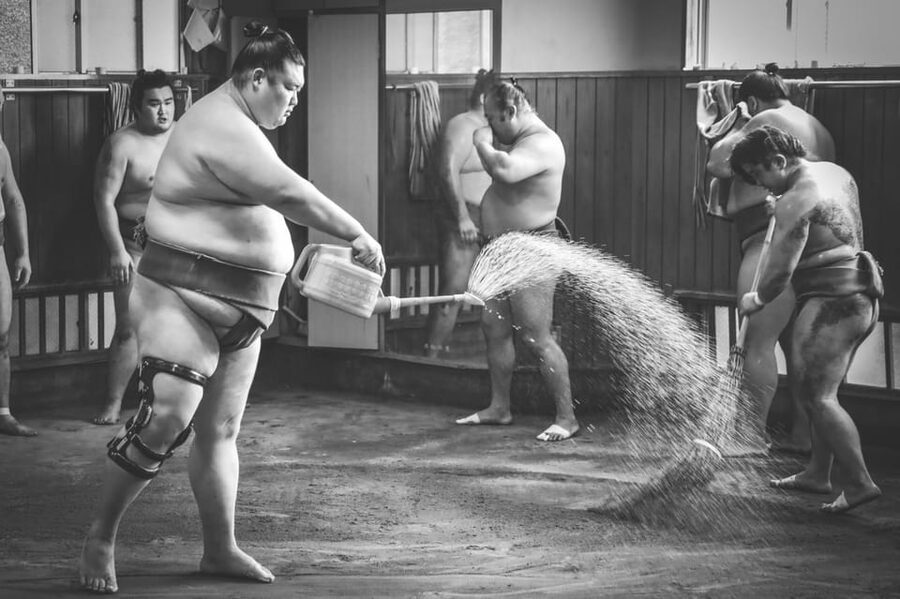
At $103 per person, this isn’t the cheapest way to do sumo. But it’s also not a tourist performance, and you should judge it on access and authenticity.
Here’s why the price can make sense:
- You’re entering a real professional stable with special permission
- You get close-up practice viewing, not a distant show
- You get a photo with a wrestler
- You get real Q&A with a sumo specialist, likely Shinya
- It’s a small group size, so explanations stay personal
Compare that to typical sumo experiences that are all stage lighting and big talk. You’re paying for proximity, specialist context, and the chance to see techniques in a training environment.
Another value angle: if you’re visiting when tournament tickets are hard to get, this kind of experience becomes a smart substitute. Even if you still want to attend a tournament, this gives you a deeper understanding of what you’ll see later.
The main reason to think twice is straightforward: if you mainly want entertainment, floor seating and quiet observation might feel slow. Also, if you hate sitting on the ground for extended periods, comfort issues can reduce enjoyment.
Who Should Book This Tour (And Who Might Skip It)
This is best for you if:
- You want real sumo practice, not a staged show
- You like learning through questions and explanations
- You care about tradition and want to understand the sport beyond basics
- You appreciate smaller group experiences where you can actually interact
It may be less ideal if:
- You need a lot of built-in spectacle and commentary during action
- You have trouble with low floor seating for long stretches
- You’re traveling with very young kids (it is not suitable for children under 5)
It also makes sense for your first trip to Tokyo if you’re building a cultural day around a single theme. Ryogoku is easy to reach, and the tour finishes near a major station, so you’re not stuck planning extra logistics.
Should You Book Japan Shine Tour for Takasago-beya Sumo Practice?
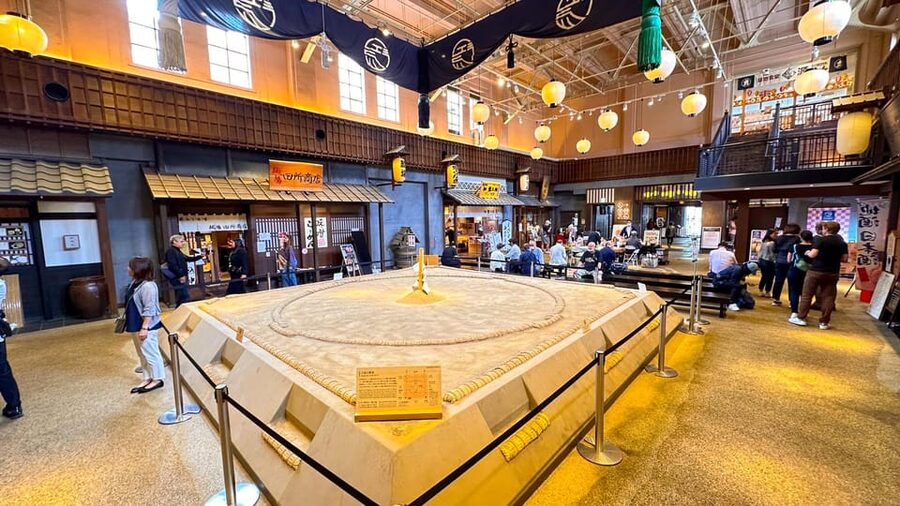
My take: if you can handle quiet observation and floor seating, this is a strong Tokyo standout.
Book it if you want the real thing:
- access to a working stable
- photos plus Q&A
- an expert like Shinya who can explain what training means in the bigger sumo world
- Ryogoku context through the Kokugikan and Edo Noren stops
Skip it if you mainly want a lively show vibe, or if you know sitting on the floor will ruin your comfort. In that case, you’ll probably prefer a different format.
If you fit the first group, this is the kind of experience that changes how you watch sumo afterward. You won’t just remember the photos. You’ll remember the routines and what they were building toward.
FAQ
Where is the meeting point for the Tokyo sumo practice tour?
You meet at Subway Toei Oedo Line, Ryogoku Station (E12), Exit A2 (ground level). It is about a 5-minute walk from the east exit of JR Ryogoku Station.
How long does the tour last?
The duration is 3 hours.
What does the tour cost?
The price is listed as $103 per person.
What is included in the price?
Included are an English-speaking guide, a photo with a sumo wrestler, and a Q and A session with a long-time sumo expert.
Is food or drink included?
No. Drink and food are not included.
What language is the guide?
The tour provides a live guide in English and Japanese.
How big is the group?
The group is limited to 10 participants.
Is smoking allowed?
Smoking indoors is not allowed.
Is this tour suitable for young children?
It is not suitable for children under 5 years.
Where does the tour finish?
The tour finishes at Ryogoku Station (両国駅).
More Shows & Entertainment in Tokyo
More Tour Reviews in Tokyo
Not for you? Here's more nearby things to do in Tokyo we have reviewed


Tokyo Sumo Experiences, side by side.
 ★ 4.8Sumo Show and Dining ExperienceFrom $792,742 reviews
 ★ 5.0the SUMO showFrom $891,960 reviews
 ★ 5.0Tokyo Shinjuku Sumo Show & Experience with PhotoFrom $791,750 reviews
 ★ 4.8Sumo Show and Experience in ShinjukuFrom $691,001 reviews
 ★ 4.7Luxury Sumo Show Experience & Japanese cuisine & DrinkFrom $103577 reviews
 ★ 4.8Sumo Morning Practice Viewing TourFrom $81570 reviews
 ★ 4.8Tokyo Sumo Experience: Chanko & Mochi with a Former ProFrom $103567 reviews
 ★ 5.0Ultimate Sumo Tournament: Tokyo, Osaka, Nagoya, FukuokaFrom $184468 reviews
This tour also belongs to