
Review · TOKYO CITY TOURS
Tokyo: 3-Hour E-Bike Tour of the City’s Riverside Areas
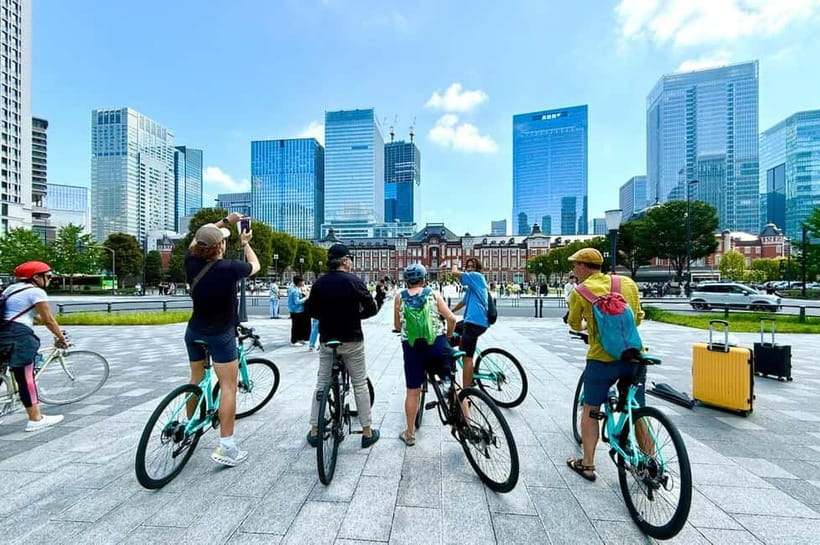
Tokyo by e-bike feels like a cheat code. This 3-hour ride strings together Tokyo’s riverside neighborhoods and downtown landmarks, with photo stops and stories from a guide who knows how to keep the route moving. From the Tsukiji area to Kiyosumi Gardens, it is a practical way to see more than you would on foot or alone on trains.
I really like the electric bike setup. It keeps you comfortable through longer distances and street crossings, and the basket is handy for keeping your hands free. I also like that the day includes an actual garden break at Kiyosumi Gardens, not just quick roadside photos.
One consideration: Ginza can have busier traffic for a short stretch. If you are anxious around cars or you cannot ride a bike comfortably, this probably will not feel fun.
Key points before you pedal off
- Small group (up to 8) means you stay together and don’t lose the guide
- Electric road bikes with a basket make the route feel manageable for casual riders
- Kiyosumi Gardens admission included so you get a real stop, not just a pass-by
- Tsukiji stops built into the route including Tsukiji Hongan-ji and Tsukiji Outer Market area time
- A guided mix of landmark photos and calmer side streets gives Tokyo variety without wasting hours in transit
- Bike insurance is included, which adds peace of mind
Why Tokyo by e-bike works so well on a 3-hour clock
Tokyo looks walkable, until you actually try to connect neighborhoods. That is where a short e-bike tour shines. In three hours, you can cover ground between riverside areas and major sights without spending most of your time transferring on trains or waiting for buses.
This route is designed for flow. You get a loop-like feel, starting near Hibiya Park and then moving through Ginza, Kabuki-za area photo time, the Tsukiji side, and toward the Kiyosumi Gardens finish corridor. The electric assist helps you keep your pace steady, so you can focus on what you came for: photos, temple and shrine stops, and the sensory Tokyo details you miss when you only skim central stations.
You can also read our reviews of more cycling tours in Tokyo
Meeting in Hibiya Park, then settling into the rhythm
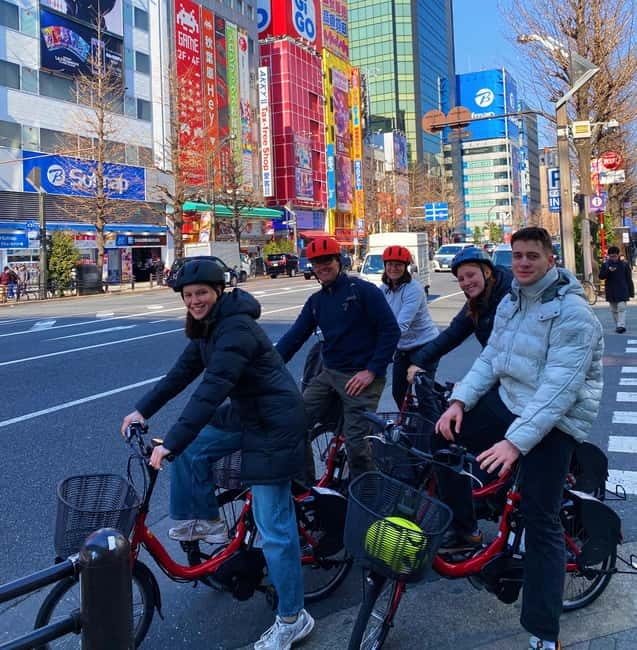
Your day begins at the right of the kiosk in Hibiya Park. That location matters because you start near a major hub, yet you are not dropped into the chaos of a random street corner.
Once everyone is on bikes, the tour becomes a steady rhythm of riding, short guided stops, and photo moments. That timing style is smart for a city like Tokyo. You get enough time at each location to hear the story and take pictures, but you are still moving often enough to avoid that slow, sightseeing fatigue that hits when you stop too long.
Because this is a small group, you also tend to ride more smoothly as a unit. One of the best parts of smaller groups is simple: the guide can adapt in real time when a street feels crowded or when a shortcut is not working out.
Ginza and Kabuki-za: a photo-friendly taste of big-city Tokyo
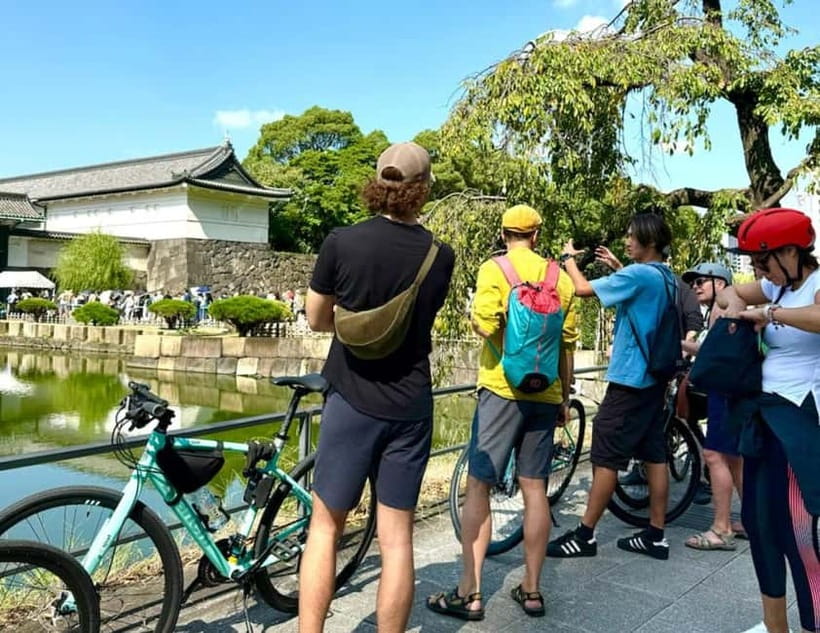
Ginza comes first, with a photo stop and a short guided tour (about 10 minutes), then you shift to the Kabuki-za area for another 10-minute guided-and-photo stop. Think of this as your quick orientation to Tokyo’s headline district. You see the scale of the streets, the way the area is built for people and signage, and you get some context so you know what you are looking at.
Ginza can have heavier traffic for a short stretch, and one review note flags that as the only slightly harder moment. For me, that signals an important practical point: you should feel at ease riding in normal urban conditions, not just in empty park paths.
If you are comfortable on a bike, this section works well as a contrast before the tour moves into more local-feeling streets.
Tsukiji Hongan-ji and the Outer Market stop, for food-stall atmosphere without long waits
Next up is a cluster of stops around Tsukiji: Tsukiji Hongan-ji (15 minutes) followed by Tsukiji Outer Market area time (about 20 minutes).
Even if you have only a passing interest in the food culture of Japan, this is where Tokyo starts to feel real. Tsukiji is not only about famous seafood. It is about how the city moves at market speed: vendors, narrow aisles, quick conversations, and a constant flow of people who know where they are going.
The tour timing is built for browsing. You get guided context plus photo time, and you have a window to pick up a snack if you want one. One review specifically highlights that there was time to get delicious snacks around the market area, which is exactly what you should expect here: not a meal plan, but genuine market energy plus an opportunity to try something on your own.
One practical tip: this is still a cycling tour. If you plan to eat, do it light and portable. You will want both hands free when you hop back on the bike.
Tsukishima Monja Street: a local-feeling change of pace
After Tsukiji, you head toward Tsukishima Monja Street for a short 10-minute photo stop and guided segment.
This is the part of the tour where Tokyo stops being only a postcard. Monja Street is known for its casual dining vibe, and on a bike route it hits differently. You are not just reading about neighborhoods. You are passing through them at street level, catching the feel of side lanes and how residents and visitors mix.
Even if you are not buying food, this stop adds variety to the day’s rhythm. It helps break up the grand sights so your brain stays engaged.
You can also read our reviews of more city tours in Tokyo


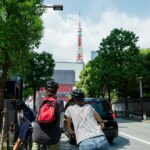
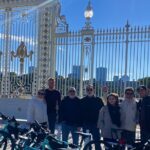
Sumiyoshi Jinja: quick, meaningful, and easy to remember
Then comes Sumiyoshi Jinja with a 10-minute photo stop and guided tour.
Shrines are often treated like quick photo backgrounds, but on a guided bike route, you can get more than a snapshot. You typically get enough time to understand why the place matters and what to look for when you notice decorations, pathways, or how the space is arranged.
This is also a practical pause. After more street-level sights and market atmosphere, a shrine moment lets you slow down for a bit. Even a short stop helps you regroup before the greener, calmer stretch ahead.
Kiyosumi Gardens: the one stop you will feel in your body
Kiyosumi Gardens is one of the tour highlights, and it is not just because it is pretty. It is also because the entrance fee is included, which means you are not doing math while trying to enjoy a calm place.
You get about 25 minutes here. That is enough time to wander at your own pace within the garden feel while still having the guide to point out what matters. One of the nicest “tour design” choices in this plan is placing a slower, more contemplative stop in the middle of a bike route. You do not want all movement and no breathing space.
If you have been touring Tokyo by train all week, Kiyosumi Gardens is a reset. You move from street noise to a place that naturally slows your eyes. And because you are on an e-bike tour, you arrive feeling fresh rather than sweaty and exhausted.
Crossing rivers and reaching Naritasan Fukagawa Fudōdō
The back half of the route leans into temple territory and riverside Tokyo energy. You visit Naritasan Fukagawa Fudōdō for about 20 minutes, and the tour finishes at Fukagawa Fudō-dō.
One review specifically notes crossing the Sumida River by bicycle. That is a big deal because it is one of those Tokyo moments that is hard to recreate with typical bus or train routes. On a bike, you feel the crossing as part of your day, not just a transit segment.
At Naritasan Fukagawa Fudōdō, the guided time gives you context, and then you have options. The entrance fee to the temple is not included. It is listed as optional, at ¥1000 each by cash. The tour ends there, so if you do not want to pay or you simply want to stop after the guided viewing, you can.
For many people, this ending makes sense. You get a meaningful cultural finish without being forced into a long add-on. You can walk around if you like, then head back to your own plans.
Cost and value: is $78 worth it for a 3-hour ride?
At $78 per person for 3 hours, this tour is priced for what you get: a guided route plus an electric bike and included admissions for Kiyosumi Gardens, along with bike insurance.
Here is how I think about value in Tokyo. If you try to do this on your own, you often end up paying for transportation plus tickets plus time. A guided bike tour bundles several parts into one experience. You are also getting local stories at specific stops, not just photo opportunities.
Also, the fact that the group is limited to 8 participants matters. Fewer riders often means the guide can keep a tighter pace and spend more time on the stops instead of rushing everyone along.
When it is worth it:
- You want multiple neighborhoods in one morning or afternoon.
- You prefer guided context over only wandering.
- You want to be active but not exhausted.
When it is not:
- You dislike cycling in city traffic even briefly.
- You need a slower pace with lots of long museum-style stops.
- You do not want to carry water and ride a bike for three hours.
Safety and comfort: what actually makes this tour feel easy
The description promises high-quality road bikes and a protected feeling throughout, and the small-group structure supports that. Still, you should prepare like it is a ride, not a leisurely stroll.
Bring water and comfortable clothes. Sunglasses are recommended, and sunscreen is a smart move even if the weather looks mild. Comfortable shoes matter more than you think because you are constantly putting a foot down during photo stops.
On e-bikes, you still want to ride with attention. One review notes that Ginza can include a more challenging traffic moment. You do not need to be a daredevil, but you should be comfortable handling a bike at normal city speed with cars nearby.
Also, know what is not allowed: smoking, alcohol and drugs, and littering. It is a standard rule set, but it helps keep the ride enjoyable and respectful.
Who should book this Tokyo riverside e-bike tour?
This tour fits best if you want a practical blend: riverside areas, classic landmarks, and neighborhood textures, all in one guided loop.
You will probably enjoy it most if you:
- can ride a bike and feel comfortable for three hours
- want to see more than just one or two central districts
- like guided stories at temples, shrines, and gardens
- want a small-group experience with English-speaking guidance
It is not suitable for children under 12, pregnant women, people with back problems, or anyone who cannot ride a bike. That is important. E-bikes help, but they do not fix medical limitations.
Should you book it?
If your goal is to experience Tokyo beyond one train line, I think this is a strong choice. The combination of electric help, a route that connects Ginza to Tsukiji to Kiyosumi Gardens, and optional entry at the final temple makes the day feel efficient without turning it into a race.
Book it if you want a guided ride that gives structure to photo stops and cultural stops, and if you appreciate the riverside crossing element. Skip it if city traffic makes you tense or if you are looking for a slow, fully walkable tour with long indoor time.
Overall, it is a good value package for a short Tokyo window, especially when you want a local guide, a real garden stop, and a bike route that shows you parts of the city you would struggle to piece together on your own.
FAQ
How long is the Tokyo 3-hour E-Bike Tour?
The tour lasts 3 hours.
Where is the meeting point?
Meet up at the right of the kiosk in Hibiya Park (Hibiya-koen).
What group size is this tour?
The tour is limited to a small group, with up to 8 participants.
Are there English-speaking guides?
Yes. The tour includes a live guide who speaks English (and also Japanese).
What kind of bikes do you ride?
You ride electric bikes, and each bike comes with a basket for your bag.
Is Kiyosumi Gardens admission included?
Yes. Entrance fee to Kiyosumi Gardens is included.
Do you have to pay to enter Fukagawa Fudōdō?
The entrance fee to Fukagawa Fudōdō is optional. It costs ¥1000 each by cash, and the tour ends there so you do not need to enter if you do not want to.
Do food and drinks come with the tour?
No. Food and drinks are not included.
Can you cancel in advance?
Yes, you can cancel up to 24 hours in advance for a full refund.
More Cycling Tours in Tokyo
More Tours in Tokyo




More Tour Reviews in Tokyo


Not for you? Here's more nearby things to do in Tokyo we have reviewed












Tokyo City Tours, side by side.
 ★ 5.01-Day Tokyo Bus TourFrom $12914,250 reviews
 ★ 4.5TOKYO SKYTREE® Admission ticketFrom $1311,192 reviews
 ★ 4.6teamLab Planets TOKYO Digital Art Museum Entry TicketFrom $259,779 reviews
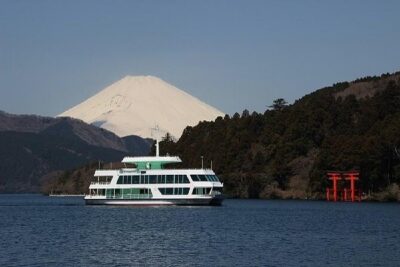 ★ 4.0Mt Fuji & Hakone Cruise, Drum Show Bullet Train 1 Day from TokyoFrom $1497,413 reviews
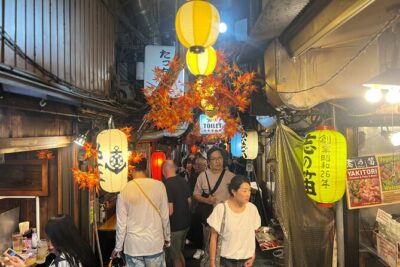 ★ 5.0Shinjuku Food Tour (13 Dishes at 4 Local Eateries)From $866,603 reviews
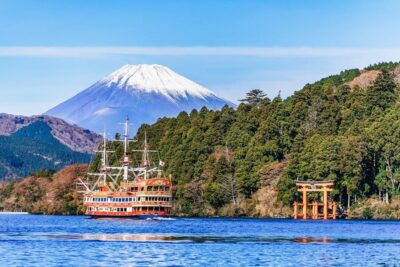 ★ 4.4Tokyo Mt Fuji 5th St & Hakone Cruise Bus Tour w/Bullet TrainFrom $1545,024 reviews
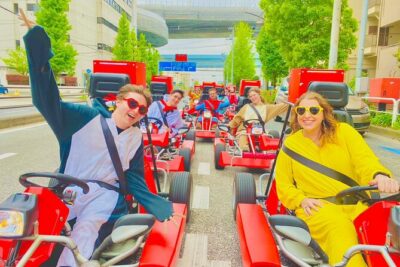 ★ 5.0Flagship 2-Hours Official Street Go-Kart Tour – Tokyo Bay ShopFrom $644,974 reviews
 ★ 4.5From Tokyo: Mount Fuji Full-Day Sightseeing TripFrom $684,970 reviews
This tour also belongs to