
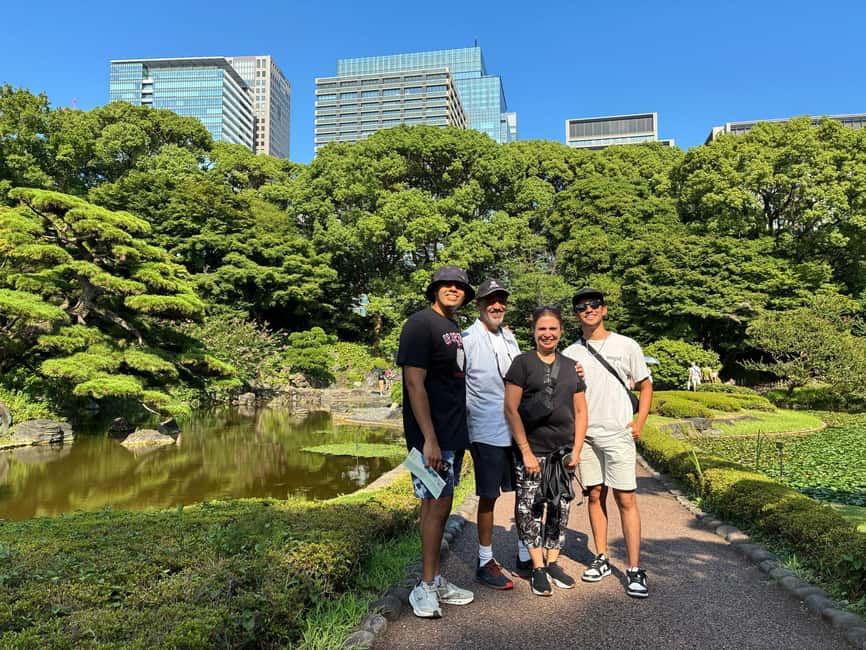
Review · IMPERIAL PALACE TOURS
Tokyo: Edo Castle Ruins & Imperial Palace East Garden Tour
Castle walls meet imperial gardens in one loop. I like how this tour uses Edo Castle and the Imperial Palace East Gardens as a living map, so you are not just looking at stones and trees. You get an English-speaking guide who connects the shoguns and emperors to what you see on the ground.
I also like the way the guide pulls in specific, memorable details. The Wadakura Fountain story is a nice entry point, and you end with panoramic views from the Tenshu-dai area plus a calm pause at Ninomaru Garden to watch koi in the pond.
One thing to plan around: you cannot enter the inner grounds of the Imperial Palace, and the palace buildings are not open to the public. If you are expecting to tour inside imperial buildings, this is not that kind of stop.
Key highlights to watch for
- Wadakura Fountain: a short guided walk that explains why it exists and what it commemorates
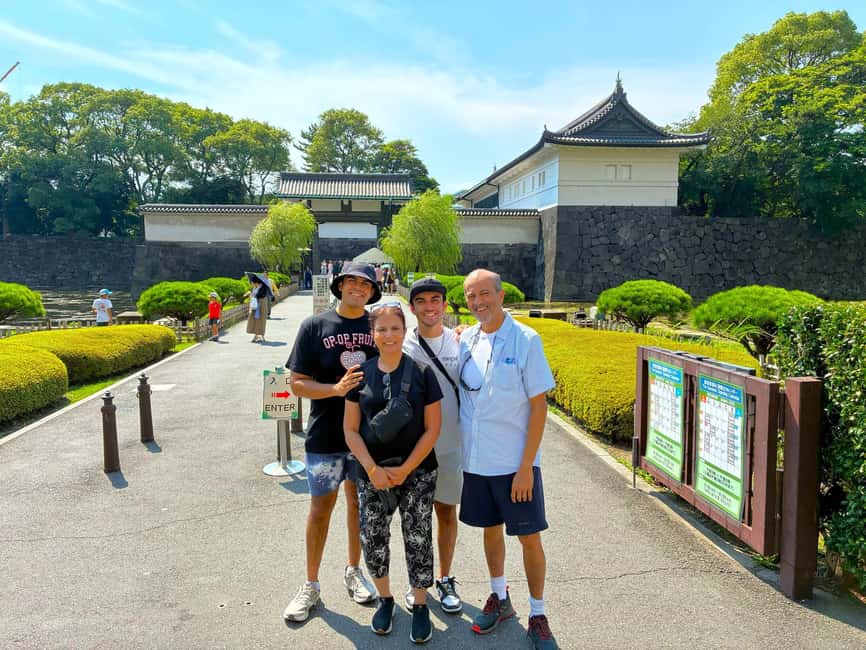
- Otemon Gate: a big, dramatic gateway moment that sets the tone for the castle story
- Gate ruins and bansho sites: names like Ote San-no-mon Gate Ruins and Hyakunin Bansho help you picture how defenses worked
- Tenshu-dai views: a viewpoint that makes the castle grounds feel larger than a typical city park stroll
- Ninomaru Garden koi pond: a quiet ending that slows the pace, even when Tokyo moves fast
- English guide with room for questions: past guides like Isao and Mari-san are noted for being friendly and responsive
Why this Edo Castle and Imperial Gardens tour fits Tokyo timing
This is a smart choice if you want a big cultural hit without giving up half your day. The tour runs about 2 hours, and it moves in short, guided segments so you do not feel dragged through long museum time.
It also has a clear theme. You are walking from the Edo Castle area into the Imperial Palace East Gardens, so you see how power in Japan changed over time, not just famous names from a history book.
The pacing is ideal for first-timers to Tokyo history who want context. It is also good for repeat visitors who want something more “site-based” than a lecture-heavy tour.
You can also read our reviews of more tours and experiences in Tokyo.


Starting at Wadakura Free Rest Area, then getting oriented fast
You meet outside the Wadakura Free Rest Area, in front of the entrance, and the guide holds a yellow sign. That little detail matters, because the area can look like just another Tokyo facility unless you know what to look for.
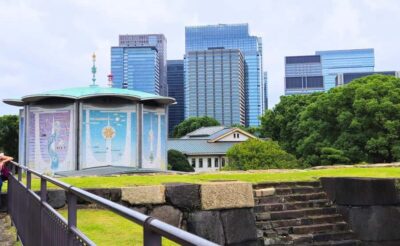
From the start, you learn the story behind the Wadakura Fountain. This is not an arbitrary photo stop. The fountain was built to commemorate a royal wedding, and the guide uses it to set up the broader idea of how ceremonies and status shaped public space.
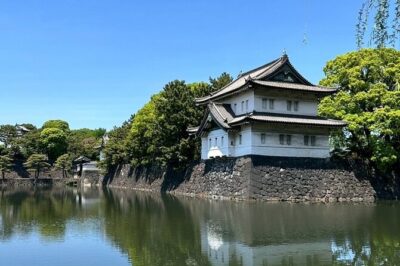
Right after, you move along the Wadakura Moat area for a quick guided look. Even though the stops are short, this is a helpful way to “read” the grounds. Once you know what moats and gates were designed to do, the ruins and pathways start making more sense.
Practical tip: wear shoes you can walk in comfortably. The tour is only about two hours, but you are on your feet the whole time, and you will want stability around uneven outdoor areas.
Gate power at Otemon and the castle defense story
Next comes the Ote-Mon Gate, one of the most important gateway moments on the route. The guide uses this stop to connect form to function, meaning the size and placement of gates were meant to control movement and make attacks harder.
Then you shift toward the Ote San-no-mon Gate Ruins. This is where guided interpretation really helps. Ruins can look like random stone remnants, but with a guide’s explanation you can start imagining how people moved through defenses and why certain areas were kept controlled.
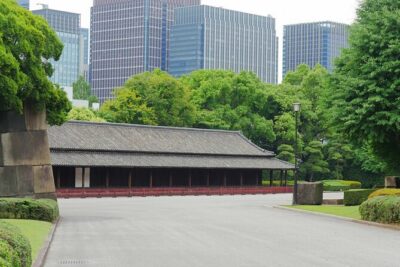
You also pass the Hyakunin Bansho Guardhouse area. The word bansho is tied to guard and checkpoint roles in castle life, and the guide uses site names like this to explain the human side of fortifications, not just the architecture.
If you like details, this part is where the tour feels most grounded. You are learning the logic behind the layout, so later, when you see other Japanese castle sites, your brain has a pattern to compare.
Potential drawback here: if your main goal is a lot of narration about the Imperial Palace itself, the tour still spends a lot of time on Edo Castle structures and defense-related sites. That is not wrong, it is just the tour’s focus.
Doshin Bansho and Hyakunin Bansho: why the names matter
A standout feature of this walk is that you are not only told “this was important.” You are given specific place names tied to roles in the castle system. That is where stops like Doshin Bansho and Hyakunin Bansho earn their keep.
In practical terms, these checkpoints and guard positions shaped what everyday movement looked like. From a visitor viewpoint, they also help you understand why some paths feel wider, some areas feel constrained, and why gates were positioned the way they were.
You get short, focused guided segments here, usually around 10 minutes per stop. The advantage is that you stay energized. The tradeoff is that you will not get a long historical deep lecture on every term. If you have a strong interest in military history, you may want to ask questions so the guide can tailor answers to your level.
One nice bonus: English guides can adjust. Past feedback highlights guides like Isao and Mari-san for being friendly and patient with questions, which is exactly what you want when place names are unfamiliar.
The Edo Castle Honmaru area and the Tenshu-dai viewpoint
After the guard and gate stops, you move into the Edo Castle Honmaru area, the zone associated with the main hall. This is a big emotional moment for many people, because Honmaru is essentially the heart of the castle compound in terms of authority and power.
You will see an Edo Castle keep restoration model. Since the original structures are not simply standing there the way you might imagine, the model helps you picture scale. It also gives your eyes something to compare with the surrounding space, which is crucial when you are trying to visualize a building that no longer exists.
Then you reach the Tenshu-dai area for panoramic views. This viewpoint is one of the best reasons to do the guided version. Without context, you might take a picture and move on. With context, you understand why elevated spots were so important for watching approaches and coordinating defense.
This is also a good place to slow down, even though the tour keeps moving. The view helps you make a mental map of where you are in modern Tokyo relative to the Edo Castle site.

A quick cultural pause at 都道府県の木 and 諏訪の茶屋
You also stop at 都道府県の木 and 諏訪の茶屋. These may sound like odd labels if you only skim the route, but short named stops like this are often used to add local texture to a historical walk.
Think of it as pacing. After gate names, guardhouses, and views, these pauses help break up the mental load. You are still on theme, but you get a moment that feels less like you are decoding the past and more like you are experiencing the present-day ground around the ruins.
The key is that the guide uses these stops to keep the story flowing rather than treating the walk as a checklist.
If you prefer purely historical interpretation with no side stops, this part might feel like filler. But if you like walking in Tokyo and watching how the city layers itself over earlier eras, these short pauses can be a relief.
Imperial Palace East Gardens: what you can see, and what you cannot
When you enter the Imperial Palace East Gardens, the mood shifts. This is not a defensive layout anymore, it is landscaped space designed for a different kind of attention.
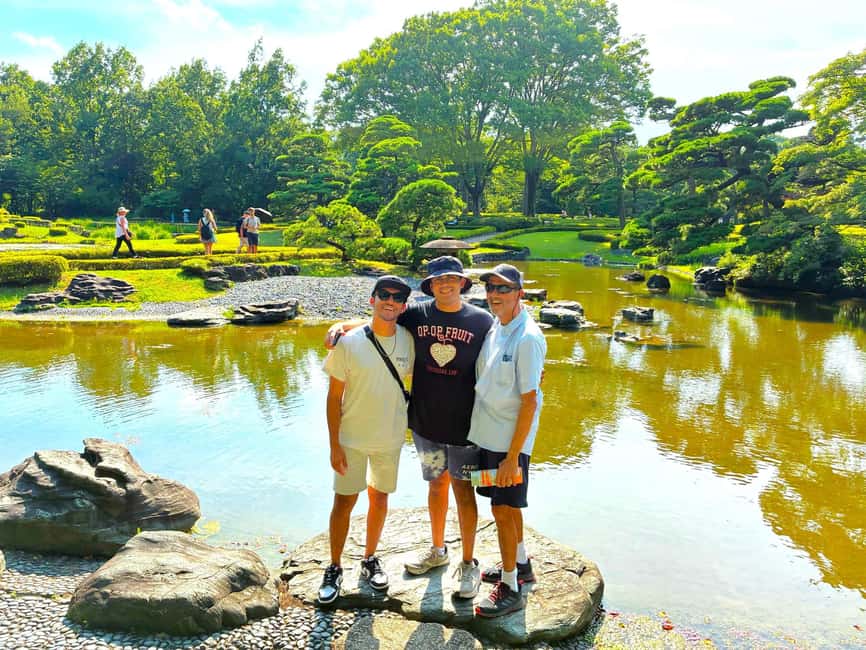
The East Gardens section is about 15 minutes, and the Ninomaru Garden is another 15 minutes. This is a comfortable amount of time. You can actually enjoy the quiet without worrying that you are missing the “main event.”
You will also see koi fish in the pond at Ninomaru Garden. That ending is one of the most soothing parts of the tour. In a city that can feel nonstop, being able to sit and watch the pond for a moment gives the whole experience a softer landing.
Important context before you go: you cannot enter the inner grounds of the Imperial Palace, and the palace buildings are not open to the public. So the tour’s value is in the gardens and the historic Edo Castle remnants you are walking through, not in touring interior rooms.
If you do not go into it with that expectation, the tour can feel like a mismatch. If you are fine focusing on what is accessible, it is an excellent use of time.
Photo moment and guide style: what makes this worth paying for
This tour includes a commemorative photo opportunity. It is not a full portrait session, but it is a nice convenience, especially if you are traveling with friends and want one clean group photo at the right point.
The bigger value is the live guide. Even with a short route, being able to ask questions can change everything. In English-speaking tours of this kind, good guides keep pace, explain terms you would otherwise miss, and respond when you ask something that matters to you.
From past feedback, guides like Isao and Mari-san have been praised for friendliness and for taking time to answer questions. That matters because castle site names and garden layouts can feel confusing if you only rely on signage.
And yes, there is a reality check here. If you love self-guided travel and you are comfortable reading on your own, you might feel this could be done without a guide. The deciding factor is whether you want interpretation and story, or just a scenic walk through key points.
Price and value: is $37 a fair deal?
At $37 per person for a 2-hour guided tour, the pricing is relatively easy to justify when you add up what is included. You get admission to Edo Castle and the Imperial Palace grounds areas covered by the tour, plus a live English guide, plus a photo moment.
What you do not get is also important: hotel pickup and drop-off are not included, and the palace buildings are not open as part of this experience. The tour is designed to be efficient around accessible zones.
So the value call depends on you. If you would otherwise pay for admission, and you know you want a guide to explain gates, moats, and historical terms, the price feels fair. If you planned to self-guide anyway and prefer doing everything at your own pace, you could save money, but you may miss the connections that make the ruins and gardens click.
For most first-time visitors, the guide is the difference between seeing a place and understanding why it matters.
Who this tour suits best, and who might want to skip
I think this tour is best for you if:
- you want an English guide for Edo Castle and Imperial Palace East Gardens in one compact plan
- you enjoy learning from specific place names, gates, and viewpoints
- you are happy focusing on ruins and gardens rather than interior palace rooms
- you like a calm finish, especially with Ninomaru Garden koi views
It might be less ideal if:
- you want access to the inner Imperial Palace grounds or the palace buildings, because those are not part of the tour
- you need wheelchair-friendly routing, since it is not suitable for wheelchair users and mobility impairments are called out as not suitable
- you are traveling with children under 6, since it is not suitable for them
Also be aware the walk is continuous. You can take pictures and you can pause, but you are not doing a sit-down, lecture-style experience.
Should you book this Edo Castle ruins and Imperial gardens tour?
Book it if you want a practical, story-based route through Tokyo’s most symbolic historic spaces, without spending your day hunting for context on your own. The Tenshu-dai panoramic views and the quiet Ninomaru Garden koi pond ending are strong reasons to go guided, because the explanations help you enjoy what you are seeing.
Skip it or reconsider if your dream is touring palace buildings inside. This tour is intentionally focused on what the public can access: East Gardens and Edo Castle ruins. If you come ready for gardens and ground-level history, you will likely feel it was time well used.
Finally, if you care about getting questions answered, look for guides known for being warm and patient with questions, like Isao and Mari-san, based on past English tour feedback.
FAQ
Where do I meet the guide?
Meet outside the Wadakura Free Rest Area, in front of the entrance. The guide will be waiting holding a yellow sign.
How long is the tour?
The tour duration is about 2 hours.
Is the tour guided in English?
Yes. The tour includes a live English-speaking guide.
What is included in the price?
You get a live tour guide, admission to Edo Castle and the Imperial Palace areas included in the tour, and a commemorative photo opportunity.
Are the Imperial Palace palace buildings open for this tour?
No. Entry to the Imperial Palace palace buildings is not included because they are not open to the public. The tour also cannot enter the inner grounds.
What should I bring?
Bring comfortable shoes, a camera, and water.
Are there any photo or smoking rules?
Smoking is not allowed, and flash photography is not allowed.
Is this tour suitable for children or wheelchair users?
It is not suitable for children under 6 years old. It is also not suitable for people with mobility impairments or wheelchair users.
What is the cancellation policy?
You can cancel up to 24 hours in advance for a full refund.
More Tours in Tokyo


More Tour Reviews in Tokyo
Not for you? Here's more nearby things to do in Tokyo we have reviewed






Imperial Palace Tours, side by side.
 ★ 5.0Imperial Palace and Shogun Historical Walking TourFrom $222,251 reviews
 ★ 4.9Imperial Palace Japanese History Walking TourFrom $32987 reviews
 ★ 4.9Imperial Palace and Shogun Walking TourFrom $16935 reviews
 ★ 5.0Imperial Palace East Garden and Edo Castle Walking Tour in TokyoFrom $25510 reviews
 ★ 4.8Imperial Palace East Gardens Walking TourFrom $19353 reviews
 ★ 4.5Imperial Palace, Sensō-ji Temple, & Tokyo Tower TourFrom $40339 reviews
 ★ 5.0Tokyo Castle, Imperial Palace, Shogun & Garden Walking TourFrom $31211 reviews
 ★ 4.7Edo Castle & East Garden of the Imperial Palace TourFrom $42112 reviews
This tour also belongs to