
Review · COOKING CLASSES
Basic Japanese Home Cooking with Fermented Foods(Teriyaki & Miso)
Koji changes everything about dinner. This 2-hour Tokyo cooking class focuses on Japanese fermented foods and shows how simple home recipes can taste deeper and more balanced. You learn in a small-group setting with a certified instructor, then eat what you made, which is a rare treat in a city built for going out.
I especially like the hands-on format paired with a real lecture. You get to ask questions while you work, and the instructor also walks through the process and history behind staples like miso and koji, not just the steps.
One consideration: the vegan option is made with deep fried tofu, and you’ll share the kitchen with the non-vegan version, so it is not a fully separate vegan setup. Also, mirin has alcohol in it, but it is removed during cooking, and children do not do the tasting.
Key things to know before you go
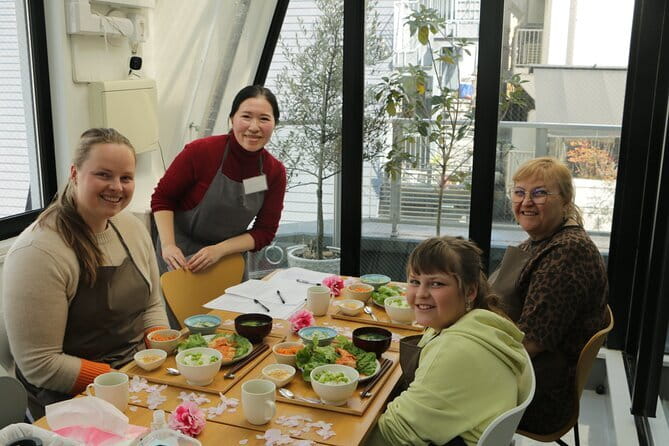
- Small group, max 6 people, so you actually get feedback while cooking
- Central Tokyo location with an easy route, about a 10-minute walk from Shibuya Station
- Fermentation lecture plus hands-on cooking, covering miso, koji, mirin, and more
- Seasonal menu that changes over time, so you are not doing the same class forever
- Lunch or dinner included, plus tea and a lecture handout to take home
- Vegan option available using deep fried tofu, in a shared kitchen with non-vegan cooking
Why Fermented Japanese Home Cooking Beats Another Meal Out in Tokyo
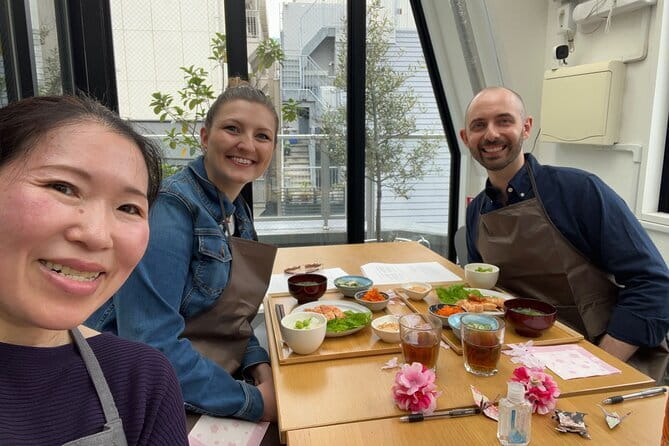
Tokyo makes it easy to eat well. It also makes it easy to miss what makes Japanese food feel personal, comforting, and repeatable. This class is built around fermented ingredients, so instead of just tasting flavors, you learn why they work.
The focus is on the health benefits and the culture side too. You are not just chopping vegetables and following a recipe sheet. You hear the process behind ingredients like miso and koji, plus how seasonings fit into everyday cooking.
I also like that it is not a long day. With only about 2 hours, you can fit it between sightseeing plans without turning your evening into a logistics project.
You can also read our reviews of more cooking classes in Tokyo



A 2-hour class that mixes lecture, cooking, and the meal you made
The rhythm here is straightforward. You start with instruction and an in-depth explanation of fermented foods, then you cook together in a small group, and finally you eat your lunch or dinner.
You should expect an active class, not a demo. The format is designed so you can get more feedback from your instructor while you’re working, which is a big deal if you are new to Japanese home cooking.
You also get practical extras that many classes skip. There is a rental apron, tea for the meal, and a printed lecture handout you can refer to later when you shop and cook at home.
Finding the kitchen near Akasaka-Mitsuke (and why the walk matters)
Your meeting point is Akasaka-Mitsuke Station, specifically 3-chōme-1-6 Akasaka, Minato City, Tokyo. The experience ends back at the meeting point, which keeps your day simple once you finish.
The kitchen is in central Tokyo. The route is described as only about a 10-minute walk from Shibuya Station to the kitchen area, including a short walk, so weather usually is not a deal breaker.
This is one of those details that really changes how the day feels. If the cooking class runs late, you still want an easy way to get yourself oriented and back out. This one is set up that way.
Fermented-food basics you can actually use: miso, koji, mirin, and more
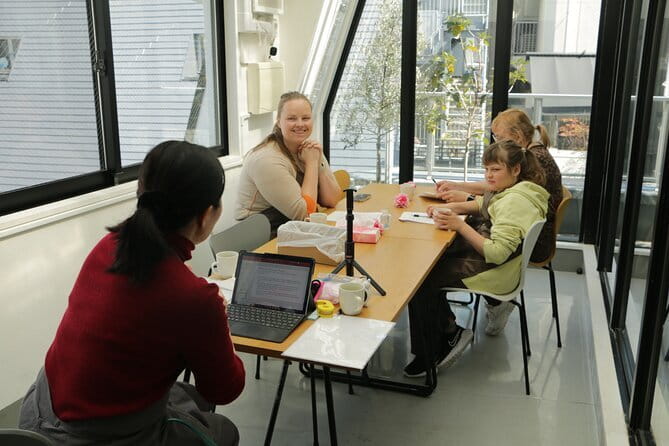
What makes this class more than a meal is the ingredient education. The instructor guides you through fermented foods like miso, mirin, and koji, plus the history and the process behind them.
In a lot of cooking classes, fermentation gets a quick mention and then it is back to the stove. Here, you get the bigger picture first, so when you add fermented seasoning, it makes sense instead of feeling like a mysterious flavor shortcut.
You also learn tips and tricks meant for real life at home. That includes how to use these ingredients to boost everyday dishes, not just how to make one plate for one night.
Cooking in a small group: why feedback is part of the value
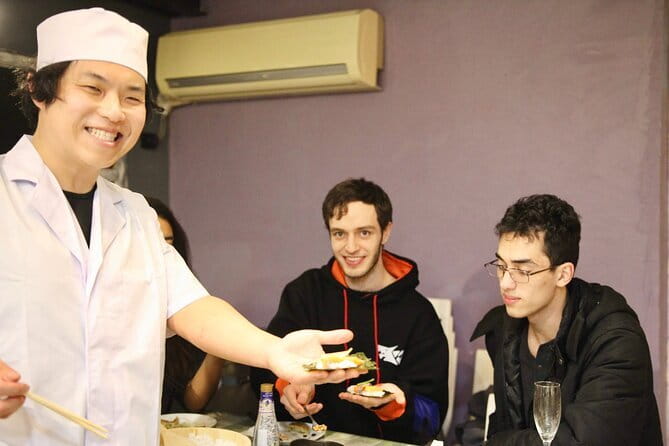
With a maximum of 6 travelers, you should feel less like an audience member and more like an actual participant. The class description promises more feedback from your instructor, and that matches the strongest parts of the experience: the warm, guided atmosphere and the constant chance to ask questions.
This matters even if you can cook. Fermented ingredients are not like salt or sugar. How much you use, when you add it, and what you pair it with all affect the final taste, and the instructor can point you in the right direction while you’re still learning.
The reviews also highlight that the instructor gives helpful context beyond the pot. You may get guidance on Tokyo and grocery shopping, which is the kind of practical bonus that helps you recreate the meal after you go home.






What you’ll eat: home-style Japanese cooking with seasonal twists
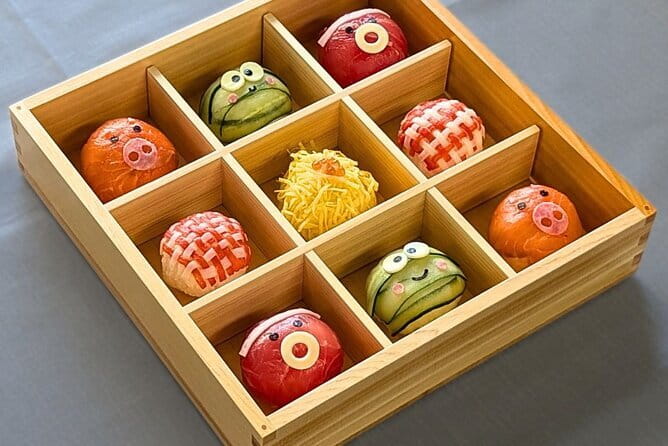
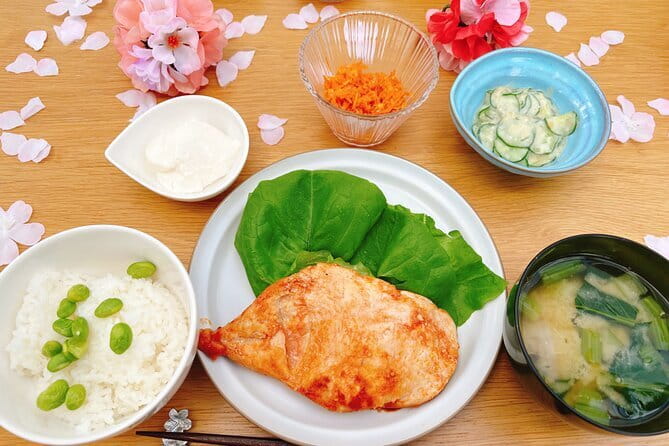
This is a lunch or dinner class, and you eat what you cook. The meal is described as a healthy break from eating out, and the word you should keep in mind is homely. The goal is comfort food, Japanese-style, built around fermented seasoning.
The menu changes depending on the season. That’s good news for two reasons. First, it keeps the learning fresh. Second, it means you are not locked into one set menu idea before you arrive.
One ingredient detail worth knowing: a sweet seasoning used in the class has been identified as amazake. If you like subtle sweetness in Japanese cooking, that is a clue to what the instructor may use to balance flavors.
Vegan option without pretending it’s the same kitchen setup
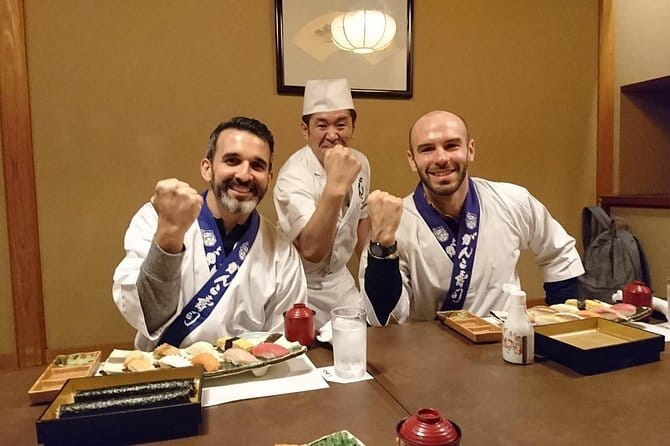
If you eat vegan, you do have an option. The class offers vegan lunch or dinner by using deep fried tofu, and the kitchen is shared with the non-vegan version.
So go in with clarity. This is not described as fully separate vegan production with separate tools and separate cooking areas. But it does mean the class can accommodate vegan eaters, and you can still learn the fermented-food approach through the recipes you make.
If your dietary needs are strict, tell the provider about allergen restrictions in advance. The class data says you should let them know if you have allergen needs, which is the responsible way to handle ingredients that show up in sauces and seasoning blends.
Mirin, alcohol, and tasting rules you should know ahead of time
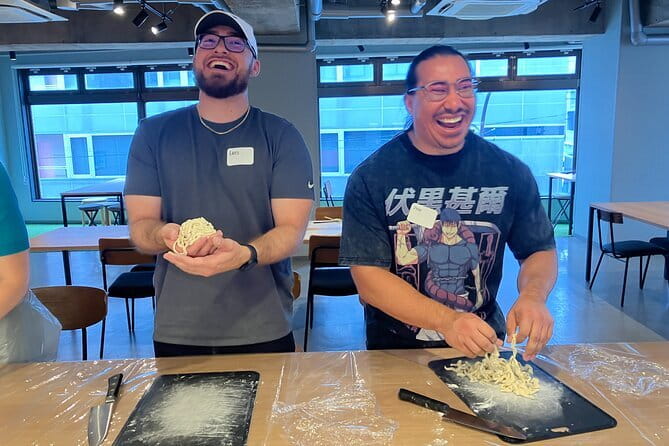
Mirin is part of the fermented-food story here. The class notes that mirin contains alcohol, but the alcohol is removed during cooking, so the dish itself is considered safe for children.
However, tasting is not available for children. If you are traveling with kids, this is the kind of rule that affects the experience day-to-day, and it is good to plan for it so nobody feels left out or confused.
How to get value from the handout and instructor tips
The lecture handout is not just paperwork. It is there so you can keep the fermented-food concepts straight after the class, when you are standing in a store looking at miso types or koji-related ingredients.
The best part is how you can turn learning into shopping and cooking. The instructor is described as sharing Tokyo tips and grocery shopping guidance, which helps you answer the big post-class question: where do I find the stuff, and what do I do with it once I buy it?
If you are the type who usually cooks from instinct, this class can still work. You just need to pay attention to the ingredient roles discussed in the lecture, then write down what you like about your plate.
Pair it with the fermented dessert class for a full fermented-food day
There is a special promotion if you want to make the theme a whole day. The provider also offers a Fermented Food Dessert Class from 2pm, and if you join both classes on the same day, you receive a special gift.
The gift mentioned is rice koji amazake, the one used in the dessert class. This is a nice way to extend what you learn, especially if you like the sweet side of fermentation instead of only savory miso and teriyaki flavors.
Who this cooking class suits best
This class is best for adults, and it is also suitable for children aged 7 and above. It is noted as not suitable for children aged 6 and under, since the focus is on learning techniques.
You will probably enjoy it most if:
- You want fermented-food education tied to real cooking, not just a tasting session
- You like small-group instruction with a chance to ask questions
- You want a central Tokyo activity that includes a meal and does not eat your whole day
You might want to think twice if you are expecting a fully vegan kitchen experience. Vegan is possible, but the kitchen is shared with the non-vegan version, and the vegan method uses deep fried tofu.
Also, if you hate meal-based classes because you prefer street food sampling all day, this will feel like the opposite of that. That said, if you need one solid home-style sit-down meal, this class is built for that exact moment.
Should you book? My practical take
I think you should book this class if you want something that is both enjoyable and useful after Tokyo. A 2-hour format with a real meal, tea, apron rental, and a lecture handout makes it a strong value for central Tokyo, especially with a max group size of 6.
I would book it twice over if fermented foods are already on your radar, because you get ingredient context for miso, koji, mirin, and more, plus instructor feedback while you cook. If you are vegan, it still can be a good choice as long as you’re comfortable with the shared kitchen setup and the deep fried tofu approach.
If your number one goal is only to eat the most Instagram-worthy thing in town, this may not feel like the flashiest option. But if your goal is to learn, eat comfortably, and take skills home, this is the kind of class that actually pays off.
FAQ
How long is the cooking class?
The class runs for about 2 hours.
What do you include in the price?
The price includes lunch or dinner, a rental apron, coffee and/or tea (including green tea or other Japanese tea), and a lecture handout.
Where does the class start and end?
You start at Akasaka-Mitsuke Station (3-chōme-1-6 Akasaka, Minato City, Tokyo). The activity ends back at the meeting point.
Is there a vegan option?
Yes. A vegan lunch or dinner option is available using deep fried tofu. The kitchen is shared with the non-vegan version, so you should request the vegan option when you apply.
Does mirin contain alcohol, and can children taste?
Mirin contains alcohol, but the alcohol is removed during cooking, so the dish is considered safe for children. Tasting is not available for children.
Is free cancellation available?
Yes, you can cancel for a full refund up to 24 hours in advance. If you cancel less than 24 hours before the start time, the amount paid will not be refunded.
More Cooking Classes in Tokyo
More Tour Reviews in Tokyo
Not for you? Here's more nearby things to do in Tokyo we have reviewed












Cooking Classes, side by side.
 ★ 5.0Ramen & Gyoza Cooking Class in Tokyo with Local Supermarket VisitFrom $122823 reviews
 ★ 4.6Easy Ramen Cooking Experience in Kabukicho, ShinjukuFrom $29321 reviews
 ★ 5.0Ramen and Sushi Cooking Class with Sake Pairing Set in TokyoFrom $79291 reviews
 ★ 4.9Wagyu and 7 Japanese Dishes Cooking ClassFrom $67273 reviews
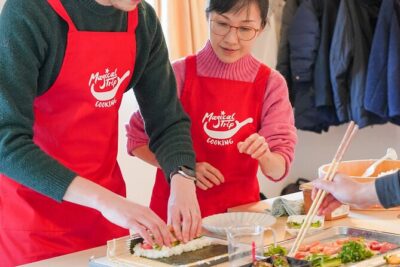 ★ 5.0Tokyo Washoku 4-hour Cooking Class: From Market to TableFrom $79253 reviews
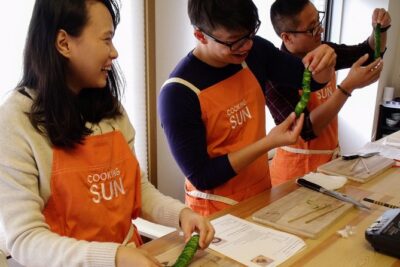 ★ 5.0Small-Group Wagyu Beef and 7 Japanese Dishes Tokyo Cooking ClassFrom $72190 reviews
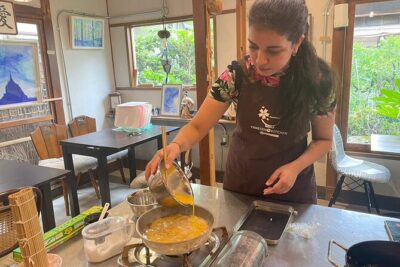 ★ 5.0Private Home Cooking in Yanaka – Local Flavors in a Warm SettingFrom $122173 reviews
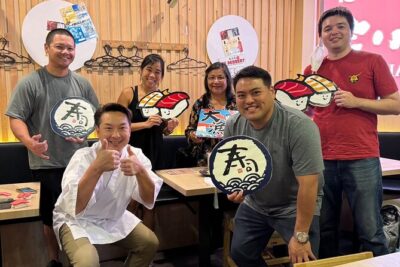 ★ 5.0Tokyo Sushi Making Experience & Japanese Cooking ClassFrom $59150 reviews
This tour also belongs to