
Review · TOKYO CITY TOURS
Discover the hidden gems of Tokyo:Private Tour with a Local Guide
Tokyo clicks fast with a local guide. I like the customizable half-day format, so your time can match what you care about most, and I like the way guides such as Kazuo Hirose turn landmarks into real neighborhood context. The tradeoff is that this is a walking-heavy experience, so you’ll want comfortable shoes and a moderate stamina level, plus some sights and meals are not included.
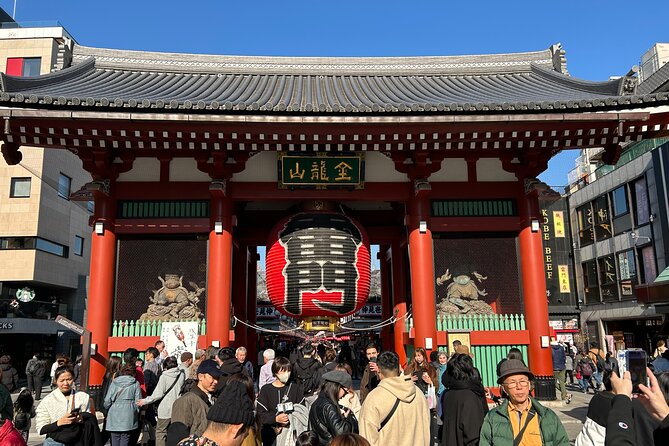
You start at Kaminarimon (easy to reach by public transport or on foot), and you can expect a route through classic old-meets-new Tokyo, from Senso-ji area streets to electronics and shopping streets. Many stops have free entry, and you’ll carry a mobile ticket for a smoother check-in, but you should budget separately for things like Skytree and any dining.
Key highlights to know before you go
- Private, pick-your-pacing touring with your local guide, so it is not a rushed group script
- Asakusa to Akihabara coverage across traditional culture, markets, shrines, and electronics
- Street-level explanations that connect Tokyo wards to daily life and local customs
- A practical food-and-shopping route where you can decide on the spot what to try
- Free-entry clustering, with several shrines and shopping streets included to keep the day affordable
Starting at Kaminarimon, getting your bearings fast
The tour meets at Kaminari mon 2-chōme-3-1, Asakusa. It is a classic starting point because it is instantly recognizable, and it puts you near the Asakusa old-town vibe right away. You can reach it by public transport or simply walk in from the area, which matters because Tokyo transit can be a puzzle when you are tired.
What makes this start smart is the logic of timing. Instead of bouncing straight to a far-away neighborhood, you begin where Tokyo’s traditional lanes, temple crowds, and street food culture make sense together. Your guide then builds a route for your interests, and that is a big deal in a city as huge as Tokyo. I also like that you are not stuck with one rigid schedule. The experience is designed to let you choose your must-visit stops, so you can prioritize what you personally want to see, not what a generic itinerary assumes.
One more practical note: the tour is private, meaning it is only your group. That gives you permission to ask questions, pause for photos, or slow down when a street market pulls you in. In my view, that flexibility is often where the value comes from, not from “more places” on a checklist.
You can also read our reviews of more guided tours in Tokyo
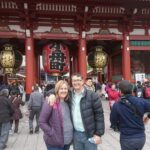
Asakusa and Senso-ji: temple stories you can feel in the street
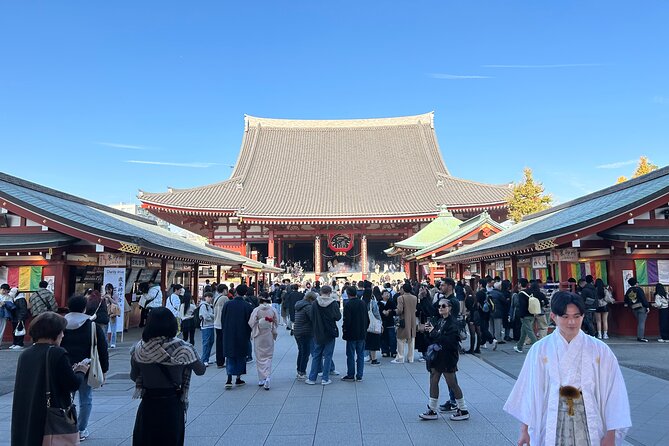
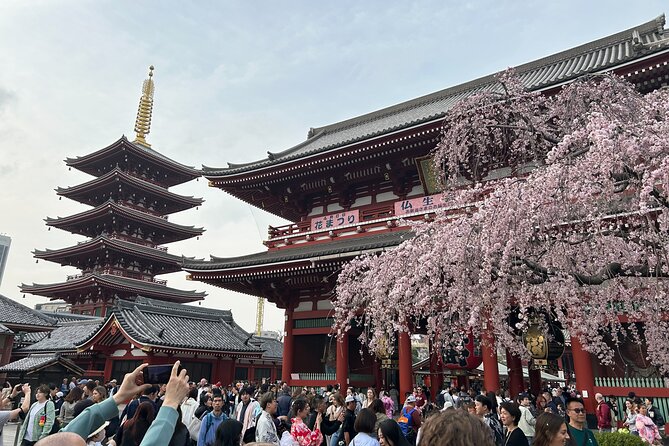
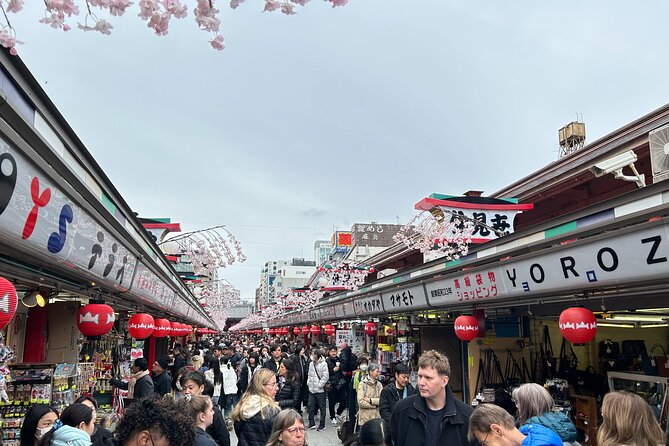
Asakusa is the kind of place where the street is part of the attraction. You spend time around Senso-ji Temple and the approach area, including Nakamise Shopping Street, which runs along the main approach to the temple. Nakamise is one of Japan’s older shopping streets, and it is the classic place to pick up small snacks and traditional-style souvenirs without feeling like you are shopping in a sterile mall.
At Senso-ji, the guide focus is not just where to stand for photos. You get stories tied to the development of Asakusa and Tokyo, including the origin of the Asakusa Sanja Festival, named after two fisherman brothers. That is useful because it changes how you look at the statues, the crowd flow, and the festival culture you might hear about later.
You also visit Asakusa Shrine. It is popular, and it is described as the guardian deity of Asakusa. The Shinto element matters here, because you are not only seeing buildings. You are learning how shrines fit into everyday beliefs and visiting routines. This can be surprisingly helpful when you later spot other shrines around Tokyo and wonder if they are all the same. They are not.
A key drawback to plan for
Senso-ji and Nakamise can be busy, especially at peak times. If you hate crowds, ask your guide about timing and when to step aside for calmer moments. Also, while temple and shrine entries listed here are free, snacks and any shopping on Nakamise are, of course, your choice and your cost.
Ueno Park plus Ameyoko: museums, museums-adjacent time, and bargain street energy
Ueno Park is a big chunk of Tokyo’s “do more than one thing in one area” style. You are near major museums like the Tokyo National Museum and the National Museum of Western Art, and you can also connect to Ueno Zoo, noted as the first zoo in Japan. Even if you do not go into every museum, the park gives you space to breathe, regroup, and step out of the dense street flow.
From there, the route can include Ameyoko Shopping Street (often called Ameyoko). This is a famous street for shopping and food, and the emphasis here is on value for money and high-quality items that feel more local than touristy. It is the kind of place where your guide can help you decide what is worth trying, instead of you guessing what everything is.
How to make Ameyoko feel worth it
Go with a plan to sample rather than “buy everything.” This is especially smart because your tour already has a lot of moving pieces, including electronics and shopping districts later. If you treat Ameyoko like a sampler plate, you will enjoy it more and keep the day from turning into decision fatigue.
You can also read our reviews of more private tours in Tokyo
Akihabara and Yodobashi Akiba: electronics, manga culture, and translations you will actually use
Akihabara is famous for manga, anime, and electronics, but it can feel overwhelming if you do not know how the stores differ. This is where having a guide helps. The tour includes stops around the Akihabara area, plus backstreet electronics like Akihabara Junk Street, known for stores focused on PC peripherals.
You may also pass Yodobashi Akiba, part of the big Yodobashi Camera complex. It is described as having one of the largest sales floor areas in Akihabara, which is exactly why it is a good “anchor stop” when you want to browse without getting lost.
What I like about pairing these stops is that you see Akihabara from two angles:
- Backstreets (like Junk Street), which can feel more niche and “hunter-style”
- Big stores (like Yodobashi), which help you compare price, options, and brands quickly
Don’t sleep on the culture side
Akihabara is also described as a sacred place for manga and anime that Japan is proud of, and it even notes things like maid cafes and shrines nearby (like Kanda Myojin, which you can also visit on this route). If you are curious about how fandom culture mixes with neighborhood traditions, you get a richer picture than just “walk into electronics.”
Nihonbashi, Tsukiji Outer Market, and Ginza: shopping districts with a purpose
The tour can swing toward Nihonbashi with COREDO Muromachi 1, described as a commercial complex in Nihonbashi with shopping zones and long-established stores. This area is a good transition from older Tokyo street culture into the “designed shopping Tokyo” feel.
Then you reach Tsukiji Jogai Market, also known as Tsukiji Outer Market. The focus here is food, especially sushi. It is described as a place where many foreign visitors go, and that it is a good place to connect through food and sushi. Even if you do not eat at every stall, the guided approach helps you notice what is “special today” instead of staring at everything at once.
A notable stop listed here is Sushi Dai. The description says the restaurant selects and buys ingredients at Tsukiji Market daily and prepares sushi toppings carefully, including rice described as warm to the touch. You should treat this as an optional, pay-your-own-portion experience since meals are not included.
Next comes Ginza, with several stops that are more interesting than the generic “shopping street” label suggests. You might visit Nihombashi Mitsukoshi Main Store, described as home to the oldest department store in Japan, with many shops and bento options in the basement. You might also stop at Ginza Itoya, a stationery specialty store founded in 1904 (Meiji 37), which is known for having multiple floors and lots of stationery choices.
One practical reality
Ginza is where your budget can quietly disappear. The good news is that the tour includes enough free-entry walks and sights that you can control spending. If you want value, do at least one “browse freely” stop, then pick one splurge category like stationery, a small snack, or a single gift item.
Shrines and “power spots”: learning Shinto without turning it into a worksheet
One of the most interesting parts of this tour is the rotation of shrines. You are not just seeing one shrine and moving on. You can encounter multiple shrines with different themes.
Examples on the route include:
- Imado Shrine, said to be one of the birthplaces of the maneki-neko (beckoning cat), with cats scattered around the grounds
- Yushima Tenmangu, associated with Sugawara no Michizane, known as the god of learning, and especially famous for students taking exams
- Mimeguri Shrine, described as a power spot for financial luck and business, connected to the Sumida River Seven Lucky Gods tour
- Kanda Shrine (Kanda Myojin), described as a power spot for victory and finding a partner, and connected with the Kanda Festival, one of Japan’s major festivals
These are not just “pretty places.” Each one gives you a different lens for understanding why people visit shrines in the first place. And in Tokyo, shrines often show up in the middle of busy commercial areas, which can make them feel oddly relevant rather than old-fashioned.
Consideration: entry is free, your time is not
Shrine visits listed here are free for admission, which helps keep costs down. But shrine time adds up because shrines are small worlds. If you are juggling many stops, ask your guide how long to spend at each one so you do not rush the parts you care about.
Skytree views and Ueno area downtime: when you need a breather
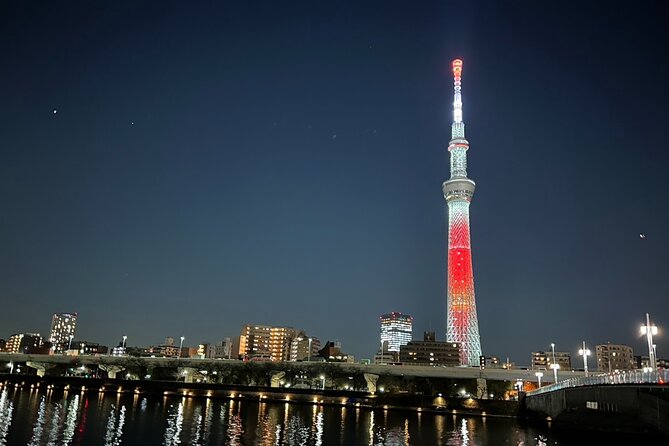
The route includes Tokyo Skytree, described as a 634-meter-tall freestanding radio tower and the tallest in the world. It has observation decks (Tembo Deck and Tembo Galleria) for views over downtown Tokyo. The major practical point is cost: it lists admission as not included, so you will need to budget for tickets if you go.
Skytree works well in this kind of private tour because it gives you a skyline reference point. When you look down from above, you better understand where you are in the city. That is helpful later when you navigate on your own.
You may also get natural breaks through parks and calmer stretches, especially with Ueno Park in the mix. The tour is still active, but these pockets of space prevent the day from turning into one long “eyes down, walk, repeat” experience.
Meals like sukiyaki and soba: optional, but the choices matter
Tokyo tours often treat food as an afterthought. Here, food is tied to specific stops, with some notable options.
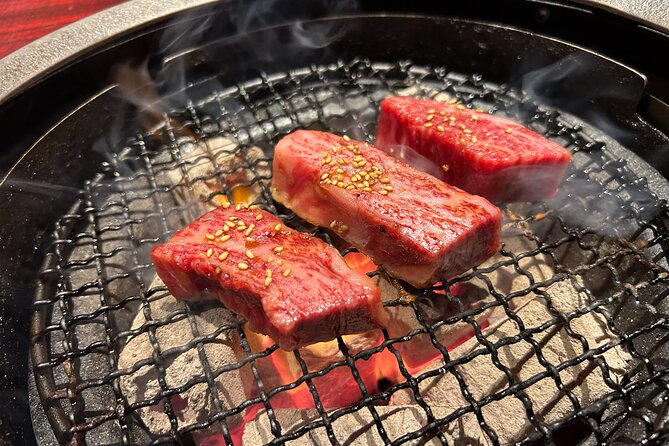
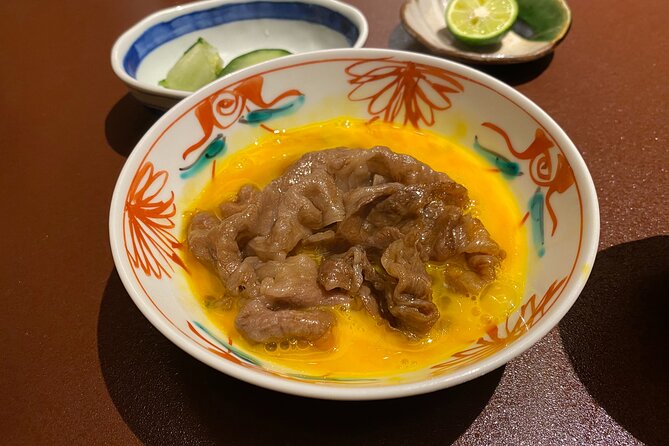
- Imahan Honten (sukiyaki), described as long-established and high-end in Asakusa Kaminarimon, using carefully selected Kuroge Wagyu. Admission to the restaurant itself is not included.
- A listed restaurant stop focused on Edomae soba, described as served in a hideaway-like space for adults, with a main store in business since 1922.
- Sushi Dai in Tsukiji Outer Market area is another pay-your-own meal option.
How I suggest you handle it
Treat meals as “one paid choice, one budget choice.” For example, do one main meal like sukiyaki or sushi, then keep street snacking light elsewhere. This keeps your day enjoyable even if you decide to add Skytree or Kabukiza later.
Kabukiza Theater and Kabuki tradition: a cultural stop that needs tickets
If your interests include performing arts, the tour lists Kabukiza Theater. Kabuki is described as a traditional performing art with over 400 years of history and registered as an intangible cultural heritage by UNESCO. Performances are noted as being by highly trained actors.
Just know the timing reality: theater entry is listed as not included. If you want Kabukiza, budget for tickets and confirm your plan with your guide so you do not end up outside with time pressure.
Tokyo Station as a finish: practical, central, and easy to continue
The experience ends in a different location, and Tokyo Station is included as a listed stop. Tokyo Station is described as a huge terminal that represents Japan and plays a central role in Japan’s transportation network, with many JR services and Shinkansen access.
That matters because it makes your day easier to extend. Even if you finish earlier than expected, Tokyo Station is a strong hub to head onward for dinner or evening plans.
Price and value: what you really get for $65.15 per person
At $65.15 per person, this tour can be strong value for one big reason: it is a private guide focused on walking, introductions, and decision help across multiple districts. You are not paying for transportation or entrance fees. You are paying for local guidance, route-building, and interpretation.
Here is how to think about value in real terms:
- Many stops are free-entry (shrines and major walking streets listed as free), so your money goes to time with your guide
- Not included costs are mostly what you can control: Skytree admission, Kabukiza tickets, meals, and any shopping
- Because you pick stops and your guide adapts, you are not stuck spending your time in a place you did not ask for
Also, this kind of private tour tends to be booked ahead. It is listed as being booked around 51 days in advance on average, so if you want a specific day, plan ahead instead of waiting until the last week.
The guides make it: one-on-one flexibility and neighborhood translation
Several standout themes show up through the experience design and the guide responses you can read yourself:
- Guides such as Kazuo Hirose are praised for being kind, professional, and warm
- The tour is described as adapting to likes and dislikes, which is what you want when Tokyo changes hour by hour
- People mention walking a lot, which can sound exhausting until you realize it is what turns “I saw spots” into “I understand the areas”
In my opinion, that is the difference between a sightseeing walk and a Tokyo orientation. You learn which streets matter, where to pause, what to ignore, and how each district feels different even when it is only a few train stops apart.
Who should book this Tokyo East Tokyo private tour
This tour fits you if:
- You want a private, guided walk instead of navigating alone
- You care about a mix of traditional Tokyo (Asakusa, shrines) and modern Tokyo (Akihabara, Ginza)
- You like asking questions, taking photos, and making on-the-spot decisions
- You want a guide to help you connect “where you are” with “how Tokyo works”
You might skip it if:
- You hate walking and prefer fully seated sightseeing
- You only want one or two specific paid attractions and nothing else
Should you book this East Tokyo private tour?
If your goal is to understand Tokyo by moving through real neighborhoods, I think this is a smart booking. The biggest strength is the combination of private attention and a route that spans Asakusa, Ueno, Akihabara, Nihonbashi, and Ginza without locking you into one rigid script. Budget for optional admissions like Skytree and meals, and wear shoes that can handle a serious walking day.
FAQ
What is included in the tour for $65.15 per person?
The price includes a tour guide and a walking tour, with visits such as Asakusa, Ueno, Akihabara, Nihonbashi, and Ginza. Entrance fees and lunch are not included.
Where do we meet, and is it easy to get there?
The tour starts at Kaminari mon 2-chōme-3-1 Asakusa, Taito City, Tokyo 111-0032, Japan. It is listed as near public transportation.
How long should I plan for?
The duration is listed as approximately 2 hours to 1 day.
Can I choose which places we visit?
Yes. It is described as fully customizable, and you choose three must-visit spots from the available list.
Are entrance tickets included for places like Tokyo Skytree or Kabukiza?
No. Entrance fee (for yourself) is listed as not included.
Is lunch included?
No. Lunch (for yourself) is listed as not included.
What is the cancellation policy?
You can cancel for free up to 24 hours in advance for a full refund. If you cancel less than 24 hours before the experience starts, it is not refunded.
More Guided Tours in Tokyo
More Tours in Tokyo





More Tour Reviews in Tokyo


Not for you? Here's more nearby things to do in Tokyo we have reviewed












Tokyo City Tours, side by side.
 ★ 5.01-Day Tokyo Bus TourFrom $12914,250 reviews
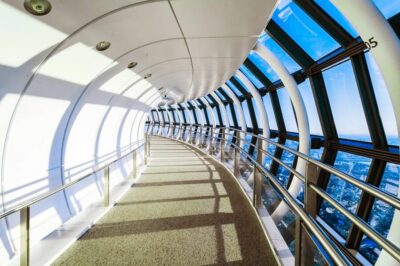 ★ 4.5TOKYO SKYTREE® Admission ticketFrom $1311,192 reviews
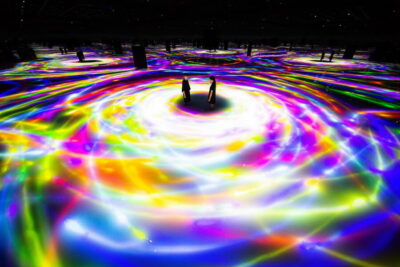 ★ 4.6teamLab Planets TOKYO Digital Art Museum Entry TicketFrom $259,779 reviews
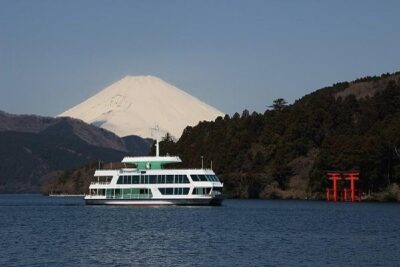 ★ 4.0Mt Fuji & Hakone Cruise, Drum Show Bullet Train 1 Day from TokyoFrom $1497,413 reviews
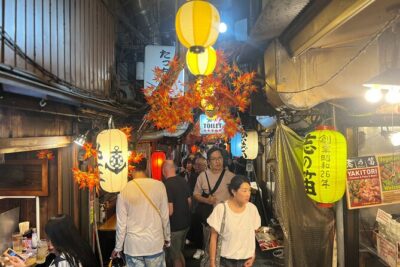 ★ 5.0Shinjuku Food Tour (13 Dishes at 4 Local Eateries)From $866,603 reviews
 ★ 4.4Tokyo Mt Fuji 5th St & Hakone Cruise Bus Tour w/Bullet TrainFrom $1545,024 reviews
 ★ 5.0Flagship 2-Hours Official Street Go-Kart Tour – Tokyo Bay ShopFrom $644,974 reviews
 ★ 4.5From Tokyo: Mount Fuji Full-Day Sightseeing TripFrom $684,970 reviews