
Review · TOKYO CITY TOURS
Edo Tokyo & Japanese Culture Tour with Government Licensed Guide
Tokyo history without the guesswork starts here.
This Edo-Tokyo style tour is a practical way to see old streets and traditions in a modern city, with a government licensed local guide who can tailor stops to what you care about. I love that it’s customizable (you pick 3-4 sites from the day’s options) and that guides I spoke with through past groups, like Shinji, Kei-san, and Andy, consistently help you make sense of what you’re looking at, including how to handle public transport. One drawback to plan for: you’ll still pay for things marked admission not included, plus transportation and meals, so your total day cost can creep up.
You’ll spend about 6 hours moving between Edo era themed landmarks and museum stops. It’s mostly walking, with the option to use public transport when needed, and pickup is on foot in a designated meet up area. If your idea of a perfect day is a museum marathon with minimal walking, you might find the pace better with careful stop selection.
Key highlights and what makes them special
- Government licensed English guide who adjusts on the fly, not just a script readout
- Pick 3 to 4 sites from the Edo focused menu, so you can shape the day
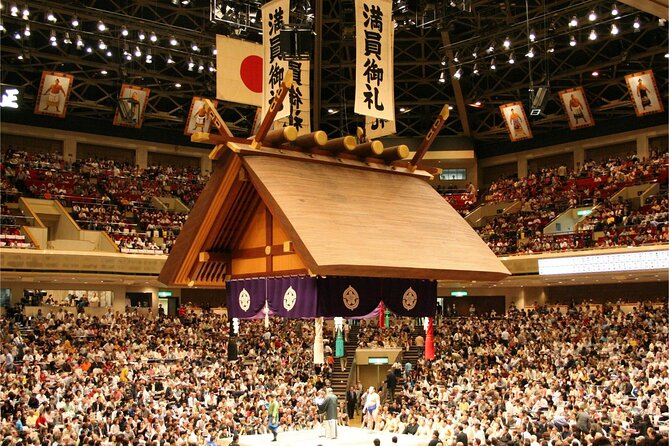
- Ryogoku sumo district in real life, plus the Ryogoku Kokugikan area
- Nihonbashi and the Sumida River route, where Tokyo’s old road system still has a feel
- Two different Edo era museum styles, one open air, one a recreated neighborhood
- IC card and transit help, which can save real time in Tokyo’s train maze
Why this Edo-Tokyo tour feels easier than DIY
Tokyo can be a lot, even when you love it. You’ll see shiny new towers one minute, and then someone points you at a bridge or alley that somehow connects to centuries ago. This tour cuts down the “where do I go next?” stress by putting that context in your guide’s hands.
The big win is that you’re not locked into one rigid path. The tour is customizable, and you choose 3-4 stops from the day’s menu. That matters because the Edo Tokyo story does not fit neatly into one perfect loop. With customization, you can prioritize what you like: sumo culture, ukiyo-e art, quake history, river walks, or Edo period neighborhood reconstructions.
The second win is the human part. In the feedback, guides like Shinji, Kei-san, and Andy get praised for explaining clearly and handling questions patiently. One review even called out that the guide helped with using the IC card and Tokyo’s public transport system, which is often the part that trips people up more than the sights.
There is also a reality check. You are paying mainly for a guided, structured day. The tour price is about $154.37 per person, but transport fees, entrance fees, and meals are not included. If you want a day with zero extra spending, you’ll need to choose options carefully and budget for tickets where it says admission not included.
You can also read our reviews of more guided tours in Tokyo
How the 6 hour flow actually works, and where walking fits in
This is a primarily walking tour, but it’s not a “never use transit” situation. The day is designed so you can walk between nearby areas and then hop by public transport when distances or weather make more sense.
You’ll also meet your guide within a designated area on foot, and pickup is offered on foot rather than by private vehicle. That’s good news if you like getting oriented early, but it also means you should arrive ready to start walking right away.
Timing is based on the stops you select. From the schedule, many items are 15 to 30 minutes, with longer blocks like an Imperial Palace area stop and the quake museum stop. That makes the day feel like a sequence of chapters, not one long exhibit. It’s also why stop selection matters, because skipping or swapping a museum can change your day pacing a lot.
Practical tip: Tokyo weather can change fast. If it’s hot, rainy, or cold, I’d pick more indoor options. If it’s mild, I’d lean into river and bridge time, because those walks are where the Edo street atmosphere really clicks.
Imperial Palace area: what you see if inside access is not included
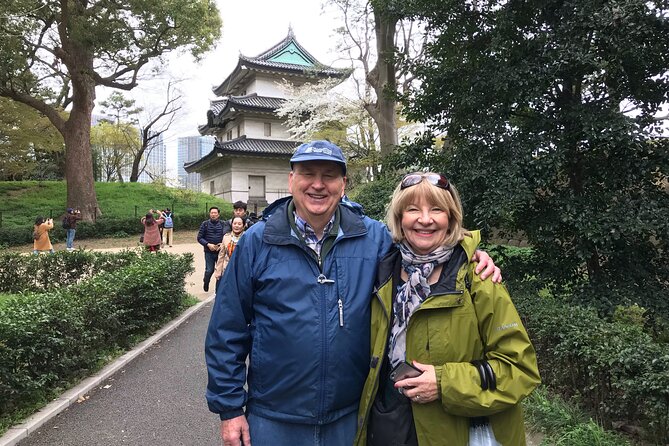
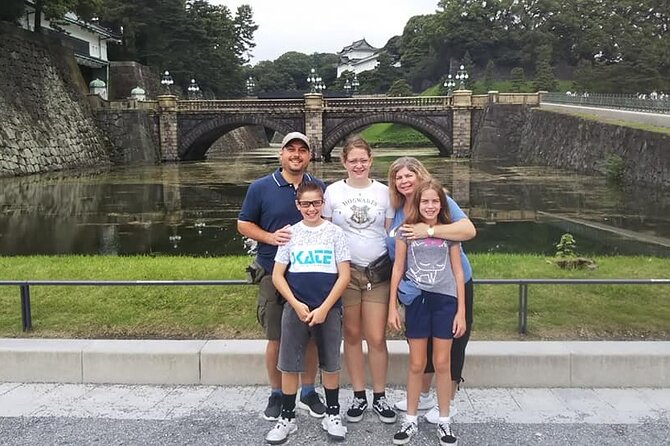
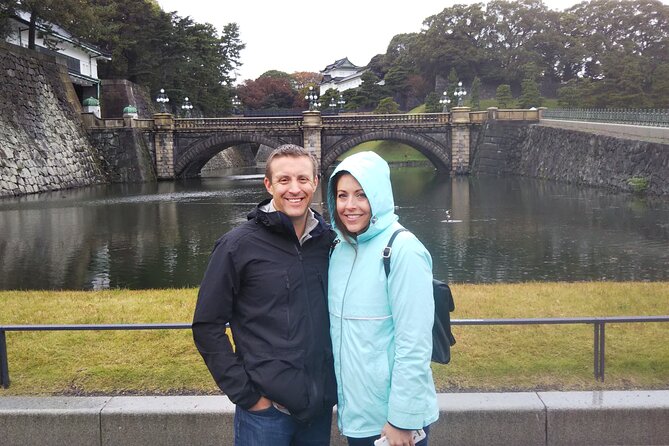
The Imperial Palace stop is on the former site of Edo Castle, and the setting is dramatic even without entering. Moats, grounds, and the sense of scale around the palace area help you understand how Edo power was organized.
Important detail: the tour does not include access to the inside of the Imperial Palace. So you’re not signing up for palace interiors or deep garden time. Instead, think of this stop as orientation and viewpoint time, with your guide explaining the Edo to modern connection.
If you’re the type who loves architecture, layouts, and how geography influences politics, you’ll likely enjoy this stop. If you specifically want to tour inside major buildings, you might feel slightly underwhelmed. A helpful approach is to treat this as a “place in context” stop, not a “ticketed attraction” stop.
Ryogoku Kokugikan and sumo culture: seeing Edo spirit in a modern arena district
Ryogoku is where sumo lives, and the tour takes you to the Ryogoku Kokugikan area for about 30 minutes. One advantage here is that admission is listed as free for this stop.
Why this works even if you do not plan to watch a match: Ryogoku is a themed district built around stables, chanko food culture, and the daily rhythm of sumo life. Even if you only have a short window, you get the sense of a place that organizes itself around a tradition.
If you care about how customs survive in a city that keeps rebuilding itself, Ryogoku is a great anchor. It also pairs well with other stops like Nihonbashi and the river walk, because those areas show how Tokyo’s identity has shifted while still keeping older roots visible.
If you’re visiting outside of major tournament timing, you still get value here because the area itself gives you atmosphere. Your guide can point out what you’re looking at and how to read it.
Sumida Hokusai Museum: ukiyo-e art in the right neighborhood
The Sumida Hokusai Museum is a focused stop for fans of ukiyo-e woodblock prints and for people who want a quick hit of art history. It’s listed for about 30 minutes, and admission is not included.
What I like about adding an art museum to an Edo-themed day is that Edo culture was not only about politics and sports. It was also about the visual world people consumed daily. Your guide can connect the museum’s focus to the broader Edo story, so it doesn’t feel like you’re just collecting stamps.
A simple drawback: museums require tickets and a little planning time. If you’re already paying entrances elsewhere, you’ll feel it in your budget. That said, this is a short stop, so you can choose it as your art chapter without turning the day into a long indoor session.






Kanto Earthquake Memorial Museum: why Tokyo rebuilt itself the hard way
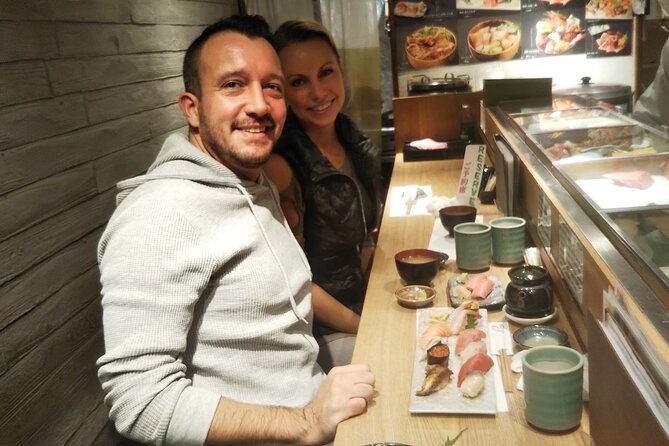
This stop is about the Great Kanto earthquake and how Tokyo rebuilt. It runs about 1 hour, and admission is not included.
This is one of those stops that makes the rest of the day click. You’ll be walking through Edo era remnants and reconstructed neighborhoods, but Tokyo did not simply preserve everything. It rebuilt, redesigned, and adjusted repeatedly. Understanding that earthquake story helps you interpret why old and new exist side by side so often.
If you’re a history person, this is a strong use of time because it turns a disaster into a city lesson. If you prefer lighter cultural stops, you might want to balance it with more food and river walking so your day doesn’t get too heavy.
Ryogoku Edo Noren: Edo themed food without pretending you’re in 1600
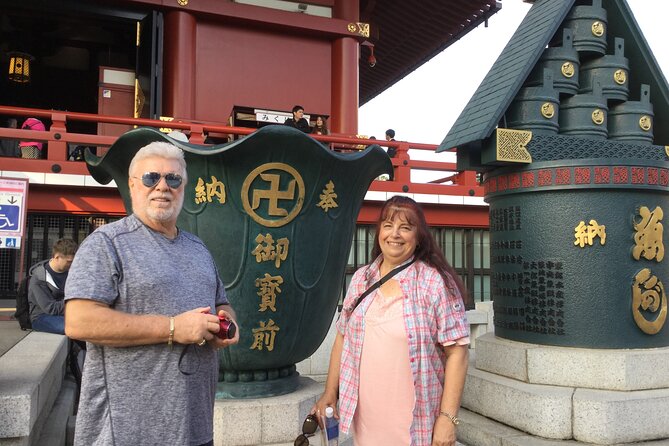
Ryogoku Edo Noren is a food stop styled to look like Edo period Japan. It’s listed for about 45 minutes, and admission is not included.
This is a good place to eat because it’s timed as part of the route and you don’t have to hunt for a restaurant mid itinerary. The key word here is styled. You’re getting an Edo themed food hall experience, not a reenactment village.
I’d use this stop strategically:
- If you plan to eat here, come hungry and pick something easy.
- If you don’t want that theme, use the stop as a quick break and then eat elsewhere, since your transport and meal costs are your responsibility anyway.
One more note: because meals are not included, it helps to decide your food budget early. That way your “guided day” stays a guided day, not a surprise spending contest.
Nihonbashi and the old road feeling: where Tokyo’s central routes began
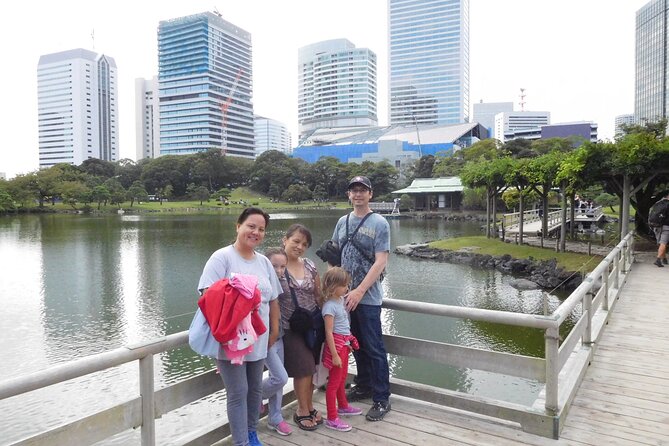
Nihonbashi is described as a traditional-feeling area that once was the starting point of five main roads through and across Japan. Even now, it’s tied to the idea that Edo was organized around connections and movement.
This stop is a payoff moment. When you look at bridges and street alignments, you start to “see” how cities functioned. It’s also a great bridge stop to pair with museums, because it connects the cultural story to physical geography.
If you like photography, the combination of classic bridge atmosphere and river proximity can give you great material. Just remember that this is a walking tour, so you’ll want to wear shoes that can handle Tokyo sidewalks and curb transitions without complaint.
The Sumida River segment: a river walk that helps you read the city
The tour includes the Sumida River (Sumidagawa), which starts north of Tokyo and flows eastward. You likely experience this as part of your transit and walking loop, more of a “move through the city’s spine” than an all-day river cruise.
Why it matters: rivers in Tokyo are practical, and they’re also symbolic. When you see the Sumida area connected to Edo culture, it’s easier to understand why so many historical scenes in prints and stories mention waterways and bridges.
This is a good choice if the weather is kind. If you’re dealing with heavy rain or strong cold winds, you might keep an eye on your guide’s plan and be ready to switch walking time for public transport when needed.
Edo-Tokyo Open Air Architectural Museum: Edo life you can almost walk through
The Edo-Tokyo Open Air Architectural Museum is listed for about 15 minutes, and admission is not included. That time is short, so the goal is not to become a building historian. It’s to get a fast, readable taste of how Edo homes and streets feel.
Open air museums work when you can connect the reconstructions to real street cues. Even with limited time, you’ll likely walk away with better instincts for what Edo-era architecture was doing: shaping daily movement, keeping households organized, and creating a street rhythm.
Since the time block is brief, I’d only pick this stop if you want an architecture visual lesson. If you’re more into art, disasters, or sumo, you can choose a different menu site and still build a coherent Edo story.
Fukagawa Edo Museum: a recreated neighborhood and street-level Edo context
The Fukagawa Edo Museum is listed for about 30 minutes, and admission is not included. It recreates an Edo-era neighborhood with streets, houses, and shops.
This is the opposite style from the open air architecture stop. Instead of focusing on buildings as objects, it’s meant to show you how a whole neighborhood functioned. If you like “walking into” the past, this is likely your better match.
One practical consideration: because it’s recreated, you may want to bring your curiosity about how people lived, shopped, and moved through daily routines. Your guide can help you notice the details rather than just treat it as a set.
Price and value: what $154.37 really buys you
At $154.37 per person for around 6 hours, the value hinges on one thing: you are paying for a government licensed local English-speaking guide plus a customizable itinerary structure. That guide time can be worth a lot in Tokyo, where transit is not intuitive at first.
But you should also budget for the add-ons. Transportation fees, entrance fees, and meals are not included. Also, guide entry fees are only covered for sights listed under the day’s options, so it’s worth understanding what you selected before you arrive.
How to think about it in real terms:
- If you choose only mostly free or low-ticket stops, your day cost stays close to the tour price.
- If you select multiple admission not included museums, your total day cost rises, but you’ll also get more “ticketed learning time.”
The tour also includes group discounts, and it uses a mobile ticket. The tour is private, meaning only your group participates. That privacy is often where the guide’s attention matters most. You can ask your specific questions instead of waiting your turn.
One last value note: it’s commonly booked about 20 days in advance. That tells me it’s a popular plan. If you have a tight schedule, I’d lock it in earlier rather than later.
What guides do best here, based on real past experiences
The most praised aspect across the feedback is not just that guides know facts. It’s that they help you navigate the day smoothly and explain what you’re seeing in plain language.
Here are the themes that come through clearly:
- Transit confidence: Guides helped with using IC cards and handling Tokyo public transport without stress.
- Custom tailoring: People appreciated that the guide adjusted based on interests rather than forcing the same route for everyone.
- Patient answers: Questions got answered calmly, including the moments when people were unsure what they were looking at.
- Support on timing and logistics: One comment noted the guide helped with getting around ease, even taking pictures and sharing them afterward.
In other words, the tour isn’t only “see places.” It’s also “how to function in Tokyo today.” That’s a real service, especially if this is your first trip or you want to avoid spending your limited time figuring things out alone.
How to budget for transit and cash, so your day does not snag
Tokyo transit often works with cards, but you should assume you will need cash for some parts of the day. One review specifically warned that transit systems do not accept credit cards and that getting money from an ATM can sometimes be tricky, so currency exchange is worth planning.
So here’s what I do in your shoes:
- Bring some cash in yen so you’re not stuck if a payment method fails.
- If you use IC cards, practice once before you start hopping between neighborhoods.
- Build buffer time for transitions, because walking tours plus trains can create minor delays.
Also remember the tour itself does not include transportation fees. Your guide can guide, but you still pay for rides and tickets where applicable.
Who should book this tour, and who should skip it
This tour is a great fit if you:
- Like history that’s tied to places, not just reading about it
- Want sumo culture in the Ryogoku area plus Edo era themed stops
- Prefer a guided plan but still want choice in the route
- Would rather learn how to navigate Tokyo transit with help than brute force it alone
You might skip it if:
- You only want stops with included entrance fees
- You strongly dislike walking or short museum sprints
- You want a classic Imperial Palace inside tour (this one does not include inside access)
Should you book? My recommendation
Book this tour if you want an Edo focused Tokyo day that is structured, flexible, and guided in a way that saves your energy. The price feels reasonable for private guide time in Tokyo, especially because guides tend to do more than recite facts. They help with transit confidence and they tailor the flow to your interests.
If you’re on a tight budget, choose your 3-4 sites carefully and pick museums strategically. And if you’re imagining the Imperial Palace as an inside visit, adjust your expectations early and enjoy it for the Edo to present context.
This is a solid choice for first timers, history lovers, and people who like to ask questions while walking.
FAQ
Is this tour mainly walking?
Yes. It is primarily a walking tour, and you may take public transport as needed. Pickup is on foot, with a meet up point in a designated area.
How long is the tour?
The duration is about 6 hours.
Can I customize which stops I visit?
Yes. The tour is customizable, and you can visit 3 to 4 sites chosen from the tour’s available list.
Are entrance fees included?
No. Entrance fees are not included. Some places are listed as free, but many are marked admission ticket not included.
Does the tour include Imperial Palace entry inside?
No. This tour does not include access to the inside of the Imperial Palace.
Is it a private tour?
Yes. It is a private tour, so only your group will participate.
Is pickup available?
Pickup is offered, but it is on foot. You meet the guide on foot within a designated area.
More Guided Tours in Tokyo


More Tours in Tokyo

More Tour Reviews in Tokyo
Not for you? Here's more nearby things to do in Tokyo we have reviewed












Tokyo City Tours, side by side.
 ★ 5.01-Day Tokyo Bus TourFrom $12914,250 reviews
 ★ 4.5TOKYO SKYTREE® Admission ticketFrom $1311,192 reviews
 ★ 4.6teamLab Planets TOKYO Digital Art Museum Entry TicketFrom $259,779 reviews
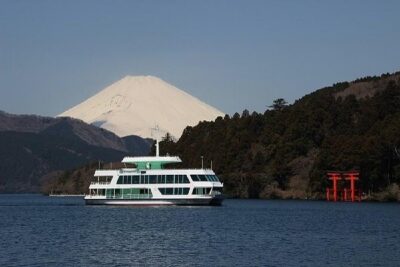 ★ 4.0Mt Fuji & Hakone Cruise, Drum Show Bullet Train 1 Day from TokyoFrom $1497,413 reviews
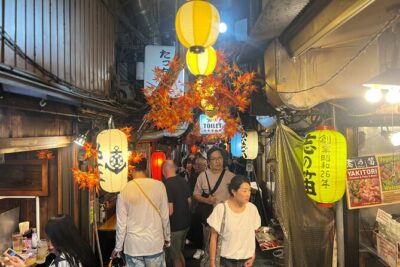 ★ 5.0Shinjuku Food Tour (13 Dishes at 4 Local Eateries)From $866,603 reviews
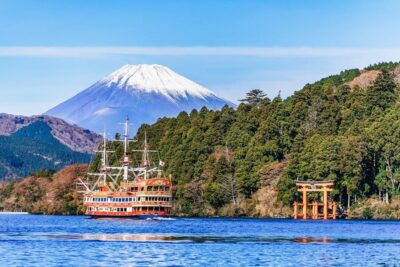 ★ 4.4Tokyo Mt Fuji 5th St & Hakone Cruise Bus Tour w/Bullet TrainFrom $1545,024 reviews
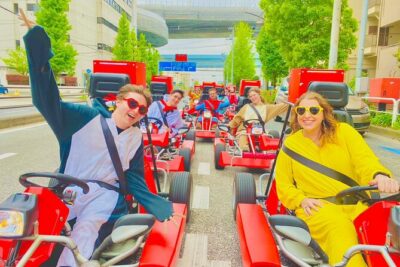 ★ 5.0Flagship 2-Hours Official Street Go-Kart Tour – Tokyo Bay ShopFrom $644,974 reviews
 ★ 4.5From Tokyo: Mount Fuji Full-Day Sightseeing TripFrom $684,970 reviews