
Review · TOKYO CITY TOURS
Edo Tokyo Small-Group Tour: History, Culture & Local Experiences
Tokyo’s Edo era is easier to picture here. In just about 4 hours, you get guided time at temples, a shrine, an Edo-life museum, plus traditional sweets and a peaceful garden break.
I like that this is a small group of up to 7, so your guide can pace things for real questions, not just speed-walk facts. I also like the mix of stops, from a dramatic temple fire display to everyday life recreations. One thing to consider, though: it’s a walking-focused itinerary, so if you want lots of long sit-down time or wheel-chair friendly sightseeing details, you’ll want to check specifics with the operator in advance.
Key highlights at a glance
- Up to 7 people, for a more personal, question-friendly outing
- Edo-period fire ceremony at Fukagawa Fudodo, plus a temple setting that makes it feel immediate
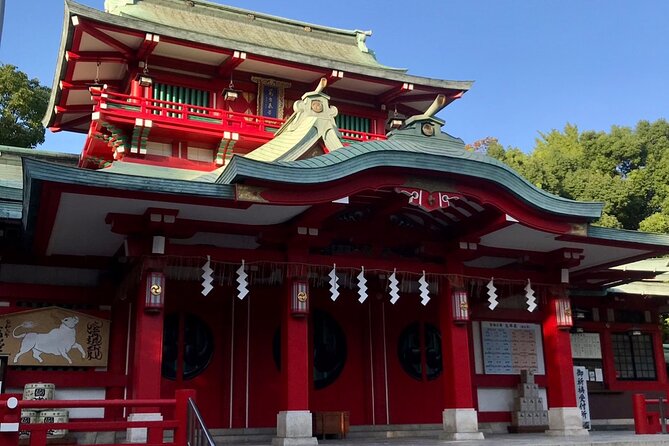
- Tomioka Hachimangu, a Shinto shrine visit dated to 1627 with sumo commemorative stones
- Fukagawa Edo Museum with life-sized Edo streetscapes, giving context to daily life
- Koto old-fashioned sweets shop stop, for a sweet Edo-flavored taste
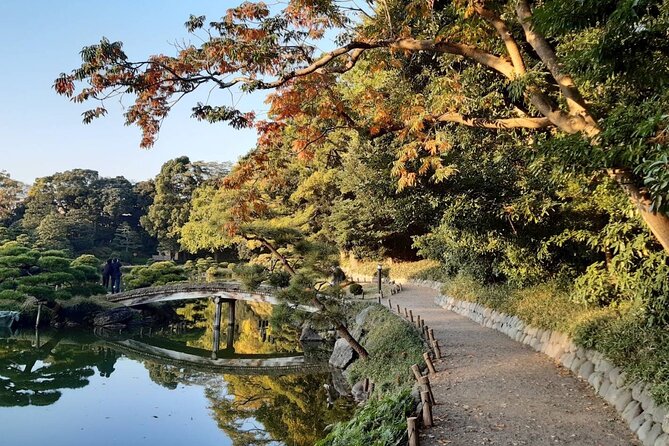
- Kiyosumi Teien garden with a tea house and pond for a calm reset
Why this Edo Tokyo tour feels different than a typical sight-seeing loop
This is one of those Tokyo tours that makes history practical. Instead of only pointing at old buildings, you move through Edo-era themes step by step: spirituality, community life, daily streets, food tastes, and finally a garden pause. The result is that Edo period Tokyo starts to make sense as a lived place, not a textbook.
The biggest value is the format. Max 7 travelers means your guide is more likely to tailor explanations and timing. You also avoid the feeling of being “one more head in a crowd,” especially on a route with several distinct stops.
Timing matters too. The tour runs with a 10:00 am start and an end near Kiyosumi Gardens. That’s ideal if you want a cultural block early in the day, then stay in the area later on your own.
Price-wise, at $48.99 per person, this is positioned as a half-day local experience rather than an all-inclusive tour with lunch. It includes all fees and taxes, which keeps the math simple. The admission situation is also helpful for value: the temple and shrine have admission tickets included, while other stops are listed as free at the time of the tour.
You can also read our reviews of more historical tours in Tokyo

Meeting point to end point: simple, public-transport friendly
You start at Monzen-nakacho Station, specifically 2 Chome-4 Monzennakacho, Koto City. The tour ends at Kiyosumi Gardens, 3-chōme-3-9 Kiyosumi, Koto City.
That end point location is smart. Many people want their final stop to be somewhere scenic, not back at a station with nothing to do. Here, ending at Kiyosumi Gardens lets you keep the “garden mood” going, or at least makes it easier to connect to other plans.
You’ll also have a mobile ticket, which is convenient if you prefer not to deal with printed vouchers.
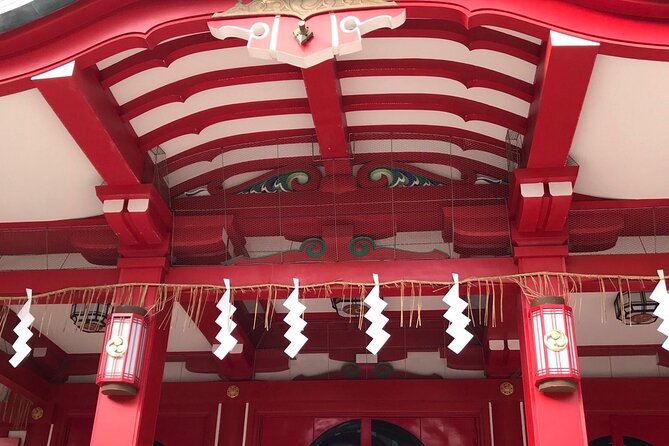
Stop 1 at Fukagawa Fudodo: the Edo fire ceremony and temple context
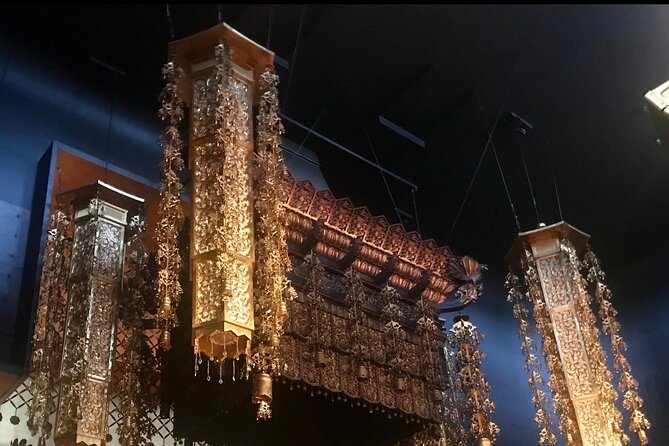
Your first stop is Fukagawa Fudodo, where you’ll see a spiritual fire display from the Japanese Edo period. The time here is 1 hour 20 minutes, and admission tickets are included.
If you’re only expecting a quick look at a temple, give yourself more credit here. A fire ritual in a temple setting changes the whole atmosphere. You’re not just walking past something old, you’re experiencing a tradition framed as meaningful and ceremonial.
Practical tip for this stop: wear clothes that handle standing time. The guided portion can be active, and you may want to move slowly so you can watch and listen. Even if you’re not an expert in Japanese religious practice, your guide’s role is to translate what you’re seeing into a “what it means” story.
Potential drawback: this is the most “intense” stop on the route. If you have sensitivity to smoke, heat, or loud ceremonial moments, you’ll want to use your own comfort level as the deciding factor and consider asking your guide what to expect before the fire display.
Stop 2 at Tomioka Hachimangu: Shinto shrine history and sumo memorial stones
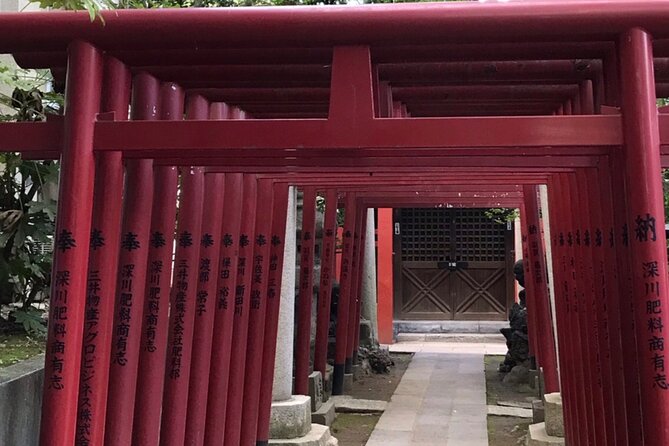
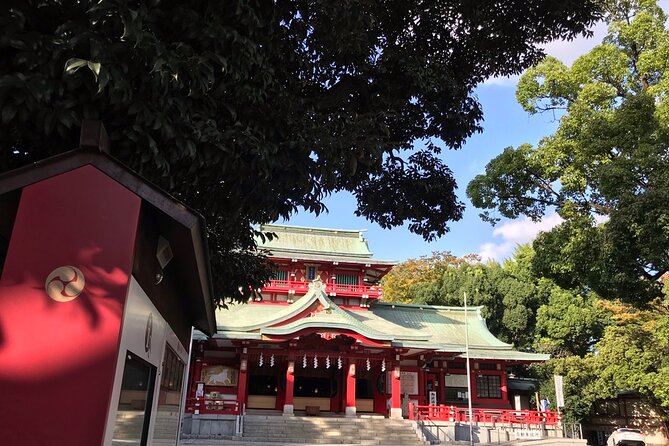
Next up is Tomioka Hachimangu, a Shinto shrine established in 1627. You’ll spend about 30 minutes, and admission tickets are included.
What makes this stop more interesting than a generic shrine photo stop is the specific detail mentioned for this location: sumo commemorative memorial stones. That one cue can help you understand the shrine’s role in cultural memory. It’s not only architecture and quiet. It ties the shrine to a wider world of Japanese sport, celebration, and remembrance.
You’ll likely get the best results here by slowing down just enough to read the guide’s explanations and then doing your own visual scan. Shrines reward attention to small cues, and your guide can help you spot what’s easy to miss when you’re in “camera mode.”
Time-wise, 30 minutes is short enough that the stop should feel efficient, not rushed. It also keeps the tour from dragging after the temple fire ceremony.
Stop 3 at Fukagawa Edo Museum: life-sized streetscapes that make everyday Edo life click
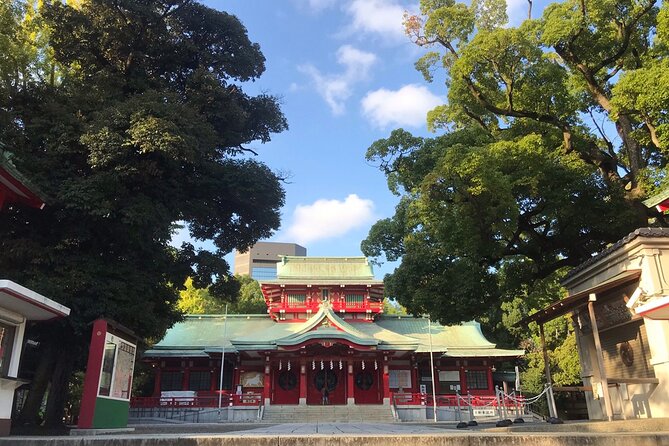
After the shrine, you shift to context at the Fukagawa Edo Museum at about 1 hour. Admission is listed as free for the tour stop.
This is where the Edo story often becomes clearer. Life-sized streetscapes can be a bigger learning tool than any lecture, because you can stand in front of scenes and picture how people actually moved through daily routines.
Here’s how to get more from it:
- Take a moment to pick a “theme” in your head, like home life, street activity, or work and commerce.
- Then let your guide’s commentary attach to what you’re seeing, not what you already assume.
Even if you’re not a history buff, the museum stop is often the most useful for first-timers because it answers the unspoken questions. What did ordinary streets look like? How would a neighborhood feel? Where would people gather?
Potential drawback: museums can be information-heavy. If you tend to feel overwhelmed in indoor spaces, you may want to pace yourself, take short breaks as needed, and focus on the areas your guide points out most.






Stop 4 in Koto: traditional sweets at an old-fashioned shop
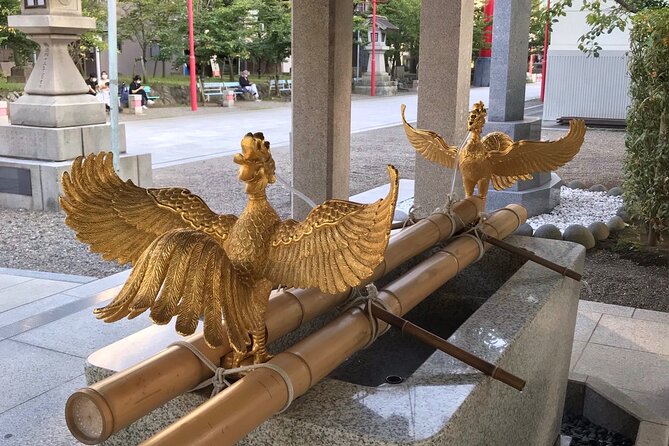
Your route then turns into a very Tokyo way to understand culture: you taste it. Stop 4 is an old-fashioned sweets shop in Koto, around 20 minutes. Admission is listed as free here.
This is a short stop, but it’s worth it because it breaks the “only looking” pattern of the tour. Edo-themed sightseeing is easier to remember when you add a sensory memory, and a sweets stop does exactly that.
Practical advice: when you’re offered sweets, don’t wait until the last second to decide. If there are multiple options, ask your guide which are more typical and which are easiest to sample in a short time. A 20-minute window is not long, so making quick decisions helps you enjoy the moment without feeling rushed.
Also, keep an eye on what you’re eating so you can avoid repeats if you plan to snack later that day.
Stop 5 at Kiyosumi Teien: tea house calm and a pond for a proper reset
The final stop is Kiyosumi Teien. You’ll spend about 45 minutes here, with admission listed as free in the tour details.
If the earlier stops are about spiritual energy and recreated streets, the garden is your mental breather. A tea house and pond setting gives you that “stop walking, start noticing” moment. It’s a change of pace that makes the whole tour feel complete, not just a checklist of attractions.
How to enjoy this part more:
- Use the time to sit, even briefly. A garden experience often depends on pausing.
- If your guide points out specific features, treat it like a mini guided “reading” of the landscape.
Potential drawback: garden time is subject to how you personally like quiet settings. If you’re the type who wants constant movement and constant action, you might feel the garden is slower than the museum or temple stops. But if you want a decompression period, this is the best part to slow down.
Value and time: is $48.99 a fair deal for this half-day?
Let’s talk value in a grounded way.
At $48.99 per person, you’re paying for:
- A guided route with multiple distinct cultural settings
- Small-group attention (up to 7 travelers)
- Included fees and taxes
- Admission tickets included at key stops: the temple fire display at Fukagawa Fudodo and the Tomioka Hachimangu shrine stop
Meanwhile, other stops are listed as free for the tour: the Fukagawa Edo Museum, the sweets shop, and Kiyosumi Teien.
So where does the money go? You’re essentially paying for the “how to understand what you’re seeing” part, plus the effort of connecting several places in a logical order without you having to plan every step.
What’s not included is lunch. That’s normal for a half-day tour, but it does affect your budgeting. Plan on grabbing food before or after, rather than counting on this experience to handle your meal.
One more real-life advantage: tours like this are often popular, and this one is commonly booked about 37 days in advance on average. If you’re traveling in a busier season or on weekends, locking in your dates sooner can save you stress.
Who this tour suits best, and who should rethink it
This fits best if you want Edo Japan through real-life settings, not just a single museum visit. The temple fire ceremony, shrine history, and life-sized streetscapes combine into a day-planning mix that works for first-timers to Tokyo and for repeat visitors who want a different lens.
It also helps if you like cultural details tied to specific places. The stop choices are very place-specific, like the sumo memorial stones at Tomioka Hachimangu. That kind of detail is where memorable tours live.
It may be less ideal if:
- You dislike walking between several sites.
- You’re sensitive to ceremonial displays involving fire.
- You expect a full day including lunch and long free time.
The group size and guide attention matter here. With max 7 travelers, the tour is set up to be manageable for most people who can handle short-to-moderate walks.
What kind of guide you should expect on this route
The guide can make or break a history-focused tour. Based on how this experience is described, a guide named Sandra is a standout, especially for families. She’s described as patient with kids and good at keeping the tone engaging, while still explaining what you’re seeing.
That matters because Edo-period sites can feel distant if someone only lists dates and names. The better version is explanation plus atmosphere. You want a guide who can translate a fire ritual, connect shrine details to cultural context, and help you interpret Edo streetscapes without turning it into a lecture.
So, if you’re traveling with children, this kind of guide reputation is a helpful sign.
Small-group touring tips so you get more out of every stop
To make the most of a 4-hour plan, treat it like “guided sampling” rather than “complete sightseeing.” Here are a few habits that tend to work:
- Arrive a few minutes early at Monzen-nakacho Station so the start at 10:00 am stays smooth.
- Keep your phone charged for photos, but also listen with your eyes. Some details are easier to notice when you’re not constantly framing.
- At indoor stops like the museum, pick one or two themes and stick with them. You’ll remember more.
Finally, save your biggest questions for moments when the group isn’t moving. That’s usually when you get the clearest, most personal answers in small-group tours.
Should you book the Edo Tokyo small-group tour?
I’d book it if you want an Edo-focused Tokyo experience with good pacing, small-group size, and a practical mix of spiritual sites, everyday-life recreations, sweets, and a calm garden finish.
I would hesitate if you need a lot of independent exploration time, expect lunch to be included, or have concerns about fire ceremonies. In those cases, you can still enjoy parts of Koto and Fukagawa on your own, but you’ll lose the guided connections that make Edo life feel understandable.
If you’re the kind of traveler who likes your history grounded in places, this route is a smart fit. It’s short enough to fit a day, detailed enough to feel like more than a drive-by, and it ends in a setting that helps you slow down after all that Edo-world input.
FAQ
How long is the Edo Tokyo small-group tour?
It runs for about 4 hours.
What is the meeting point and start time?
You meet at Monzen-nakacho Station (2 Chome-4 Monzennakacho, Koto City) and the tour starts at 10:00 am.
Where does the tour end?
The tour ends at Kiyosumi Gardens (3-chōme-3-9 Kiyosumi, Koto City).
What group size should I expect?
The tour has a maximum of 7 travelers.
How much does it cost?
The price is $48.99 per person.
Is lunch included?
No, lunch is not included.
What tickets or admissions are included?
Admission tickets are included at Fukagawa Fudodo and Tomioka Hachimangu. The other listed stops are shown as free for the tour.
Can I get a mobile ticket?
Yes, it’s listed as a mobile ticket.
What’s the policy if weather is poor?
This experience requires good weather. If it’s canceled due to poor weather, you’ll be offered a different date or a full refund.
More Historical Tours in Tokyo

More Tours in Tokyo

More Tour Reviews in Tokyo
Not for you? Here's more nearby things to do in Tokyo we have reviewed












Tokyo City Tours, side by side.
 ★ 5.01-Day Tokyo Bus TourFrom $12914,250 reviews
 ★ 4.5TOKYO SKYTREE® Admission ticketFrom $1311,192 reviews
 ★ 4.6teamLab Planets TOKYO Digital Art Museum Entry TicketFrom $259,779 reviews
 ★ 4.0Mt Fuji & Hakone Cruise, Drum Show Bullet Train 1 Day from TokyoFrom $1497,413 reviews
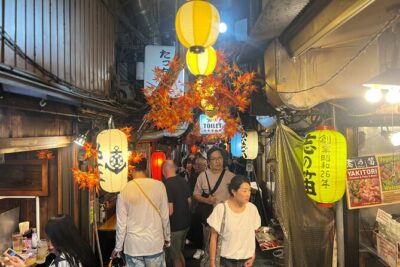 ★ 5.0Shinjuku Food Tour (13 Dishes at 4 Local Eateries)From $866,603 reviews
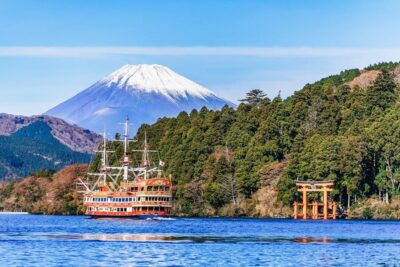 ★ 4.4Tokyo Mt Fuji 5th St & Hakone Cruise Bus Tour w/Bullet TrainFrom $1545,024 reviews
 ★ 5.0Flagship 2-Hours Official Street Go-Kart Tour – Tokyo Bay ShopFrom $644,974 reviews
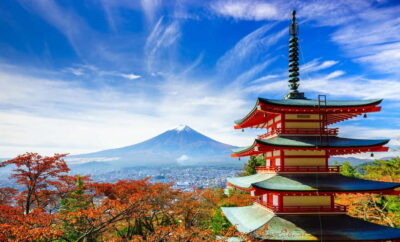 ★ 4.5From Tokyo: Mount Fuji Full-Day Sightseeing TripFrom $684,970 reviews
This tour also belongs to