

Review · TOKYO CITY TOURS
Freely set up plans Guided Private Tours in Tokyo
Tokyo can overwhelm fast. This private day plan turns that chaos into a smooth route, with a guide who helps you ride the trains and hit the big classics without wasting hours figuring it out. I especially liked how the tour mixes iconic sights with a few fun curveballs, and how you can shape the length of your day to match your energy.
Two things I really like: you get true “private” attention (your group only), and the guide handles the logistics of public transit so you spend less time lost near stations. One drawback to plan for is that this is still Tokyo on foot, so even when the sights are great, there can be a lot of walking and steps between subway exits.
Key points at a glance
Private group flexibility: choose your tour length and start time, and keep the pacing under control.
Public transport expert support: the guide takes you between neighborhoods using Tokyo’s rail system.
A mix of must-sees and personal fun: Tsukiji and Senso-ji sit next to animal cafes and garden time.
Most major entrances are your choice: several stops are free, but tower, zoo, gardens, and cafes usually cost extra.
Guides you might meet: Kono, Yumi, Funiko, Akiri, Yoki, Umi, Yumiko, and Yoshio are names that show up often.
A first-time Tokyo day that doesn’t feel like a scavenger hunt
If it’s your first Tokyo visit, the city can feel like a giant maze with excellent food and zero patience for confusion. This is the kind of tour that helps you get your bearings fast, because you are not just hopping from landmark to landmark. You are moving through real neighborhoods with an English-speaking guide who can explain what you are seeing while you go.
I like that the tour is flexible in the way it matters. You pick how long you want the day to be and which stops interest you most, instead of being locked into one fixed pace. That means you can build a relaxed introduction, or crank it up for a highlights-heavy day.
You can also read our reviews of more guided tours in Tokyo
Price and value: $132.14 plus you control paid admissions
At $132.14 per person, this is not a budget deal, but it can be good value if you will otherwise spend time bouncing between stations and getting stuck in lines without local context. You are paying for an English-speaking professional guide, hotel lobby meeting (Tokyo 23 wards), and public transportation help to and from stops.
Here is the money reality: admissions are not included. Some places are free to enter, and some are not. In the lineup, Tsukiji Jogai Market, Senso-ji, Shibuya Crossing, and Meiji Jingu are listed as free. But if you want the paid experiences, plan extra budget for Tokyo Skytree, Ueno Zoo, Tokyo Tower, Shinjuku Gyoen National Garden, and several others like owl and hedgehog cafes, Hamarikyu Gardens, and the Imperial Palace East Gardens area.
My practical take: treat the tour price as the cost of having someone else handle routing, timing, and explanation, then add your own wishlist for the ticketed sights.
Hotel pickup and private-group pacing that actually helps
One of the simplest perks is meeting in the hotel lobby within Tokyo’s 23 wards. That matters because Tokyo station exits can be tricky, and time adds up when you keep backtracking. If your hotel is within that zone, the start tends to be easier, especially if you are arriving by train, cruise, or on a tight schedule.
This is also a private tour, meaning only your group participates. That matters for two reasons. First, your guide can keep the group together even when Tokyo crowds get intense. Second, you can adjust on the fly. Want more time at a shrine path? Prefer a longer stop at a garden? You can usually steer the day toward what you care about.
Guides come through with a style that often sounds similar across names like Kono, Yumi, Funiko, Akiri, and Yoshio: clear direction, lots of context, and patience with questions, including how to use the subway system.
Riding Tokyo’s trains with an English guide (the real win)
Tokyo’s public transport is amazing and also, for first-timers, a little stressful. The big advantage here is that your guide takes you between stops using the rail system, so you are not reading maps while hungry and tired.
Expect the guide to help you with practical on-the-ground stuff like which line to take, how to interpret station layouts, and how to move through busy transfer points without losing the group. In multiple tours, guides like Kono and Yoshio have been praised for navigating the subway efficiently and explaining things in a way that makes the city feel less intimidating.
One consideration: this tour involves a lot of walking. Even when the guide is efficient, you may still face stairs and station-level steps. If mobility is a concern, plan carefully. You will want to mention it early so your guide can adjust the route and pacing as much as possible.
Tsukiji Jogai Market: street-food energy with cultural context
A great Tokyo day starts with food. Tsukiji Jogai Market is the kind of place where you can see old-school commerce and new food trends in the same breath. The market area is a mix of wholesale and retail shops, plus restaurants lining the streets. Even if you do not plan to buy much, it is one of the fastest ways to understand Tokyo’s food culture beyond sushi posters.
What I like about starting here with a guide: you get context while your eyes are busy. You learn what you are seeing, what to look for, and how the market vibe works at street level, not just from a brochure.
If you have dietary limits, a private guide is a big advantage. The guide can help you pick options that make sense for your taste and comfort level. In past tours, guides have also been known to steer people toward a great sushi lunch, so if that is your plan, you can likely build it into the day.
You can also read our reviews of more private tours in Tokyo

Senso-ji Temple: the photo spot with real stories behind it
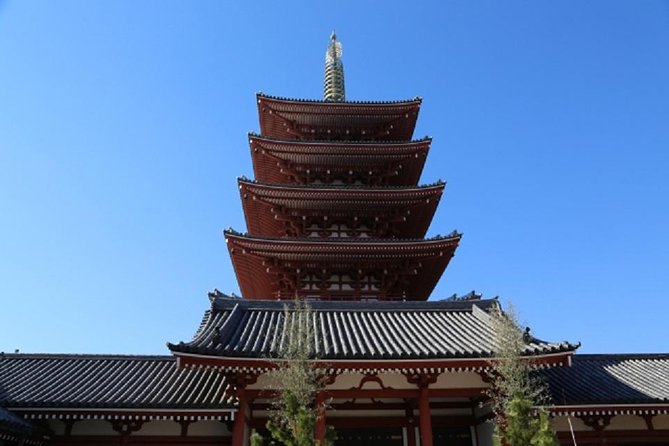
Senso-ji is one of Japan’s most famous temple complexes, and for good reason. The grounds include historic buildings like the five-story pagoda and the Hozo-mon Gate, also called the Treasure-House Gate. You will see plenty of visitors, but the guide angle is what makes it more satisfying than just taking pictures.
A good guide helps you notice details you might otherwise miss. You slow down at the right points, understand what key structures are for, and connect the setting to broader Japanese culture. This is also a stop where timing can matter, because crowds come in waves.
Plan for walking inside the temple approach and allow enough time to actually look. With a private group, you can usually spend that extra 10 to 15 minutes where it counts, instead of being rushed along.
Skytree and Ueno Zoo: skyline wow and classic animal Tokyo
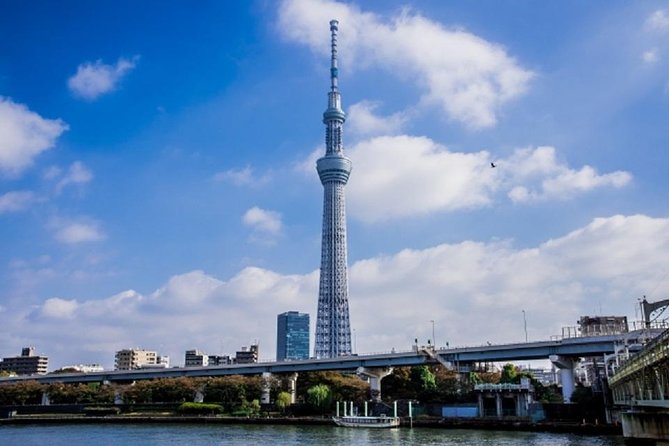
Tokyo Skytree is built for the wow factor. It is described as the world’s tallest tower at 634 meters, with observation areas at 340 meters and 450 meters above ground. If you want a big-picture view of Tokyo, this is a strong choice.
The practical thing: the observation ticket is not included, so decide early if you really want the higher look. If you do, add time to your plan so you are not racing the clock.
Then there is Ueno Zoo. The tour lists it as the Tokyo Metropolitan Zoo, opened as the first zoo in Japan in 1882. It also highlights that about 400 species are bred there, including rare animals such as Sumatra tiger. Even if you are not an animal-lover, it gives you a break from the city’s relentless motion.
My advice for this section: if you do both Skytree and Ueno Zoo, be ready for a longer day. They are not “quick in and out” stops, and Tokyo has a lot of transit steps between them. For shorter tour lengths, you might pick one and save energy for shrines or gardens.
Shibuya Crossing to Meiji Jingu: modern traffic theater, then calm
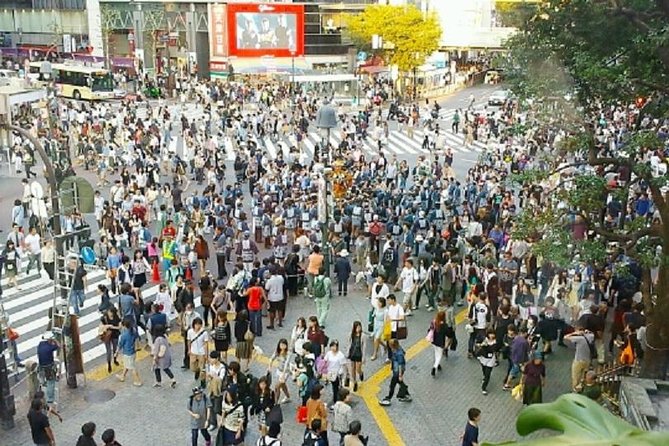
Shibuya Crossing is the kind of place you understand instantly even before you learn anything. The tour data notes there are about 500,000 people using the scramble intersection per day, and around 3,000 people crossing with each green light. Standing at the right spot, watching it cycle, is its own mini lesson in how Tokyo moves.
From there, you pivot to Meiji Jingu Shrine, a complete change in mood. The shrine was built in 1920 and enshrines Emperor Meiji and Empress. It is a major draw for both Japanese worshipers and foreign visitors year-round.
This combo works because it gives you two Tokyo faces in one day: high-speed street life, then a wooded, reflective shrine setting. If you want the day to feel balanced, this is a smart sequencing choice.
Tokyo Tower and Shinjuku Gyoen: views plus a break from crowds
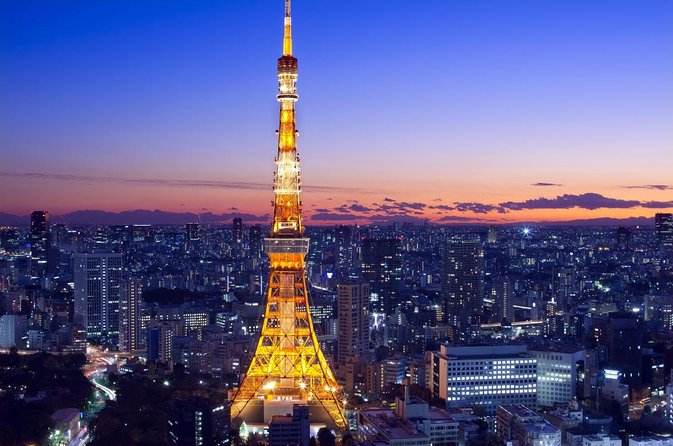
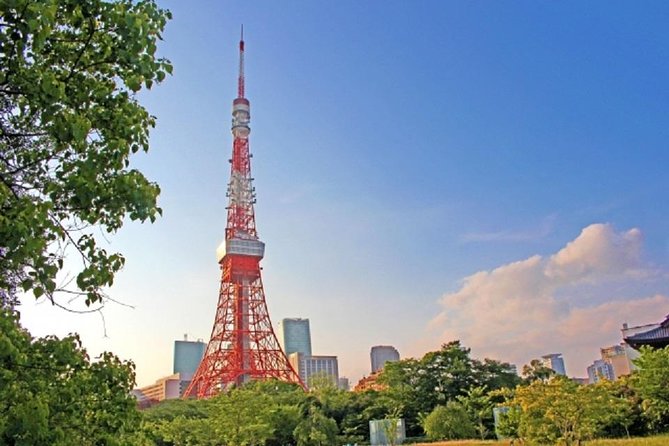
Tokyo Tower is another big landmark, listed at 333 meters and constructed in 1958. The tower experience includes a view cafe and a Tower Jingu Shrine. The tour info also mentions lighting themes such as Landmark Light and Diamond Veil. Even if you do not ride up to the highest viewpoint, the tower area is a classic Tokyo moment.
Next, Shinjuku Gyoen National Garden offers a slower pace. It is described as representing the Meiji period and combining a well-formed garden, a landscaped garden, and a Japanese garden. It was built as an imperial garden in 1906. This stop is useful when you feel like you have been walking for hours and your brain needs a reset.
For garden time, the practical move is to wear comfortable shoes and bring layers. Even in mild weather, gardens can feel cooler or breezier than the city streets.
Imperial East Gardens and Edo Castle Ruins: the Tokyo story behind the skyline
The East Gardens of the Imperial Palace area can feel surprisingly calm when you are used to Tokyo’s speed. The tour description points out that the Imperial Palace sits in Chiyoda Ward and that the grounds include houses of the Emperor and Empress, the palace, and the Imperial Household Agency office.
It also references the Tokugawa period, when the area was used as a major castle site. If you like understanding why Tokyo looks the way it does, this is the stop that ties the city’s modern power to its older roots.
Since admissions for this portion are not included, decide whether you want to go into the gardens themselves or treat it as a photo and orientation stop. With a private guide, you can usually tailor the time based on your stamina and interests.
Owl cafe Akiba Fukurou, hedgehog cafe Chiku Chiku Cafe, and Hamarikyu Gardens
Not every Tokyo highlights day needs more towers. This tour includes fun, unusual pauses in spots like animal cafes, which many visitors enjoy because they break the day’s pattern and give you something silly and memorable.
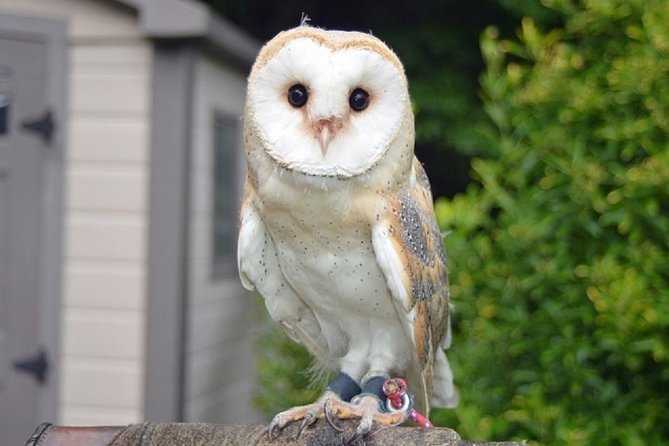
One listed option is Owl Cafe Tokyo Akiba Fukurou, described as a cafe where you can interact with owls. Another is Chiku Chiku Cafe, where you interact with hedgehogs. The info notes that this hedgehog cafe serves only drinks and that the animals can sleep on your hands.
A couple practical points. Animal cafes can involve waiting time depending on the day, and they are ticketed experiences, so admissions are not included. Also, if you are visiting during peak seasons, plan to keep these as flexible stops in your order, so you are not stuck if a cafe has limited availability.
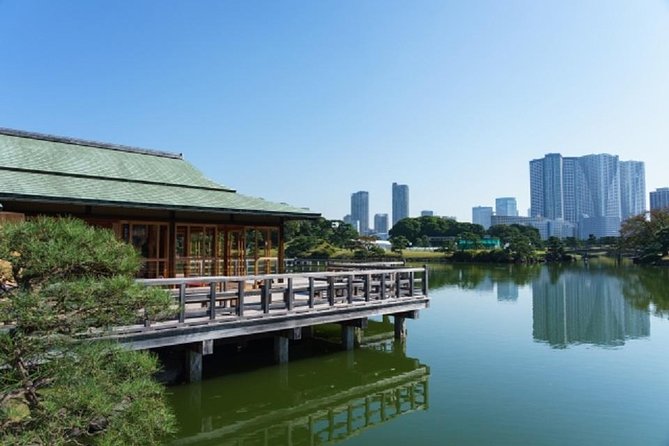
Then there is Hamarikyu Gardens, which feels like a real reward after city time. The park opened to the public on April 1, 1946. The tour description highlights its large size at 250,165 square meters, its setting around Shioiri Pond, and a seawater moat filled by Tokyo Bay. It is a nice contrast to the urban noise, especially if you have been doing Skytree, Tower, and crossing intersections earlier.
If you want a day that balances big sights with gentle pauses, these stops make it happen.
How long should your Tokyo private day be?
The tour runs from 4 to 10 hours, and you can choose start times. That matters because not every stop is worth the same energy cost. On a shorter day, I’d treat the lineup like a buffet: pick 4 to 6 targets that match your personality, and skip the ones that sound fun but will stress your feet.
On a longer day, you can layer in paid experiences like observation decks, zoo time, gardens, and animal cafe breaks. Past tours have also shown that some groups choose fewer stops for deeper time, while other groups try to pack more in.
If you are planning for one day in Tokyo, this tour structure helps you avoid the worst mistake: spending your limited time in the wrong place at the wrong pace.
What can go wrong, and how to protect your day
This is generally a strong, well-liked private format, with guides praised for being patient, adapting to needs, and keeping the group together. People have especially appreciated guides who can navigate train routes smoothly and explain what they are seeing as they go.
Still, I’d watch for three real-world issues:
Walking load and steps: Tokyo is not stroller-friendly everywhere, and station exits can involve stairs. If you have mobility limits, bring it up early and plan for adjustments.
Rain and transit time: when the weather turns, the time spent between stations can feel longer than the time at the attractions. Having a flexible plan helps.
Guide communication and pace: most guides do a great job, but one guide had English challenges and another walked fast ahead. If you ever feel you are falling behind, speak up right away so the guide can slow down and regroup.
Should you book this Tokyo private highlights tour?
I think you should book if this sounds like you:
You want a first-timer friendly Tokyo day with less map stress and more explanation.
You like a mix of major landmarks and a few playful stops, like owl and hedgehog cafes.
You care about saving time on transit, especially if Tokyo’s rail system feels intimidating.
I would hesitate if:
You hate walking and stairs, or you need a very low-mobility route.
You have a hard timing constraint where you cannot risk delays from weather or lines.
You only want a ticketed, paid attraction day, because many entrances are listed as not included, and the total cost will depend on what you choose to enter.
If you book, do one smart thing: decide in advance which paid stops you truly want, so the guide can shape the route around your priorities and you do not end up negotiating on the fly while you are tired. With the right guide and a sensible mix of free and ticketed sights, this is a fun way to see a lot of Tokyo without feeling like you did the city on hard mode.
FAQ
How much does the Tokyo private tour cost?
The price is listed at $132.14 per person.
How long is the tour?
It runs from 4 to 10 hours, approximately, depending on the plan you choose.
Is this tour private or shared?
This is a private tour. Only your group will participate.
Do you get hotel pickup in Tokyo?
Yes, meeting is in the hotel lobby in Tokyo 23 wards, and pickup is offered.
What’s included in the price?
Included items are an English-speaking professional guide, hotel lobby meeting (Tokyo 23 wards), and public transportation to/from (guides). A mobile ticket is also mentioned.
Are entrance fees included?
No. Admission fees are not included, and the tour notes that admission is free for some stops but not for others.
How do you travel between stops during the tour?
The guide takes you to each location using Tokyo’s public transport system.
Can you choose the start time?
Yes, the tour offers several start times to suit your schedule.
Is free cancellation available?
Yes. You can cancel up to 24 hours in advance for a full refund.
More Guided Tours in Tokyo

More Tours in Tokyo





More Tour Reviews in Tokyo


Not for you? Here's more nearby things to do in Tokyo we have reviewed












Tokyo City Tours, side by side.
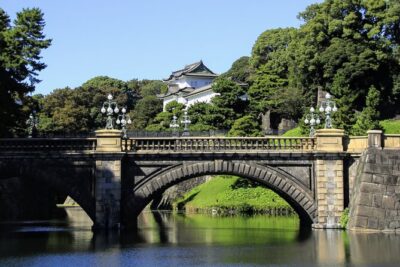 ★ 5.01-Day Tokyo Bus TourFrom $12914,250 reviews
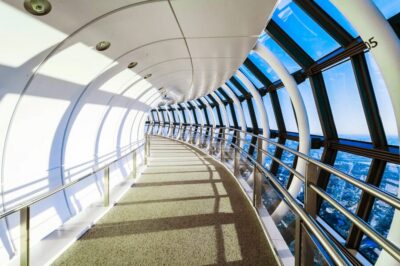 ★ 4.5TOKYO SKYTREE® Admission ticketFrom $1311,192 reviews
 ★ 4.6teamLab Planets TOKYO Digital Art Museum Entry TicketFrom $259,779 reviews
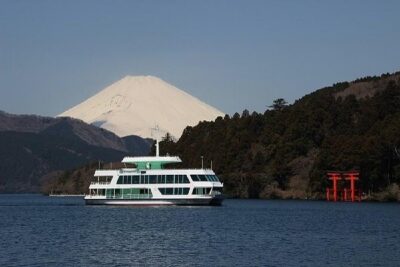 ★ 4.0Mt Fuji & Hakone Cruise, Drum Show Bullet Train 1 Day from TokyoFrom $1497,413 reviews
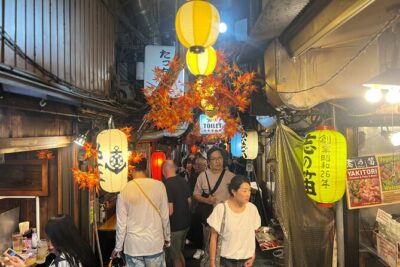 ★ 5.0Shinjuku Food Tour (13 Dishes at 4 Local Eateries)From $866,603 reviews
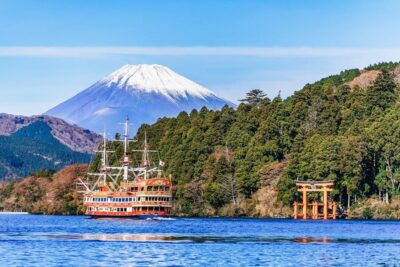 ★ 4.4Tokyo Mt Fuji 5th St & Hakone Cruise Bus Tour w/Bullet TrainFrom $1545,024 reviews
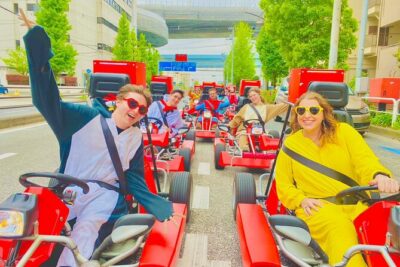 ★ 5.0Flagship 2-Hours Official Street Go-Kart Tour – Tokyo Bay ShopFrom $644,974 reviews
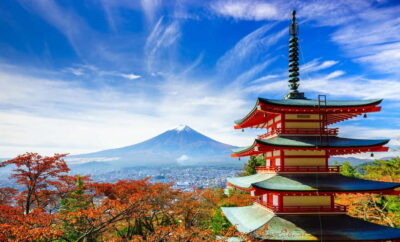 ★ 4.5From Tokyo: Mount Fuji Full-Day Sightseeing TripFrom $684,970 reviews