
Review · TOKYO CITY TOURS
From Tokyo 1-Day Kyoto English-guided Tour by Bullet Train
Kyoto in one day sounds wild, but it works here. You get Shinkansen round-trip help plus an English guide, so the jump from Tokyo Station to Kyoto highlights feels organized. I especially like the door-to-platform escort and the clear guidance from multiple staff at key points (including guides like Yamamoto, Tammy, KC, Momo, Yumi, and Nobu in different groups). The tradeoff is simple: it is a long, tightly scheduled day, and each temple stop is short when Kyoto gets crowded.
You are also choosing comfort level with standard or first-class Shinkansen tickets, and the view ride can be a bonus if skies are clear and you catch a glimpse of Mt Fuji. One more consideration: seats may not be designated, so I would plan to reserve early if your ticket option allows it, because the return leg is usually the one people feel most.
Key Points If You Only Read This
- Shinkansen escort from Tokyo to Kyoto so you do not wrestle with stations and platforms
- English guiding at Kyoto’s top icons with stop-by-stop context for what you are seeing
- Western-style lunch included at a hotel restaurant near Kyoto Station
- Three big sights in limited time: Fushimi Inari, Sanjusangendo, and Kiyomizu-dera
- First-class can be worth it if budget allows for the 2-hour rides each way
- Group size capped at 40 which helps keep the chaos manageable, but not light
Shinkansen Convenience You Feel Immediately
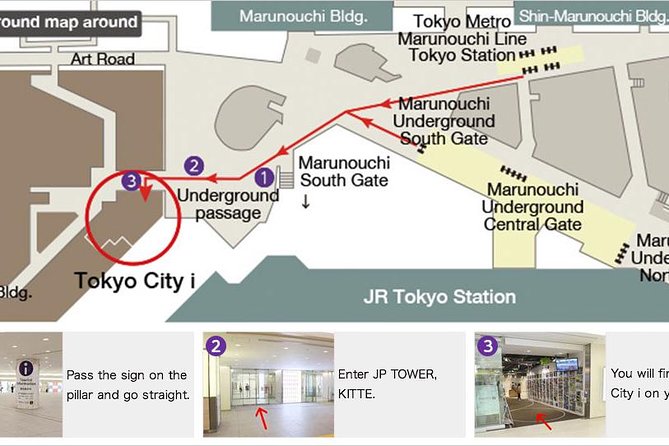
This is not a Kyoto walking tour where you meet a friend and figure it out. It is built around the Shinkansen connection, and that changes everything. At the start in Tokyo, you are guided to the train at Tokyo City i, then staff meet you again at Kyoto Station and escort you to lunch. In a city like Tokyo, where stations are big and signage matters, that kind of step-by-step support is a real stress reducer.
I like how the day is designed around people who do not travel with Japanese-language confidence. You are not left with a ticket and a prayer. The guides and operators are structured like a relay, and the goal is that you keep moving to the right place at the right time.
The drawback is that the system also creates a feeling of compression. Even when staff are great, you still only have so much time on foot at each stop, and Kyoto’s most famous places tend to be busy.
You can also read our reviews of more guided tours in Tokyo

Price and Value for a 12-Hour Kyoto Fix
At $452.45 per person for an approximately 12-hour day, this tour is not cheap. The value comes from what is bundled:
- Round-trip Shinkansen fare between Tokyo and Kyoto
- An afternoon Kyoto sightseeing program
- A national government licensed English guide interpreter
- Lunch included at a hotel restaurant
If you were planning this trip on your own, you would likely still pay for the Shinkansen plus guided access to keep timing tight. The extra cost here is largely for the logistics layer: escorts, ticket handling, and keeping a group together through Kyoto’s busiest areas.
So I think it is best for you if you have limited time and you want Kyoto highlights without spending hours on planning. If you are the type who wants lingering photos, long temple walks, and a slow café rhythm, you might feel the pinch.
Tokyo Start Point at KITTE: The Day Begins With Less Stress
Your tour starts at Tokyo City i inside KITTE, in Marunouchi (KITTE B1F). Practically, this matters because it puts you near the busiest rail hub zone, where lots of visitors get turned around.
From there, you get an English-speaking conductor who guides you to the Shinkansen at Tokyo Station. One small but important detail: guides and other staff do not ride with participants on the train. That is normal for tour operations, but it means you rely on the staff escort before departure and on the other side when you arrive.
In real terms, this reduces two common pain points:
1) finding the right train and the right platform at speed
2) getting confused when you step out of Kyoto Station, which is not small
Shinkansen Ride Tips: Mt Fuji and Seat Reality
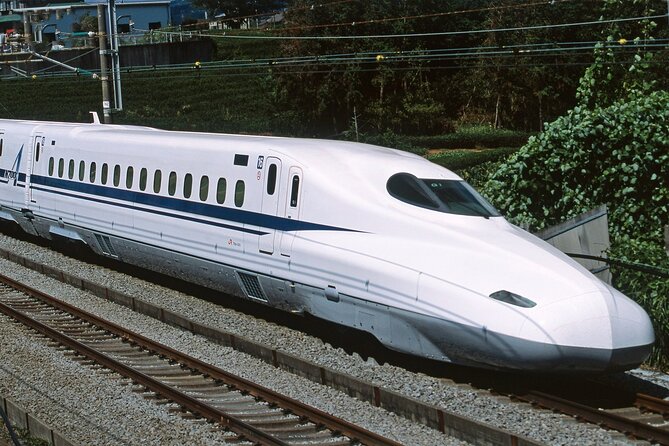
The Shinkansen portion is about 2 hours 20 minutes each way. On a clear day, you may spot Mt Fuji from the train window. That is the kind of small travel magic you cannot guarantee, but it is a legitimate perk of doing Kyoto this way.
Now the seat part. The tour information notes that seats may not be designated. A few guests also emphasized reserving seats when possible so you do not risk being stuck with poor options on the return. My advice: if you have any choice, pick a seat reservation strategy early. Even if you manage to sit together, the return leg is the one where energy runs low and comfort matters.
If budget allows, you might consider the first-class option. People have said it is worth it for that extra ride comfort, and for a day that already feels long, it can make the temple stops feel more enjoyable because your body is not depleted.
Lunch at Miyako Hotel Kyoto Hachijo: Easy, Filling, and Close
After you arrive in Kyoto around midday, you go to lunch at Miyako Hotel Kyoto Hachijo. It is a Western-style lunch in an elegant hotel restaurant. For 2025, lunch is described as a semi-buffet, and you can request a vegetarian option when booking.
Two practical notes:
- The vegetarian request needs to be made in advance, and there are limits on same-day changes.
- The hotel location is close to Kyoto Station, which makes the transition to the next stop feel smooth.
Some guests felt the lunch was not as authentic as they expected, and that is a fair tradeoff to consider. Here, you are buying convenience and reliability. If you want a Kyoto food adventure, you will probably need a separate meal plan or a longer stay.
But as a power source during a compressed day, a hotel lunch hits the spot. It also gives you a predictable place to regroup before heading to the temples.
More Tokyo tours and experiences for the shortlist





Fushimi Inari Taisha: The Torii Walk, With a Crowd Plan
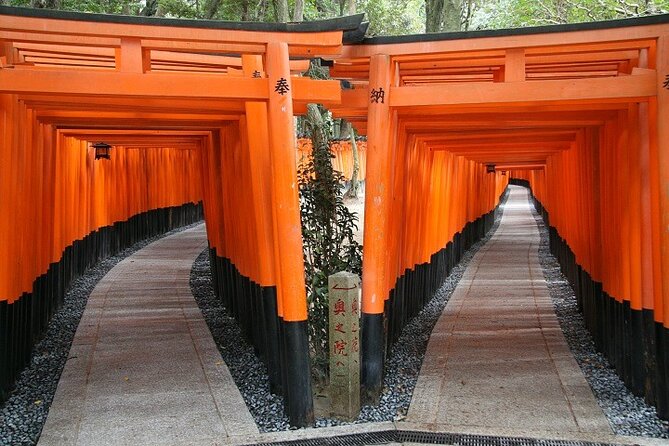
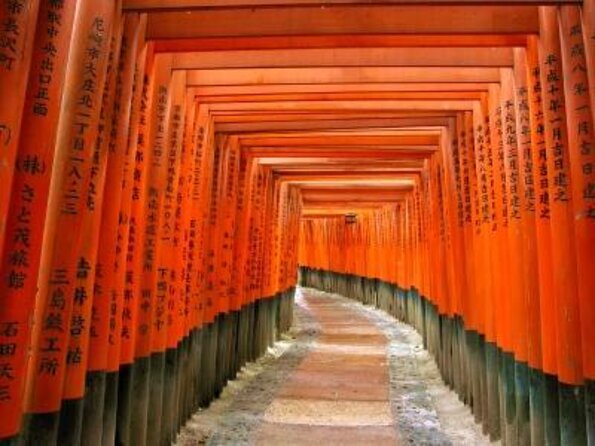
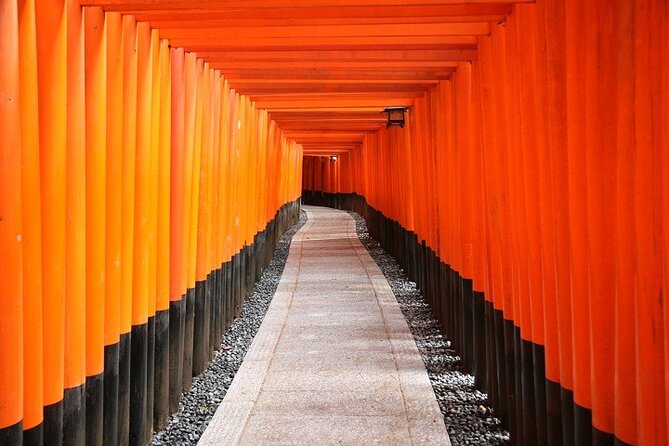
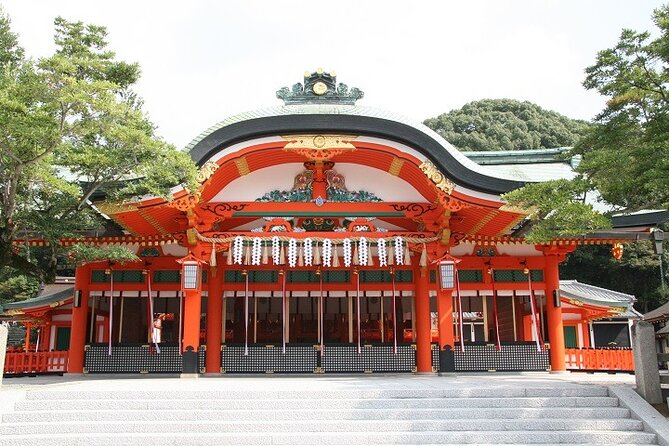
Fushimi Inari Taisha is the head shrine of Inari, with about 40,000 inari-jinja shrines across Japan. The signature look is the bright red Senbon Torii, thousands of torii gates that create a tunnel-like walk.
You visit by coach and then walk from the parking lot toward the shrine grounds. Your time here is listed as about 30 minutes, which is enough to experience the atmosphere, but not enough to do a long, deep hike.
Here is the crowd reality. Even in non-peak moments, Fushimi Inari can be busy. The best way to enjoy it within a short window is to do a quick photo sweep early, then shift your attention to details: the gate rhythm, the small shrine plaques, and the way the pathways funnel people forward.
One thing I like about having a guide here is context. Instead of just seeing red gates, you learn what Inari represents and why the torii system matters. That turns a photo stop into something you understand.
Sanjusangendo: 1001 Statues and a Short, Powerful Detour
Next is Sanjusangendo Temple, known for the world’s longest wooden structure and for housing 1,001 life-size statues of Buddhist Kannon deities dating back to the 13th century.
Your time here is about 30 minutes, including entry. This stop works well in a day like this because it shifts the tempo from walk and crowd into stillness. Some guests noted that photographing may be restricted inside, so do not plan on long photo sessions. Just plan to look, absorb the scale, and let the details do the work.
What you should watch for:
- the long hall layout that makes the statues feel endless
- the idea that these are not random decorations but a deliberate devotional setting
In a compressed day, this is your best chance to slow down mentally without losing time. Even if you only spend a half hour, it can be the emotional highlight.
Kiyomizu-dera: Views, Stories, and the Shopping Lane
Kiyomizu-dera is a World Heritage Site with superb views over Kyoto. It is also the temple where the historic shopping lane leading up to it becomes part of the experience. You get about 1 hour 10 minutes here, including admission time.
This stop is the payoff for the whole day. The temple sits on a hill, and even if you only catch a slice of the skyline from the viewing areas, it changes how Kyoto feels. Instead of thinking of streets and crowds, you start seeing the city as a layered landscape of hills and neighborhoods.
A guide story can make this place click. You hear the story behind the temple’s construction, and that kind of explanation matters because Kiyomizu-dera is more than a postcard. It is about design, worship, and how the site interacts with the city.
The tradeoff, again, is crowds. Kiyomizu-dera can get packed, and with limited time you may not be able to enjoy the approach at a relaxed pace. If you want souvenirs, this is where you get that built-in shopping opportunity, because the lane is right there.
Waiting Time and Timing Reality: Where the Day Can Feel Long
This tour is structured and well managed, but timing is still timing. A few guests mentioned extra waiting time after lunch and longer-than-expected moments in between segments. Others felt the last part of the day was rushed, especially when crowds or traffic added pressure.
So I would manage your expectations like this:
- Expect travel and handoffs to take time. You are not just sightseeing, you are also moving between Tokyo Station, Shinkansen platform areas, Kyoto Station, and each city stop.
- Treat each temple like a high-impact taste, not a full visit.
- If your personal priority is deep exploration, consider adding a night in Kyoto later. This tour is built for people who cannot.
Rain can also change the vibe. If weather is rough, walk time and crowds feel heavier. The good news is you still keep your Shinkansen connection structured, which helps you avoid turning a weather problem into a whole-day derailment.
Which Tour Group Should Book This?
I think this tour fits best if you:
- have limited time in Japan and you want Kyoto highlights without stress
- prefer a strong logistics framework over independent planning
- like learning the meaning behind shrines and temple architecture
- want lunch handled in a reliable, centralized location
It might be less satisfying if you:
- want to roam Kyoto neighborhoods on foot for hours
- prefer quiet, slow temple visits without crowds
- feel that a hotel Western-style lunch does not match your travel style
- are the type who gets annoyed by tight stop windows and “keep moving” pacing
One more match point: guide handoffs happen during the day. Many guests praised their guides and the smooth assistance at station connections. If you are comfortable relying on staff for navigation, this plays to your strengths.
Should You Book This Tokyo to Kyoto Day Trip?
Yes, if your goal is Kyoto’s biggest icons in one shot and you value an English-speaking plan that handles the hard parts.
Skip it, or consider a longer Kyoto stay instead, if you want time to wander freely at each site, escape crowds, and build a more personal Kyoto rhythm.
My final check before you book:
- If you can spare a full day in Kyoto later, you will get a richer, calmer experience.
- If you cannot, this is one of the most efficient ways to turn Tokyo time into Kyoto highlights, with comfort options like first-class seating and real support at both stations.
If your priorities are clear, your expectations are honest, and you are okay with a packed schedule, this one-day Shinkansen Kyoto plan can feel like a smart shortcut to the parts of Kyoto most people dream about.
FAQ
How long is the Tokyo to Kyoto day tour?
The duration is approximately 12 hours.
What does the tour include for transport?
You get round-trip Shinkansen fare between Tokyo and Kyoto, plus an afternoon Kyoto sightseeing route using coach and walking at the attractions.
Which Kyoto attractions are visited?
The tour includes Fushimi Inari Taisha, Sanjusangendo Temple, and Kiyomizu-dera Temple.
Is lunch included, and what is it like?
Yes. Lunch is included at Miyako Hotel Kyoto Hachijo and is described as a Western-style meal. For 2025 it is a semi-buffet, and vegetarian options must be requested when booking.
Can I choose standard or first-class Shinkansen seats?
Yes, the tour offers a choice of standard or first-class bullet train ticket.
Where does the tour start and what is the meeting point in Tokyo?
It starts at Tokyo City i (inside KITTE), Marunouchi, Chiyoda City. The ticket redemption point is also listed at Tokyo City i, KITTE B1F.
What time does the tour start in Tokyo?
The start time is 9:20 am.
When and where does the tour end?
The tour ends at Shin-Yokohama Station, Shinagawa Station, or Tokyo Station (depending on the return setup).
Are there limits on luggage size for the Shinkansen?
Yes. You cannot bring large luggage whose total height, width, and length exceeds 160 cm onto the Shinkansen. You are advised to use a delivery service on your own if needed.
Is this tour available to Japanese residents?
No. It is described as a special tour for international visitors, and residents of Japan cannot make bookings for it.
More Guided Tours in Tokyo


More Tours in Tokyo




More Tour Reviews in Tokyo

Not for you? Here's more nearby things to do in Tokyo we have reviewed












Tokyo City Tours, side by side.
 ★ 5.01-Day Tokyo Bus TourFrom $12914,250 reviews
 ★ 4.5TOKYO SKYTREE® Admission ticketFrom $1311,192 reviews
 ★ 4.6teamLab Planets TOKYO Digital Art Museum Entry TicketFrom $259,779 reviews
 ★ 4.0Mt Fuji & Hakone Cruise, Drum Show Bullet Train 1 Day from TokyoFrom $1497,413 reviews
 ★ 5.0Shinjuku Food Tour (13 Dishes at 4 Local Eateries)From $866,603 reviews
 ★ 4.4Tokyo Mt Fuji 5th St & Hakone Cruise Bus Tour w/Bullet TrainFrom $1545,024 reviews
 ★ 5.0Flagship 2-Hours Official Street Go-Kart Tour – Tokyo Bay ShopFrom $644,974 reviews
 ★ 4.5From Tokyo: Mount Fuji Full-Day Sightseeing TripFrom $684,970 reviews
This tour also belongs to